

Use the search feature to find your pet’s care sheet!
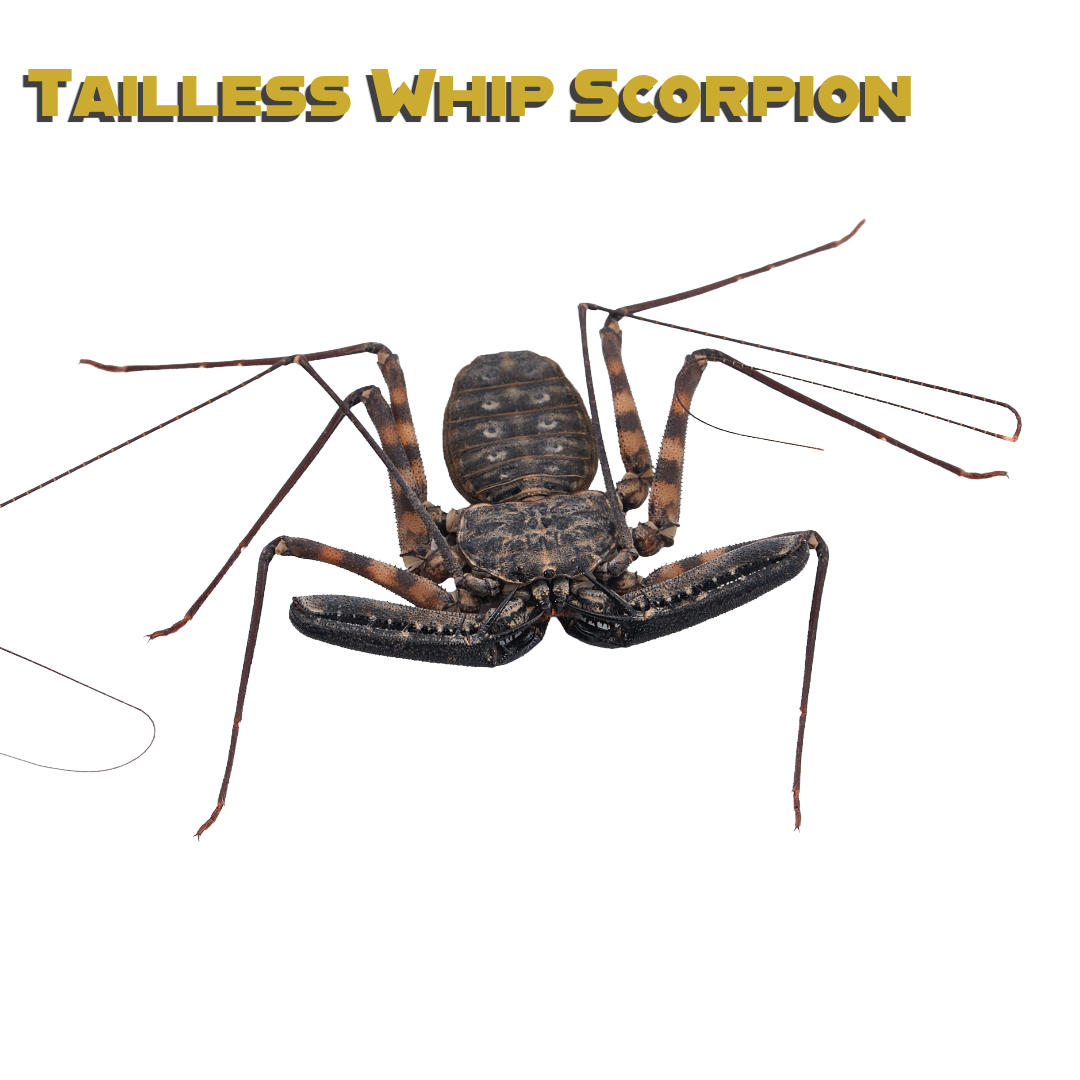
Caring for your Tailless Whip Scorpion
Tailless whip scorpions, despite their name, are not true scorpions and have no venom or tail. These fascinating arachnids are known for their long, delicate front legs used like…
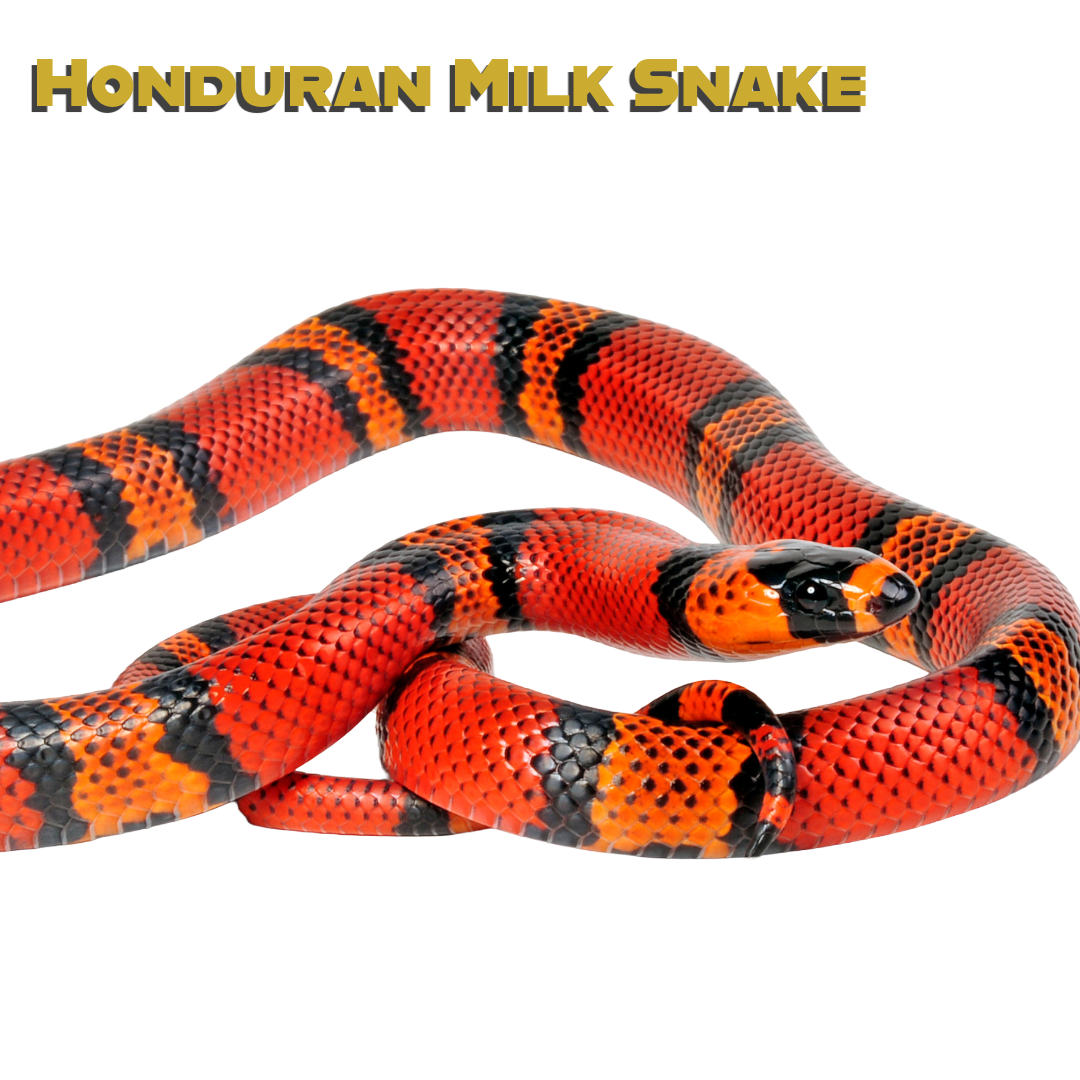
Caring for your Honduran Milk Snake
Milk snakes are a colorful, non-venomous colubrid found across North, Central, and parts of South America. Known for their bold red, black, and white or yellow banding, they mimic the appearance of venomous coral snakes—making them a classic example of Batesian mimicry. With over two dozen recognized subspecies, including the…
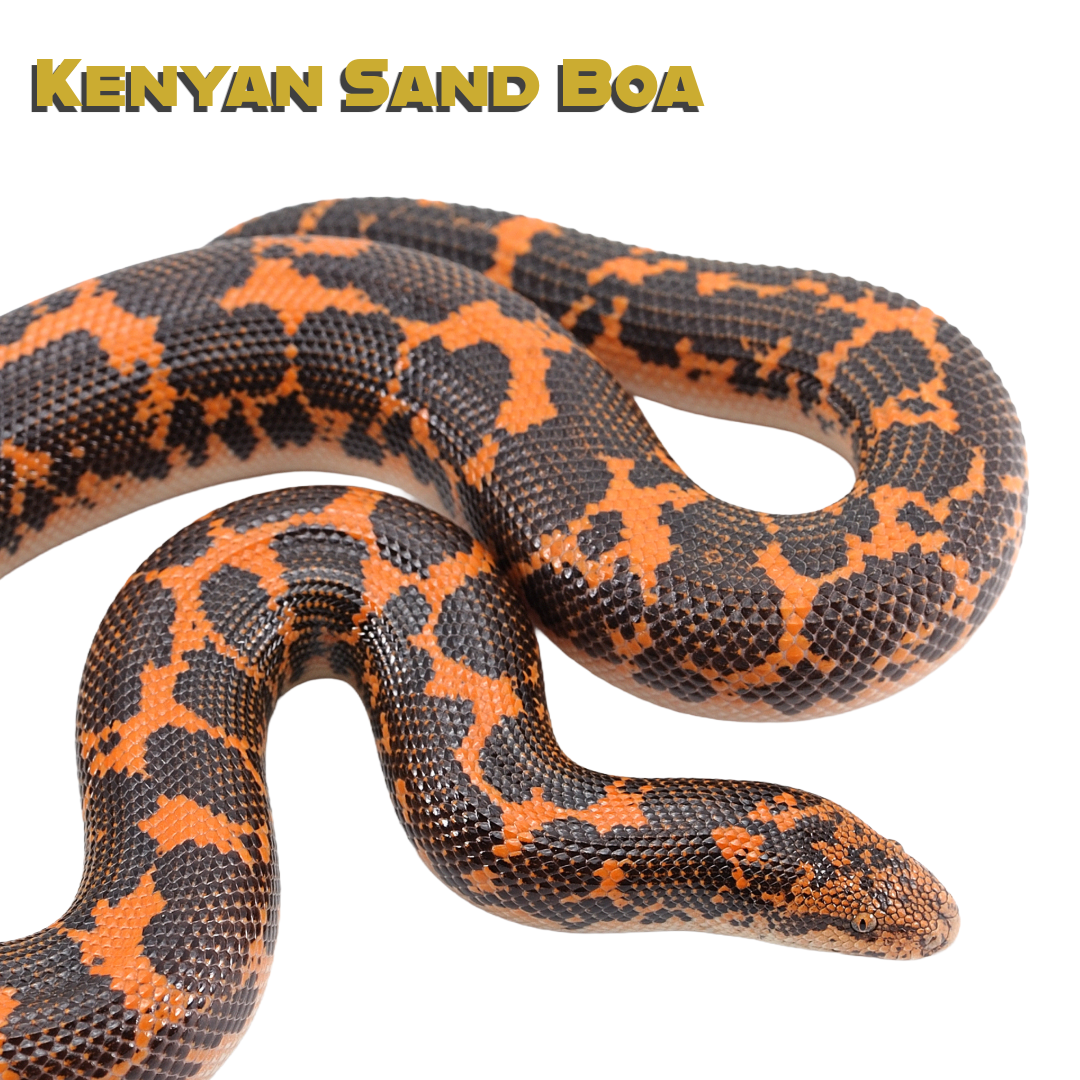
Caring for your Kenyan Sand Boa
Small, burrowing snakes native to northeastern Africa, Kenyan Sand Boas are known for their gentle temperament, manageable size, and vibrant orange-and-brown coloration. Their fossorial lifestyle and calm demeanor make them excellent pets for beginners and…

Caring for your Argentine Boa
Native to Argentina and parts of Paraguay, the Argentine Boa is a rare and protected subspecies of the Boa constrictor complex. Known for their striking black and white pattern and heavier build, these snakes are powerful constrictors…

Caring for your Common Boa
Native to Central America and parts of northern South America, the Common Boa is a hardy and adaptable snake species widely kept in captivity. Boa imperator tends to be smaller and slightly more docile than…
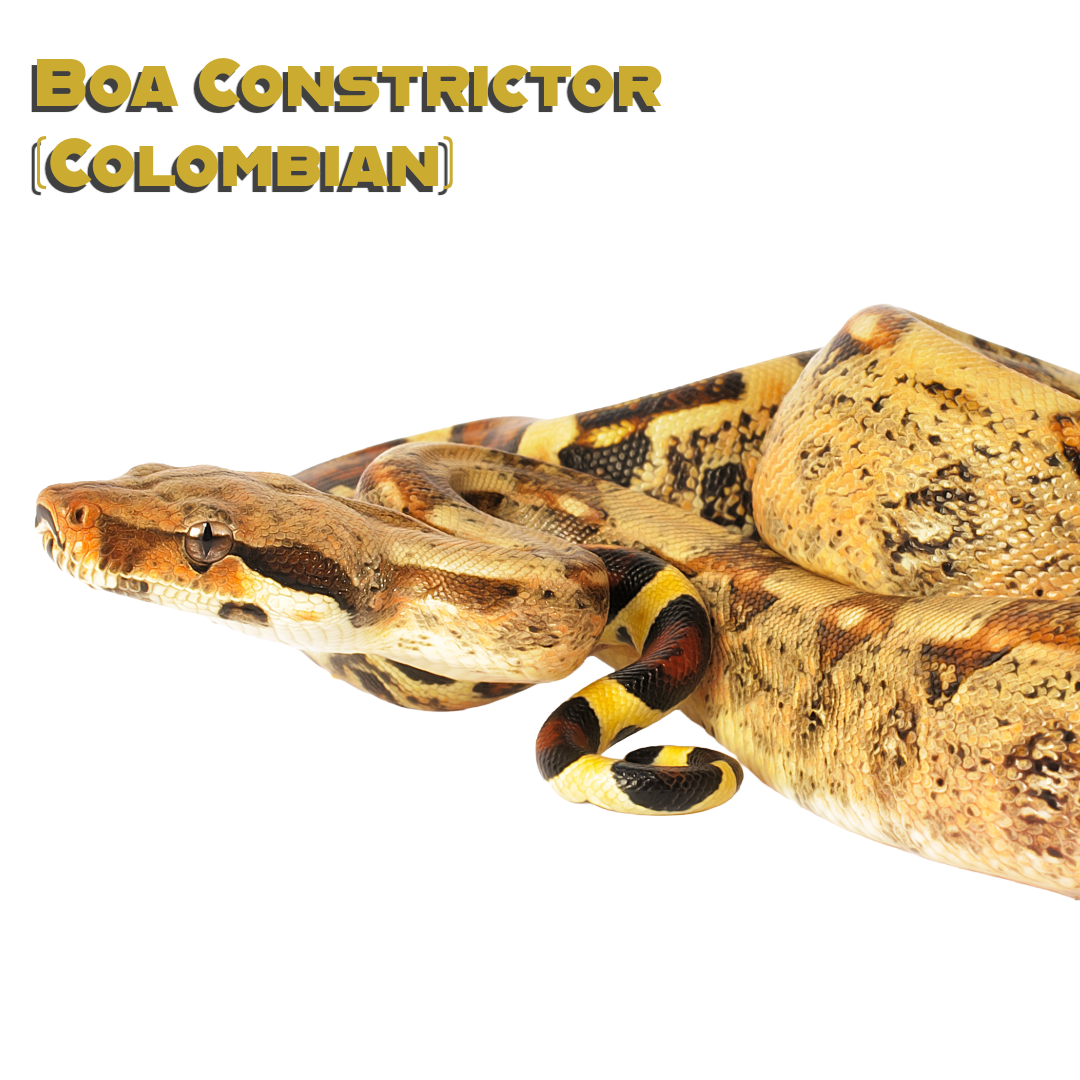
Caring for your Colombian Red-Tail Boa
Originating from Central America and northern parts of South America, Colombian Red-Tailed Boas are one of the most popular boa species in the pet trade due to their manageable size, striking appearance, and generally docile temperament…
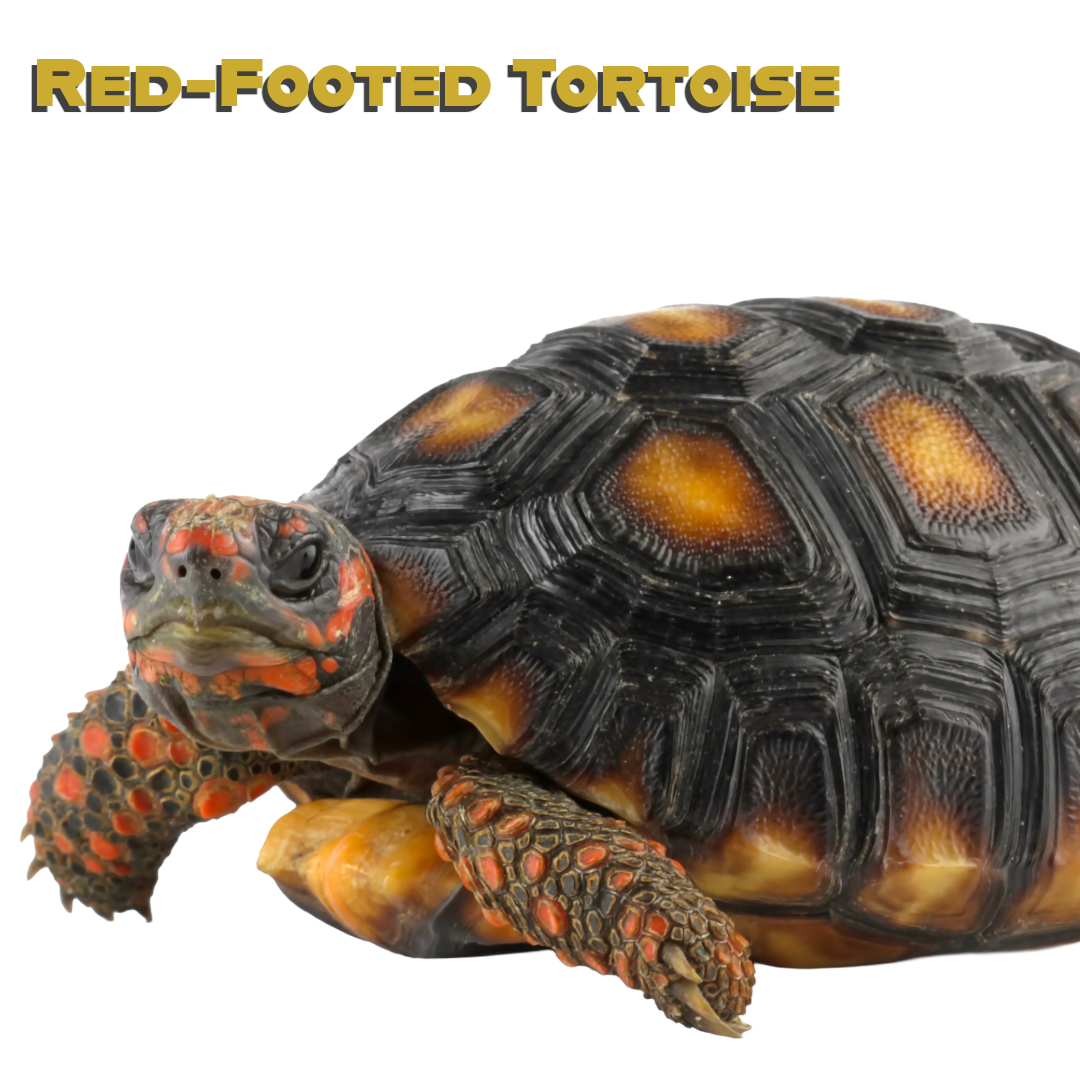
Caring for your Red Footed Tortoise
The Red-Footed Tortoise is a vibrant, medium-sized tortoise native to South America, especially the savannas and forest edges of the Amazon Basin. Recognizable by the red, orange, or yellow scales on their legs and head, these tortoises are curious, social…
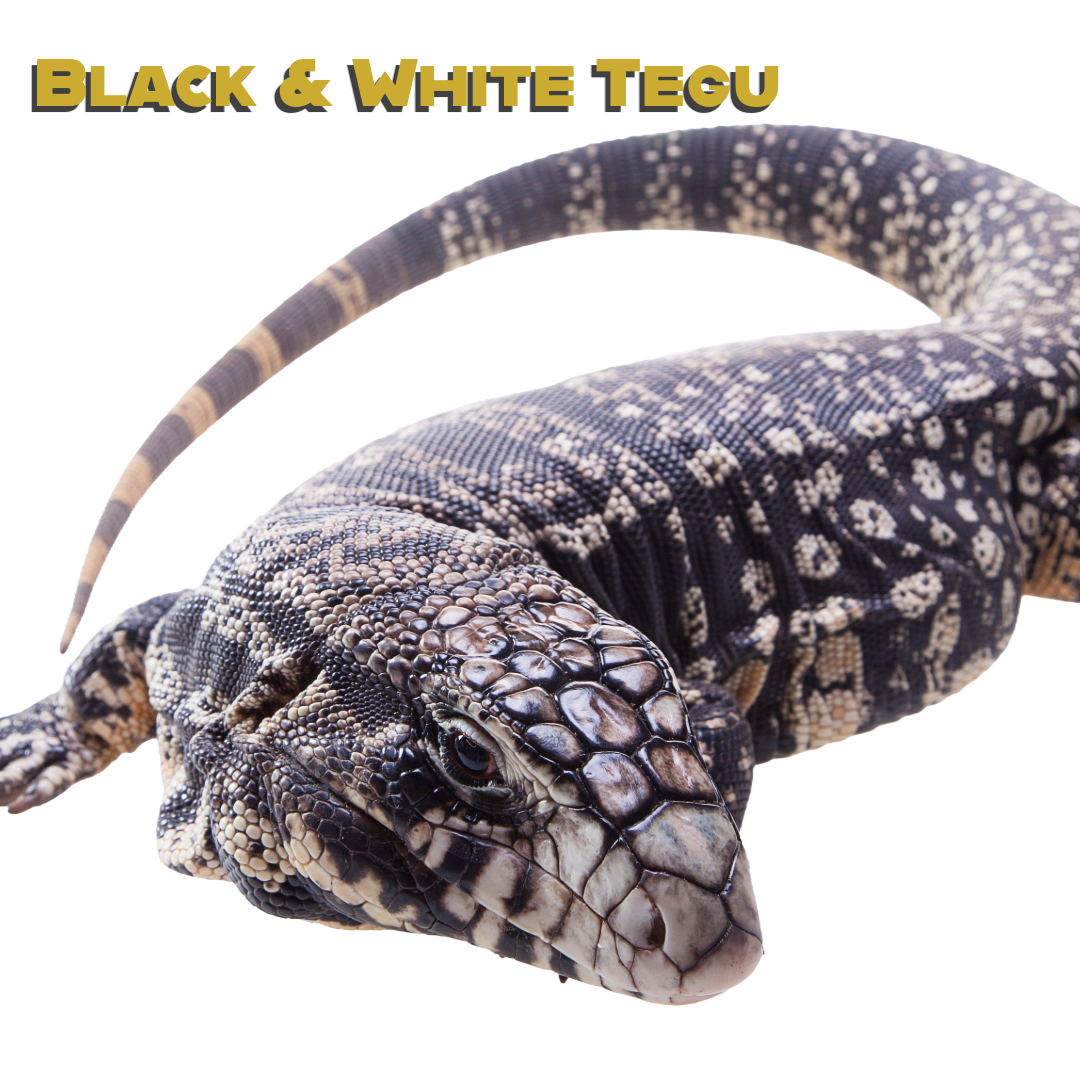
Caring for your Argentine Black & White Tegu
The Black & White Tegu, also known as the Argentine Tegu, is a large, robust lizard native to South America, specifically Argentina, Brazil, and Paraguay. These lizards are known for their striking black and white coloration, which provides excellent camouflage in their natural habitat. Tegus are intelligent…
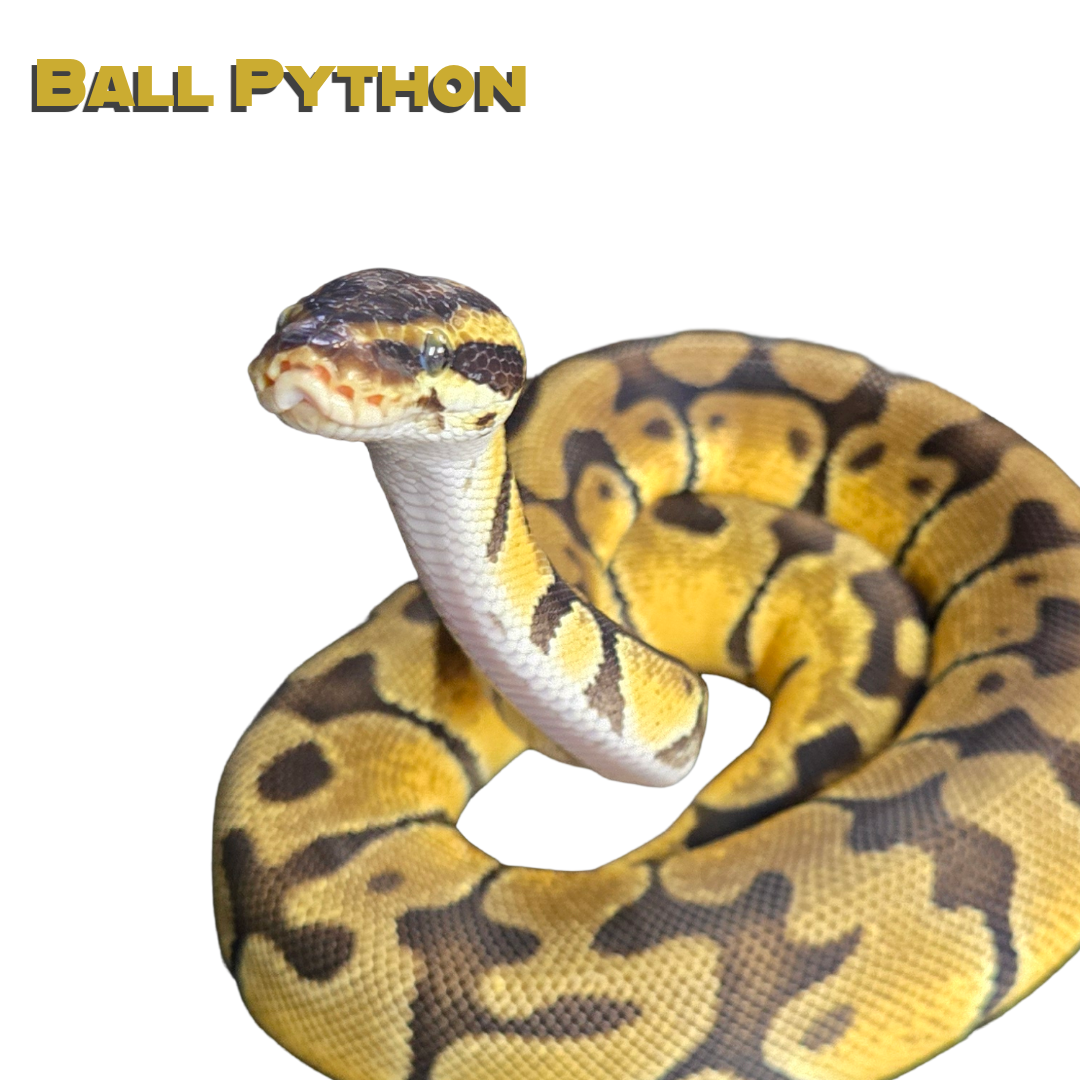
Caring for your Ball Python
Ball Pythons—also known as Royal Pythons—are one of the most popular pet snakes due to their calm temperament and manageable size. Native to central and western Africa, they get their name from….
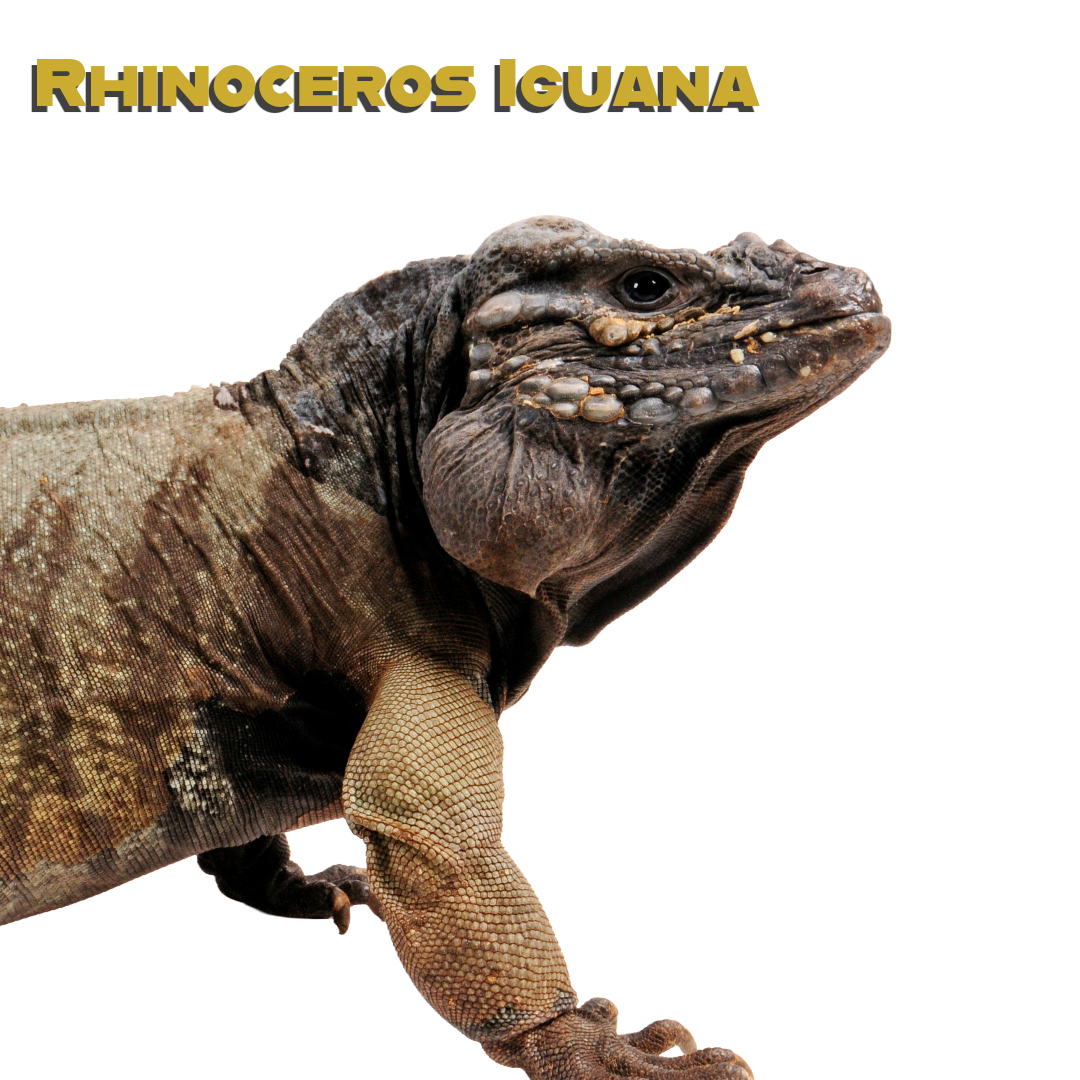
Caring for your Rhinoceros Iguana
The Rhinoceros Iguana is a large and robust species native to the island of Hispaniola, which includes both Haiti and the Dominican Republic. Characterized by its distinctive horn-like structures on the snout, this iguana can grow up to 5 feet…
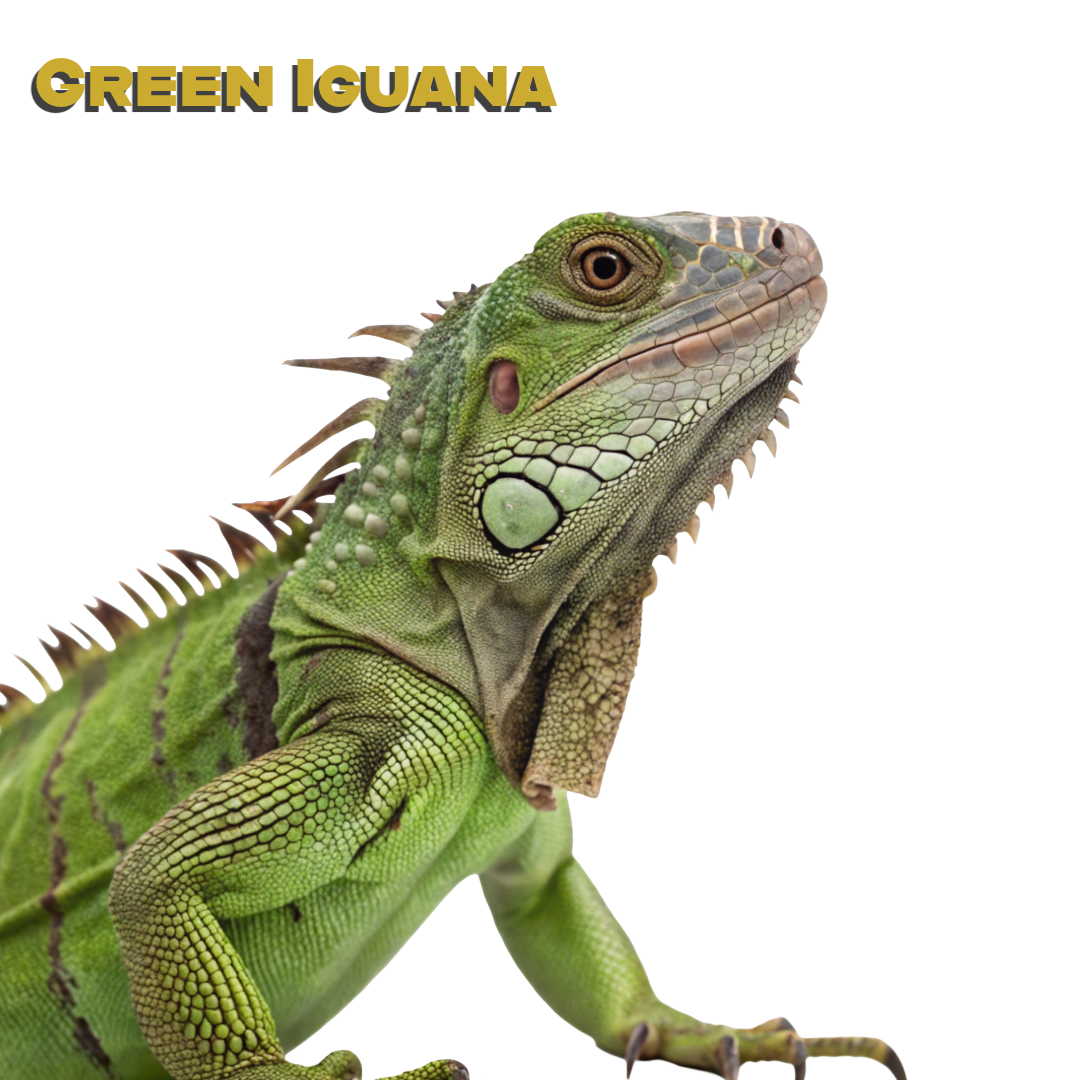
Caring for your Green Iguana
The Green Iguana is a large, herbivorous reptile native to Central and South America. Known for its vibrant green color and long, spiny tail, it can grow up to 6-7…
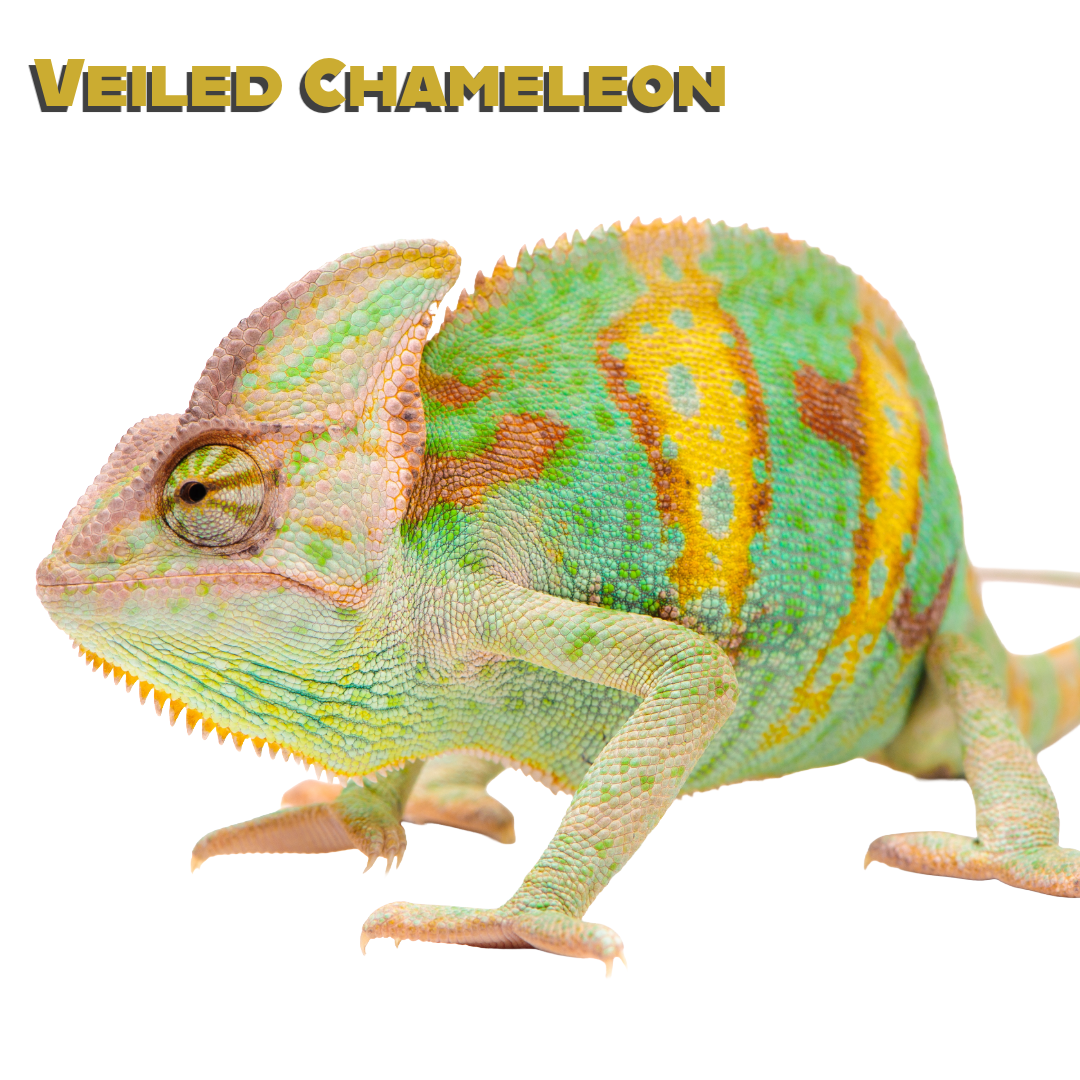
Caring for your Veiled Chameleon
Native to Yemen and Saudi Arabia, the Veiled Chameleon thrives in hot, arid climates with access to lush vegetation. They are known for their impressive casque (the tall crest on their heads) and vibrant green coloration, often displaying yellow, blue, and orange markings. Adults can reach up to 24…
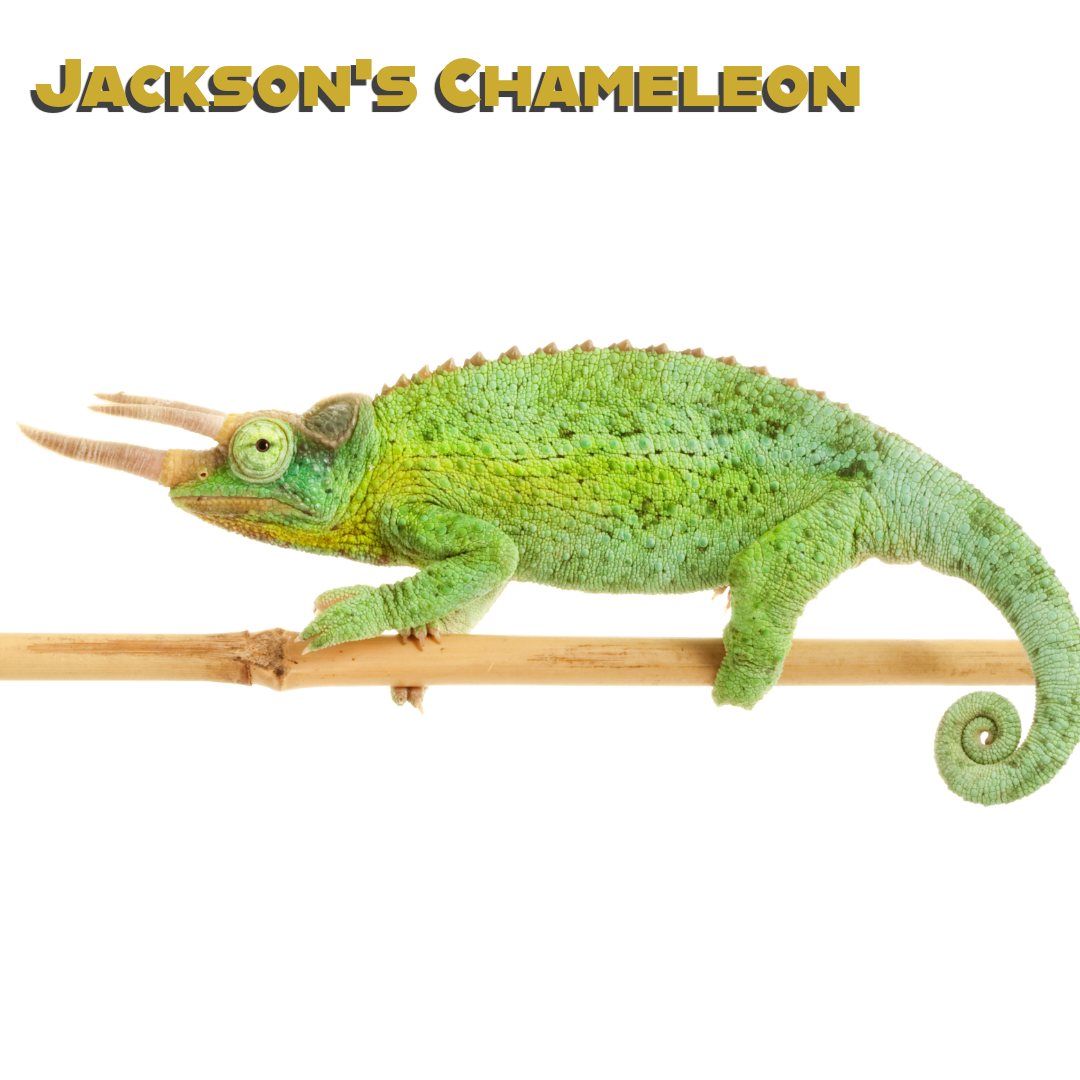
Caring for your Jackson’s Chameleon
Jackson’s Chameleons are native to the mountainous regions of East Africa, particularly Kenya and Tanzania. They are well-known for their three distinct horns (one on the nose and two above the eyes), resembling tiny triceratops, which are most prominent in males. Typically, they grow to about 8-10…
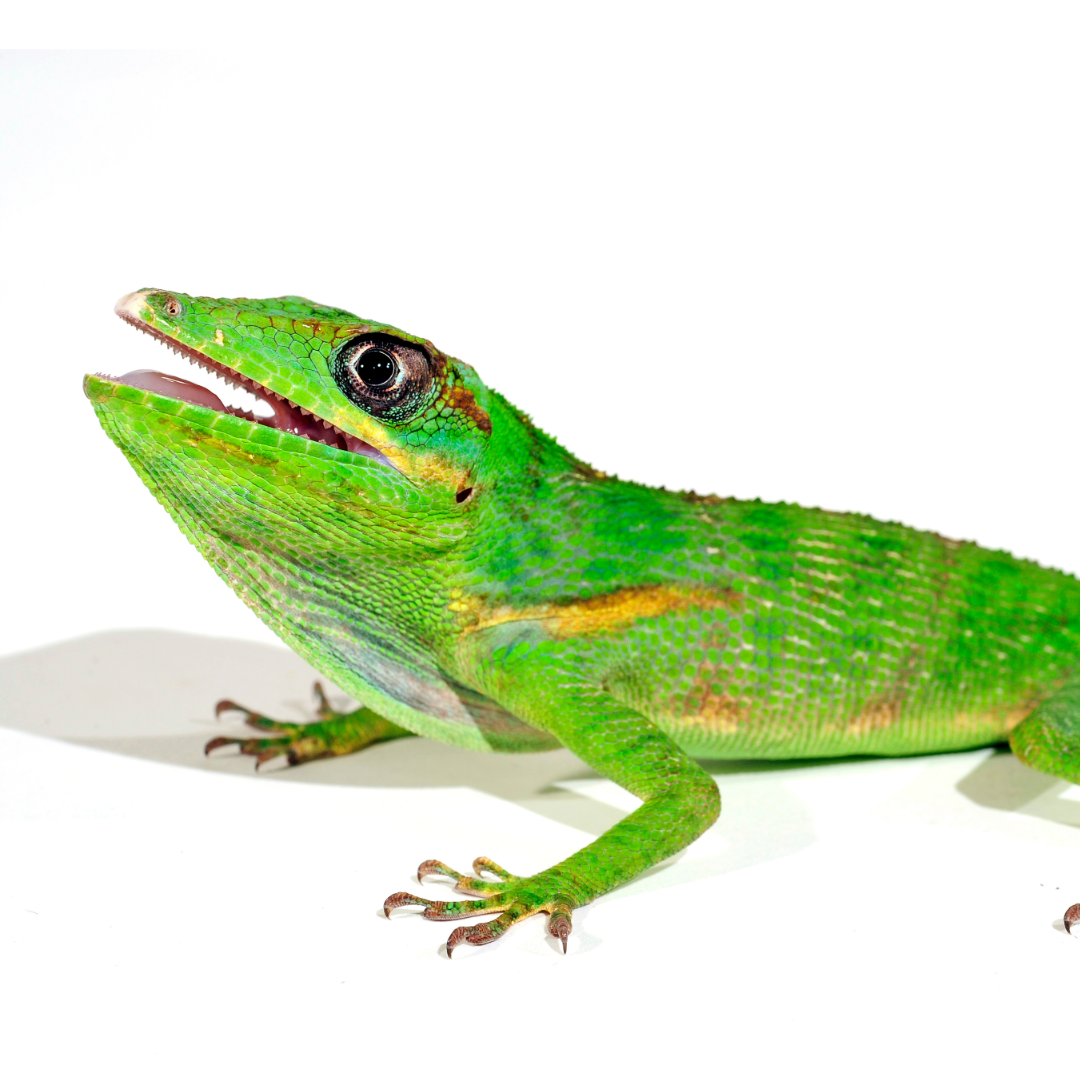
Caring for your Cuban Knight Anole
The Knight Anole, native to Cuba, is the largest anole species, reaching up to 18-20 inches in length. Recognizable by its vibrant green color with occasional white or…
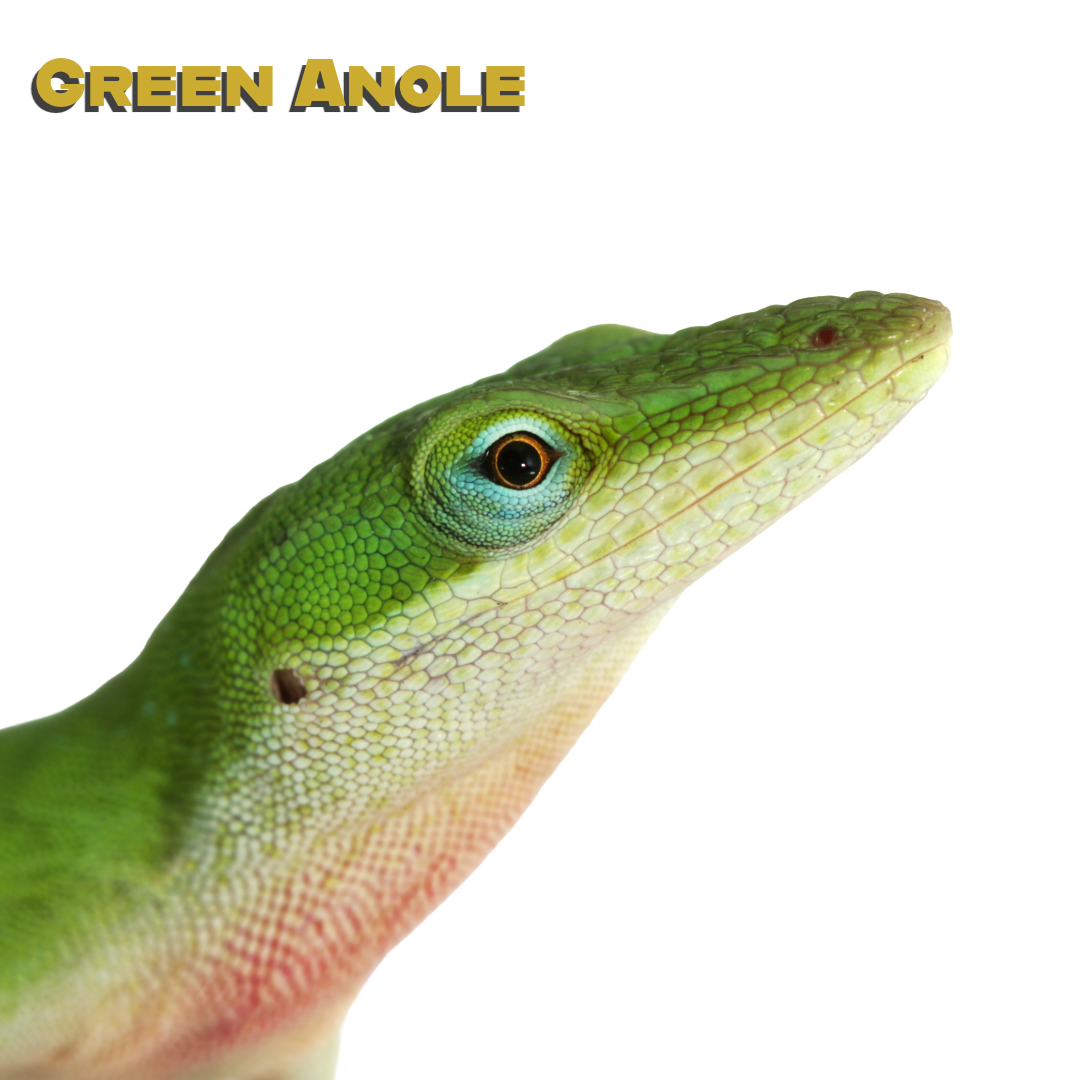
Caring for your Green Anole
Basic Information:
The Green Anole, also known as the American Chameleon, is native to the southeastern United States. Known for its ability to change color from green to brown, this small, active lizard typically grows 5-8…
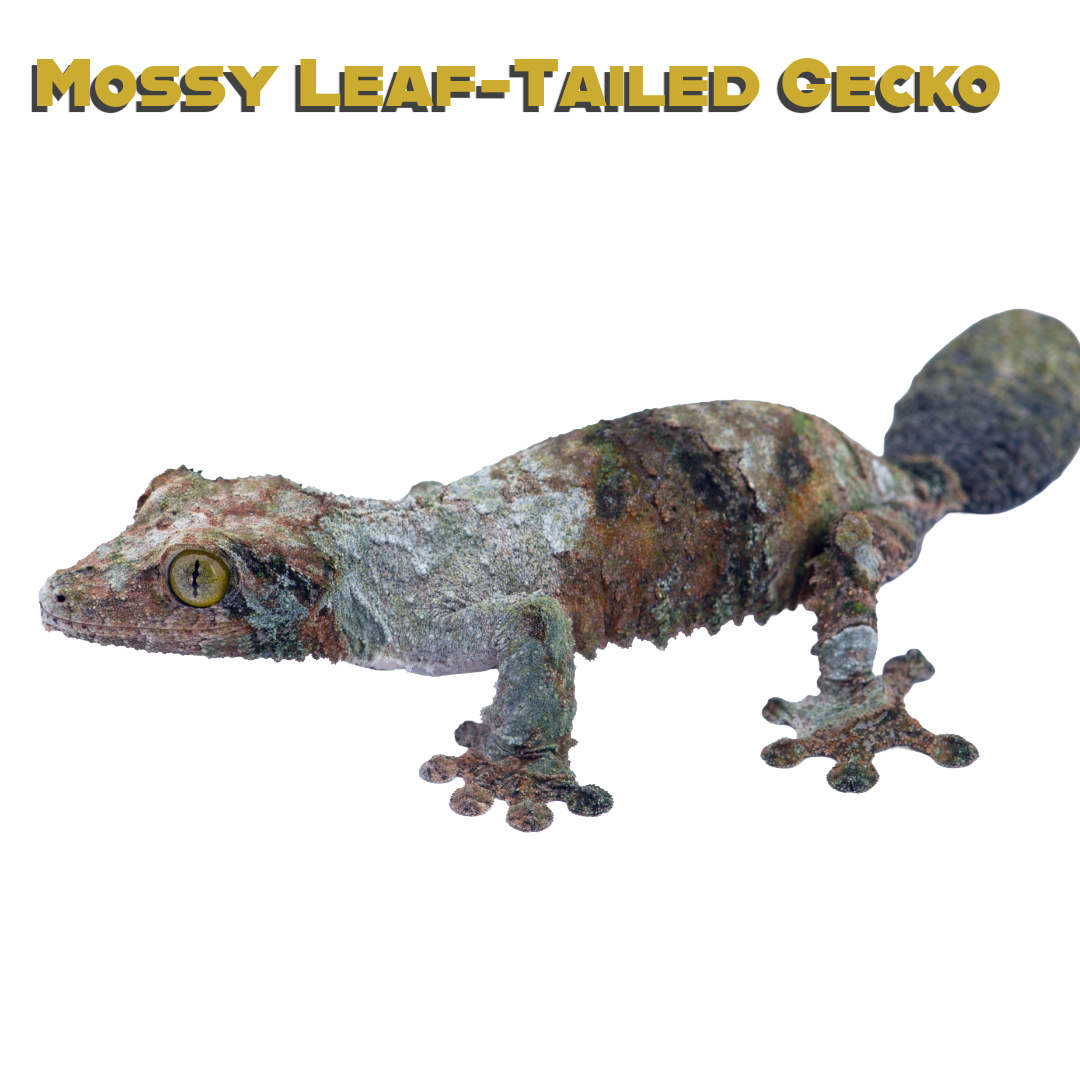
Mossy Leaf-Tailed Gecko Care
Mossy Leaf-Tailed Geckos are native to the rainforests of Madagascar. These highly arboreal geckos are nocturnal, blending seamlessly with tree bark and moss due to their remarkable camouflage. Their flattened bodies and leaf-like tails mimic their natural surroundings, providing excellent concealment from predators. Adults grow to approximately 6-8…
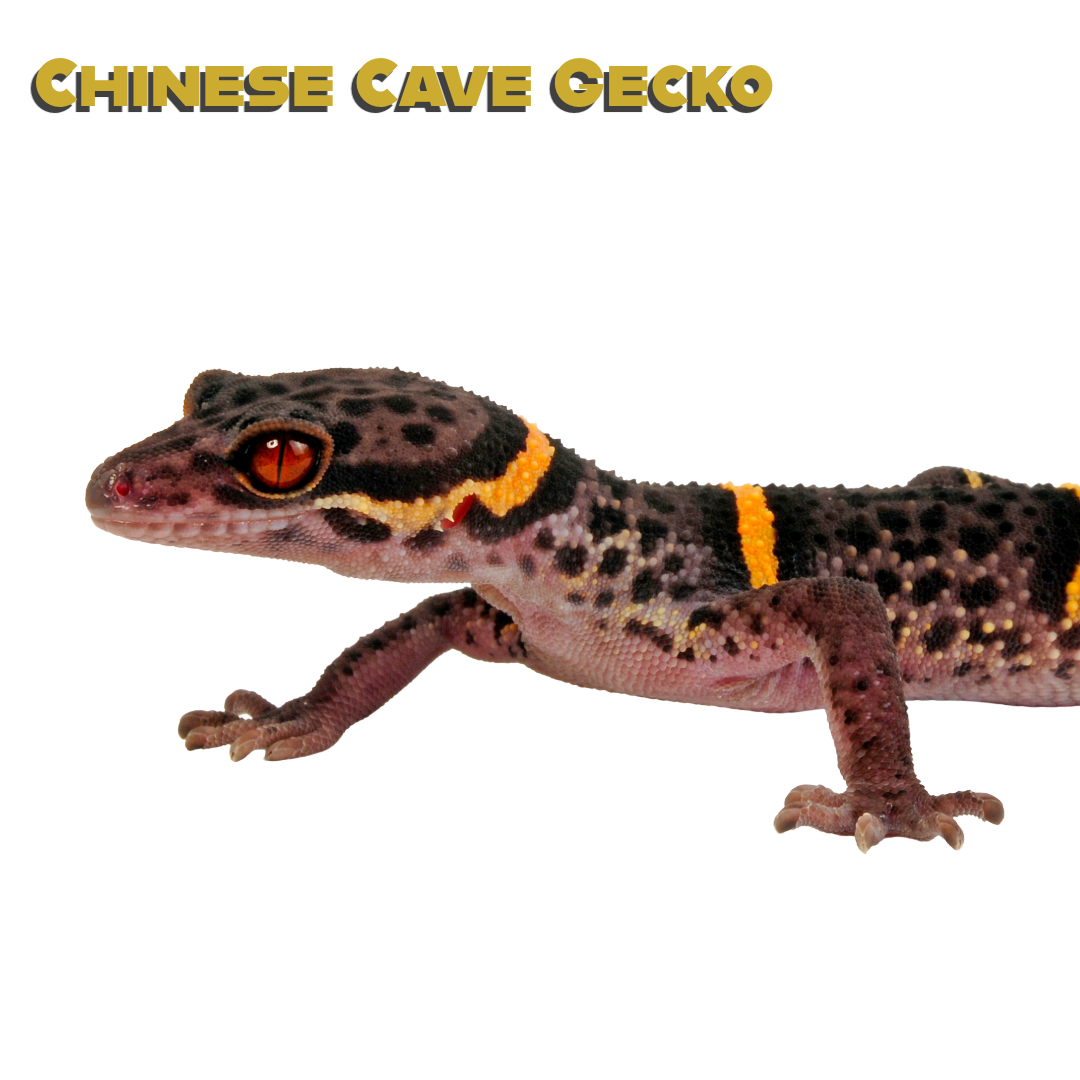
Caring for your Chinese Cave Gecko
The Chinese Cave Gecko is native to the subtropical forests of southern China, specifically Hainan Island. These geckos are primarily terrestrial and nocturnal, often hiding during the day and becoming active at night. Their striking appearance features dark black or purple coloration with contrasting orange or yellow bands, along with bright red eyes. Adults typically grow to 8-9…
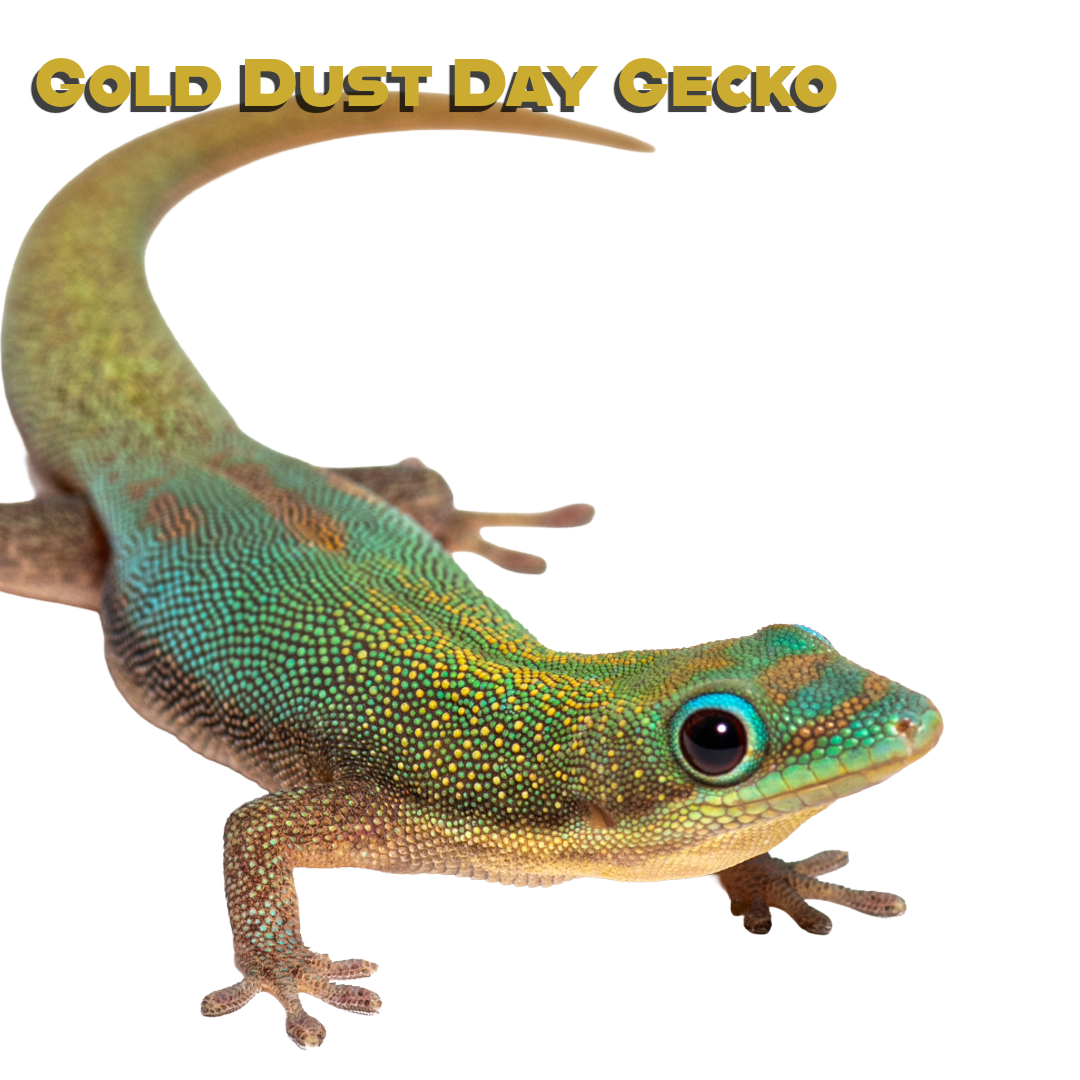
Caring for your Gold Dust Day Gecko
Gold Dust Day Geckos are native to Madagascar and nearby islands, where they inhabit tropical rainforests. They are diurnal and arboreal, spending most of their time climbing and basking during the day. These geckos are easily recognizable by their vibrant green coloration with yellow speckles or “gold dust” on their body and red markings on their head. Adults reach around 4-6…
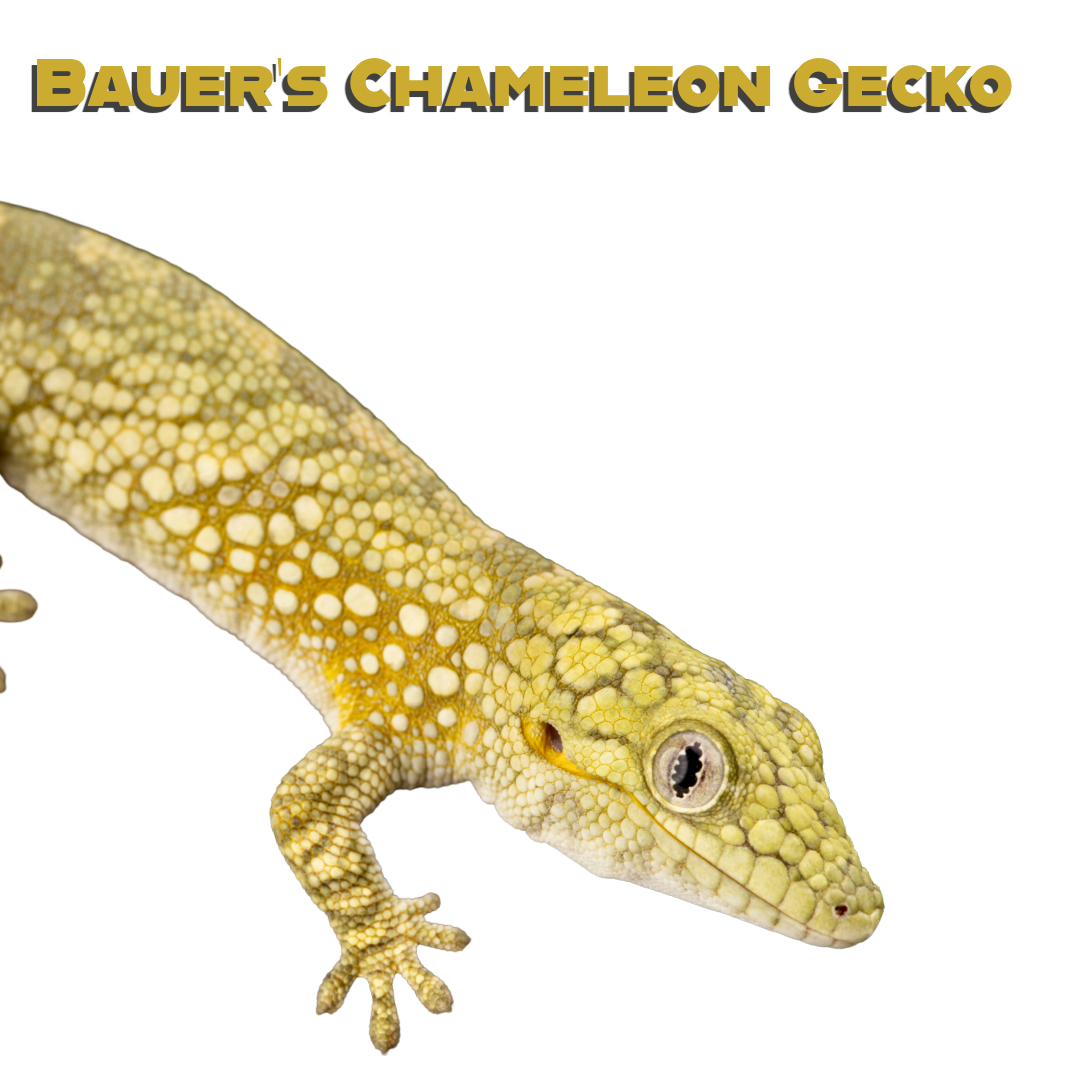
Caring for your Bauer’s Chameleon Gecko
Bauer’s Chameleon Geckos are native to New Caledonia, where they inhabit dense, humid forests. These geckos are arboreal and crepuscular, being most active during the early morning and late afternoon. Known for their unique prehensile tails and ability to change their color slightly to blend in with their environment, they are a fascinating species to keep. Adults typically reach 5-6…
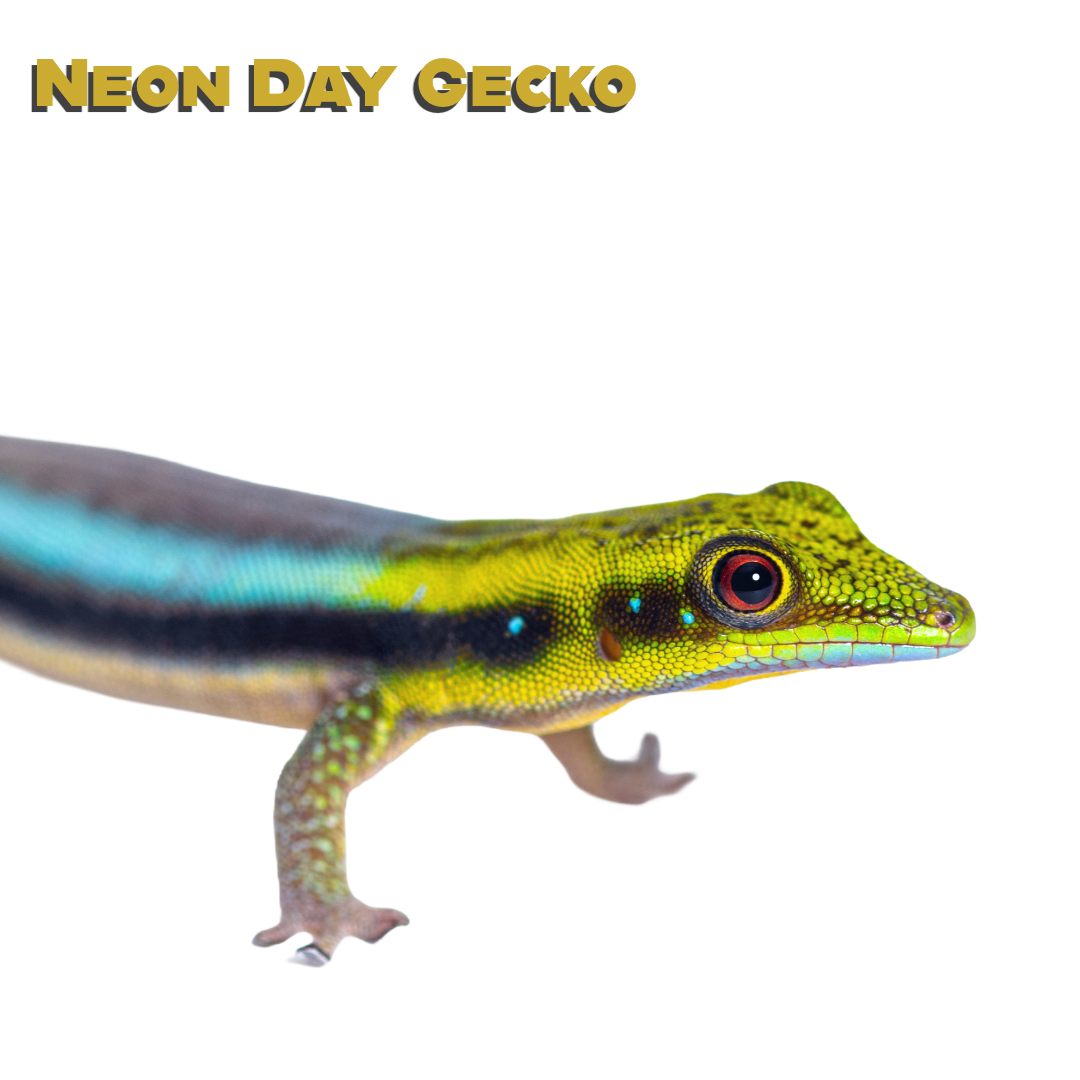
Caring for your Neon Day Gecko
The Neon Day Gecko is native to the islands of Madagascar and the surrounding region. Known for their vibrant green coloration with striking blue spots, these small geckos are arboreal and diurnal, actively foraging during the day. Adults typically reach lengths of 4-6…