

Use the search feature to find your pet’s care sheet!
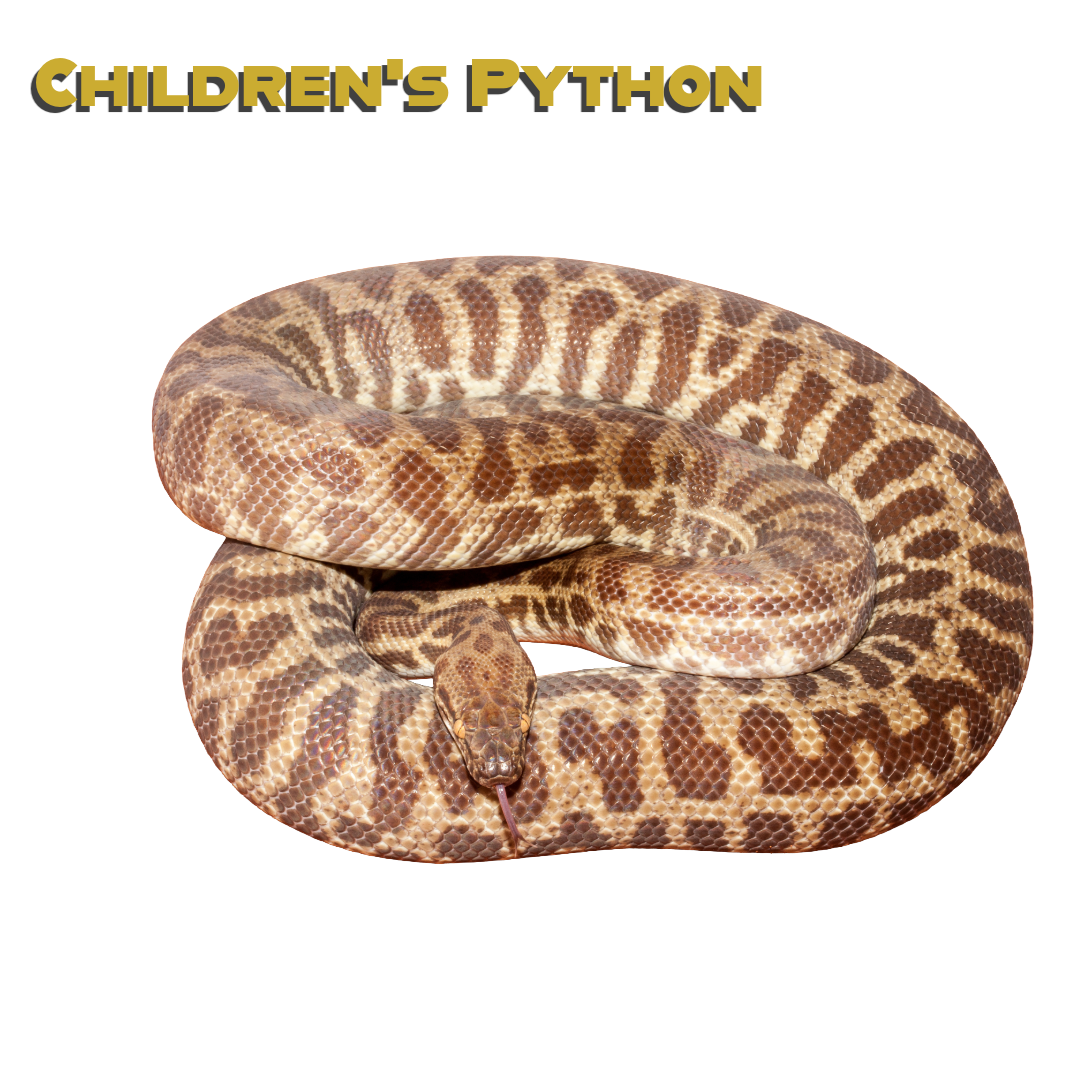
Caring for your Children’s Python
The Children's Python is a small, slender python native to the northern regions of Australia, where it inhabits rocky outcrops, open woodlands, scrublands, and coastal caves. Named after the British zoologist John George Children (rather than the age group), this species features a light tan or reddish-brown base coloration overlaid…
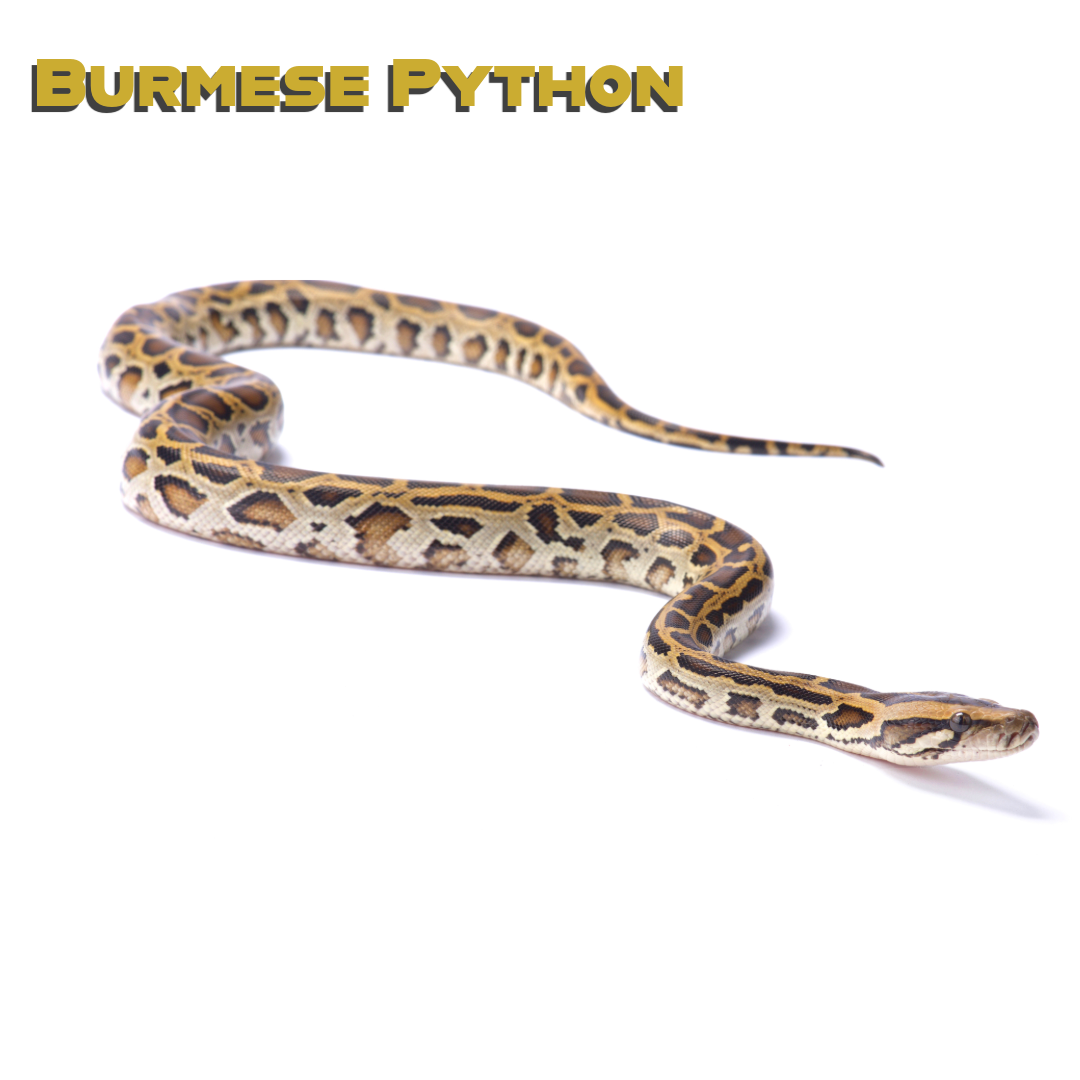
Caring for your Burmese Python
The Burmese Python is one of the largest snake species on Earth, native to the tropical rainforests, grasslands, marshes, and river valleys of Southeast Asia. Known for their classic dark-brown blotches outlined in black against a tan or yellowish-cream base, they are also available in a wide variety of captive-bred color and pattern morphs…
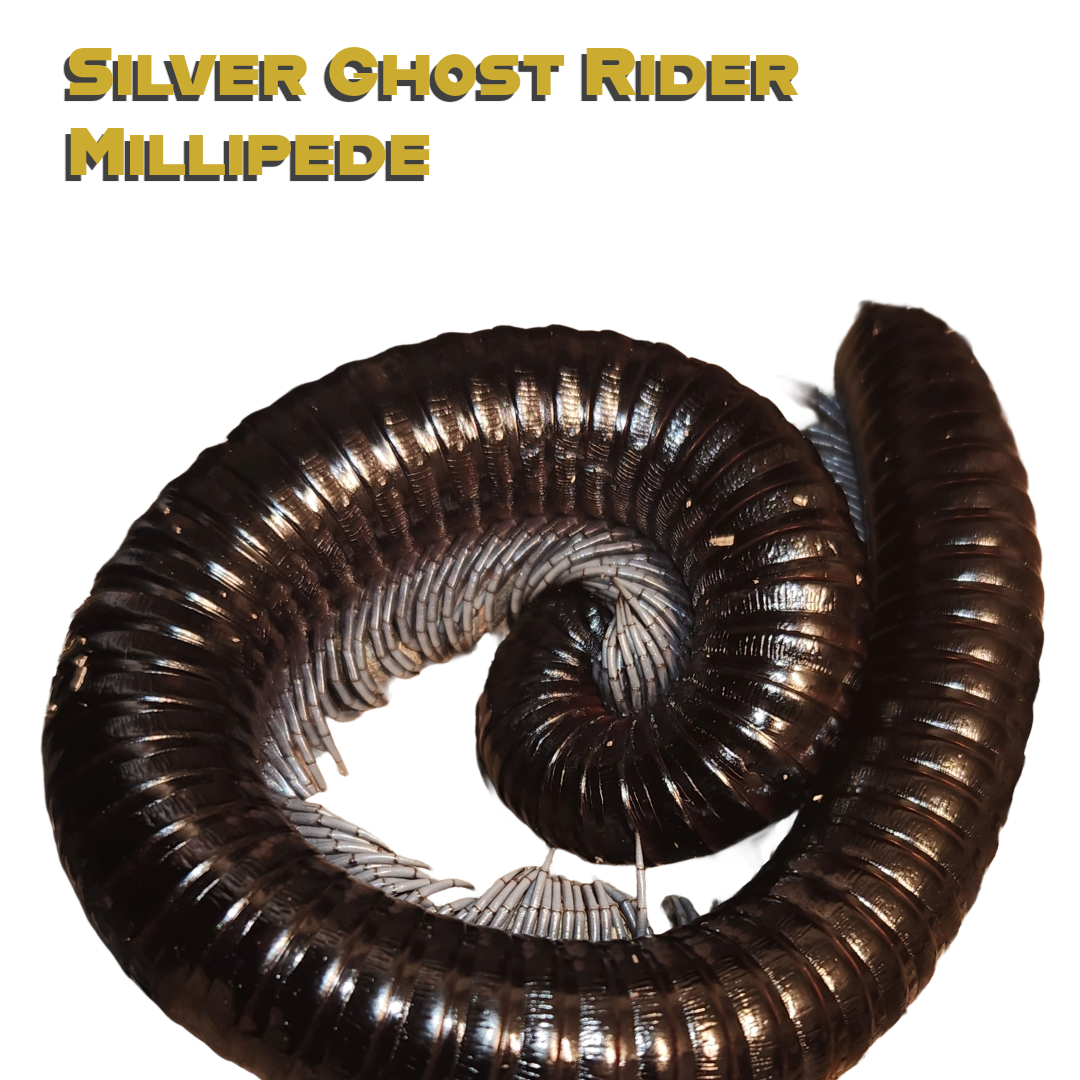
Caring for your Silver Ghost Rider Millipede
The Silver Ghost Rider Millipede is a striking, relatively new species in the invertebrate hobby, originating from the tropical forest floors and leaf litter habitats of East Africa (primarily Tanzania). They are easily recognized by…
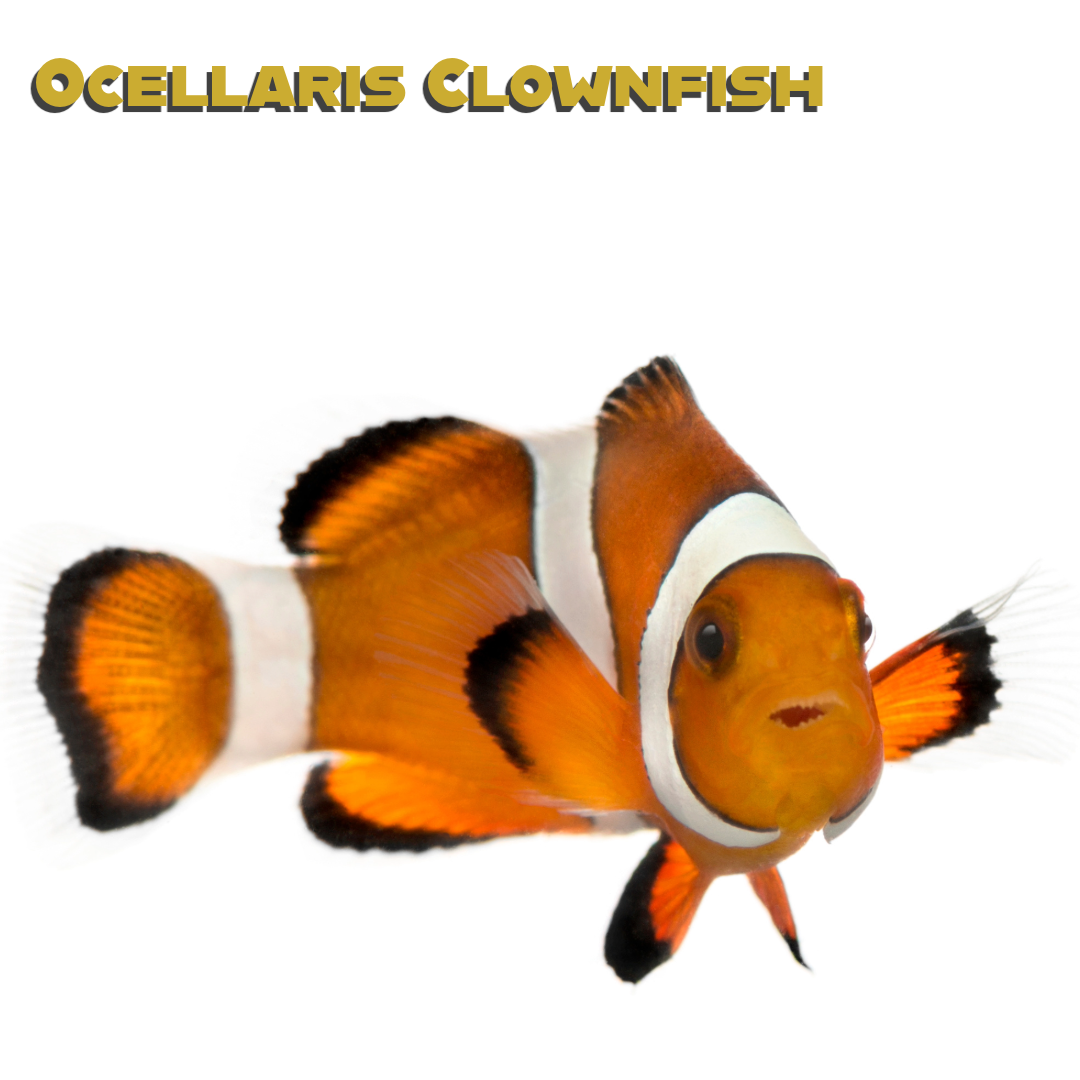
Caring for your Ocellaris Clownfish
The Ocellaris Clownfish, often referred to as the False Percula or Common Clownfish, is a vibrant marine fish native to the warm, shallow waters and sheltered lagoons of the Indo-Pacific region, including northern Australia, Southeast…
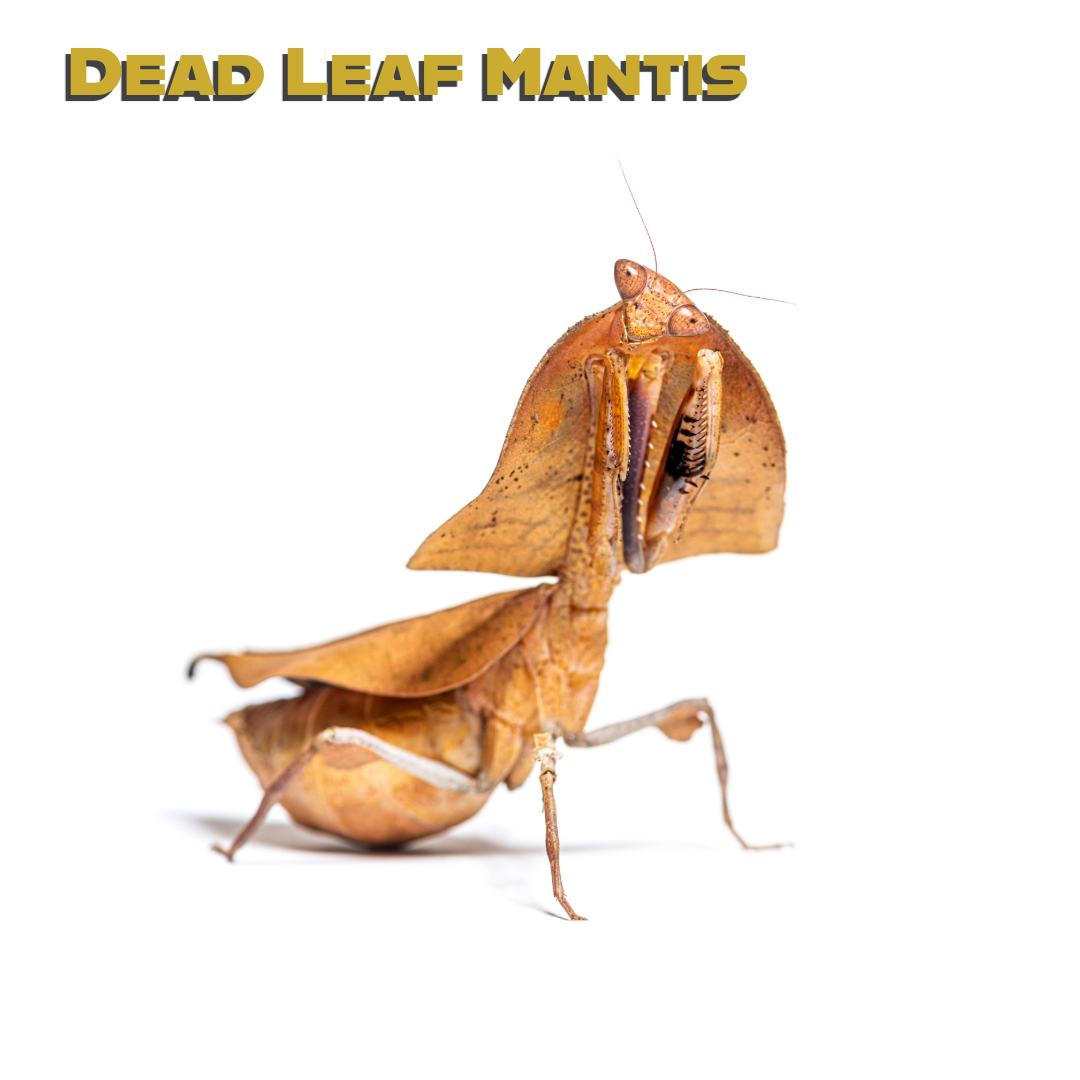
Caring for your Giant Dead Leaf Mantis
The Giant Dead Leaf Mantis is one of the most iconic camouflage artists in the insect world, native to the tropical rainforests and scrublands of Southeast Asia (including Malaysia, Indonesia, and Borneo). This species is famous for its incredible crypsis—its body closely mimics a dried, decaying leaf, complete with irregular jagged edges, mottled brown and tan coloring, and an expansive shield-like…
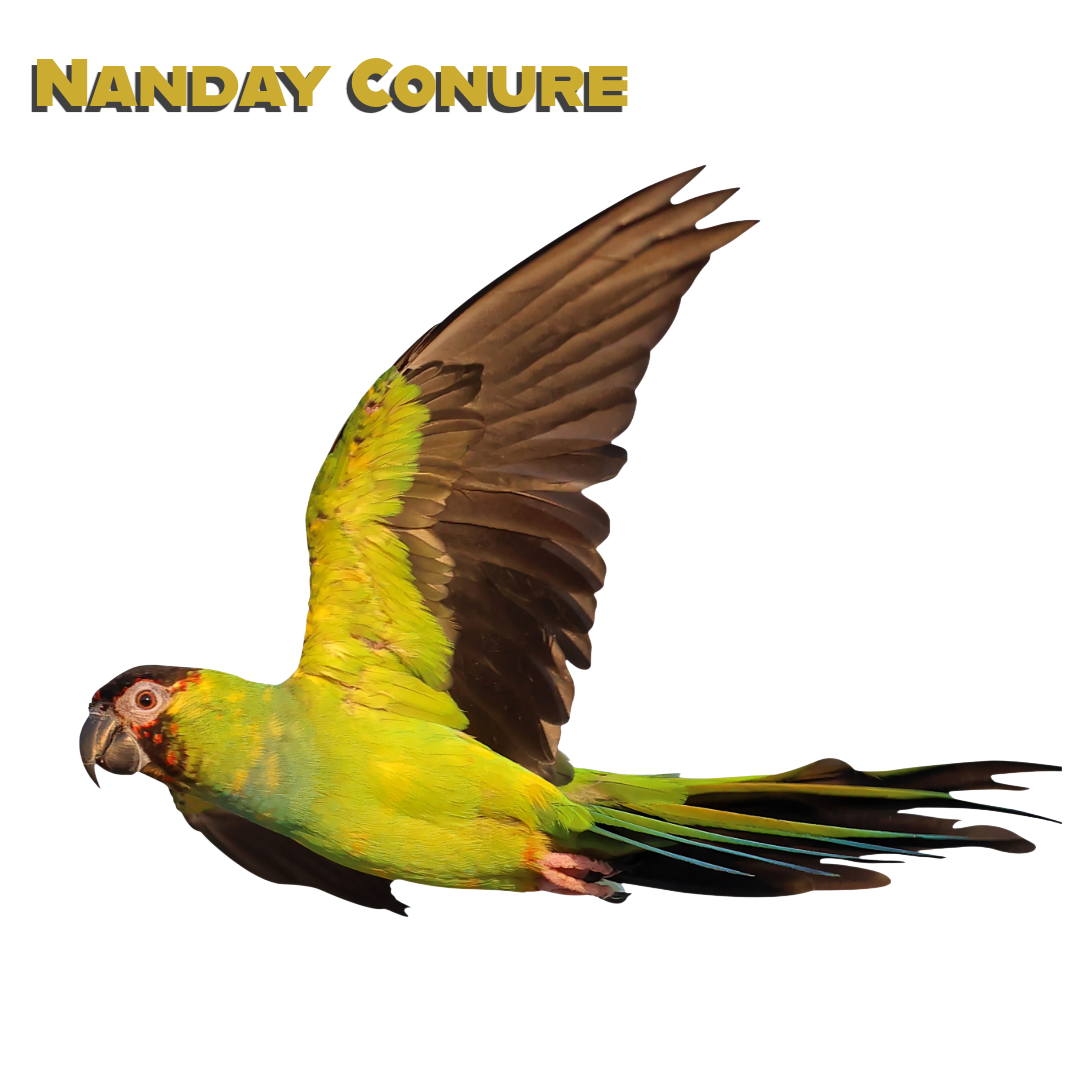
Caring for your Nanday Conure
The Nanday Conure, also known as the Black-Hooded Parakeet, is an energetic and striking medium-sized parrot native to the central regions of South America, spanning Bolivia, Paraguay, northern Argentina, and parts of…
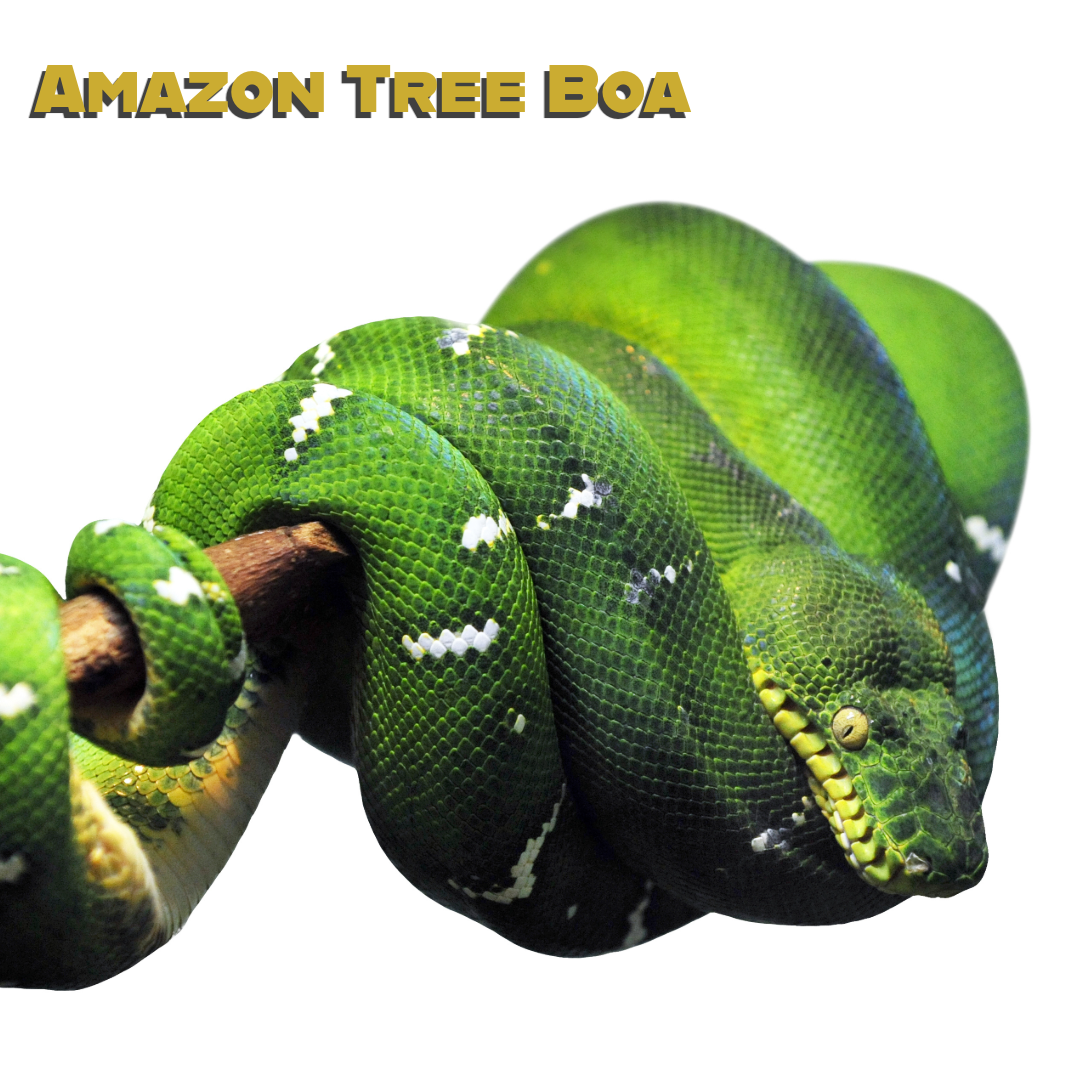
Caring for your Amazon Tree Boa
The Amazon Tree Boa is a highly variable, arboreal snake native to the tropical rainforests of South America, including regions of Brazil and surrounding Amazon Basin countries. This species is known for its incredible range…
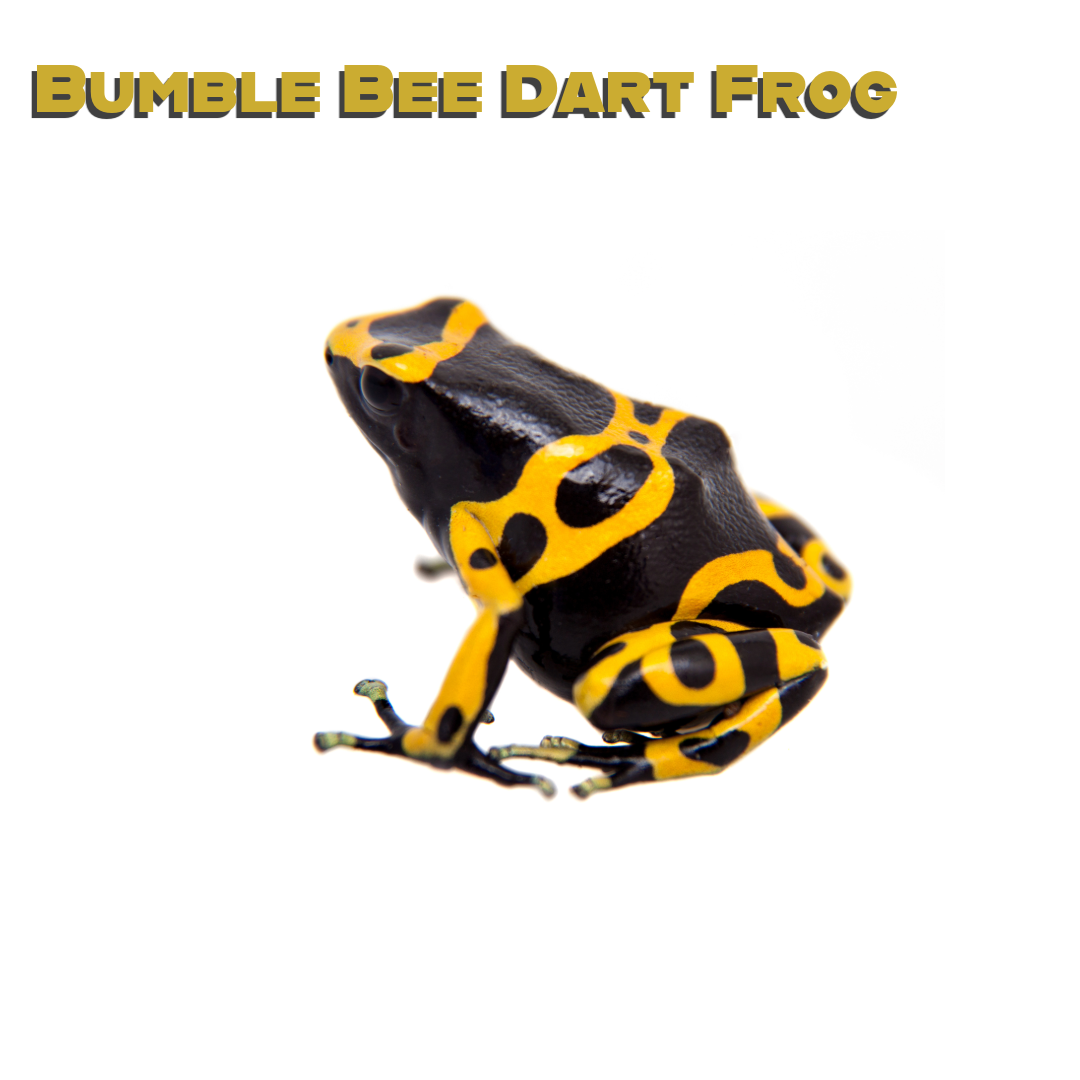
Caring for your Bumble bee Dart FRog
The Bumble Bee Dart Frog is a striking color variety of the Dyeing Poison Dart Frog, native to the tropical forests of northern South America, particularly Suriname and neighboring regions. The Bumble Bee…
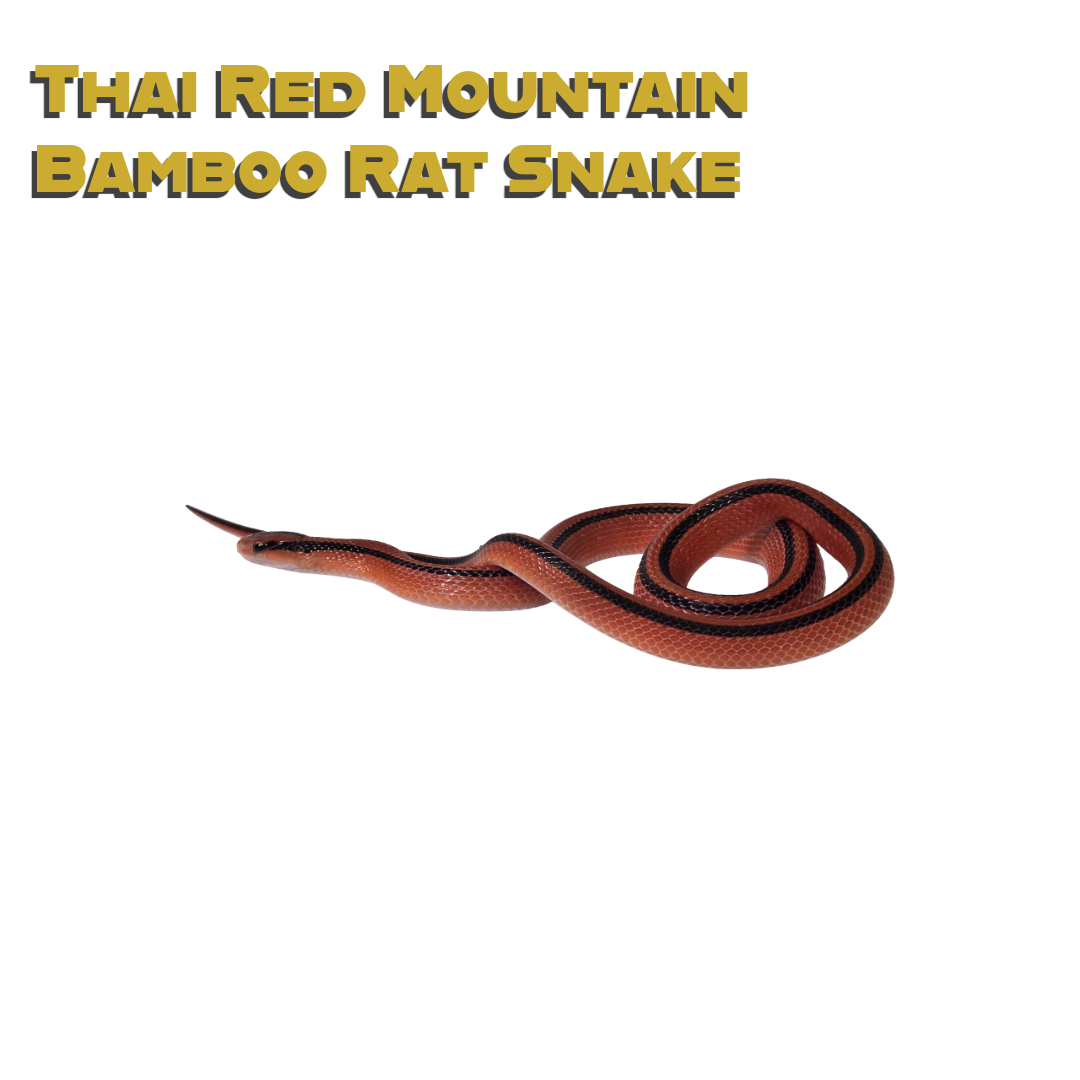
Caring for your Thai Red Mountain Bamboo Rat Snake
The Thai Red Mountain Bamboo Rat Snake is a beautifully colored subspecies of the bamboo rat snake complex, native to mountainous and forested regions of Southeast Asia, particularly in Thailand. This species is known for its vivid red to orange body accented by bold black striping, making it one of the most visually striking colubrids in the…
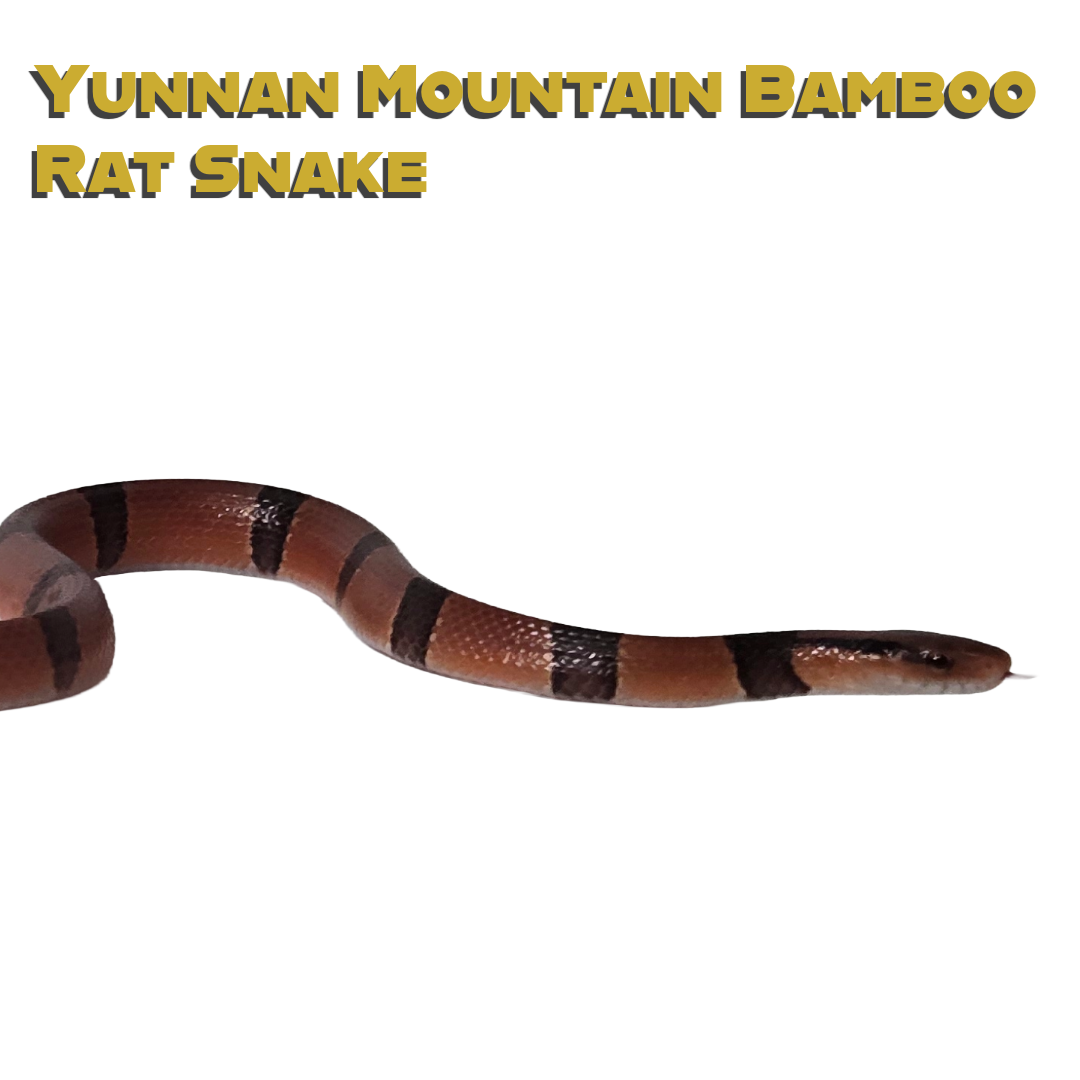
Caring for your Yunnan Mountain Bamboo RAt Snake
The Yunnan Mountain Bamboo Rat Snake is a striking, semi-arboreal snake native to mountainous regions of Southeast Asia, particularly in China (Yunnan Province) and nearby areas. This species is known for its vivid red to orange coloration with bold black striping, making it one of the most visually impressive colubrids in the hobby. Adults typically reach…
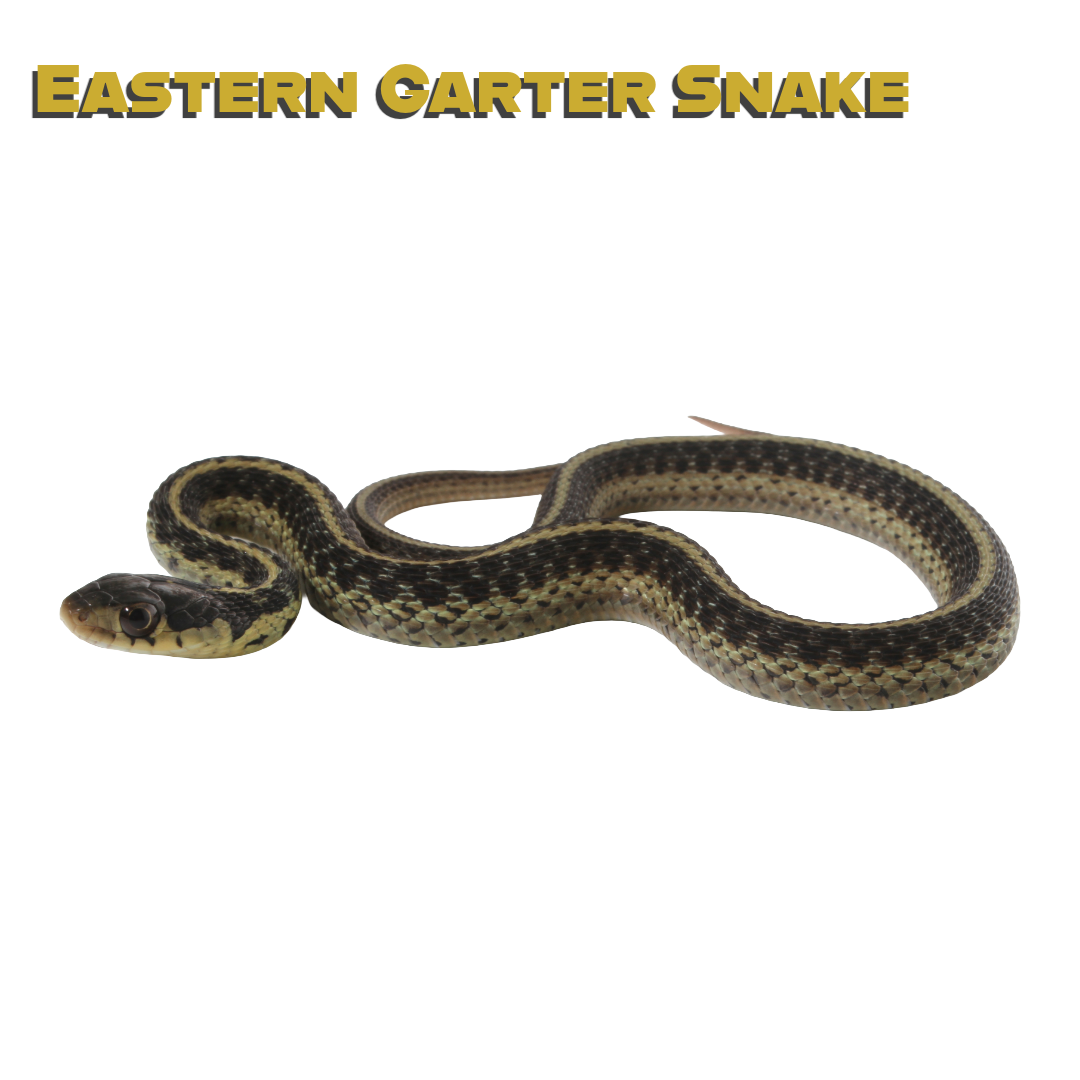
Caring for your Eastern Garter Snake
The Eastern Garter Snake is a small, hardy snake native to much of eastern North America, including widespread areas of United States. Recognized by its slender body and distinctive longitudinal stripes, this species typically grows to 18–30 inches in length. Coloration can vary widely, but most individuals display a combination of green, brown, or black with yellow…
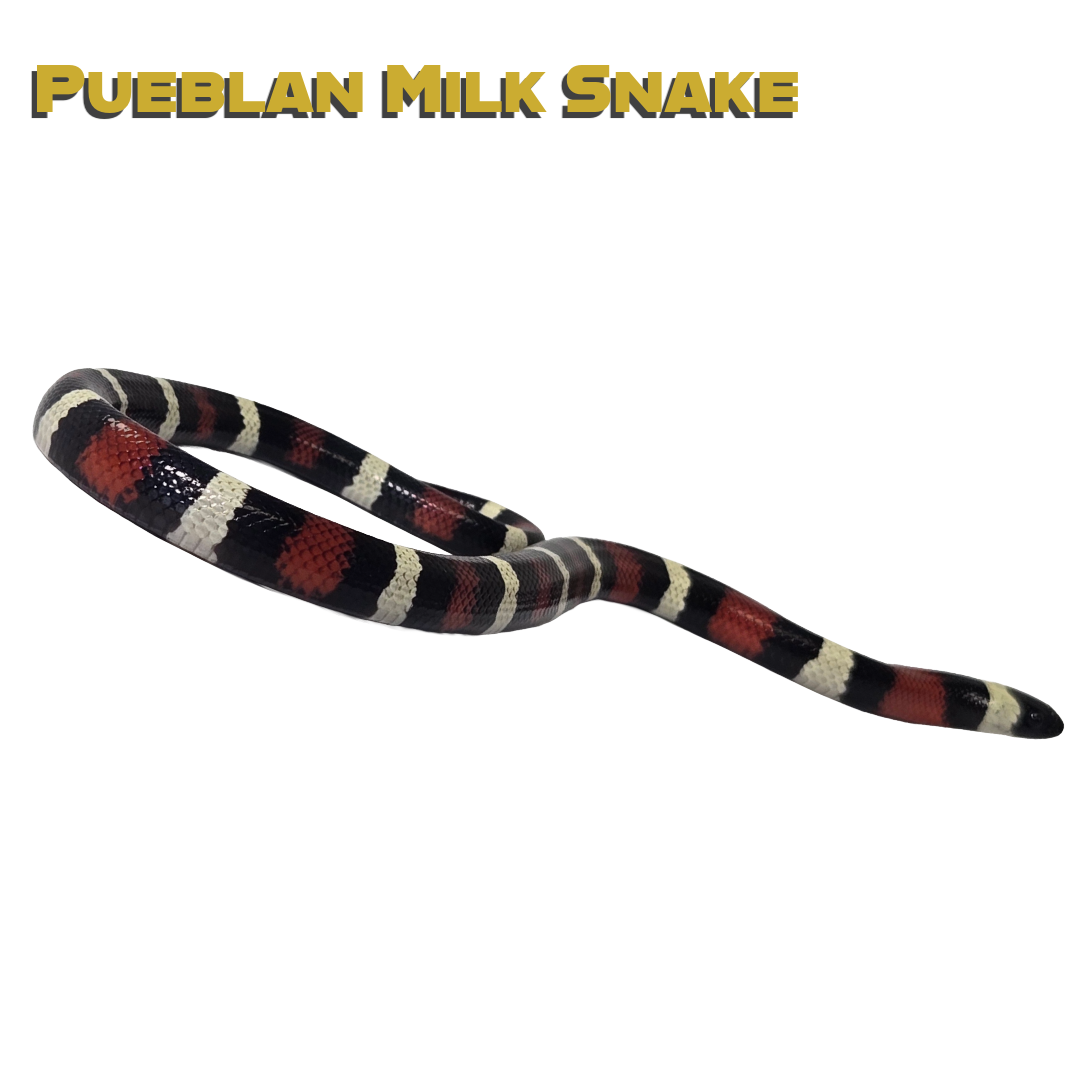
Caring for your Pueblan Milk Snake
The Pueblan Milk Snake is a colorful, non-venomous snake native to central Mexico, particularly in regions of Mexico. This species is known for its bold red, black, and white banding, often resembling the pattern of venomous coral snakes. Adults typically reach 2–4…
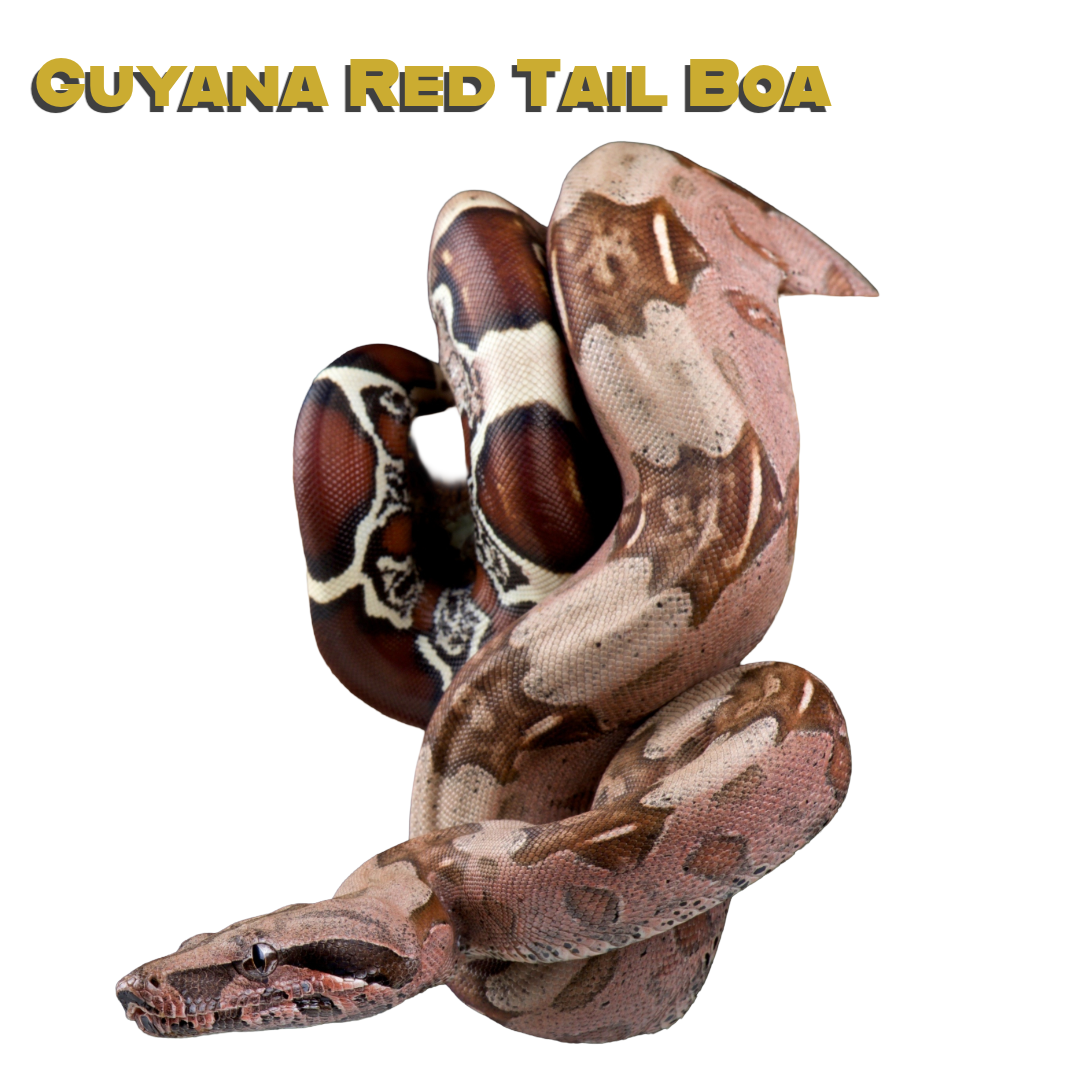
Caring for your Guyana Red Tail Boa
The Guyana Red Tail Boa is a stunning locality of the true red tail boa, native to the tropical forests of northern South America, particularly in Guyana. This species is known for its high-contrast patterning and vivid red tail coloration, which tends to be more intense than other boa…
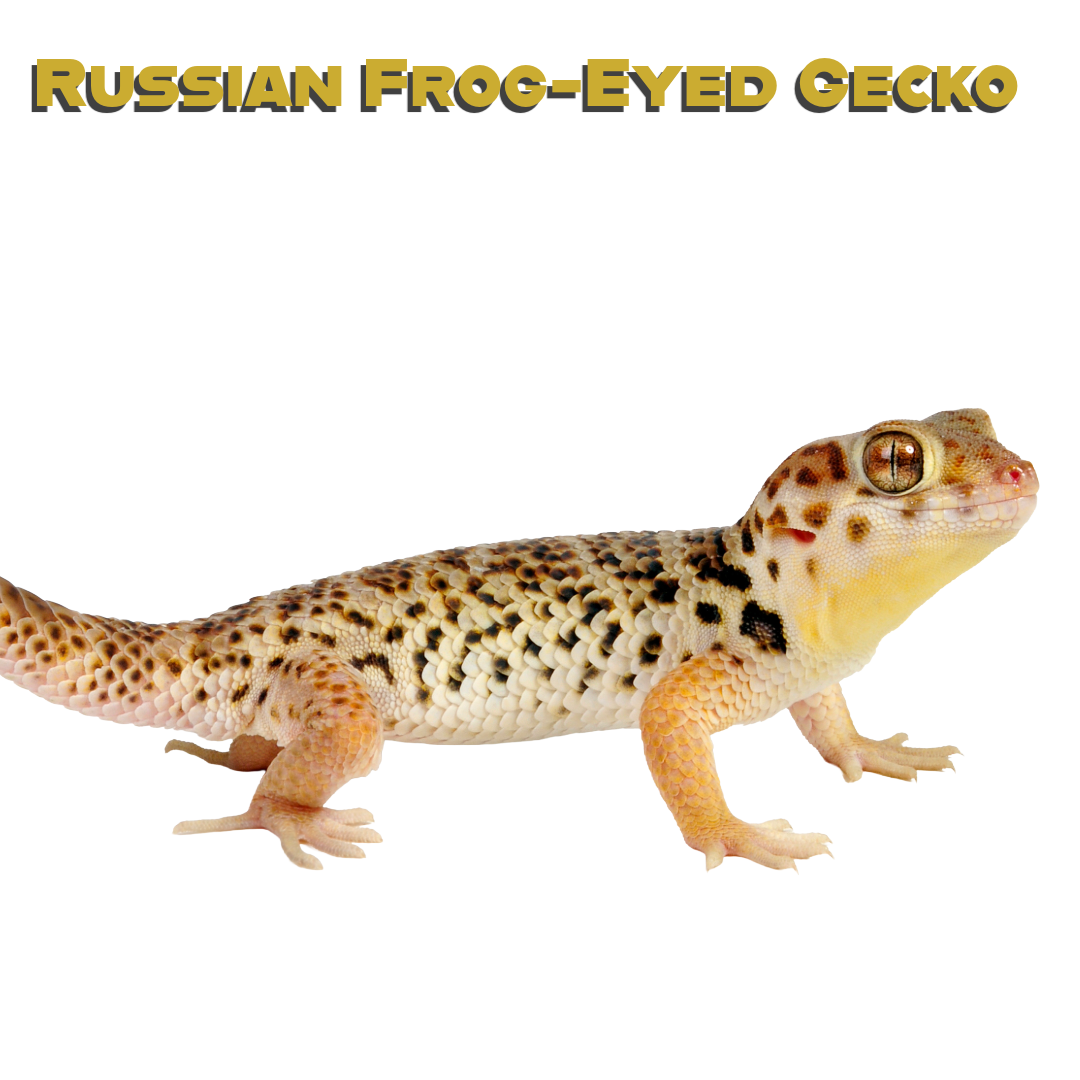
Caring for your Russian Frog-Eyed Gecko
The Russian Frog-Eyed Gecko is a unique, desert-dwelling gecko native to Central Asia, including regions of Kazakhstan, Uzbekistan, and surrounding areas. This species is known for its large, protruding eyes, soft velvety skin, and banded coloration that helps it blend into sandy environments. Adults typically reach 5–6 inches in…
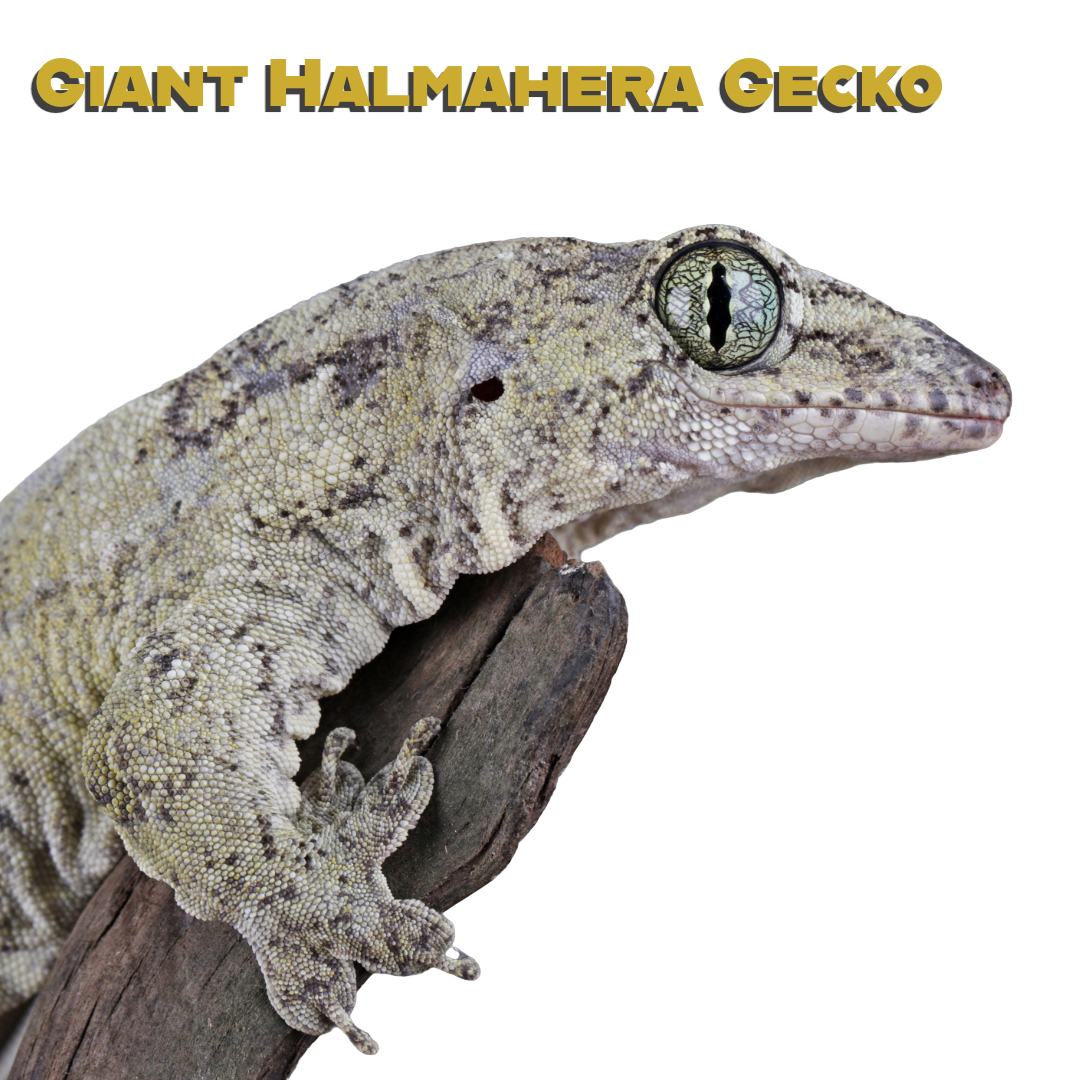
Caring for your Giant Halmahera Gecko
The Giant Halmahera Gecko is a large, nocturnal gecko species native to the tropical rainforests of Indonesia, particularly the Halmahera Islands. This species is known for its impressive size, reaching 10–14 inches in total length, and its mottled gray, brown, and cream coloration…
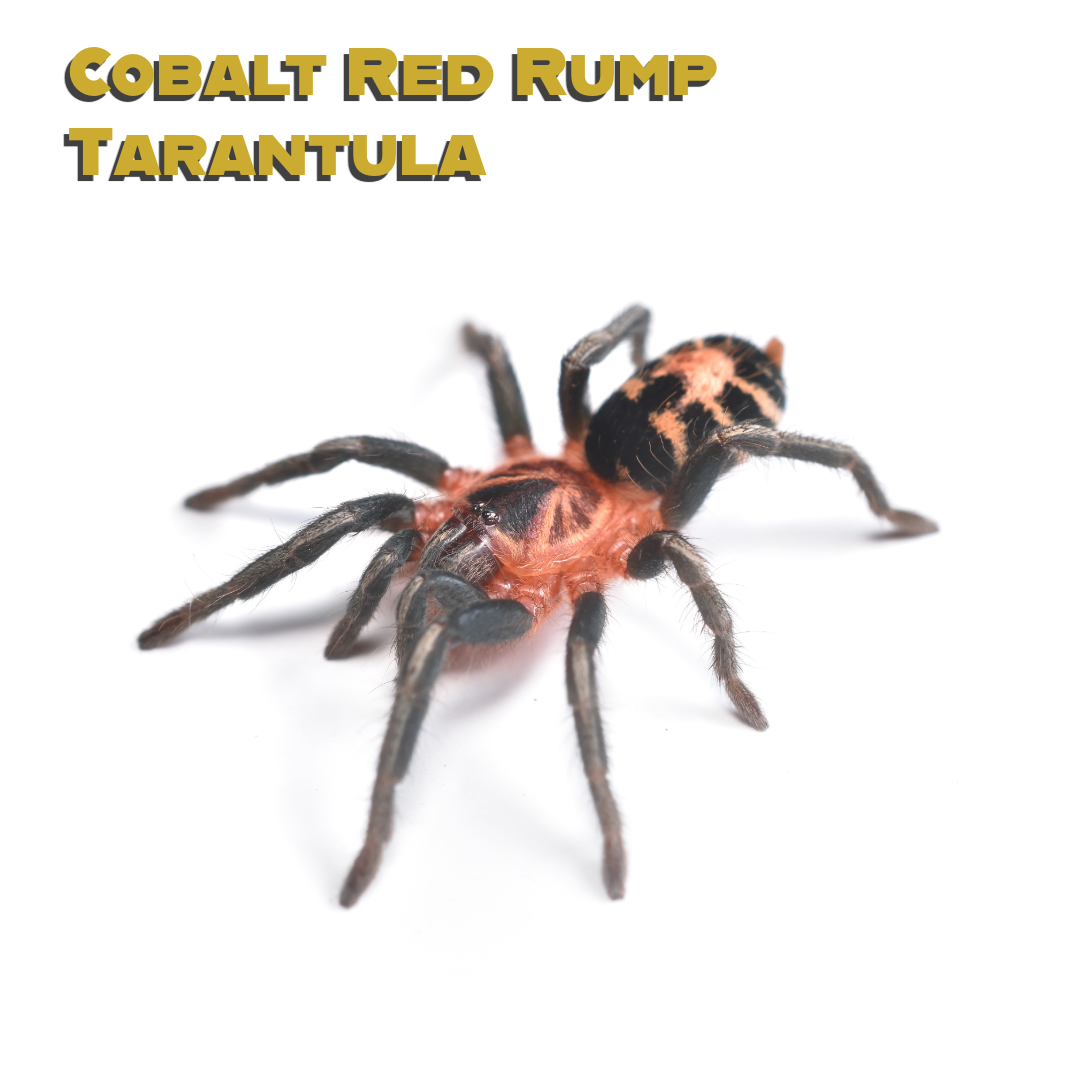
Caring for your Cobalt Red Rump Tarantula
The Cobalt Red Rump Tarantula is a small but vividly colored tarantula species native to tropical regions of northern South America, particularly in areas of Venezuela. This species is known for its striking appearance, featuring a dark body with metallic blue tones on the legs and a bright red abdomen marked with bold black patterning. Adults typically reach only…
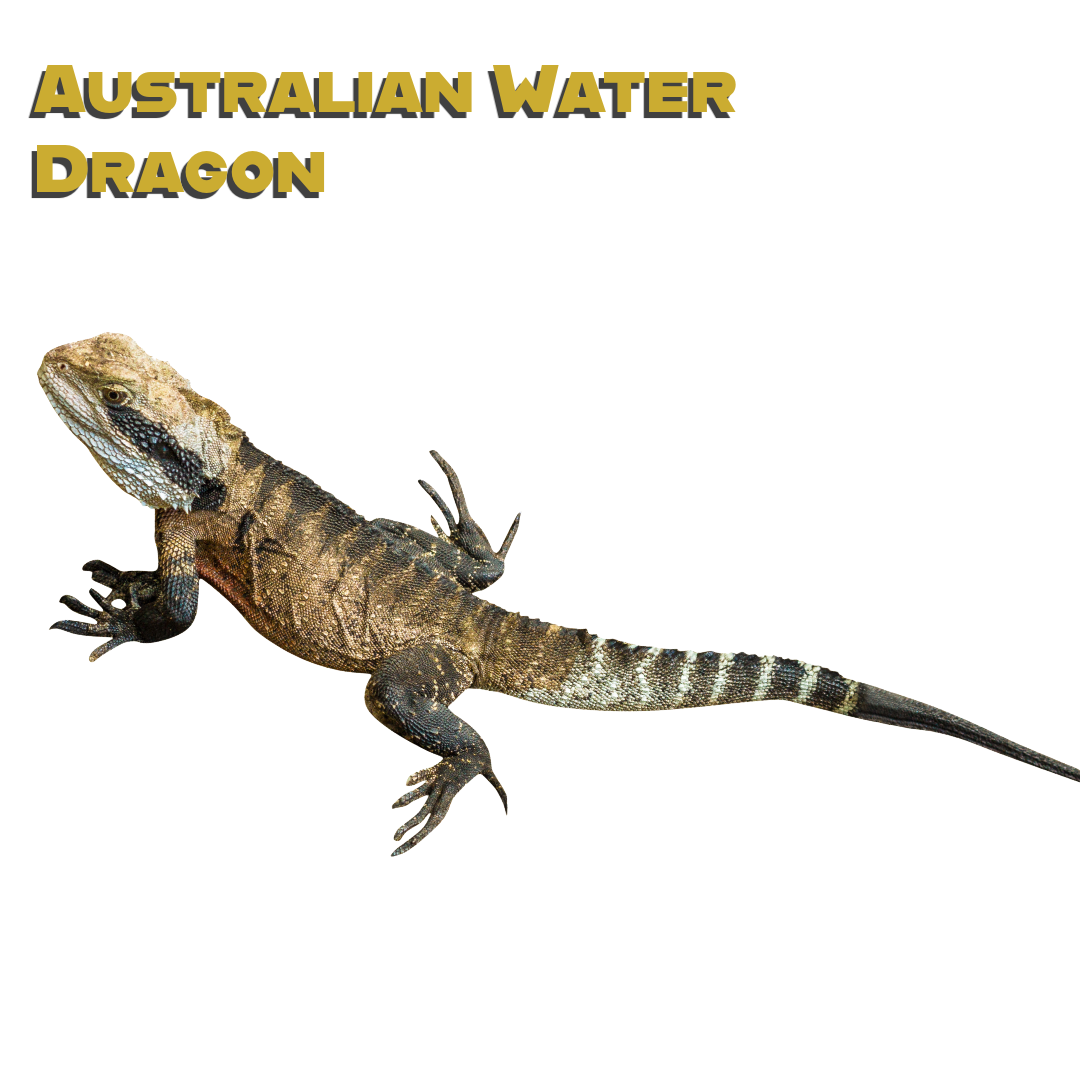
Caring for your Australian Water Dragon
The Australian Water Dragon is a large, semi-aquatic lizard native to eastern Australia, commonly found along rivers, streams, and forested areas. This species is known for its long tail, muscular build, and striking appearance, often featuring green to brown coloration with darker banding. Adult males can reach 2–3 feet in total length, with much of…
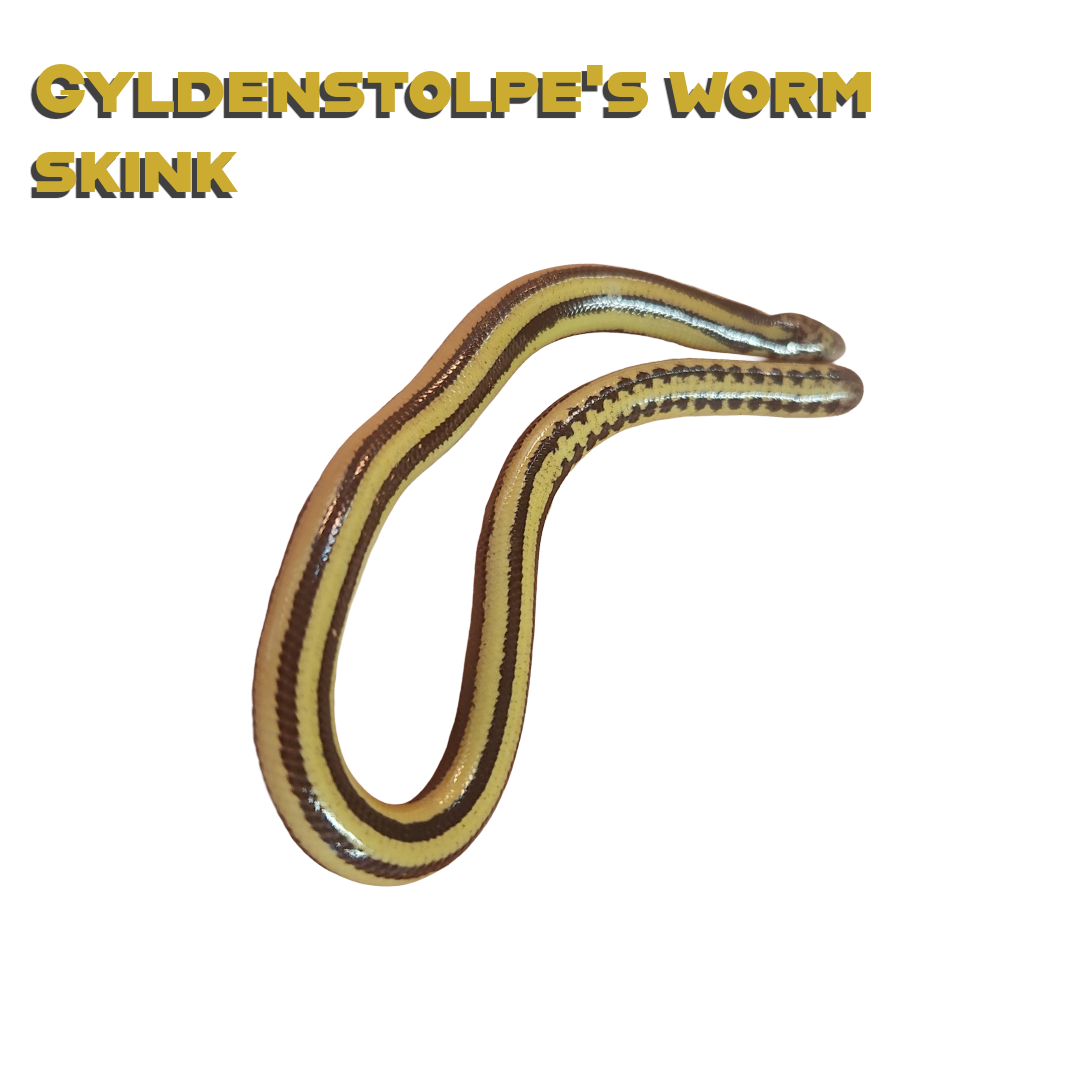
Caring for your Gyldenstolpe's worm skink
Gyldenstolpe’s Worm Skink is a small, fossorial lizard species native to Southeast Asia, particularly in regions of Thailand. This species has a smooth, elongated body with reduced limbs, giving it a worm- or snake-like appearance. Adults typically reach around 4–6 …
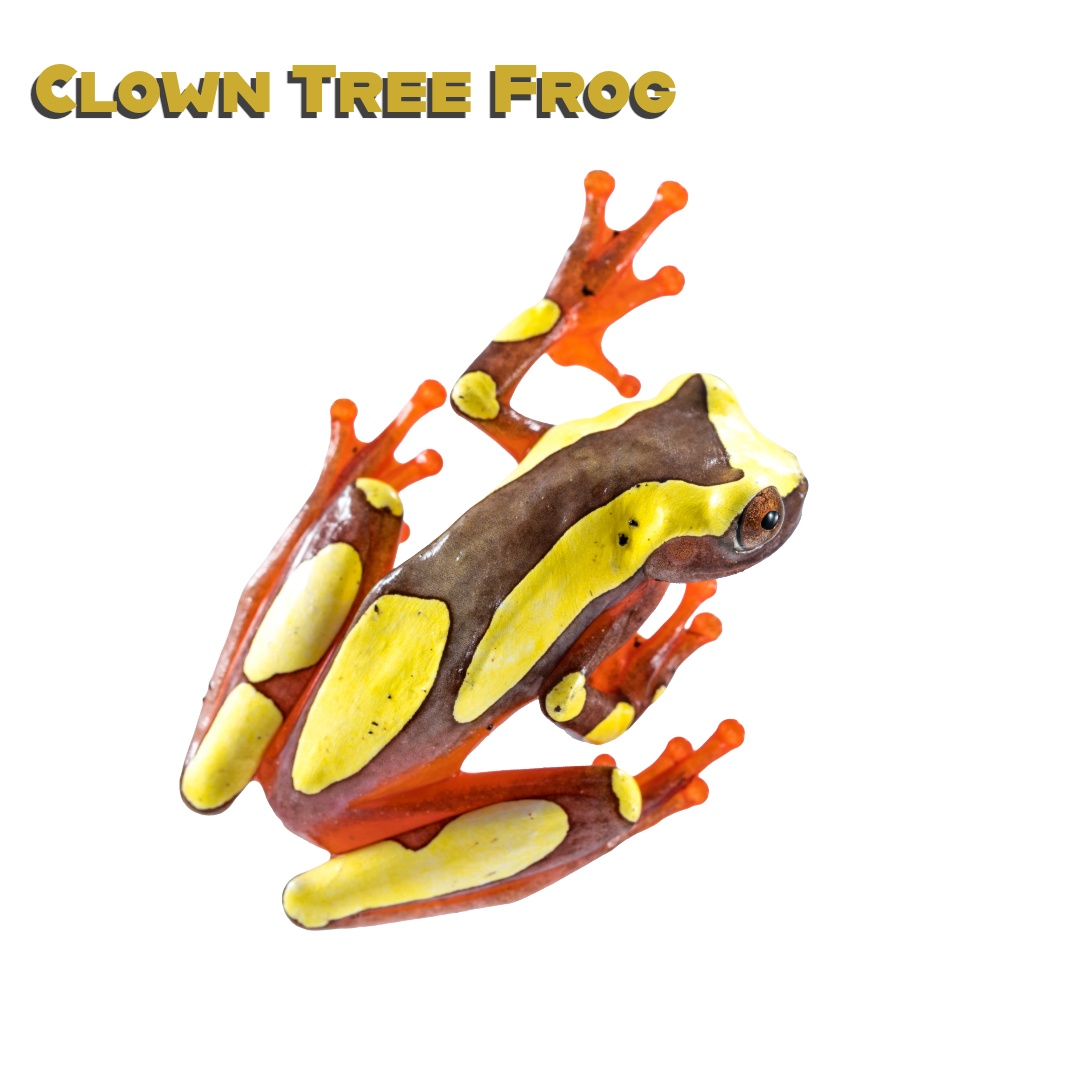
Caring for your Clown Tree Frog
The Clown Tree Frog is a small, brightly patterned arboreal frog native to tropical regions of South America, particularly in areas of Brazil and surrounding Amazon Basin countries. This species is known for its bold coloration, typically featuring a mix of cream, yellow, orange, and black…
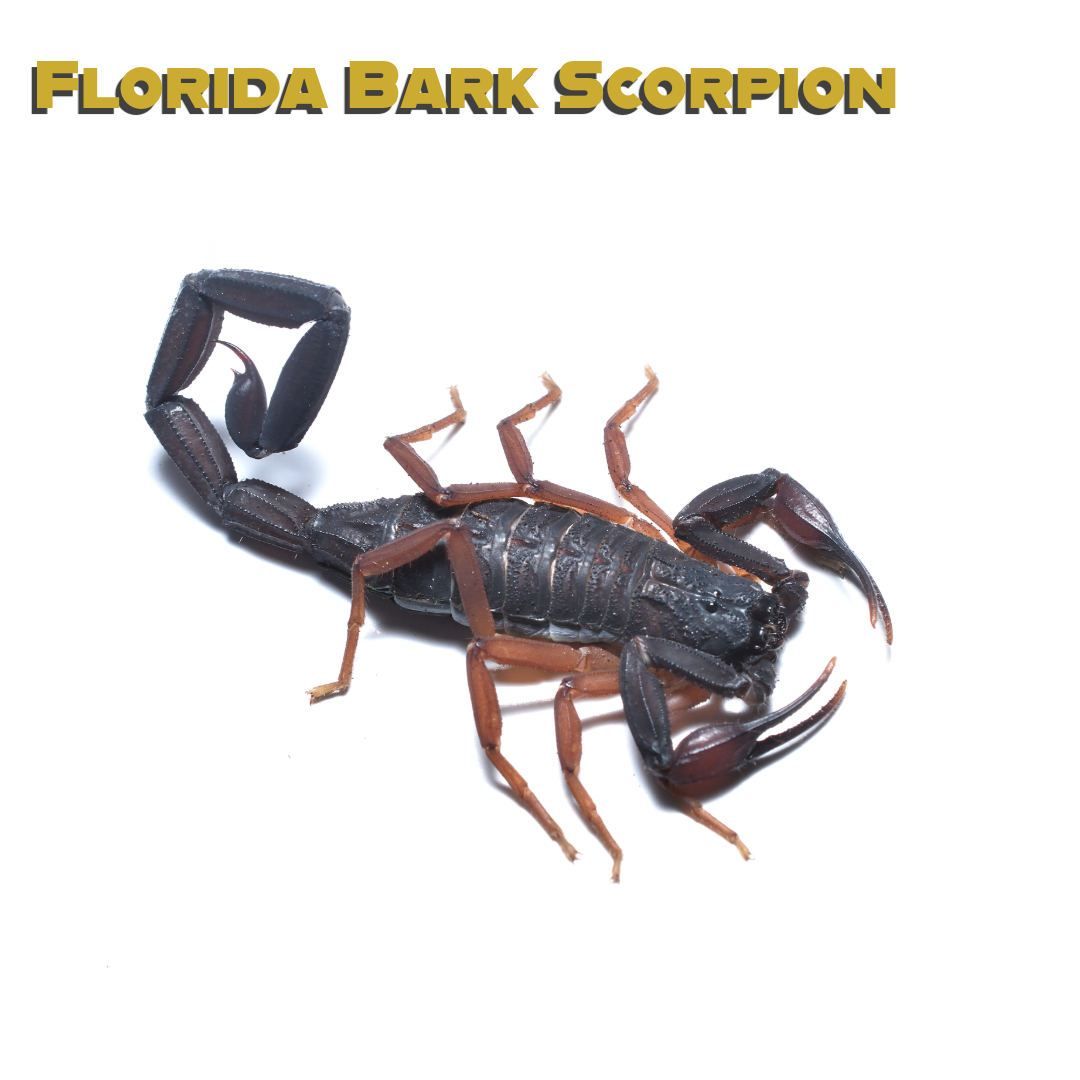
Caring for your Florida Bark Scorpion
The Florida Bark Scorpion is a slender, arboreal scorpion species native to the southeastern United States, Central America, and parts of the Caribbean, including regions…