

Use the search feature to find your pet’s care sheet!
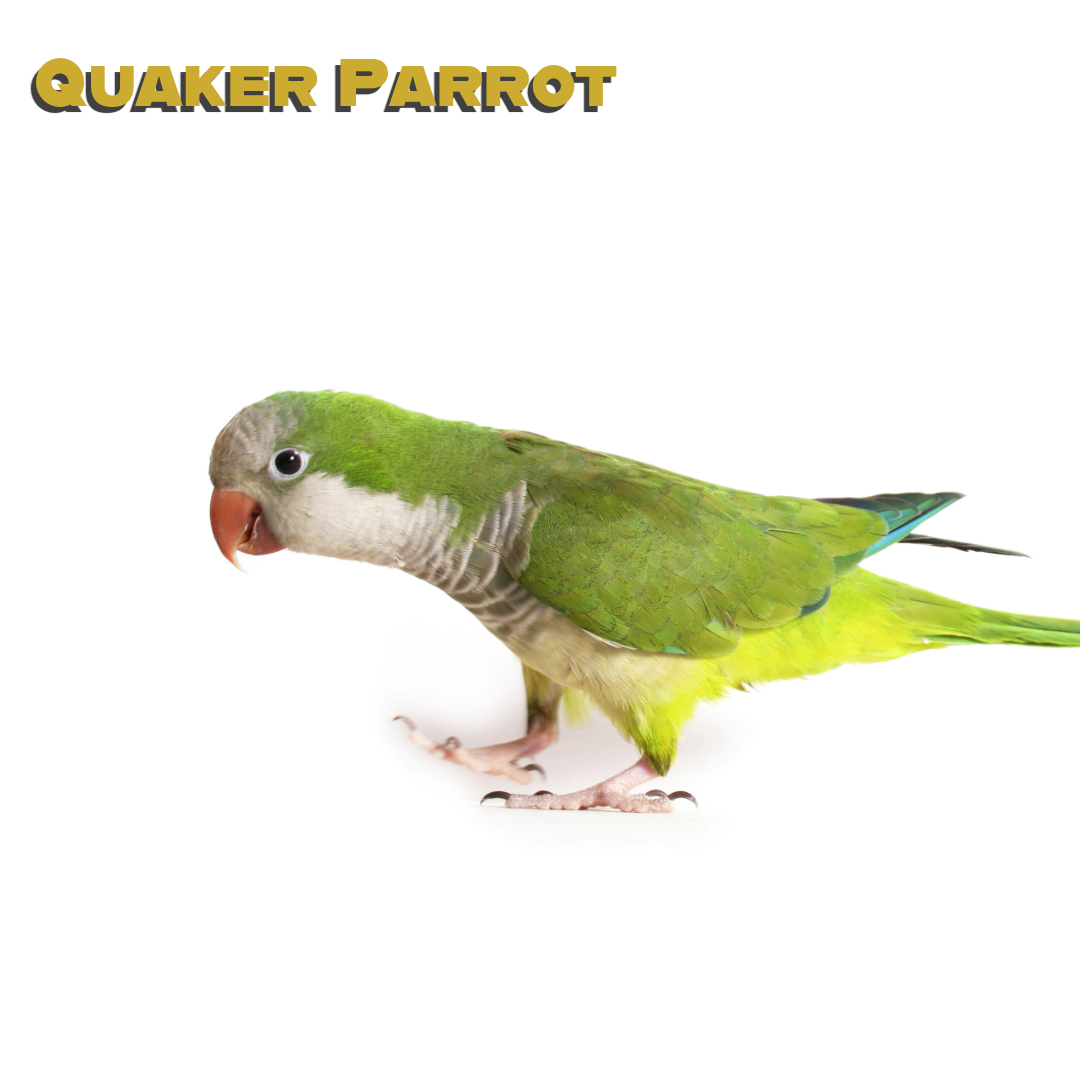
Caring for your Quaker Parrot
Quaker Parrots are highly intelligent, social birds known for their ability to mimic speech and sounds. They are unique among parrots for building large, communal stick nests in the wild. In captivity, they are active, curious, and often develop strong bonds…

Caring for your Russian Tortoise
The Russian Tortoise, also known as the Horsfield’s Tortoise, is a small, hardy tortoise species native to arid regions of Central Asia, including countries like Afghanistan, Uzbekistan, and Kazakhstan. These tortoises are well adapted to dry, seasonal environments and are known for their active, burrowing…

Caring for your Candy Corn Pill Millipede
The Candy Corn Pill Millipede is a visually striking millipede known for its bright orange and black banding, resembling the colors of candy corn. Native to tropical regions of Southeast Asia, including Thailand, these millipedes are part of a group known for their ability to roll into a tight ball when threatened—similar to pill bugs. Adults typically reach 2–3 inches…

Caring for your Springtails
Springtails are tiny, soil-dwelling microarthropods found worldwide, including across North America. While often mistaken for insects, they belong to their own unique group (Collembola). Most species…
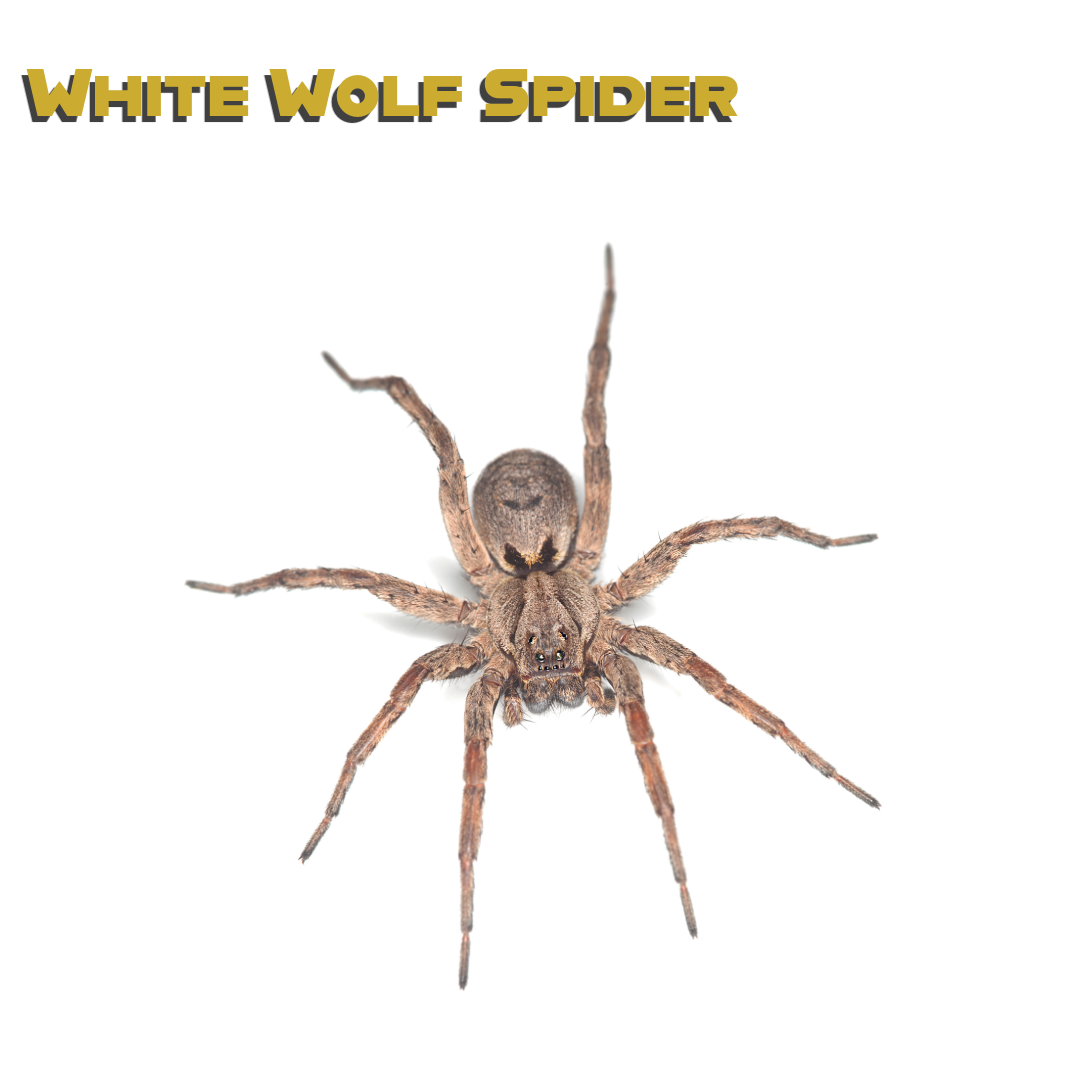
Caring for your White Wolf Spider
The White Wolf Spider is a fast-moving, ground-dwelling arachnid found in various regions across North America, including parts of the eastern United States such as Pennsylvania. The name “white wolf spider” is often used in the pet trade to describe lighter-colored wolf spider species with pale or silvery markings. Adults typically reach 1–2 inches in body length, with…
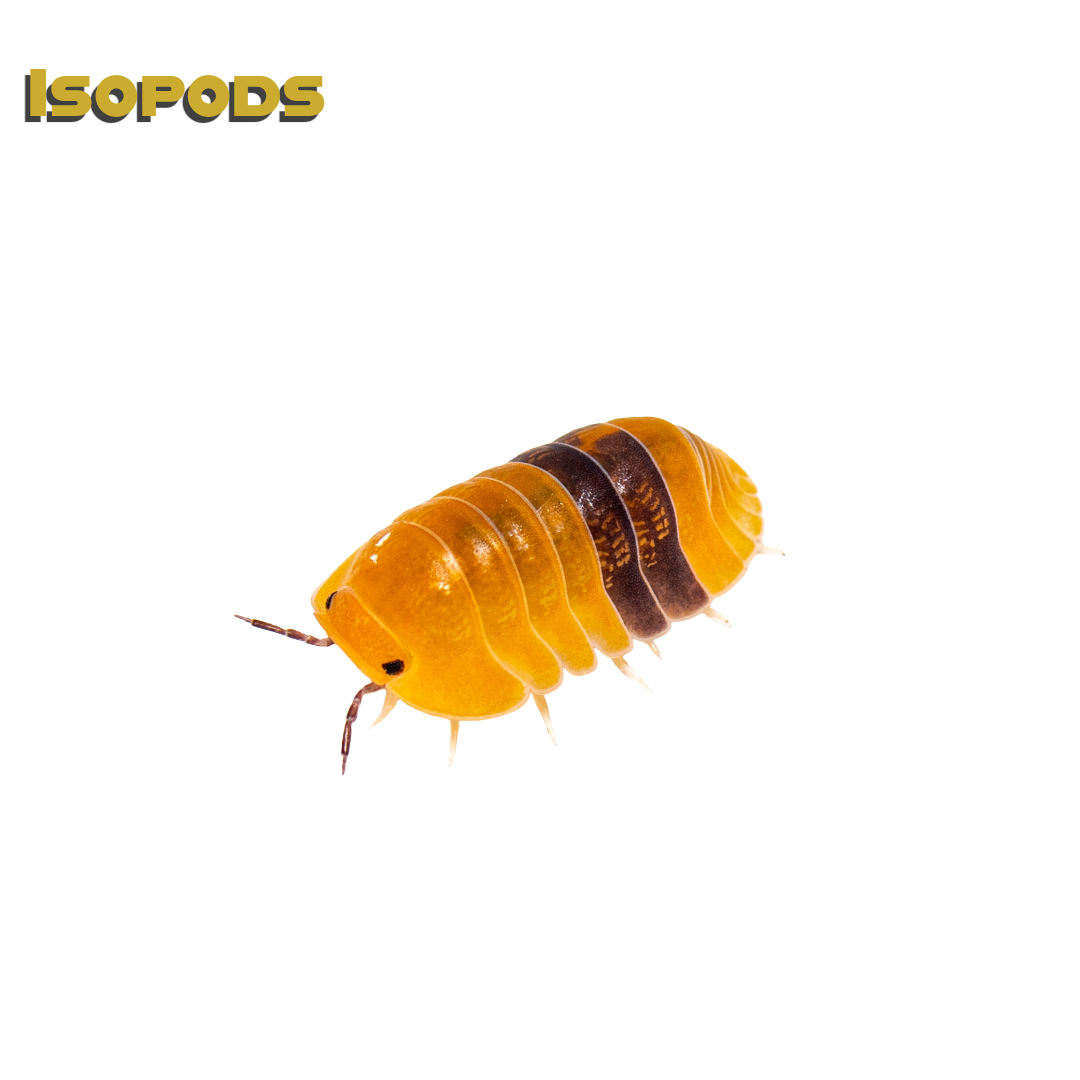
Caring for your Isopods
Isopods are small terrestrial crustaceans commonly known as “roly-polies” or “pill bugs,” native to many regions around the world, including Europe and parts of North America. In the reptile and invertebrate hobby, they are widely kept both as pets and as part of bioactive cleanup crews. Depending on the species, isopods typically range from 0.25 to 1 inch in…
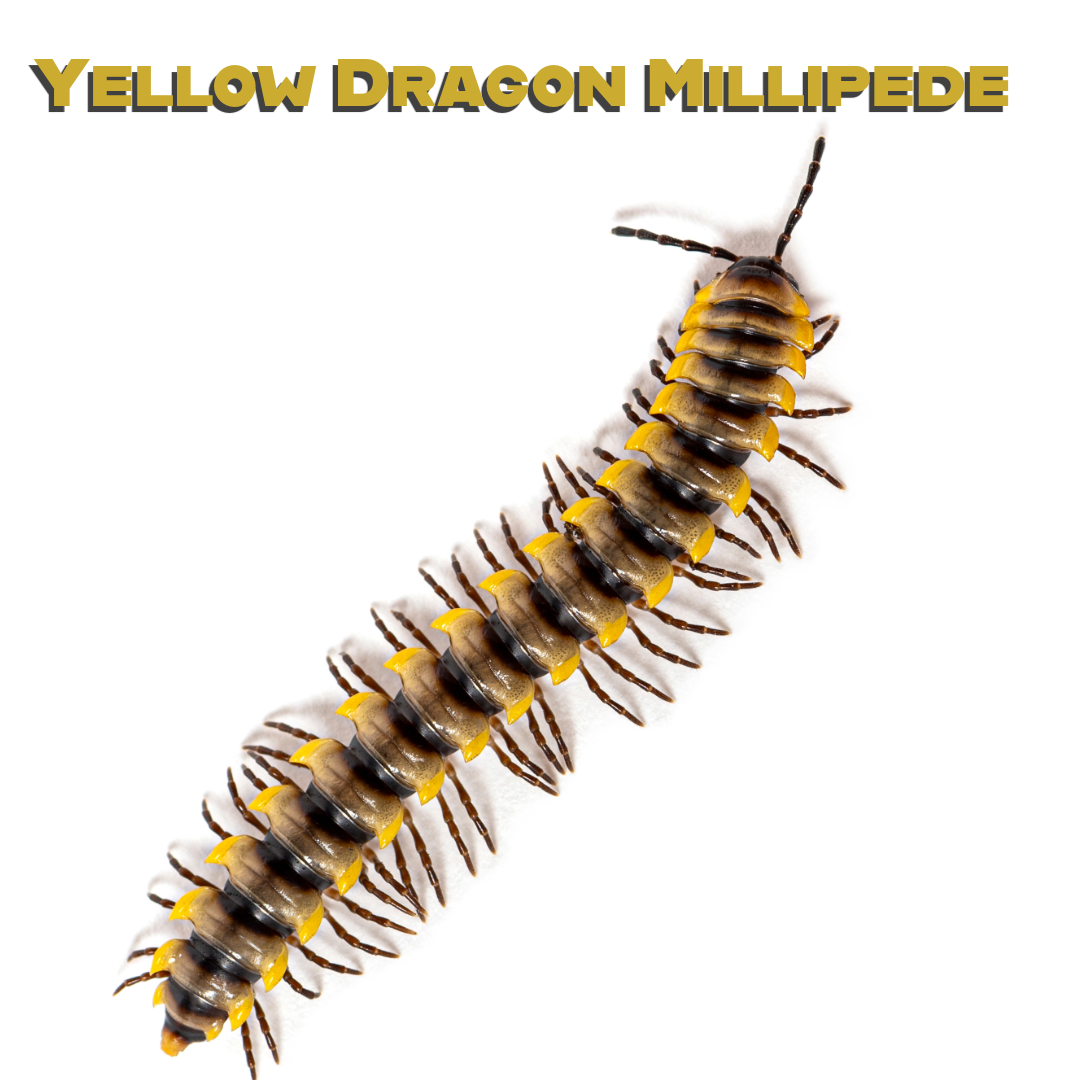
Caring for your Yellow Dragon Millipede
The Yellow Dragon Millipede is a striking, brightly colored millipede native to Southeast Asia, particularly regions of Thailand. Known for their vivid yellow coloration and spiky, dragon-like body projections, these millipedes are a popular display invertebrate. Adults typically…
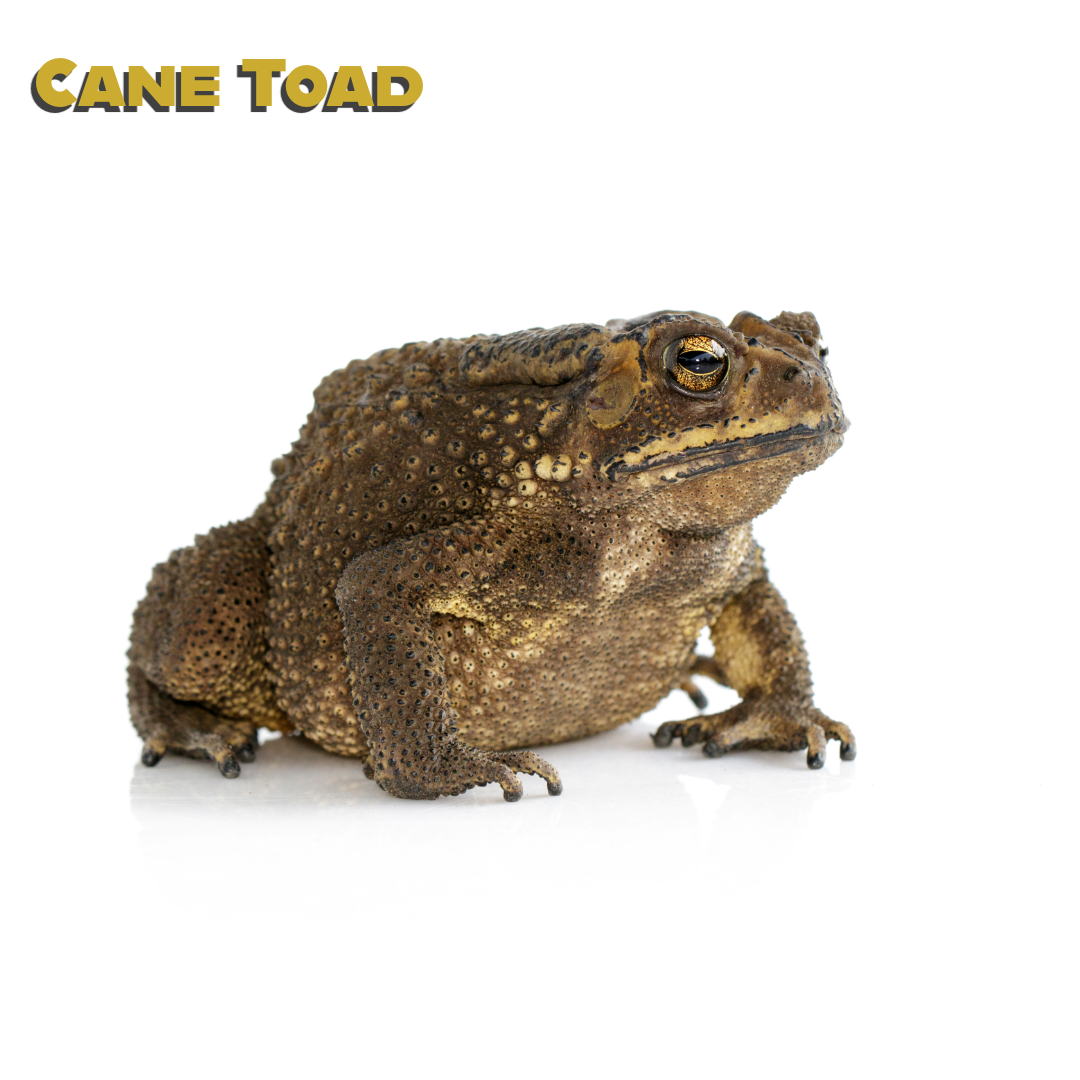
Caring for your Cane Toad
The Eastern Spadefoot Toad is a unique, burrowing amphibian native to the eastern United States, including much of the southeastern region such as Florida and up through parts of the Mid-Atlantic. Despite their name, they are more closely related to spadefoots than true toads and are known for the distinctive spade-like structures on their hind feet used…

Caring for your Umbrella Cockatoo
The Umbrella Cockatoo is a large, highly intelligent parrot native to tropical regions of Indonesia, particularly the islands of Indonesia. Named for their impressive white crest that fans open like an umbrella, these birds are known for their affectionate nature and strong desire for attention. Adults typically reach 18–20 inches in length with a powerful build…
Caring for your Eastern Spadefoot Toad
The Cane Toad is a large, terrestrial amphibian native to Central and South America but widely introduced to other regions, including parts of Australia. Known for their rugged, warty appearance and impressive size, adults can reach 4–9 inches in length. Cane Toads are nocturnal and spend much of their time hiding during the day, emerging at night to hunt insects and…
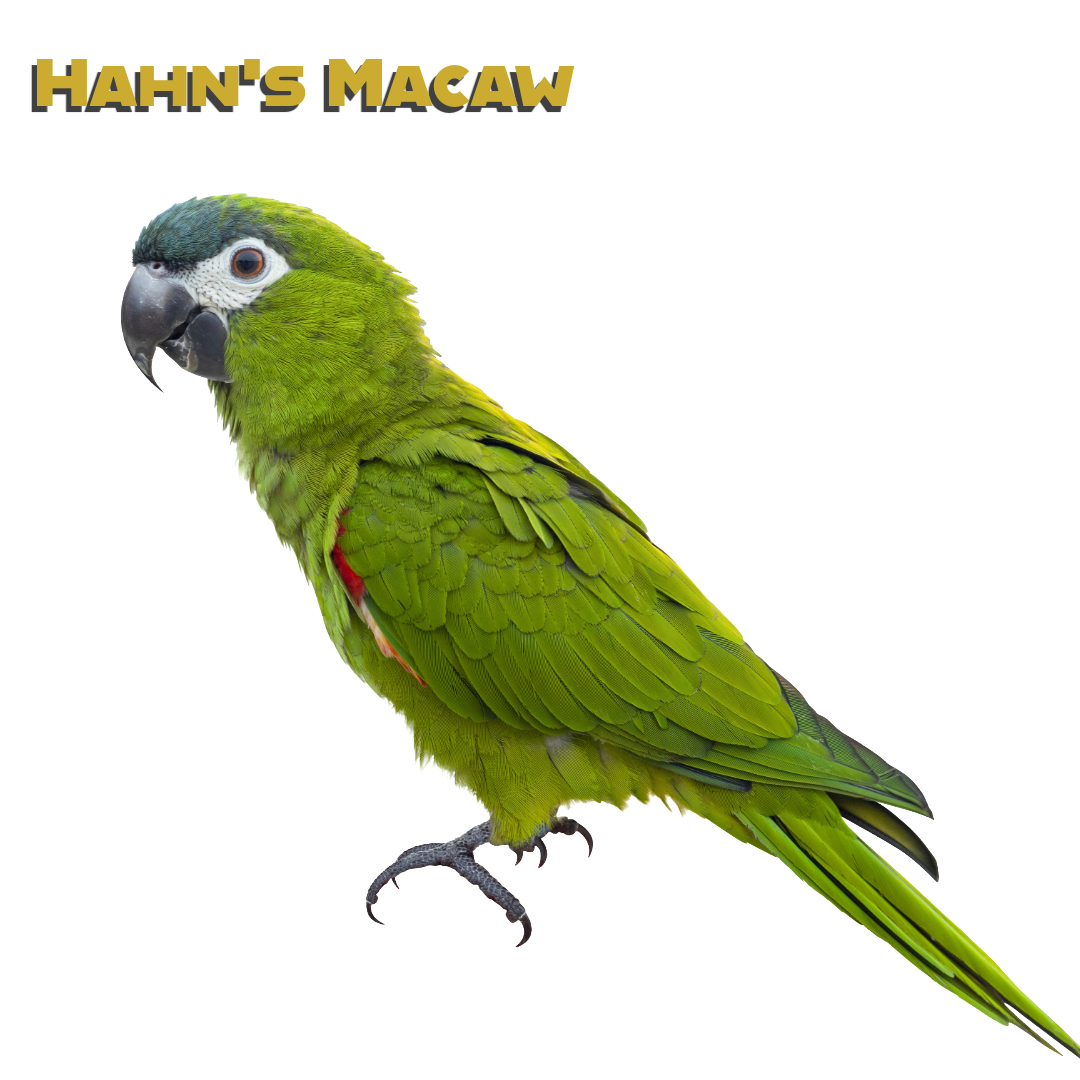
Caring for your Hahn’s MAcaw
The Hahn’s Macaw, also known as the Red-Shouldered Macaw, is the smallest species of macaw and is native to northern regions of South America, including parts of Brazil, Venezuela, and Guyana. Adults typically reach about 12–14 inches in length. Despite their smaller size, Hahn’s Macaws have the bold personality…
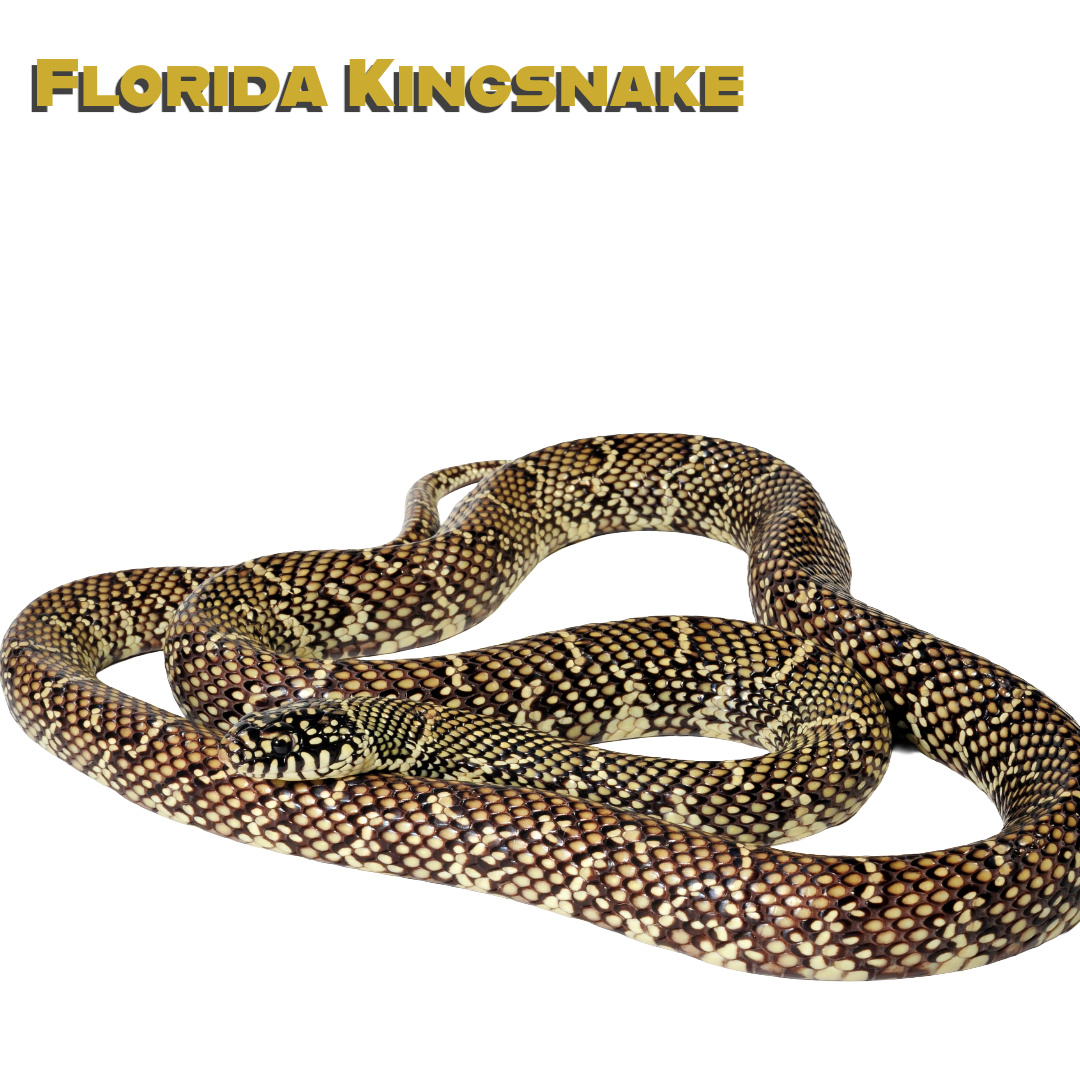
Caring for Florida king Snake
The Brazilian Rainbow Boa is a beautifully colored, medium-sized snake native to the tropical rainforests of Brazil and surrounding regions of South America. This species is best known for its incredible iridescence, which creates a rainbow-like sheen across its scales under the right lighting. Adults typically reach 4–6 feet in length and have a moderately thick, muscular build. They are primarily nocturnal…
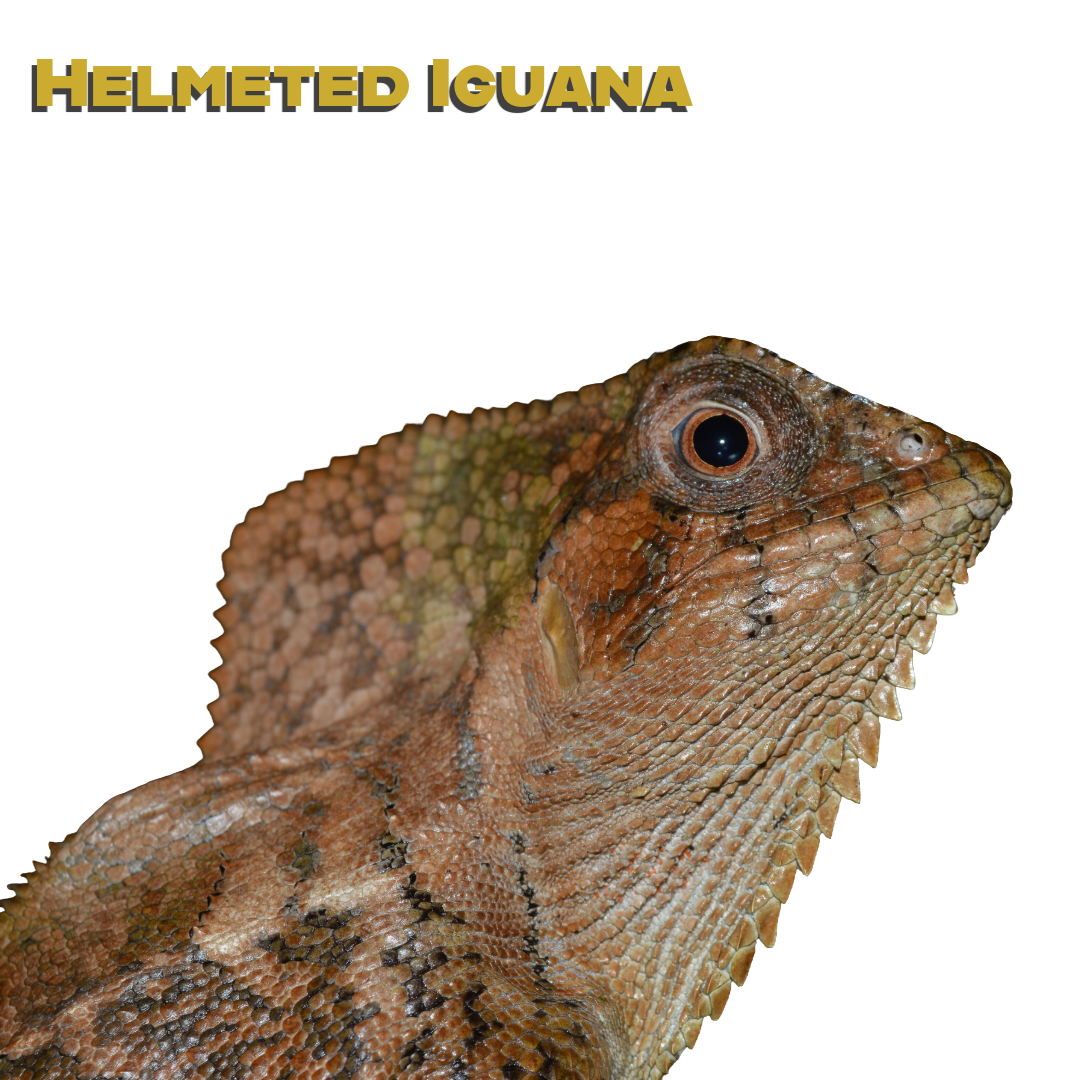
Helmeted iguana Care
The Helmeted Iguana, also known as the casque-headed lizard, is a unique arboreal reptile native to the tropical rainforests of Central America, including regions of Costa Rica and Panama. This species is named for the prominent casque (helmet-like structure) on its head, which gives it a prehistoric appearance. Adults typically reach 8–12 inches in total length, with much of that…

Leaf-Tailed Gecko Care
Leaf-Tailed Geckos are a group of highly specialized, arboreal geckos native to the rainforests of Madagascar. Known for their incredible camouflage, these geckos mimic dead leaves, bark, and lichen, making them nearly invisible in their natural habitat. Depending on the species, adults can range from 4 inches to over 12 inches in total length. They are strictly nocturnal…
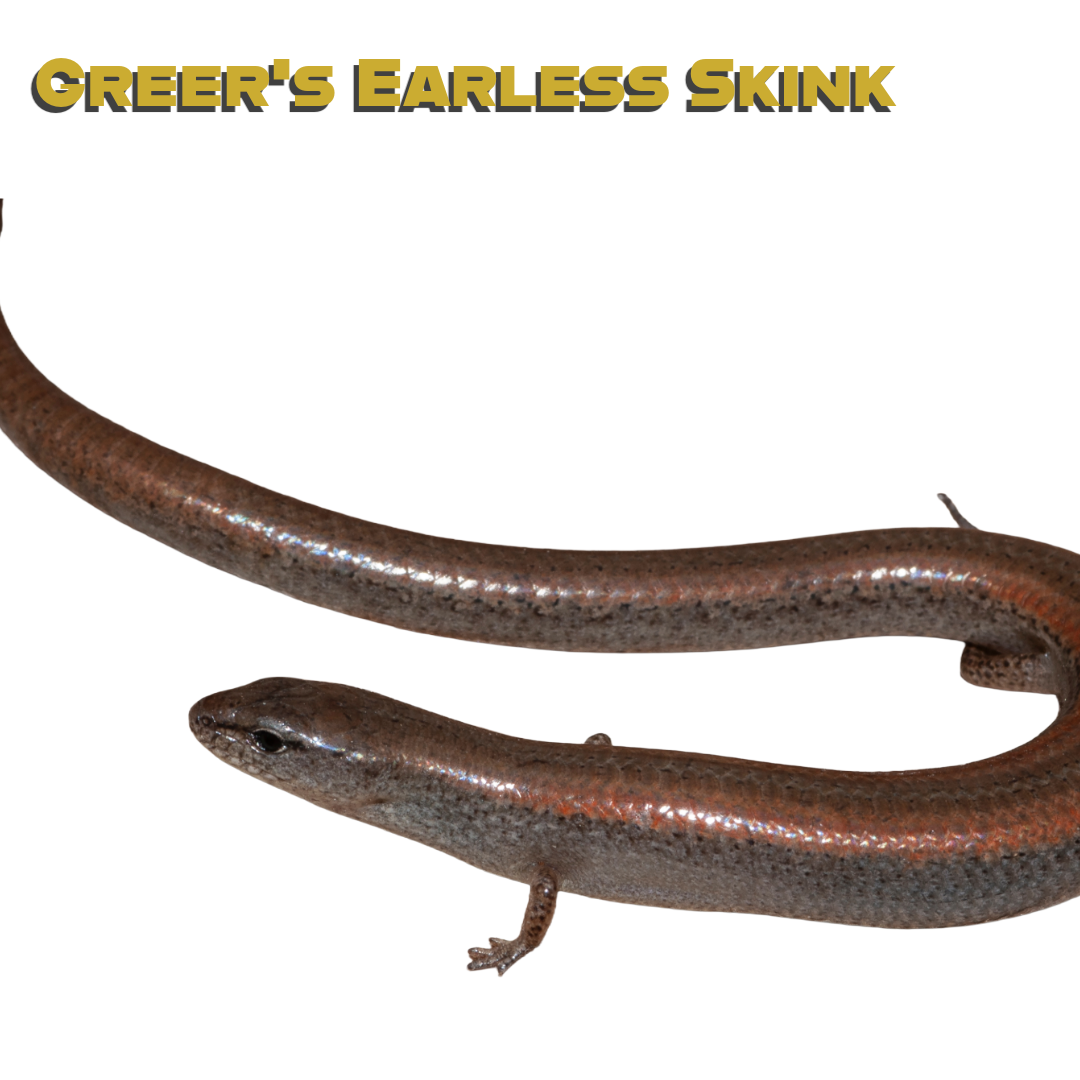
Caring for your Greer’s Earless Skink
Greer’s Earless Skink is a small, secretive skink species native to parts of Australia, particularly in coastal and woodland regions. As their name suggests, these skinks lack visible external ear openings, giving them a smooth, streamlined head. Adults typically reach 4–7 inches in total…
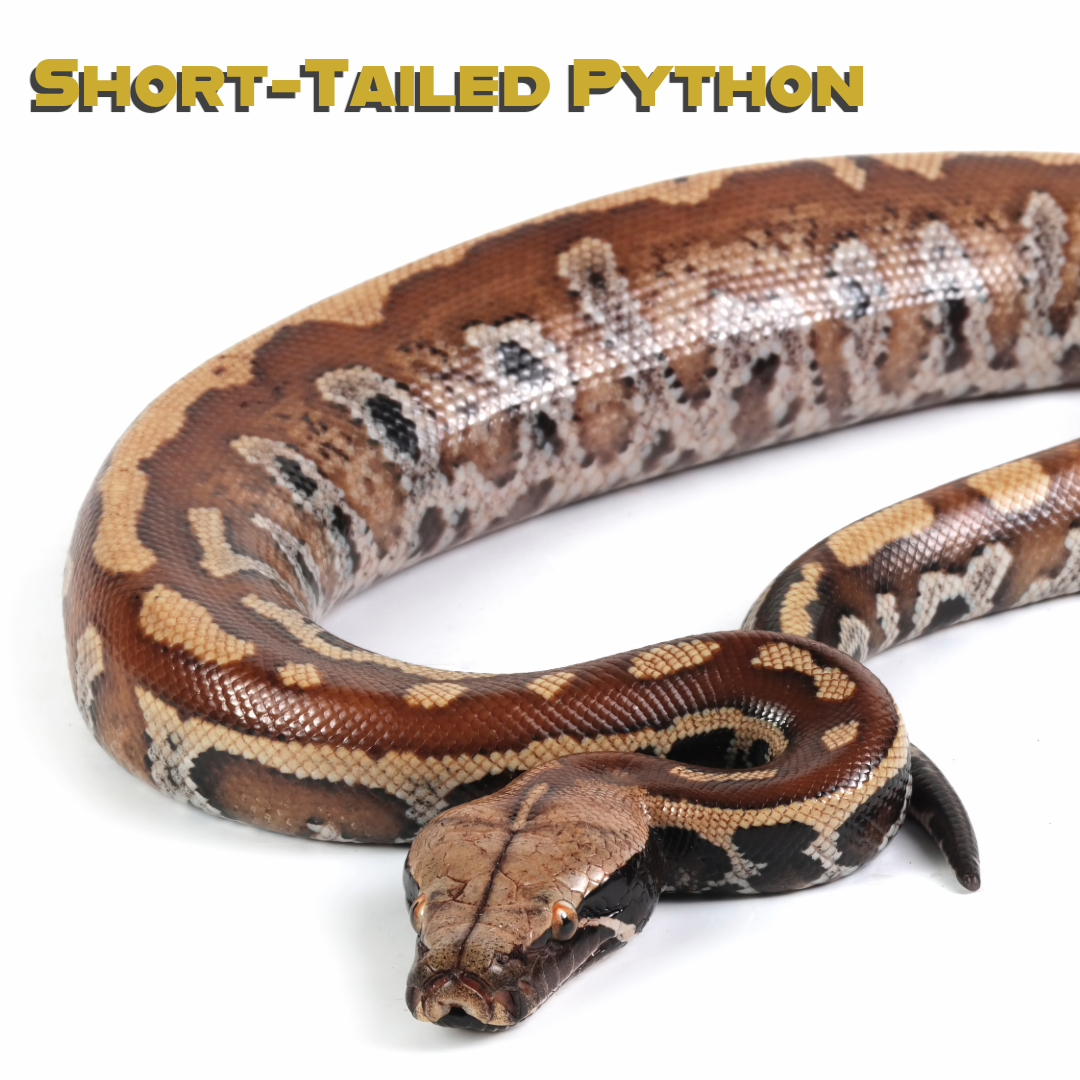
Caring for Short-Tailed Python
Short-Tailed Pythons are a group of heavy-bodied, terrestrial snakes native to the tropical forests, swamps, and lowland regions of Southeast Asia, including areas of Indonesia and Malaysia. This group includes the Borneo Blood Python (P. breitensteini), Sumatran Short-Tailed Python (P. curtus), and Blood Python (P. brongersmai). Adults typically reach 3.5–5 feet in length…
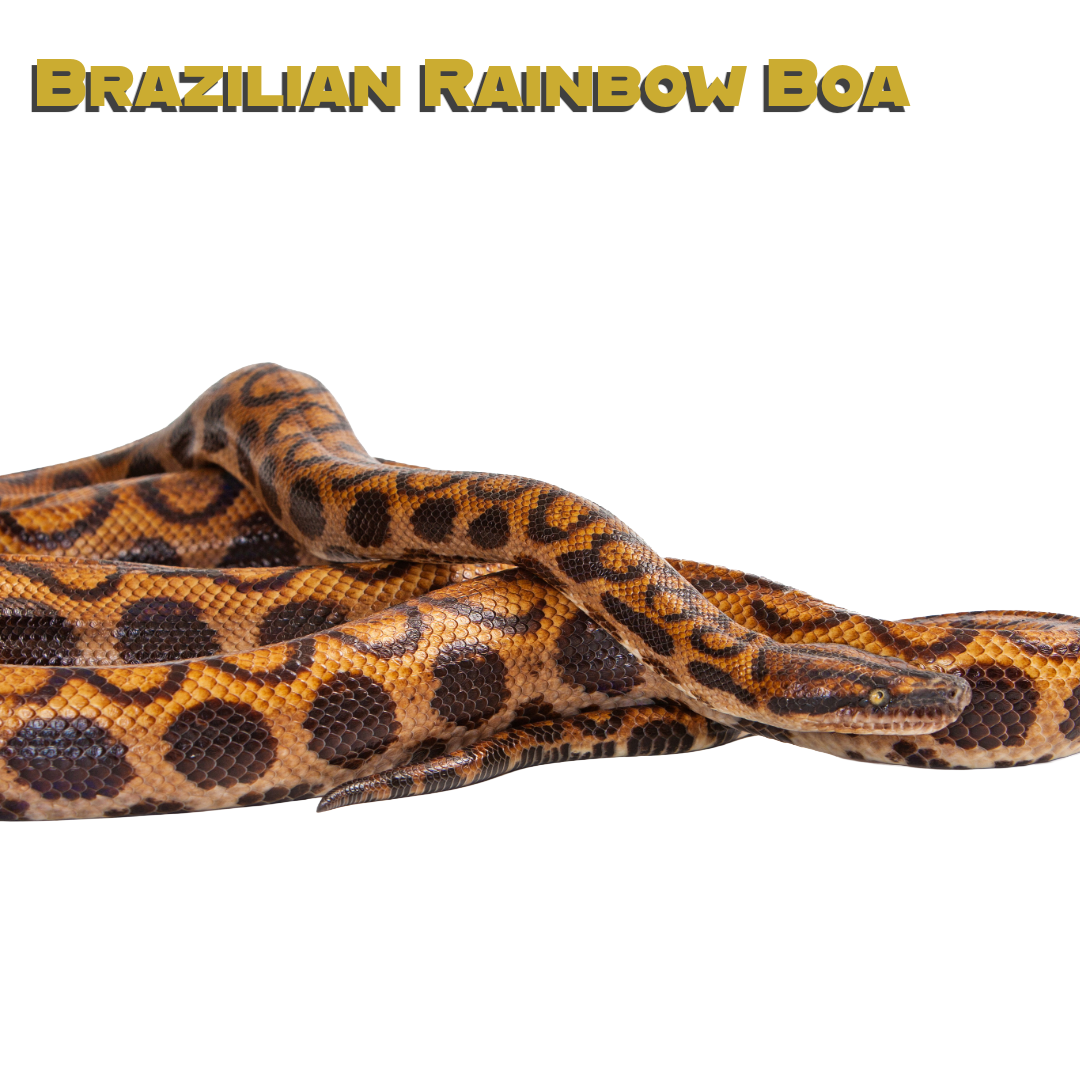
Caring for Brazilian Rainbow Boa
The Brazilian Rainbow Boa is a beautifully colored, medium-sized snake native to the tropical rainforests of Brazil and surrounding regions of South America. This species is best known for its incredible iridescence, which creates a rainbow-like sheen across its scales under the right lighting. Adults typically reach 4–6 feet in length and have a moderately thick, muscular build. They are primarily nocturnal…
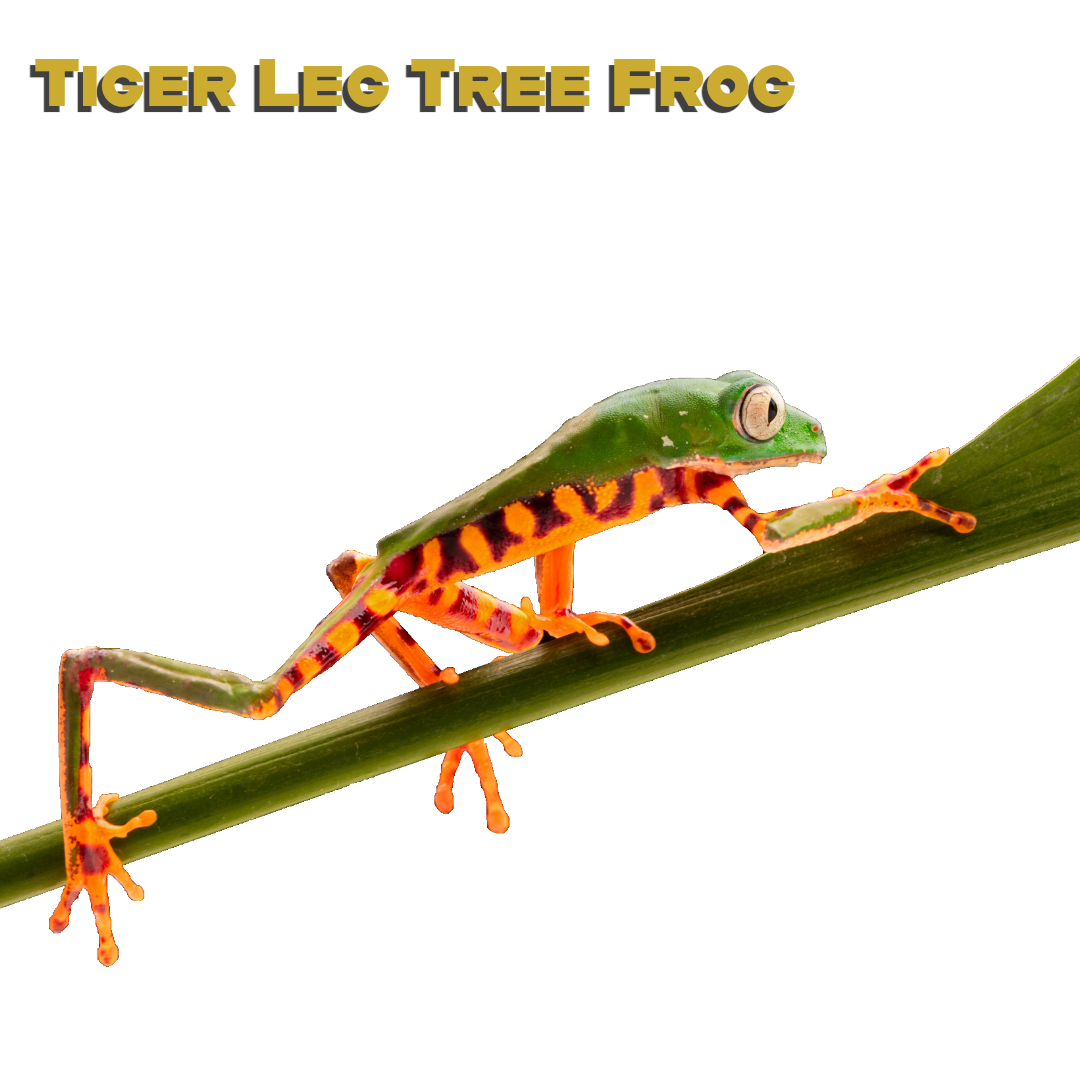
Caring for your Tiger Leg Tree Frog
The Tiger Leg Tree Frog is a striking, medium-sized arboreal frog native to the Amazon Basin and surrounding tropical regions of South America. Named for the bold, tiger-like striping on its legs, this species also features large eyes and a bright green body adapted for life in the canopy. Adults typically reach 2–3 inches and are nocturnal…
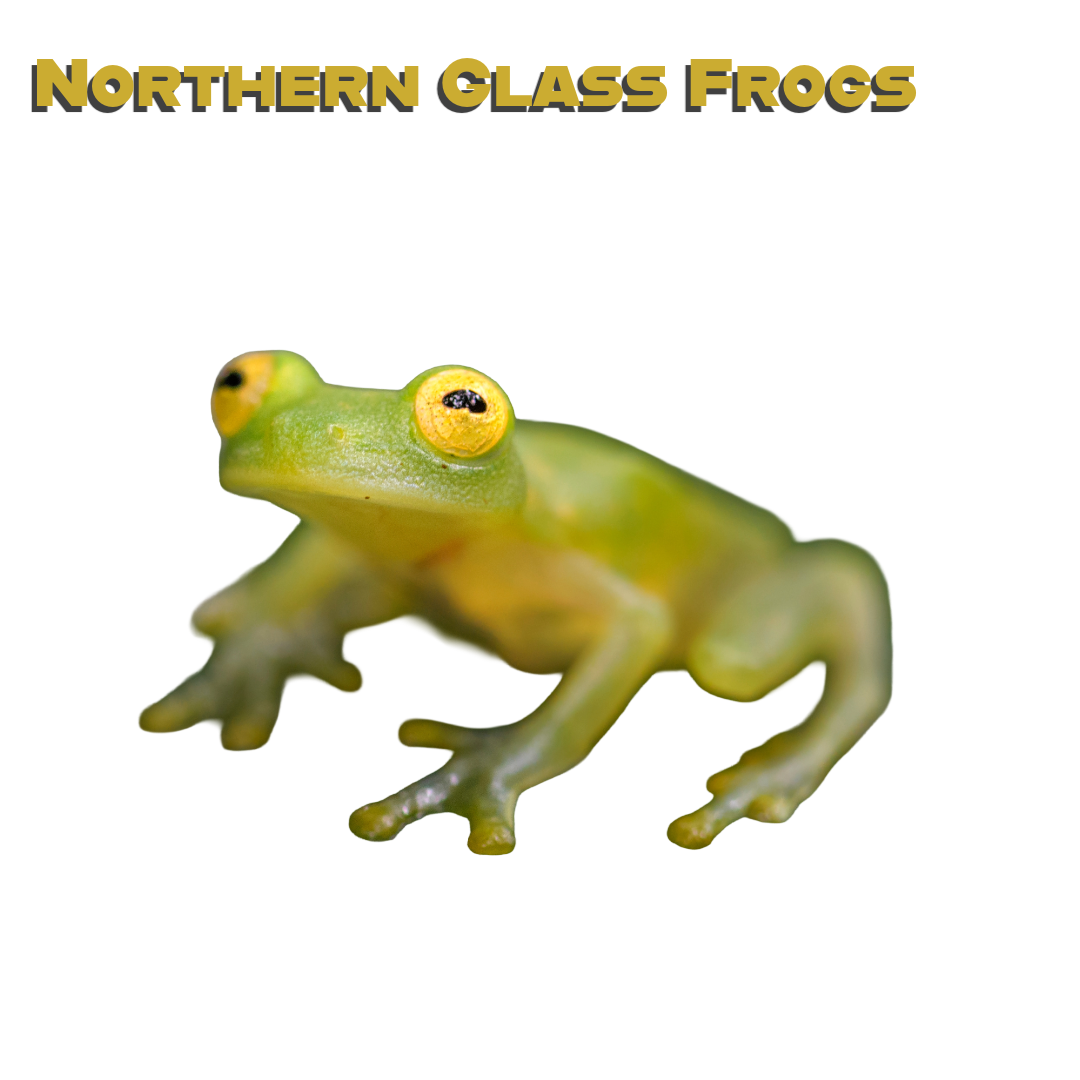
Caring for your Northern Glass Frog
The Northern Glass Frog is a delicate, translucent tree frog native to the humid rainforests of Central America, including Costa Rica, Nicaragua, and parts of Mexico. These frogs are famous for their see-through underside, where internal organs are often visible—making them one of the most fascinating amphibians in the hobby. Adults remain small, typically 1–1.2 inches, and are primarily nocturnal, spending their days resting on the undersides of leaves near water and becoming active at night…
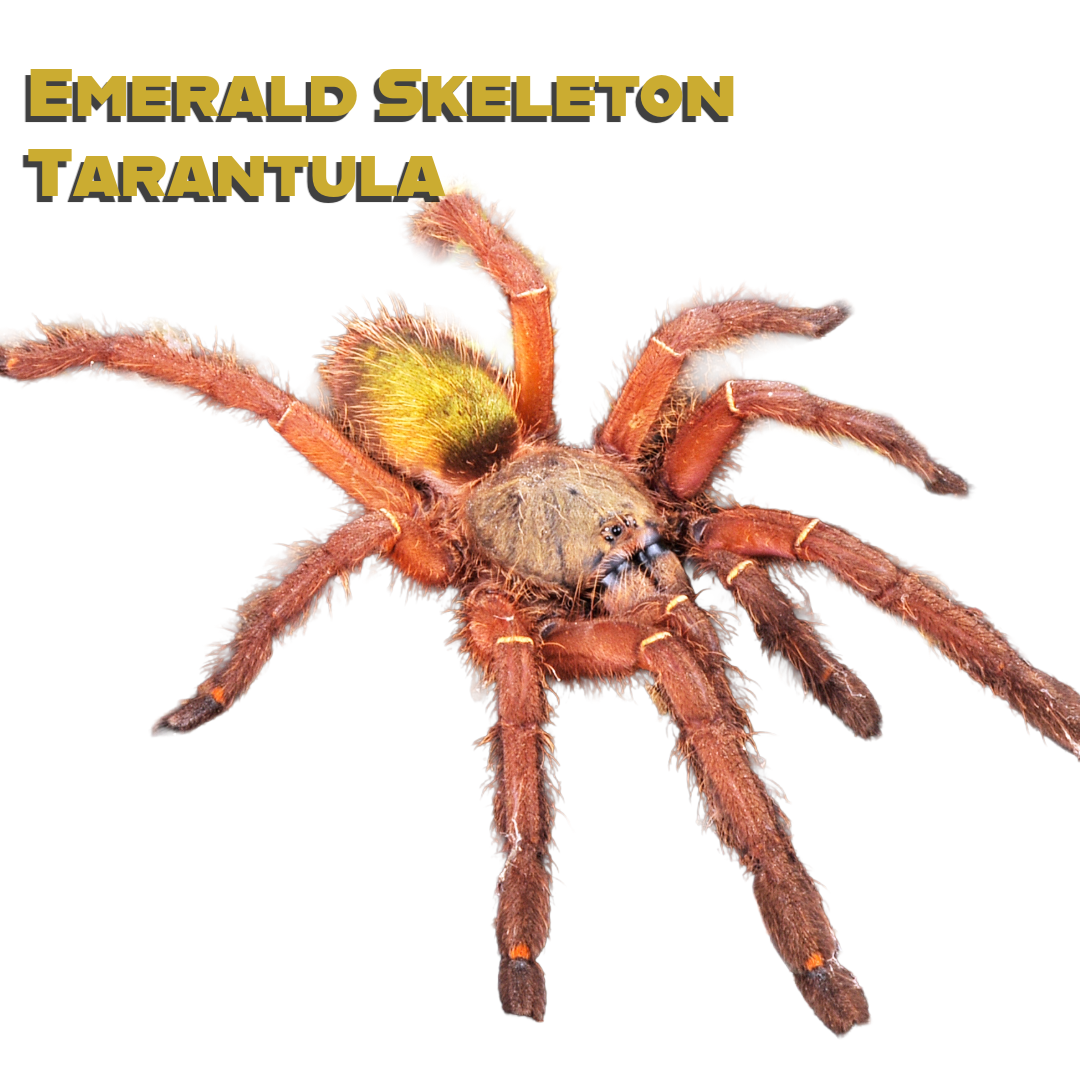
Caring for your Emerald Skeleton Tarantula
The Emerald Skeleton Tarantula is a striking arboreal tarantula native to the rainforests of French Guiana and northern South America. This species is known for its dark body contrasted with vibrant emerald-green highlights on the legs, giving it a distinctive “skeleton-like” appearance. Adults typically reach a leg span of 4–5 inches. Unlike many tarantulas that rely primarily on urticating hairs from the abdomen…