

Caring for your Emerald Skeleton Tarantula
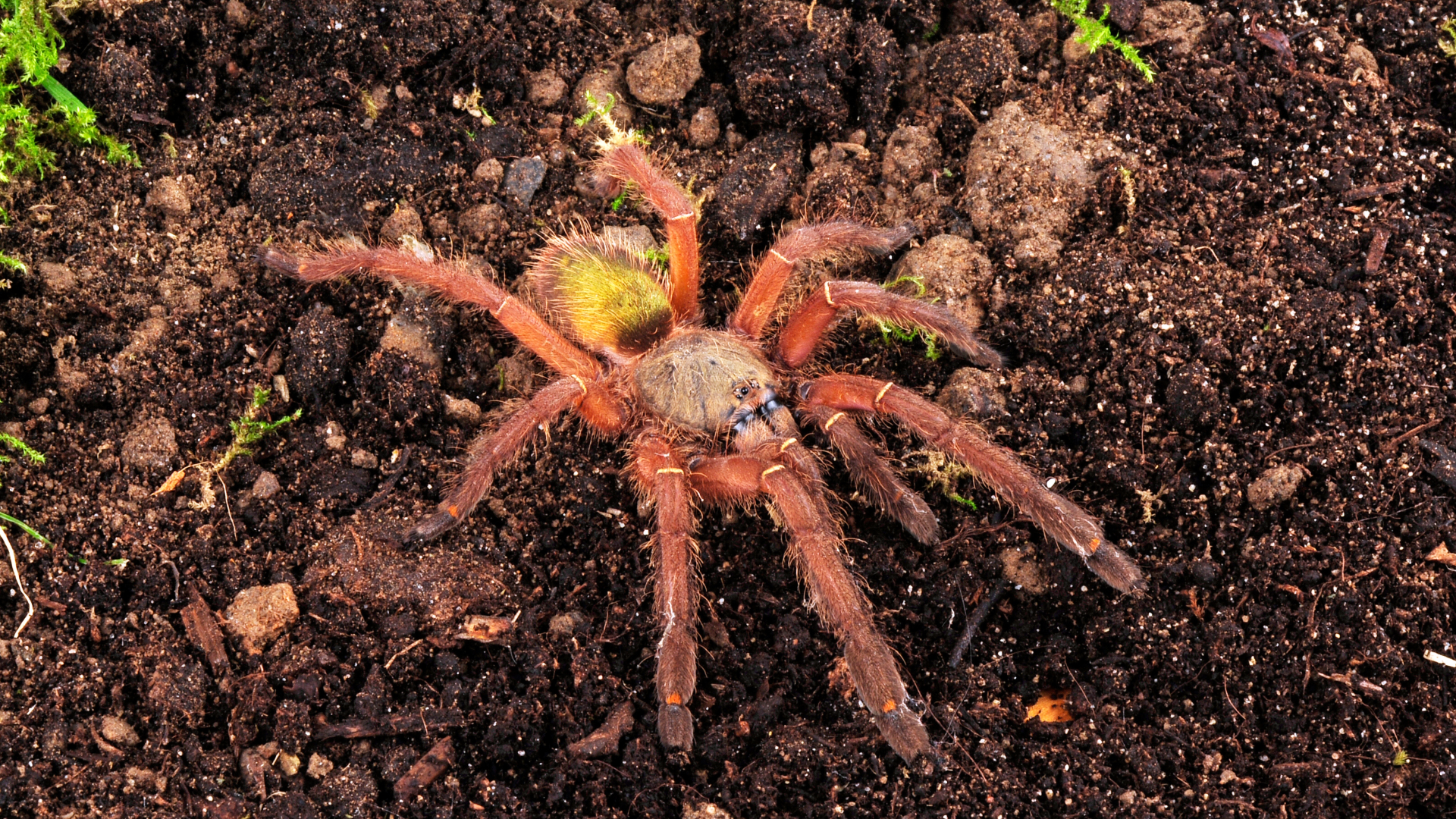
Emerald Skeleton Tarantula
(Ephebopus uatuman)
Basic Information:
The Emerald Skeleton Tarantula is a striking arboreal tarantula native to the rainforests of French Guiana and northern South America. This species is known for its dark body contrasted with vibrant emerald-green highlights on the legs, giving it a distinctive “skeleton-like” appearance. Adults typically reach a leg span of 4–5 inches. Unlike many tarantulas that rely primarily on urticating hairs from the abdomen, species in the Ephebopus genus possess urticating hairs on their front legs, which they can flick toward threats. Emerald Skeleton Tarantulas are primarily nocturnal and spend much of their time hiding within cork bark tubes, burrows, or dense foliage before emerging at night to hunt.
Lifespan:
Females: 10-12+ years
Males: 3–4 years
Sexing:
Sexing is best done by examining the shed exoskeleton for spermathecae to determine if the spider is female. Mature males develop tibial hooks and bulbous pedipalps, while females are larger and bulkier overall.
Enclosure:
Spiderlings/Juveniles: Small ventilated enclosures or deli cups.
Adults: 12” x 12” x 18” enclosure or similar horizonal terrarium.
Provide cork bark tubes, branches, and dense foliage to allow climbing and webbing. this species may also construct burrows at the base of the enclosure.
Substrate:
A deep, moisture-retaining substrate works best, such as:
Coconut fiber
Organic topsoil mixes
Bioactive soil blends
Provide 3–5 inches of substrate to allow natural burrowing behavior.
Lighting & Temperature:
Day Temp: 72-80°F
No special lighting required
Maintain ambient temperature with heat mats or room temperature
Avoid direct sunlight
Humidity:
Maintain 70-80% humidity with regular misting. Good airflow is essential to prevent mold. A partially damp substrate works well, but avoid making the enclosure soggy.
Food:
Emerald Skeleton Tarantulas are carnivorous. They feed on appropriately sized feeder insects such as:
Crickets
Dubia roaches
Mealworms
Occasional hornworms
Juveniles should beFed 2–3 times weekly, while adults typically eat once per week. Remove uneaten prey within 24 hours, especially during molting periods.
Water:
Provide a shallow water dish with fresh water. No sponge is necessary—just keep it clean.
The Emerald Skeleton Tarantula is a fascinating display species admired for its unique coloration and interesting defensive adaptations. While best suited for keepers who appreciate observing rather than handling, their beautiful appearance and intriguing behaviors make them a standout addition to any invertebrate collection.
where can I get these tarantulas Near Westminster, MD?
If you're in Carroll County, Maryland, consider visiting Critters, Reptiles & Exotics in Frederick to check availability on Emerald Skeleton Tarantulas and other unique invertebrates. Our team can help you set up the perfect enclosure and choose the right feeders and substrate for success. Stop by and discover something new—there’s always a new adventure waiting at Critters, Reptiles & Exotics!