

Caring for your Greer’s Earless Skink
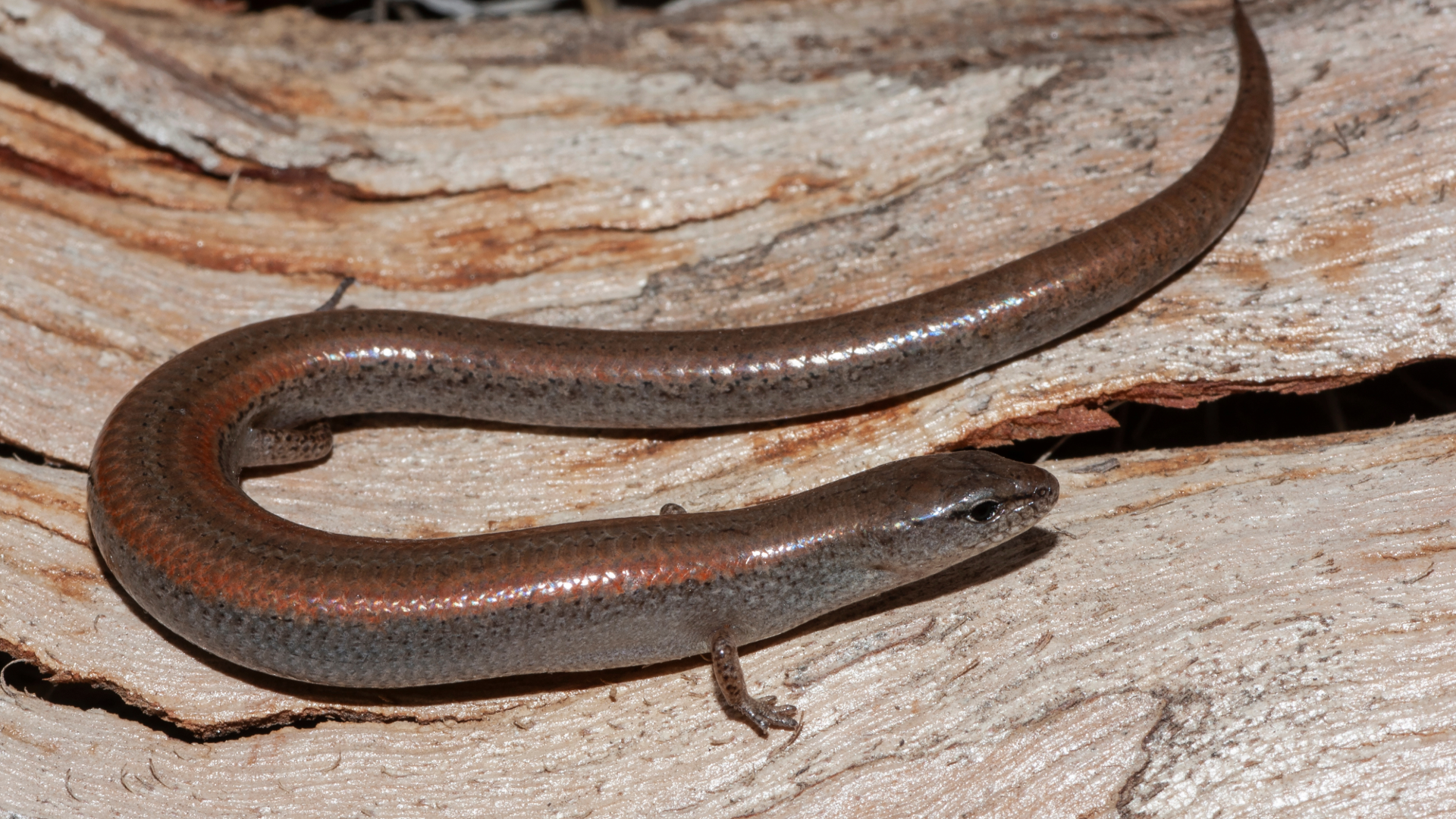
Greer’s Earless Skink
Hemiergis peronii
Basic Information:
Greer’s Earless Skink is a small, secretive skink species native to parts of Australia, particularly in coastal and woodland regions. As their name suggests, these skinks lack visible external ear openings, giving them a smooth, streamlined head. Adults typically reach 4–7 inches in total length and have elongated bodies with reduced limbs, making them excellent burrowers. They are primarily diurnal but spend much of their time hidden beneath leaf litter, soil, or debris. Due to their shy nature and fossorial tendencies, they are best appreciated as display animals rather than handling pets.
Lifespan:
5–10 years in captivity with proper care.
Sexing:
Sexing can be difficult and is typically determined by an experienced keeper or veterinarian.
• Males may have slightly thicker tails at the base.
• Females are often slightly larger-bodied, though differences are subtle.
Enclosure:
• Juveniles: 10-gallon enclosure with secure hides.
• Adults: 20-gallon long enclosure or larger.
Provide a well-structured, ground-focused enclosure with plenty of cover such as cork bark, rocks, and leaf litter. These skinks spend most of their time burrowed, so surface activity may be limited.
Substrate:
A deep, natural substrate is essential to support burrowing behavior, such as:
• Organic topsoil/sand mix
• Coconut fiber blends
• Bioactive substrate with leaf litter
Substrate depth should allow for digging and tunneling.
Lighting & Temperature:
Basking Spot: 85-90°F.
Ambient Temperature: 75-80°F.
Cool Side: 70–75°F
UVB Lighting: Low-level UVB (2.0–5.0) is recommended. Provide a 10–12 hour light cycle.
Heating should be regulated with a thermostat to ensure stability.
Humidity:
Maintain 50–70% humidity with slightly more moisture retained in the lower substrate layers. This helps mimic their natural microhabitats underground.
Food:
Greer’s Earless Skinks are insectivorous.
• Feed small insects such as pinhead crickets, small roaches, and larvae.
• Juveniles should be fed more frequently (every 1–2 days).
• Adults typically eat 2–3 times per week.
Prey size should be appropriately small due to their narrow head structure.
Water:
Provide a shallow water dish with fresh water available at all times. Light misting can help maintain humidity, but avoid overly wet conditions on the surface.
Supplementation:
Calcium without D3: Dust food 3–4 times weekly.
Calcium with D3: Use once a week if adequate UVB lighting is provided.
Multivitamins with D3: Offer once monthly in place of the Calcium with D3 to support overall health.
Greer’s Earless Skinks are a fascinating choice for keepers interested in unique, lesser-known reptiles. Their burrowing behavior and unusual body structure make them especially interesting in naturalistic or bioactive setups. While not highly interactive, they are rewarding for those who appreciate subtle, natural behaviors.
Where can I find a Greer’s Earless Skink near me?
If you're in Montgomery county, Maryland, visit Critters, Reptiles & Exotics in Frederick to check availability of Greer’s Earless Skinks and get expert advice on substrate depth, enclosure setup, and feeding. Whether you're building a bioactive habitat or exploring unique species, there’s always a new adventure waiting at Critters, Reptiles & Exotics!