

Caring for your White Wolf Spider
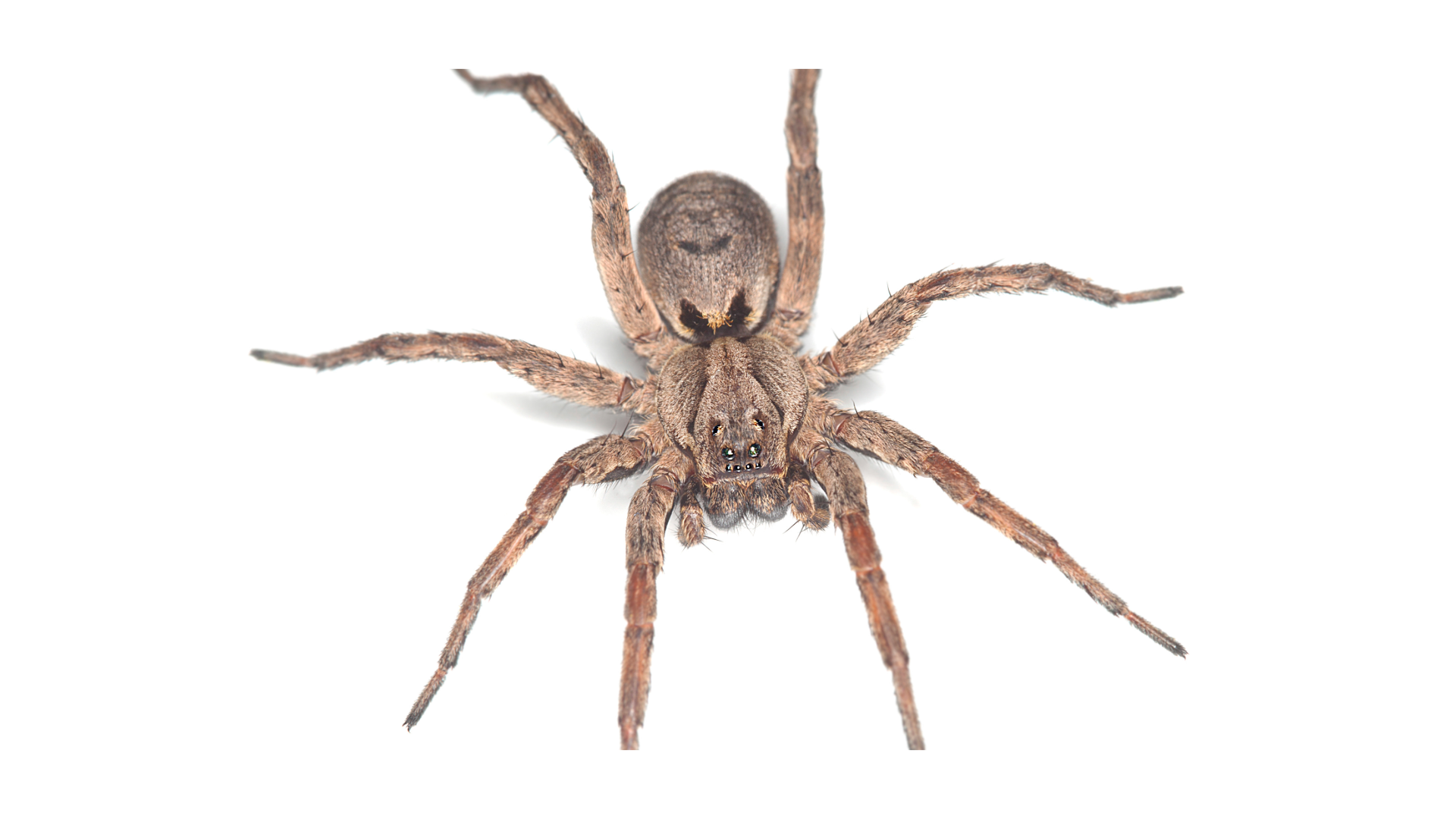
White Wolf Spider
(Hogna spp. / Lycosa spp.)
Basic Information:
The White Wolf Spider is a fast-moving, ground-dwelling arachnid found in various regions across North America, including parts of the eastern United States such as Pennsylvania. The name “white wolf spider” is often used in the pet trade to describe lighter-colored wolf spider species with pale or silvery markings. Adults typically reach 1–2 inches in body length, with a larger leg span.
Wolf spiders are active hunters that do not rely on webs to catch prey. Instead, they stalk and ambush insects using speed and strong eyesight. They are primarily nocturnal but may be seen during the day. While fascinating to observe, they are shy, quick, and not suitable for handling.
Lifespan:
1–3 years in captivity with proper care.
Sexing:
Sexing can be determined by experienced keepers.
• Males are typically smaller with longer, thinner legs.
• Females are larger-bodied and may carry egg sacs or young.
Enclosure:
• Juveniles: Small enclosure (critter keeper or similar).
• Adults: 5–10 gallon enclosure or larger.
Provide a secure enclosure with good ventilation and a tight-fitting lid, as they are fast and capable climbers. Include hides such as cork bark, rocks, and leaf litter to create a natural environment.
Substrate:
A natural substrate that allows for light burrowing is ideal, such as:
• Organic topsoil
• Coconut fiber
• Soil/sand mixes
Substrate depth should allow for shallow burrowing and hiding.
Lighting & Temperature:
• Basking Spot: Not required
• Ambient Temperature: 70–78°F
• Cool Side: 68–72°F
• UVB Lighting: Not required. Provide a natural day/night cycle.
Avoid excessive heat, as wolf spiders prefer moderate temperatures.
Humidity:
Maintain 50–70% humidity. Light misting can help maintain hydration, but avoid overly wet conditions.
Food:
White Wolf Spiders are carnivorous and active hunters.
• Feed appropriately sized insects such as crickets, roaches, and flies.
• Juveniles should be fed more frequently.
• Adults typically eat 2–3 times per week.
Prey should be live to stimulate natural hunting behavior.
Water:
Provide a small, shallow water dish or lightly mist the enclosure to provide drinking opportunities.
White Wolf Spiders are fascinating for keepers interested in active, hunting arachnids. Their speed, behavior, and lack of web reliance make them especially engaging to observe in a naturalistic setup.
Where Can I Buy a White Wolf Spider Near Me?
If you're in Fairfax County, Virginia, it’s just a short drive to Critters, Reptiles & Exotics in Frederick, Maryland, where you can check availability of White Wolf Spiders and get expert advice on enclosure setup, feeding, and care. Whether you're exploring invertebrates or expanding your collection - there’s always a new adventure waiting at Critters, Reptiles & Exotics!