

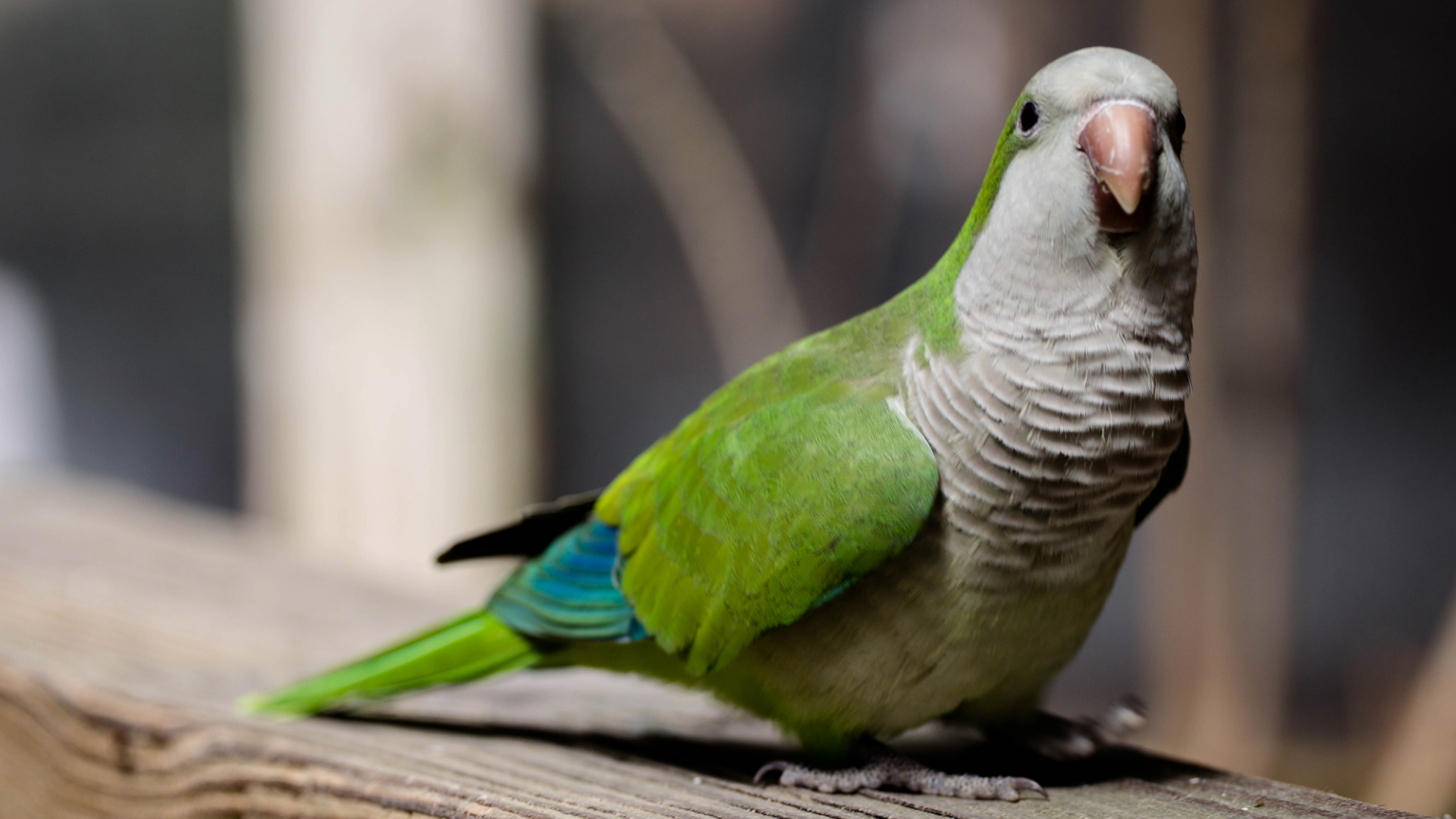
Quaker Parrot
Myiopsitta monachus
Basic Information:
The Quaker Parrot, also known as the Monk Parakeet, is a small to medium-sized parrot native to South America, particularly regions of Argentina and surrounding countries. Adults typically reach about 11–12 inches in length and are easily recognized by their bright green bodies and gray chest and face.
Quaker Parrots are highly intelligent, social birds known for their ability to mimic speech and sounds. They are unique among parrots for building large, communal stick nests in the wild. In captivity, they are active, curious, and often develop strong bonds with their owners. However, they require consistent interaction and mental stimulation to prevent boredom and behavioral issues.
Lifespan:
20–30 years in captivity with proper care.
Sexing:
Sexing is not visually obvious and is typically determined through DNA testing or veterinary examination.
• Males and females appear nearly identical.
• Behavior is not a reliable indicator of sex.
Enclosure:
Minimum: 24” x 24” x 24” cage
• Recommended: Larger enclosures with daily supervised out-of-cage time
Provide multiple perches of varying sizes and textures, along with plenty of toys for chewing, climbing, and enrichment. Quaker Parrots are active and benefit greatly from time outside the cage.
Substrate:
Simple, easy-to-clean substrates are best, such as:
• Paper liners
• Newspaper
• Cage tray liners
These allow for easy maintenance and monitoring of droppings.
Lighting & Temperature:
• Ambient Temperature: 68–78°F
• Avoid drafts and sudden temperature changes
• UVB Lighting: Not required but beneficial (bird-safe full spectrum lighting recommended)Provide a consistent 10–12 hour light cycle.
Humidity:
Maintain moderate humidity (40–60%). Occasional misting or access to bathing supports healthy feathers and skin.
Food:
Quaker Parrots require a balanced, varied diet.
• High-quality pelleted diet as the staple
• Fresh vegetables daily (leafy greens, carrots, peppers)
• Fruits in moderation
• Seeds and nuts as occasional treats
Avoid seed-only diets, as they can lead to nutritional deficiencies.
Water:
Provide fresh, clean water at all times. Many Quaker Parrots enjoy bathing, so offering a shallow dish or misting regularly is beneficial.
Quaker Parrots are known for their intelligence, playful personalities, and strong ability to mimic speech. Their manageable size combined with high interaction makes them a great companion bird for owners willing to provide daily attention and enrichment.
Is There a Local Pet Store Selling Quaker Parrots Near Me?
If you're in Loudoun County, Virginia, it’s just a short drive to Critters, Reptiles & Exotics in Frederick, Maryland, where you can check availability of Quaker Parrots and get expert advice on diet, enrichment, and long-term care. Whether you're looking for a talkative companion or adding to your bird collection, there’s always a new adventure waiting at Critters, Reptiles & Exotics!