

Helmeted iguana Care
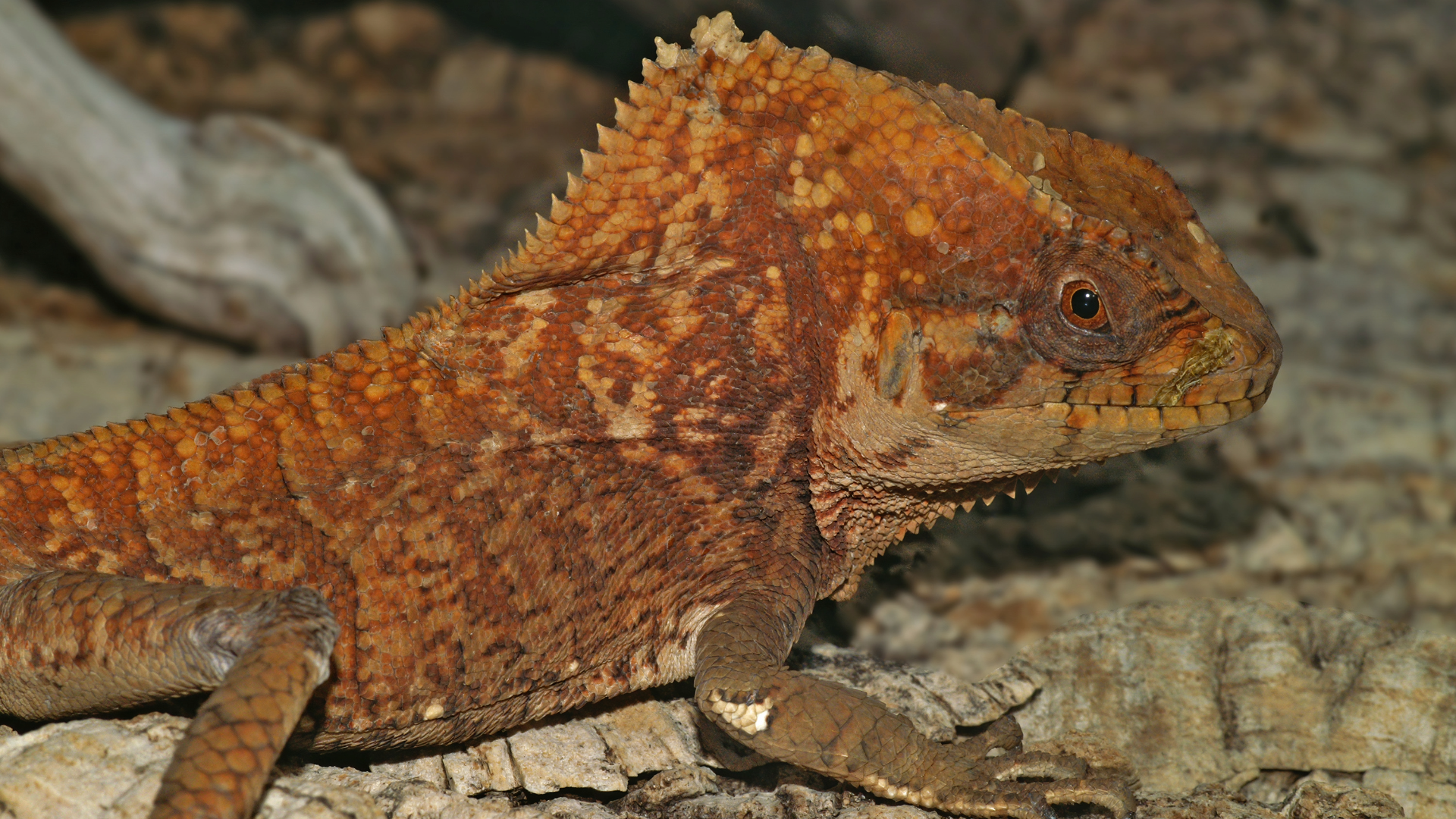
Helmeted Iguana
Corytophanes cristatus
Basic Information:
The Helmeted Iguana, also known as the casque-headed lizard, is a unique arboreal reptile native to the tropical rainforests of Central America, including regions of Costa Rica and Panama. This species is named for the prominent casque (helmet-like structure) on its head, which gives it a prehistoric appearance. Adults typically reach 8–12 inches in total length, with much of that length made up of the tail. Helmeted Iguanas are diurnal and spend most of their time perched motionless on branches, relying on camouflage to avoid predators. While fascinating to observe, they are generally shy and better suited as display animals rather than frequent handling pets.
Lifespan:
5–10 years in captivity with proper care.
Sexing:
Sexing can be difficult without experience but may be determined by an experienced keeper or veterinarian.
• Males typically have larger casques and may display more pronounced head structures.
• Females tend to be smaller with less prominent casque development.
Enclosure:
Juveniles: 18” x 18” x 24” enclosure minimum.
Adults: 24” x 24” x 36” enclosure or larger (vertical space is essential).
Provide a vertically oriented enclosure with plenty of branches, vines, and foliage for climbing and perching. Dense plant cover (live or artificial) helps them feel secure and reduces stress.
Substrate:
A high-humidity, natural substrate is essential, such as:
• Coconut fiber
• Organic topsoil mixes
• Bioactive substrates with leaf litter
These substrates help maintain proper humidity levels and support a naturalistic setup..
Lighting & Temperature:
Basking Area: 85-90°F.
Ambient Temperature: 75-80°F.
Cool Side: 770-9070
UVB Lighting: Required (5.0 recommended) with a 10–12 hour light cycle.
Proper UVB exposure is essential for calcium metabolism and overall health.
Humidity:
Maintain 70–90% humidity. Frequent misting or an automated misting system is recommended to replicate their rainforest environment and support hydration.
Food:
Helmeted Iguanas are primarily insectivorous.
• Feed a variety of appropriately sized insects such as crickets, roaches, and flies.
• Occasional soft-bodied insects (like waxworms) can be offered as treats.
All insects should be gut-loaded and properly supplemented.
Water:
Provide water through regular misting, as Helmeted Iguanas typically drink droplets from leaves rather than standing water. A small water dish can be included but may not be heavily used.
Supplementation:
Calcium with D3: Dust food 3-4 times weekly.
Calcium without D3: Use once a week if adequate UVB lighting is provided.
Multivitamins: Offer once monthly in place of the Calcium with D3 to support overall health.
Helmeted Iguanas are a fantastic choice for keepers looking for a unique, display-oriented reptile. Their prehistoric appearance, calm demeanor, and fascinating behavior make them an eye-catching addition to any well-designed tropical enclosure.
Where Can I find Helmeted Iguana near me?
If you're in Baltimore County, Maryland, visit Critters, Reptiles & Exotics in Frederick to check availability of Helmeted Iguanas and get expert advice on enclosure design, humidity control, and proper lighting. Whether you're building a tropical bioactive setup or expanding your collection, there’s always a new adventure waiting at Critters, Reptiles & Exotics!