

Caring for your Isopods
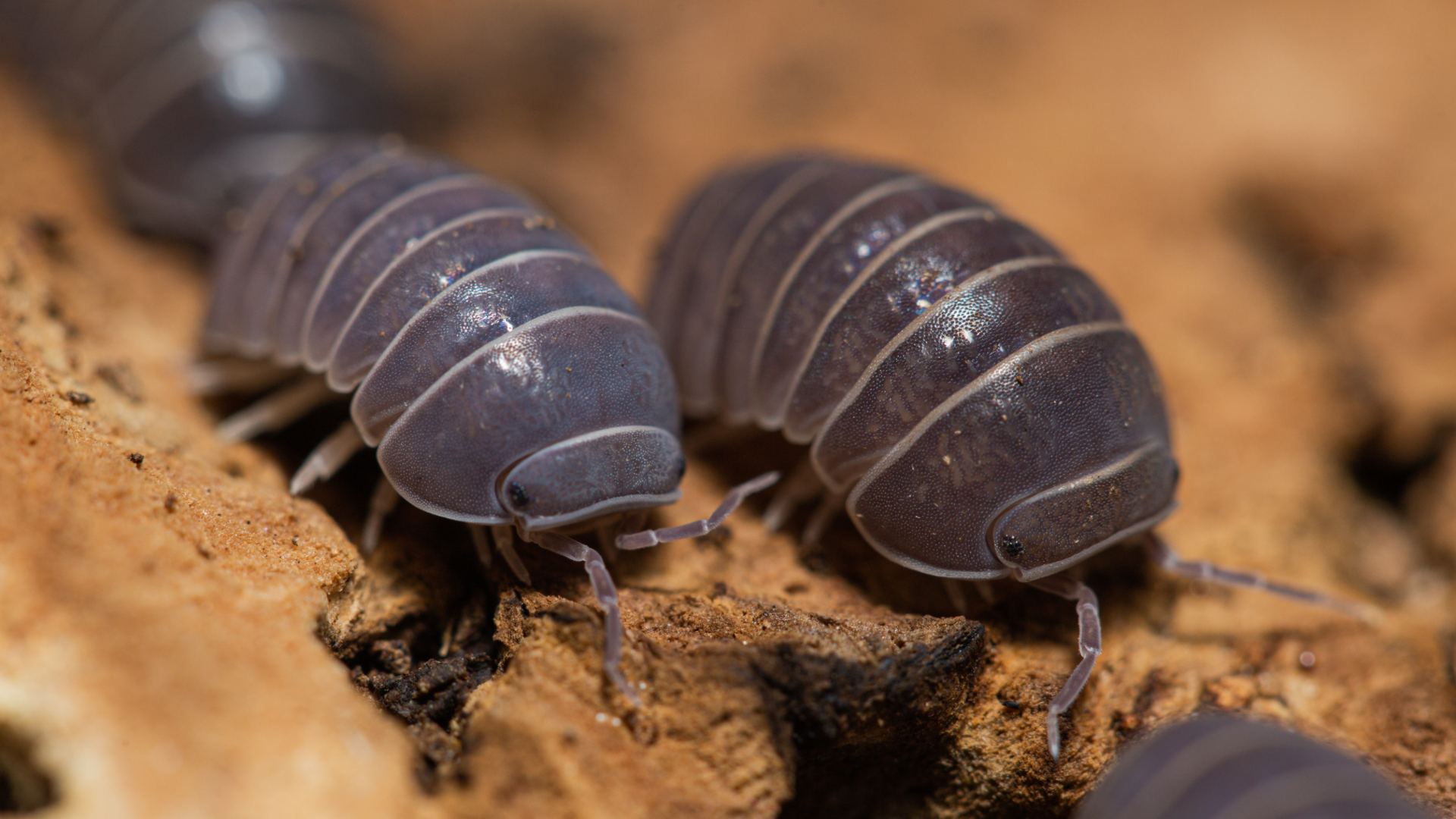
Assorted Isopods
(Armadillidium spp. / Porcellio spp. / Cubaris spp.)
Basic Information:
Isopods are small terrestrial crustaceans commonly known as “roly-polies” or “pill bugs,” native to many regions around the world, including Europe and parts of North America. In the reptile and invertebrate hobby, they are widely kept both as pets and as part of bioactive cleanup crews. Depending on the species, isopods typically range from 0.25 to 1 inch in length.
They are detritivores, meaning they feed primarily on decaying organic matter such as leaf litter and wood. Isopods are nocturnal and spend most of their time hiding under bark, leaves, or within the substrate. Many species exhibit unique colors and patterns, making them surprisingly popular as standalone display colonies.
Lifespan:
1–3 years depending on species and care conditions.
Sexing:
Sexing is not typically necessary for general care.
• Females may carry visible brood pouches (marsupium) when reproducing.
• Males are generally smaller and slimmer.
Size:
.25”-1” Depending on Species
Enclosure:
• Small starter colonies: 6–12 quart bin or small terrarium.
• Established colonies: 10-gallon enclosure or larger depending on population size.
Use a well-ventilated enclosure with a secure lid. Provide plenty of hiding spaces such as cork bark, leaf litter, and pieces of rotting wood. Isopods thrive in cluttered, naturalistic setups.
Substrate:
A deep, nutrient-rich substrate is essential, such as Critters, Reptiles & Exotics ISOPOD & MILLIPEDE Substrate to ensure a proper food source, and humidity level.
Lighting & Temperature:
• Basking Spot: Not required
• Ambient Temperature: 68–75°F
• Cool Side: 65–70°F
• UVB Lighting: Not required. Provide a natural day/night cycle.
Avoid excessive heat, as most isopods prefer cooler conditions.
Humidity:
Maintain a moisture gradient within the enclosure:
• One side should remain moist
• The other side slightly drier
Overall humidity should remain moderate to high (60–80%), depending on species. This allows isopods to regulate their moisture needs.
Food:
Isopods are detritivores and scavengers.
• Primary diet: leaf litter and decaying wood
• Supplemental foods: vegetables (zucchini, carrots), fish flakes, or specialized isopod diets
• Occasional protein sources (such as dried shrimp) can support colony growth
Avoid overfeeding to prevent mold issues.
Water:
Isopods do not require a water dish. They obtain moisture from the substrate and environment. Regular misting of one side of the enclosure is essential.
Isopods are low-maintenance, fascinating microfauna that play a critical role in bioactive enclosures. Their natural behaviors, variety of species, and ease of care make them perfect for beginners and advanced hobbyists alike.
Is There a Local Pet Store Selling Isopods Near Me?
If you're in Jefferson County, West Virginia, it’s just a short drive to Critters, Reptiles & Exotics in Frederick, Maryland, where you can check availability of isopods and get expert advice on bioactive setups, substrate building, and colony care. Whether you're starting a cleanup crew or building a display colony - there’s always a new adventure waiting at Critters, Reptiles & Exotics!