

Caring for Short-Tailed Python
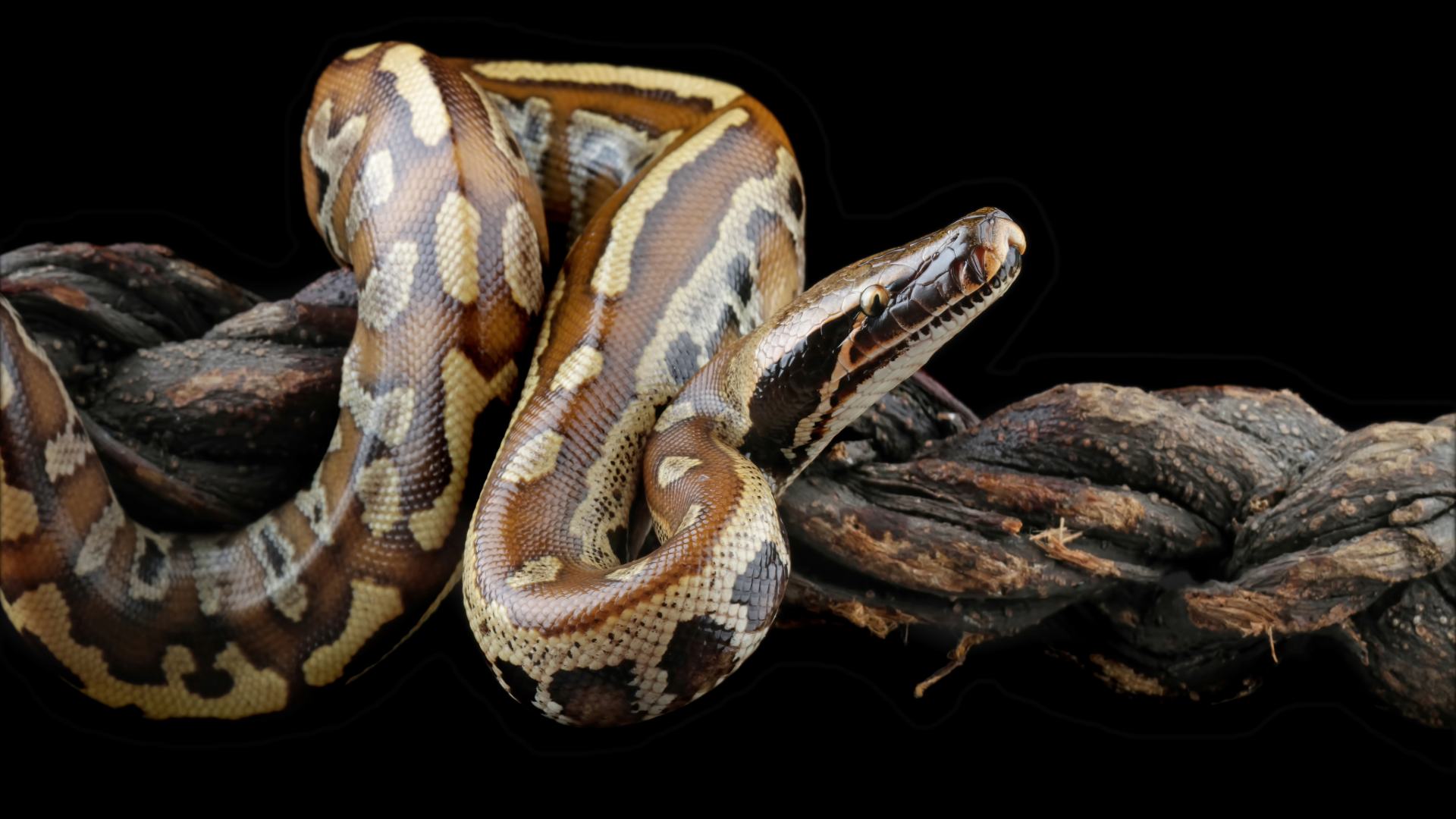
Short-Tailed Python
Python Spp.
Basic Information:
Short-Tailed Pythons are a group of heavy-bodied, terrestrial snakes native to the tropical forests, swamps, and lowland regions of Southeast Asia, including areas of Indonesia and Malaysia. This group includes the Borneo Blood Python (P. breitensteini), Sumatran Short-Tailed Python (P. curtus), and Blood Python (P. brongersmai). Adults typically reach 3.5–5 feet in length but are extremely muscular and heavy for their size, giving them a powerful, stocky appearance. They are primarily nocturnal ambush predators that spend much of their time hidden in leaf litter or tight spaces. While historically known for defensive behavior in wild-caught individuals, captive-bred Short-Tailed Pythons are often calm, sedentary, and highly manageable when properly cared for.
Lifespan:
20–25 years in captivity with proper care
Sexing:
Sexing is most accurately determined through probing or popping by an experienced keeper or veterinarian.
Females generally grow larger and heavier-bodied.
Males tend to stay slightly smaller and may have proportionally longer tails.
Enclosure:
Juveniles: 20 gallon enclosure (30” x 12” x 12”) with secure hides.
Adults: 4’ x 2’ x 2’ enclosure or larger (PVC enclosures are ideal for humidity retention
Provide tight-fitting hides on both the warm and cool sides, along with cork bark, leaf litter, and low-profile décor. These snakes are terrestrial and prefer floor space and security over climbing structures.
Substrate:
A natural loose substrate that mimics their environment works well, such as:
Coconut fiber
Cypress Mulch
Organic topsoil Blend
These substrates help maintain humidity while allowing for natural behaviors like burrowing and resting partially buried.
Lighting & Temperature:
Basking Spot: 88-90°F
Ambient Temperature: 80-84°F
Cool Side: 75-78°F
UVB Lighting: Not required, though low-level UVB (2.0–5.0) may provide enrichment. Provide a 10–12 hour light cycle.
Heating should always be controlled with a thermostat to prevent overheating.
Humidity:
Maintain 60-70% humidity.
Consistent humidity is important for proper shedding and overall health, but overly wet conditions should be avoided.
Food:
Feed appropriately sized frozen-thawed rodents (mice or rats depending on size).
Juveniles: every 5–7 days
Adults: every 10–14 days
Do not handle for at least 48 hours after feeding to prevent regurgitation. These snakes have a strong feeding response and are prone to obesity, so avoid overfeeding.
Water:
Provide a small to medium water dish with fresh water at all times. These snakes occasionally soak, especially during shedding.
Short-Tailed Pythons are a favorite among keepers who want a powerful-looking snake without the extreme length of larger pythons. Their manageable size, calm demeanor (in captive-bred animals), and impressive build make them highly rewarding for keepers who appreciate heavier-bodied species.
Is There a Local Pet Store Selling Short-Tailed Pythons Near Me?
If you're in Carroll County, Maryland, it’s just a short drive to Critters, Reptiles & Exotics in Frederick, where you can check availability of Short-Tailed Pythons—including Borneo and Sumatran varieties—and get expert advice on enclosure setup, humidity control, and feeding schedules. Whether you're new to heavy-bodied snakes or expanding your collection, - there’s always a new adventure waiting at Critters, Reptiles & Exotics!