

Use the search feature to find your pet’s care sheet!
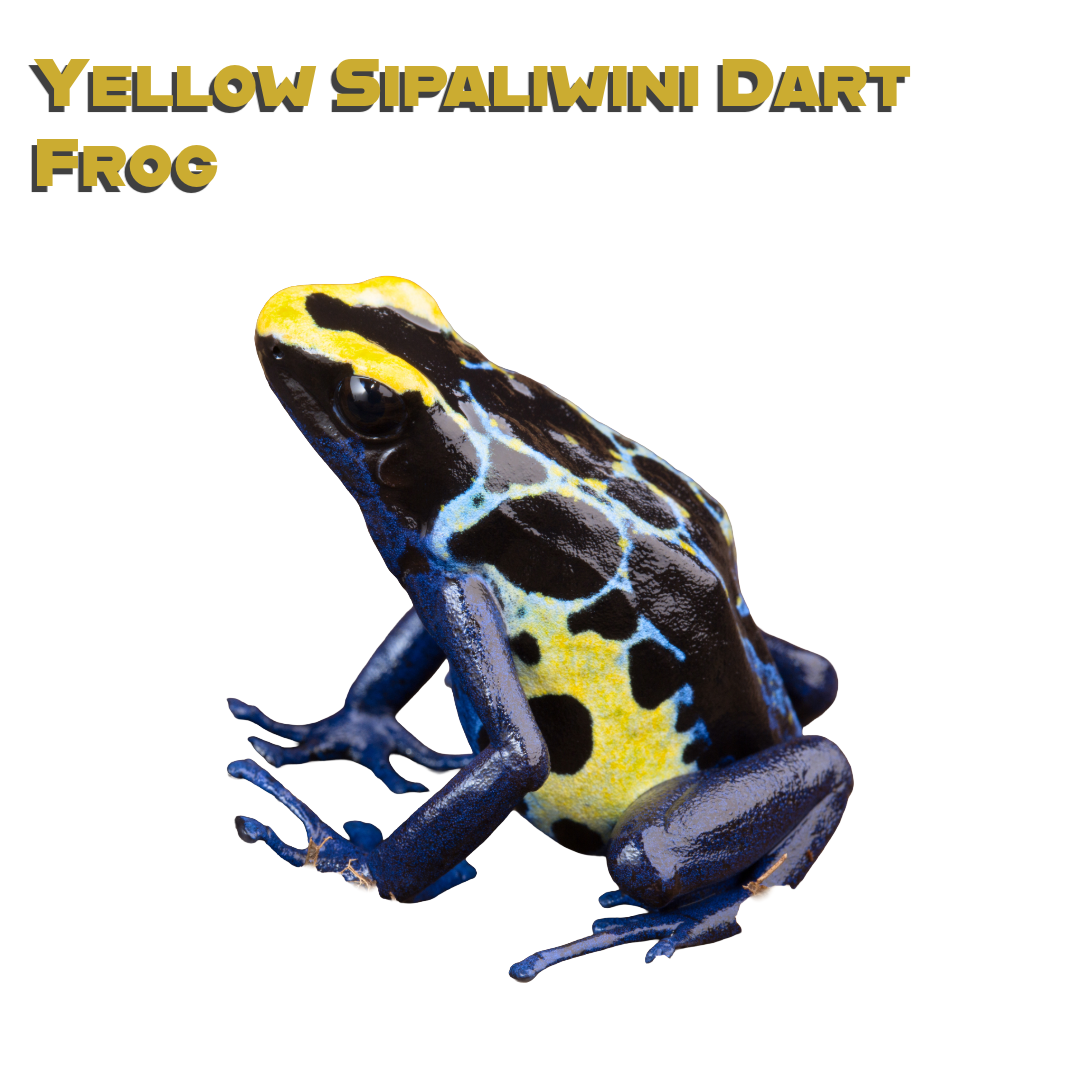
Caring for your Yellow Sipaliwini Dart Frog
The Yellow Sipaliwini Dart Frog is a striking locality of Dendrobates tinctorius native to the Sipaliwini region of Suriname. This morph is known for its bright yellow body with contrasting black patterning, making it one of the more eye-catching dart frogs in the…

Caring for your Cairo Blind Snake
The Cairo Blind Snake is a small, burrowing snake species native to arid and semi-arid regions of North Africa and the Middle East, including areas of Egypt. Similar in appearance to the Brahminy Blind Snake, it has a slender, worm-like body with smooth scales and reduced eyes, typically…

Caring for your Brahminy Blind Snake
The Brahminy Blind Snake, also known as the Flowerpot Snake, is a tiny, burrowing snake species found in tropical and subtropical regions worldwide, including parts of India. Often mistaken for an earthworm, this species typically reaches only 4–8 inches in length and has a smooth, glossy, dark body…

Caring for your Hermit Crab
Hermit Crabs are small, social crustaceans found in tropical coastal regions around the world, including areas of Ecuador and the Caribbean. Unlike true crabs, they do not produce their own shells and must find and change into new shells as they grow. Adults typically range from 1–4 inches…
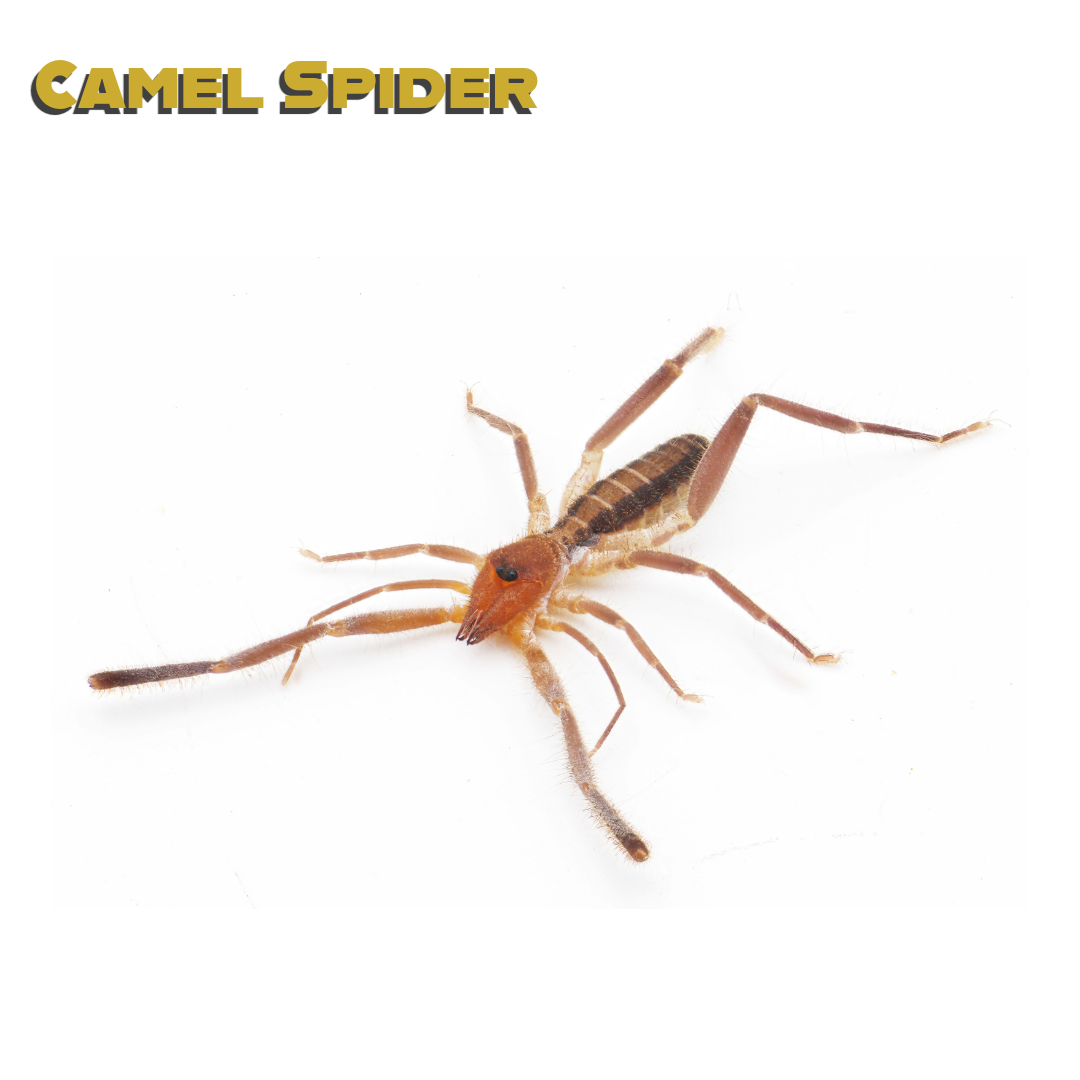
Caring for your Camel Spider
Camel Spiders, also known as Wind Scorpions or Sun Spiders, are fast-moving arachnids found in arid regions around the world, including the Middle East, Africa, and parts of United States. Despite their name, they are neither true spiders nor scorpions but belong to their own unique order, Solifugae. Adults typically range from 2–6 inches in leg span depending…
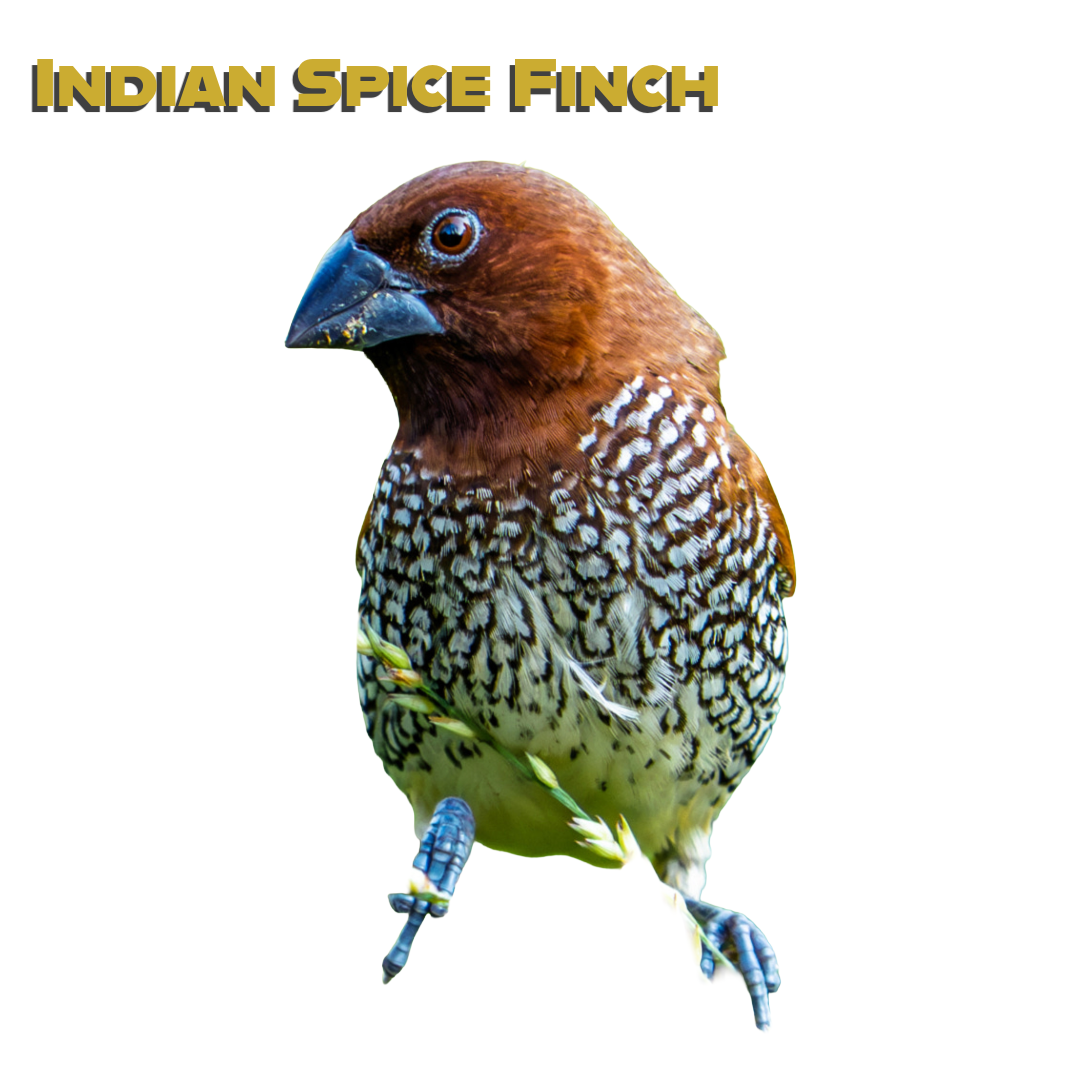
Caring for your Indian Spice Finch
The Indian Spice Finch, also known as the Nutmeg Mannikin, is a small, social finch native to South and Southeast Asia, including regions of India. These birds are easily recognized by their warm brown coloration, scaled chest pattern, and compact size, typically reaching about 4 inches…

Caring for your Fancy Rat
The Fancy Rat is a domesticated form of the brown rat, originally native to parts of Asia but now found worldwide, including across North America. Selectively bred for temperament and appearance, fancy rats come in a wide variety…
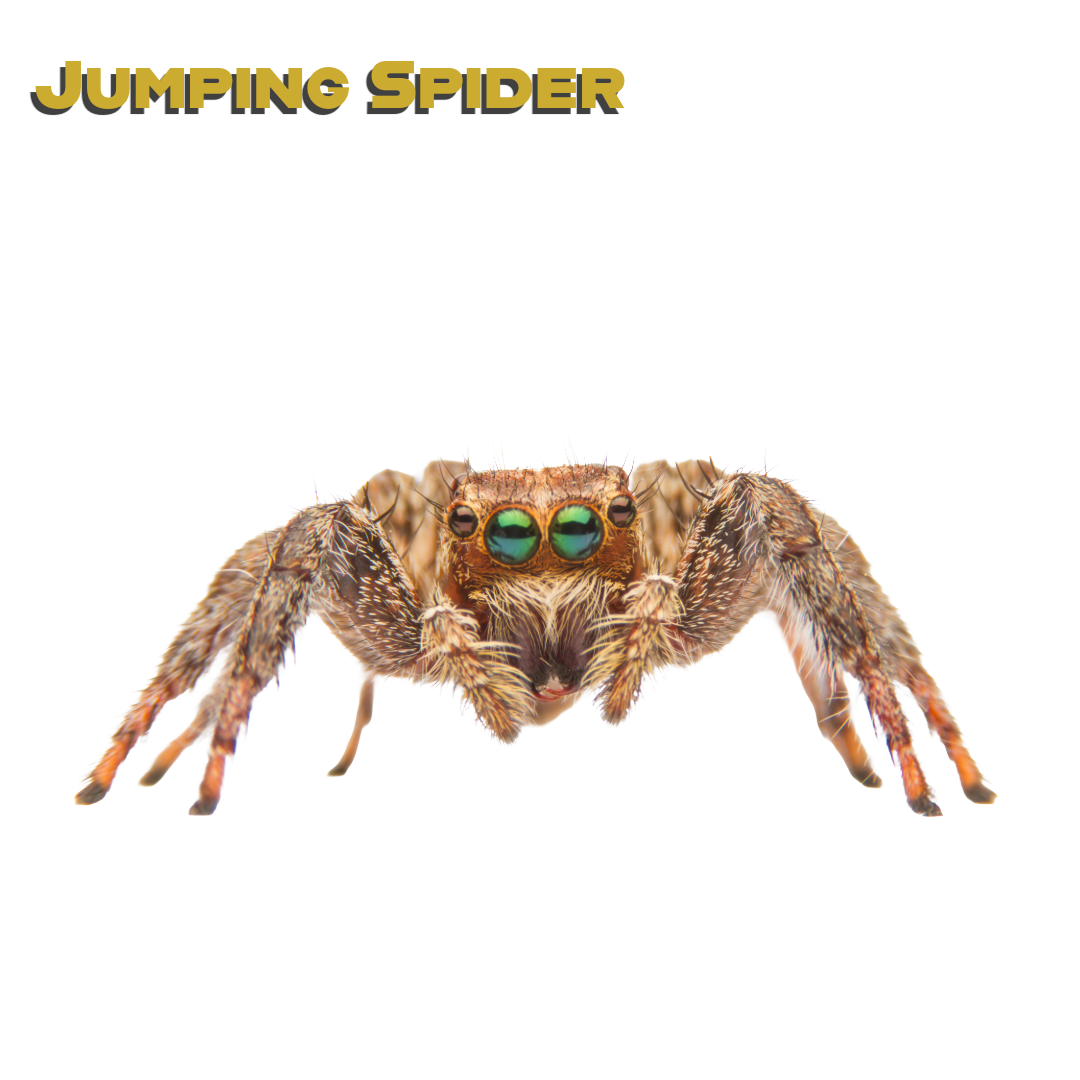
Caring for your Jumping Spider
Jumping Spiders are small, highly intelligent arachnids found throughout the world, including across the United States in regions such as Florida and beyond. Unlike many other spiders, they rely on excellent vision and active hunting rather than webs…
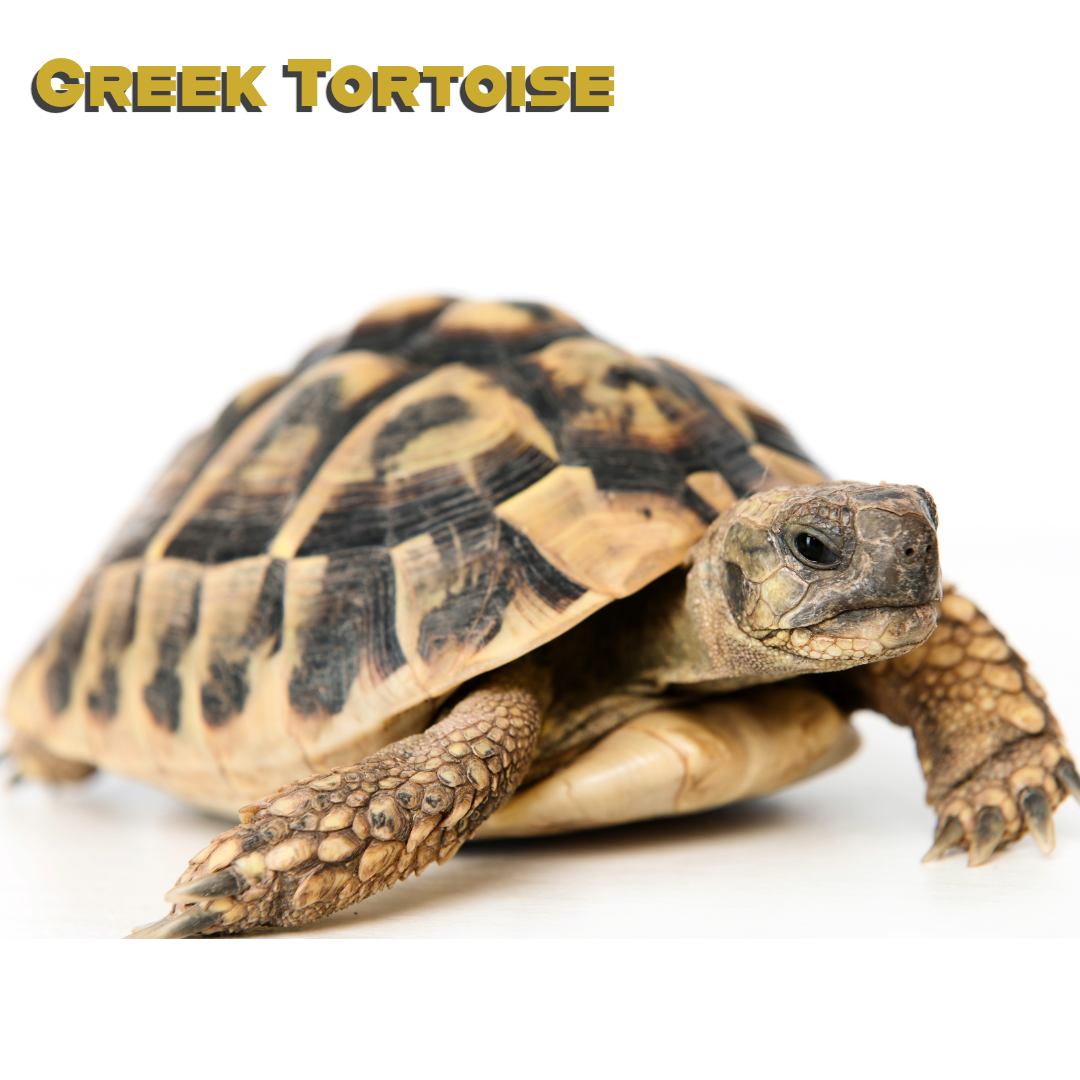
Caring for your Greek Tortoise
The Greek Tortoise is a small to medium-sized tortoise species native to dry, Mediterranean regions spanning parts of Southern Europe, North Africa, and the Middle East, including areas of Greece. Known for their domed shells with tan, yellow, and dark brown…
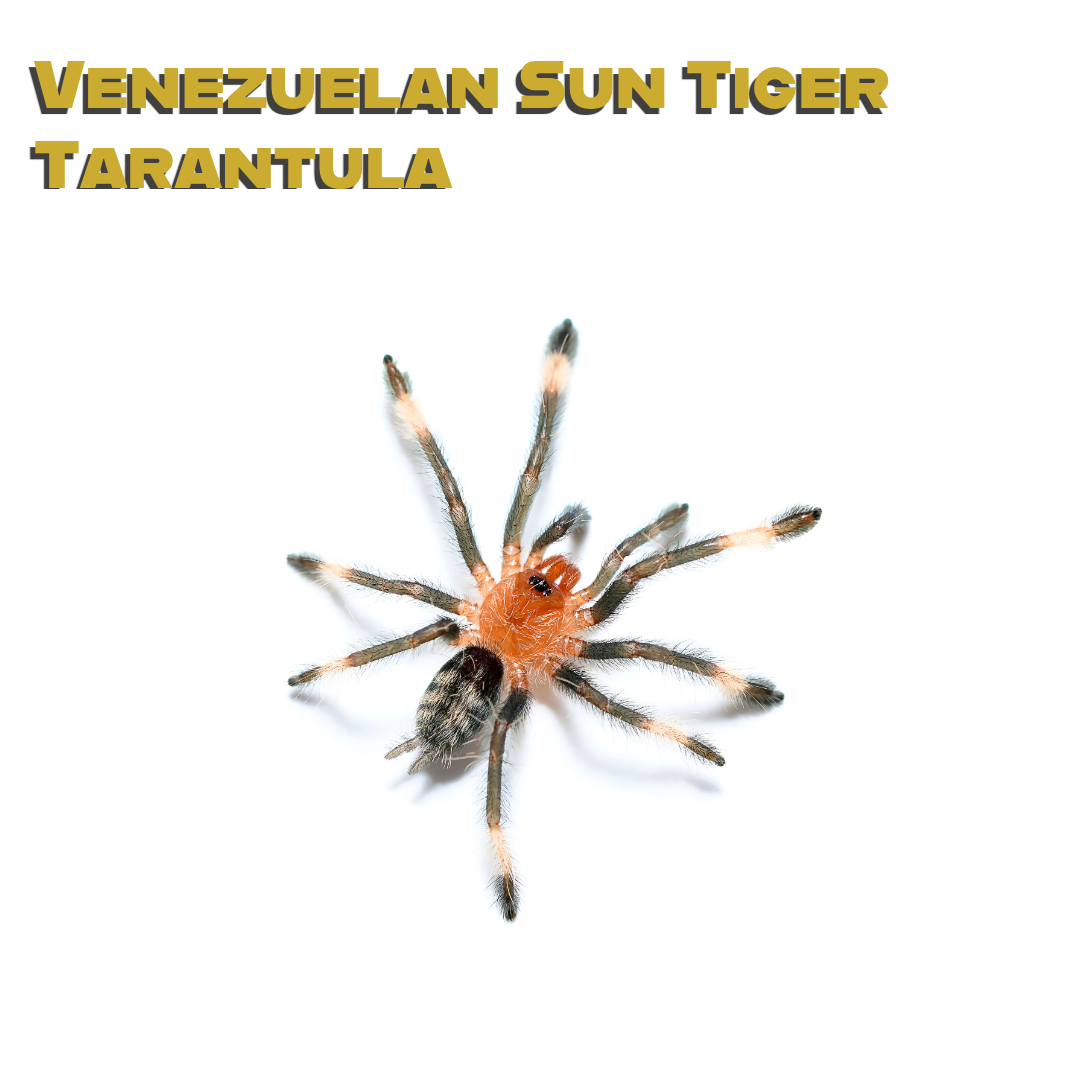
Caring for your Venezuelan Sun Tiger Tarantula
The Brazilian Salmon Pink Birdeater is one of the largest tarantula species in the world, native to tropical regions of Brazil. Known for its impressive size and pinkish setae (hairs) covering a dark brown to black body, adults can reach an 8–10 inch leg span.
Despite the name “birdeater,” they rarely prey on birds in the wild and instead feed primarily on insects and small animals. This species is terrestrial and semi-burrowing, spending…
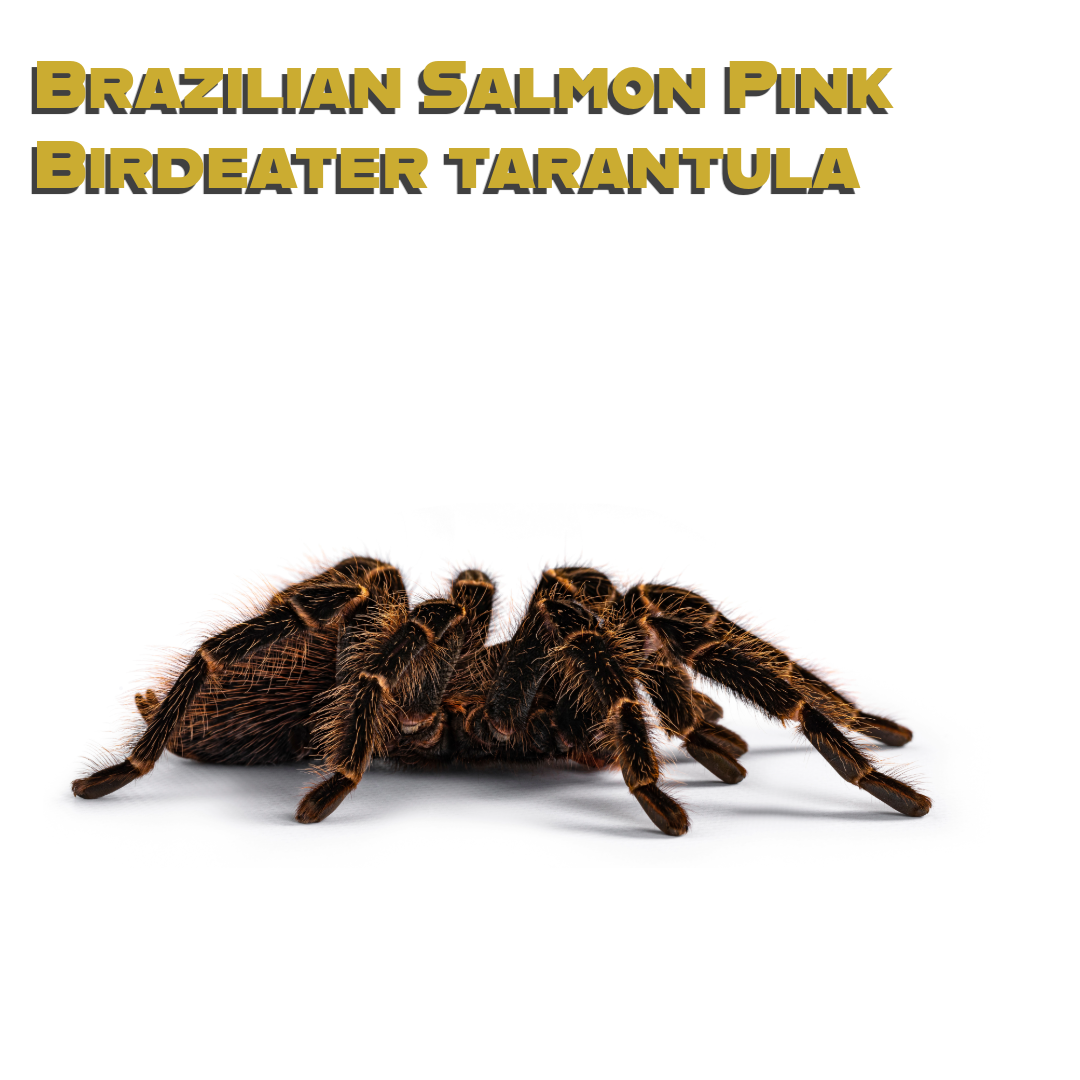
Caring for your Brazilian Salmon Pink Birdeater
The Brazilian Salmon Pink Birdeater is one of the largest tarantula species in the world, native to tropical regions of Brazil. Known for its impressive size and pinkish setae (hairs) covering a dark brown to black body, adults can reach an 8–10 inch leg span.
Despite the name “birdeater,” they rarely prey on birds in the wild and instead feed primarily on insects and small animals. This species is terrestrial and semi-burrowing, spending…

Caring for your Mexican Rose Grey Tarantula
The Mexican Rose Grey Tarantula is a hardy, terrestrial tarantula native to arid and semi-arid regions of Mexico. This species is known for its soft gray to brown coloration with subtle pinkish tones on the carapace, giving it a similar appearance…
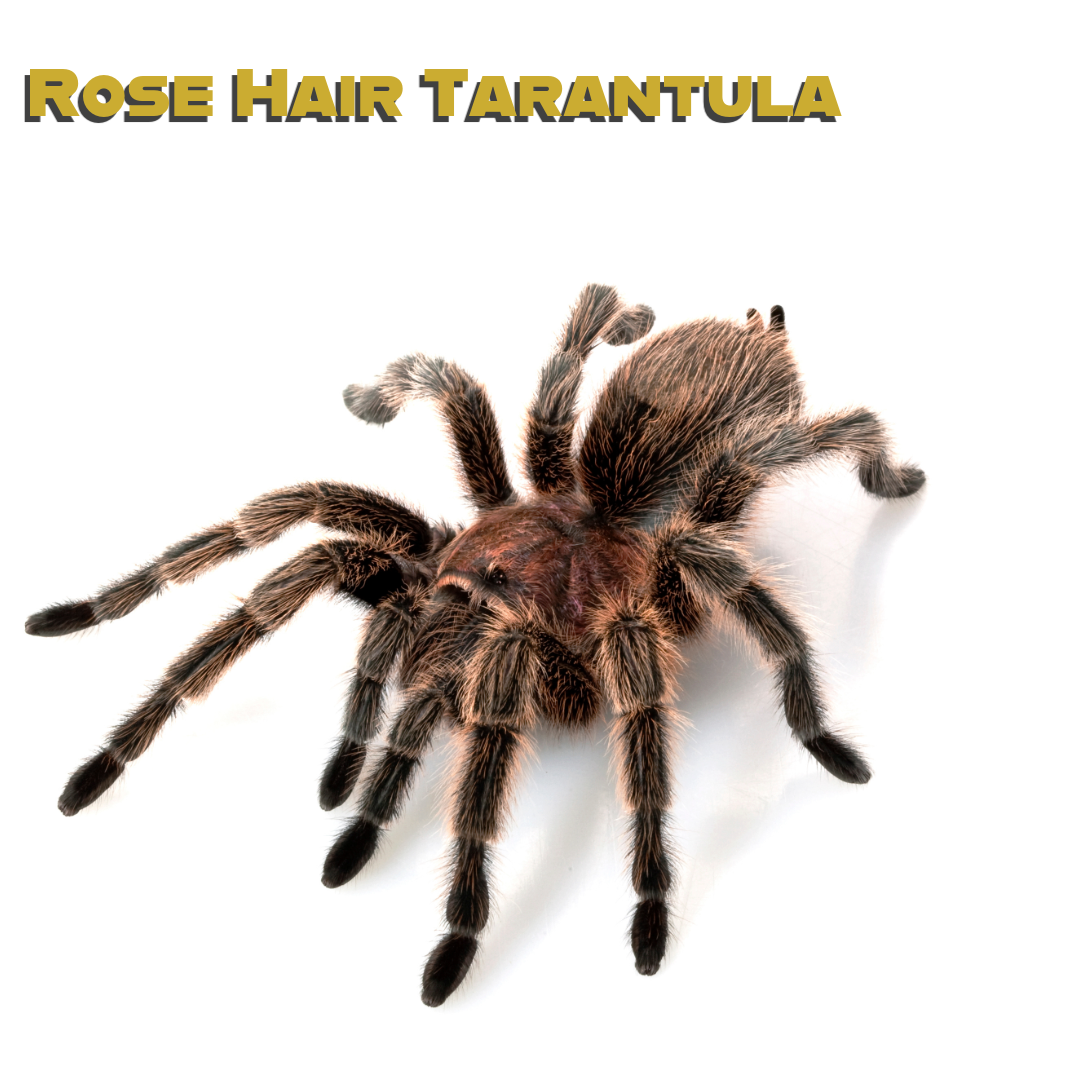
Caring for your Rose hair tarantula
The Chilean Rose Hair Tarantula is one of the most popular pet tarantulas in the hobby, native to the arid regions of Chile. Known for their calm demeanor and subtle coloration, they typically display brown to gray bodies with a slight pink or rose-colored sheen on their carapace. Adults usually reach a leg span of 4–5 inches…

Caring for your Chocolate Giant Millipede
The Chocolate Giant Millipede is a large, tropical millipede native to West Africa, particularly regions such as Ghana and surrounding countries. This species gets its name from its rich brown coloration and impressive size, with adults commonly reaching 6–8 inches…
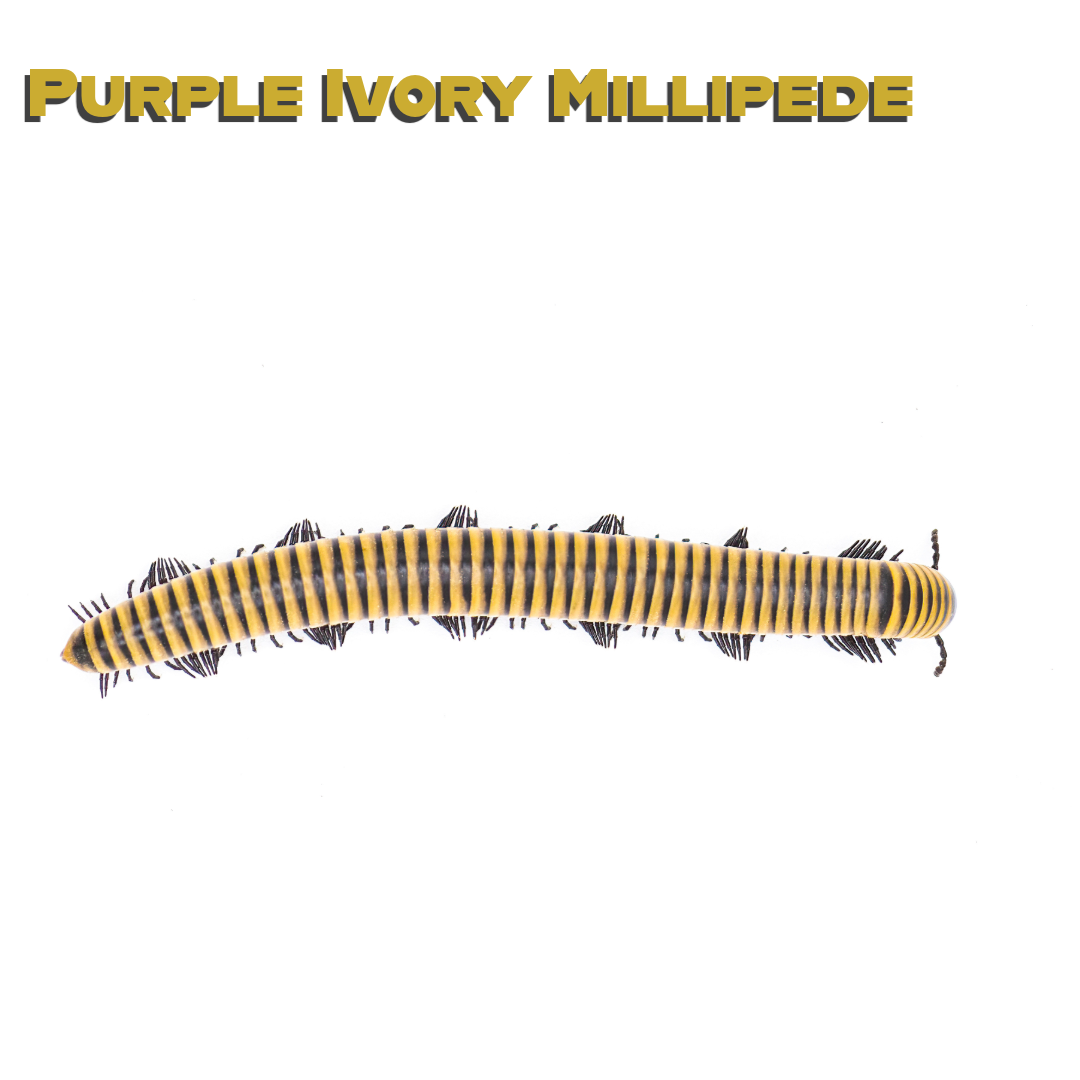
Caring for your Purple Ivory Millipede
The Purple Ivory Millipede is a large, visually striking millipede native to the southeastern United States, including regions such as Florida. This species is known for its smooth, glossy body with deep purplish tones contrasted by lighter pink or ivory-colored legs. Adults typically reach 4–6 inches…
Caring for your Question Mark Roaches
The Question Mark Roach is a small, beautifully patterned roach species native to tropical regions of India. It gets its name from the distinctive cream-colored markings on its dark wings that resemble question marks. Adults typically reach about 1–1.5 inches…
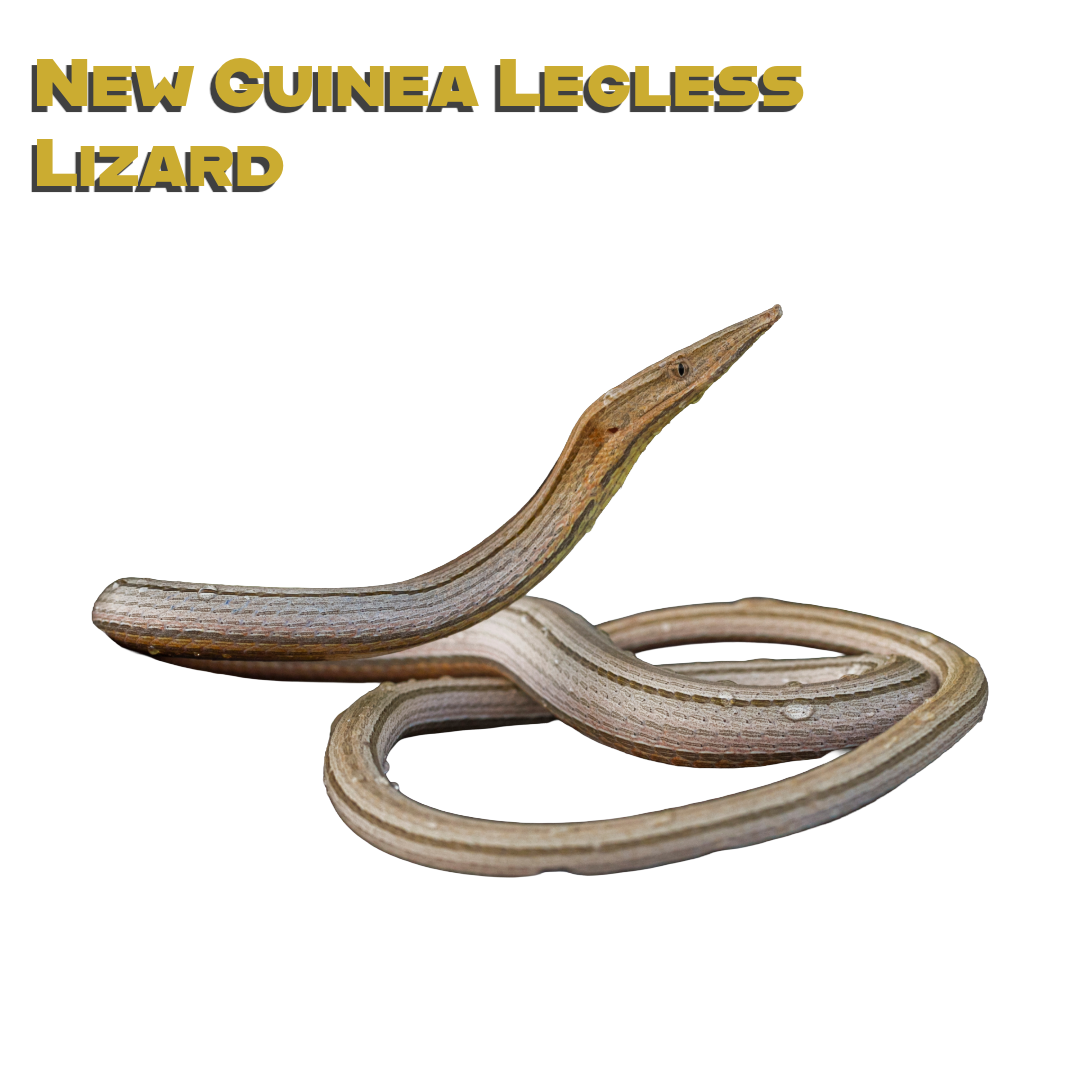
Caring for your New Guinea Legless Lizard
The New Guinea Legless Lizard is a highly specialized, snake-like lizard native to tropical regions of Papua New Guinea and northern Australia. Despite its appearance, it is not a snake but a member of the pygopod family—legless lizards that retain external ear openings and other lizard traits. Adults typically reach 16–24 inches in length, with a slender body…
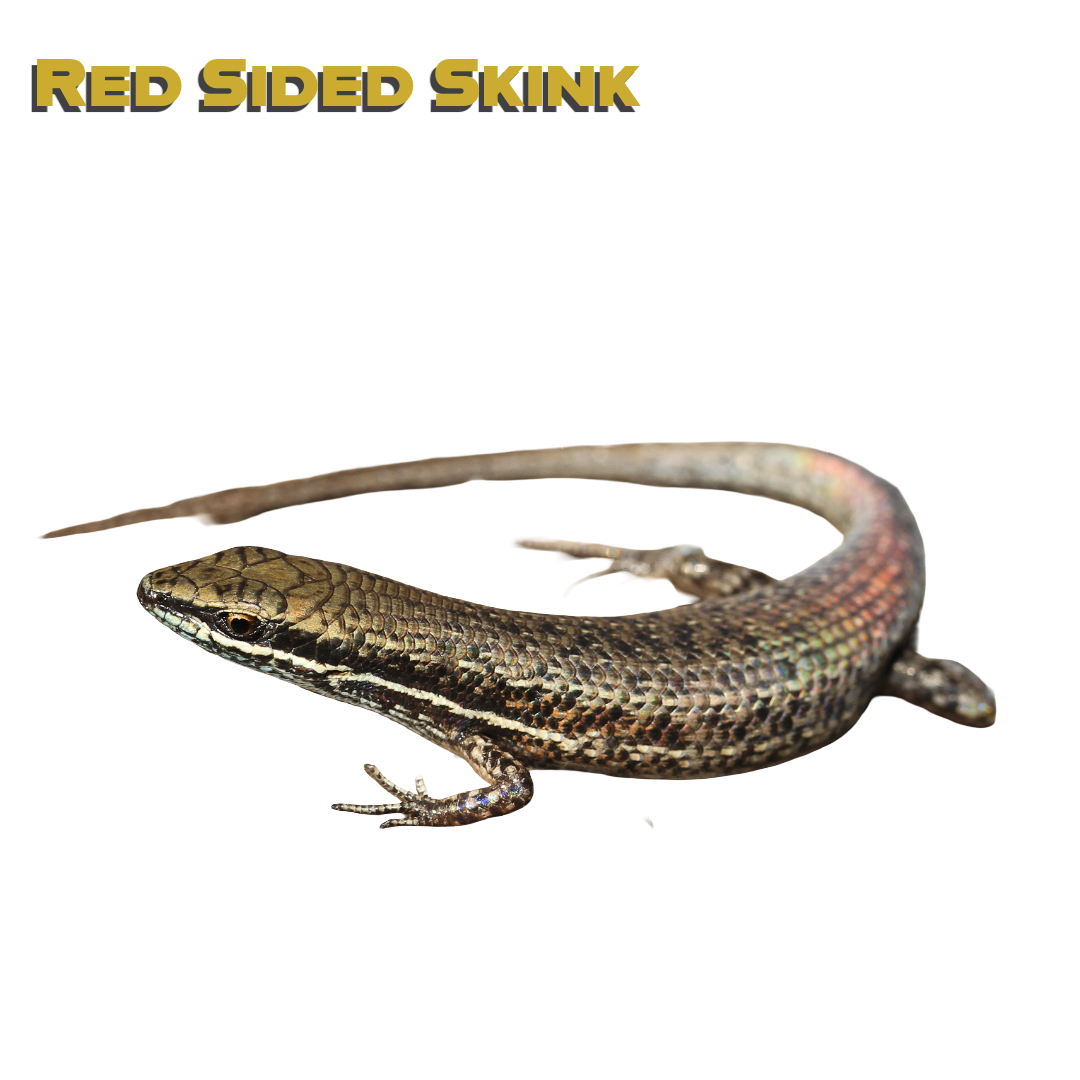
Caring for your Red Sided Skink
The Red-Sided Skink is a fast-moving, visually striking lizard native to eastern and southern regions of Africa, including countries like Tanzania. This species is known for its sleek body, smooth scales, and vibrant red or orange coloration along the sides, especially in males. Adults typically…
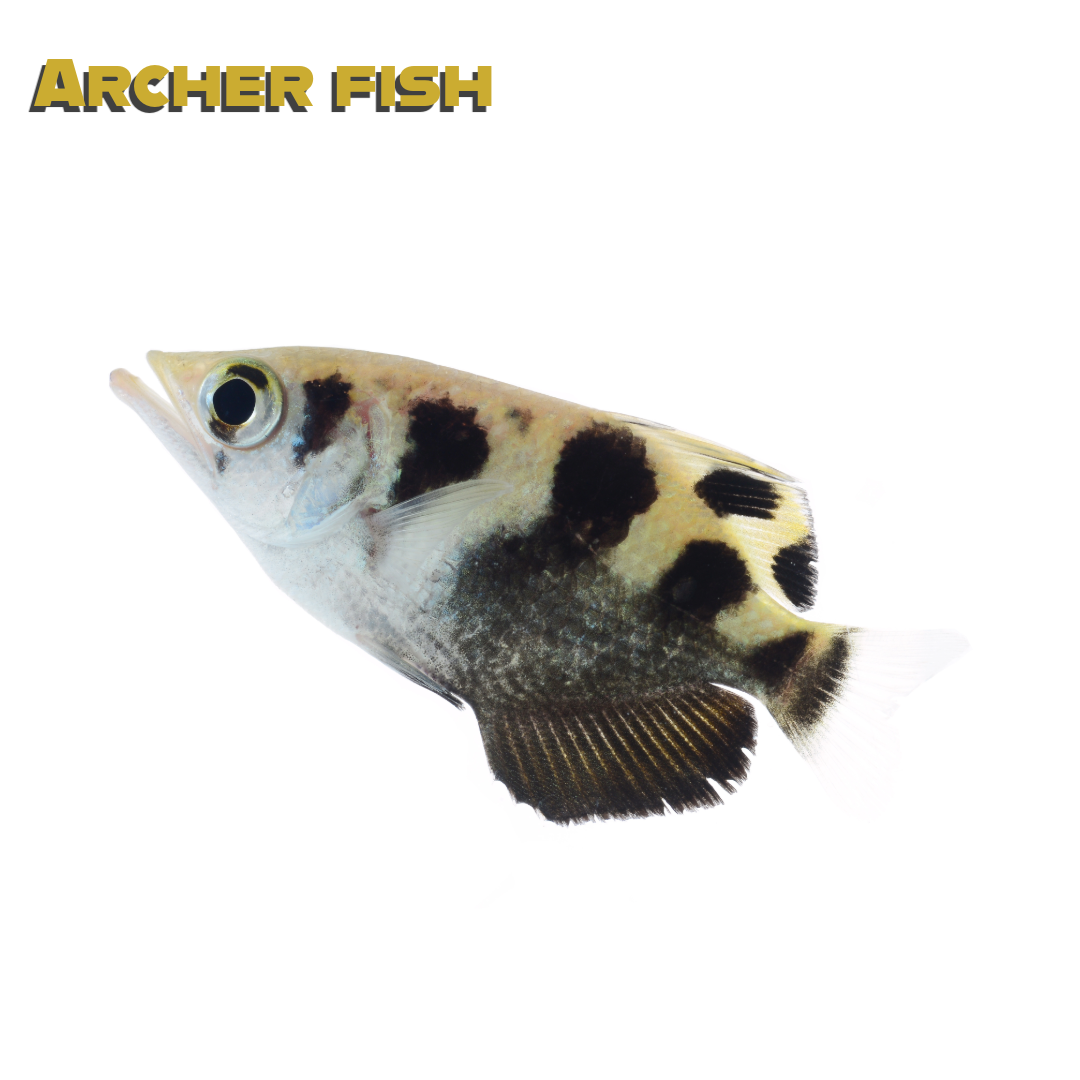
Caring for your Archer Fish
Archer Fish are a fascinating group of brackish to freshwater fish native to Southeast Asia and northern Australia, including regions like Indonesia. They are best known for their unique hunting behavior—shooting jets of water to knock insects off branches above the water’s surface. Adults typically reach 6–12 inches in length depending on s…
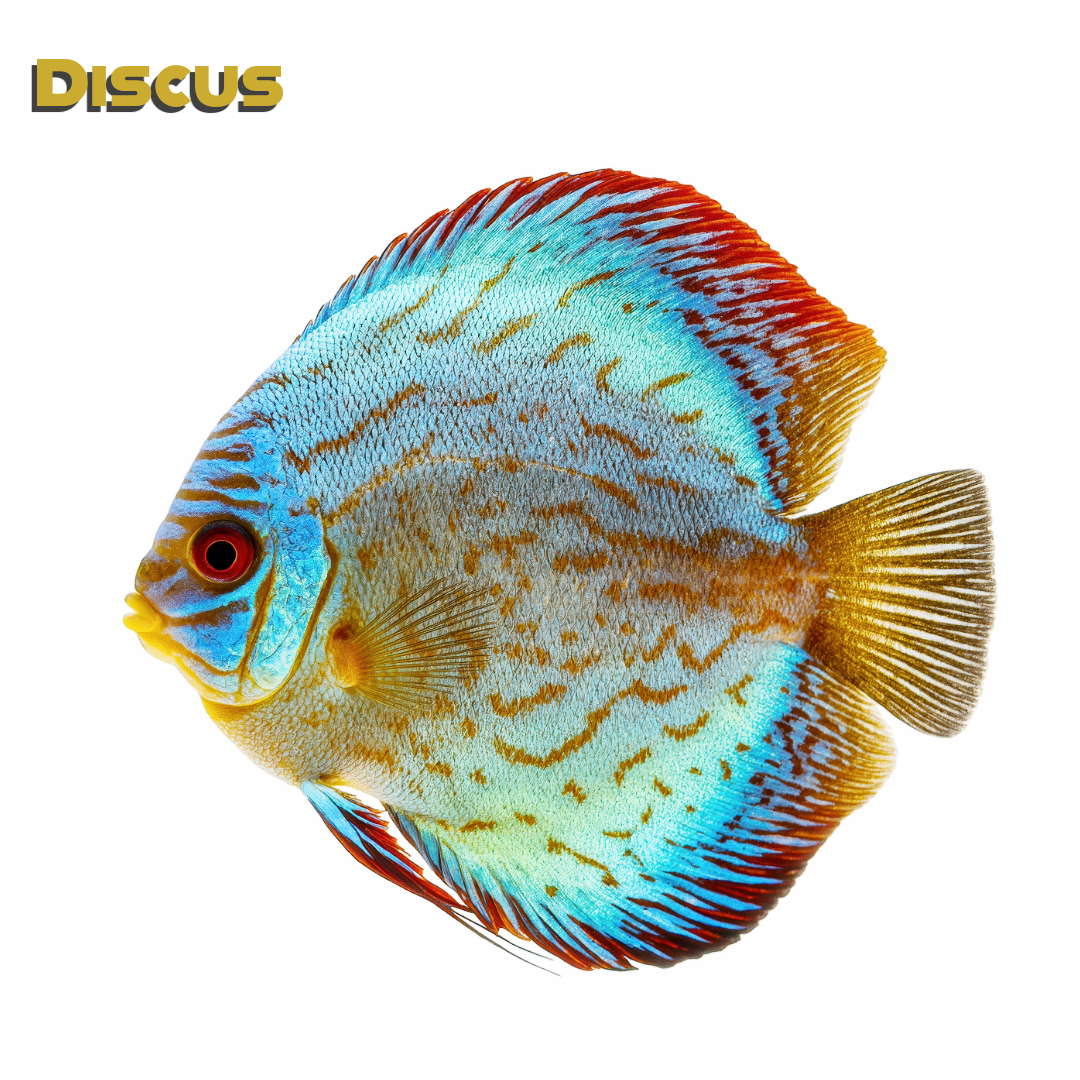
Caring for your Discus
Discus Fish are a highly sought-after freshwater species native to the slow-moving rivers and floodplains of the Amazon Basin, particularly in Brazil. Known for their round, disc-shaped bodies and vibrant coloration, discus are often considered one of the most beautiful…