

Caring for your Brazilian Salmon Pink Birdeater
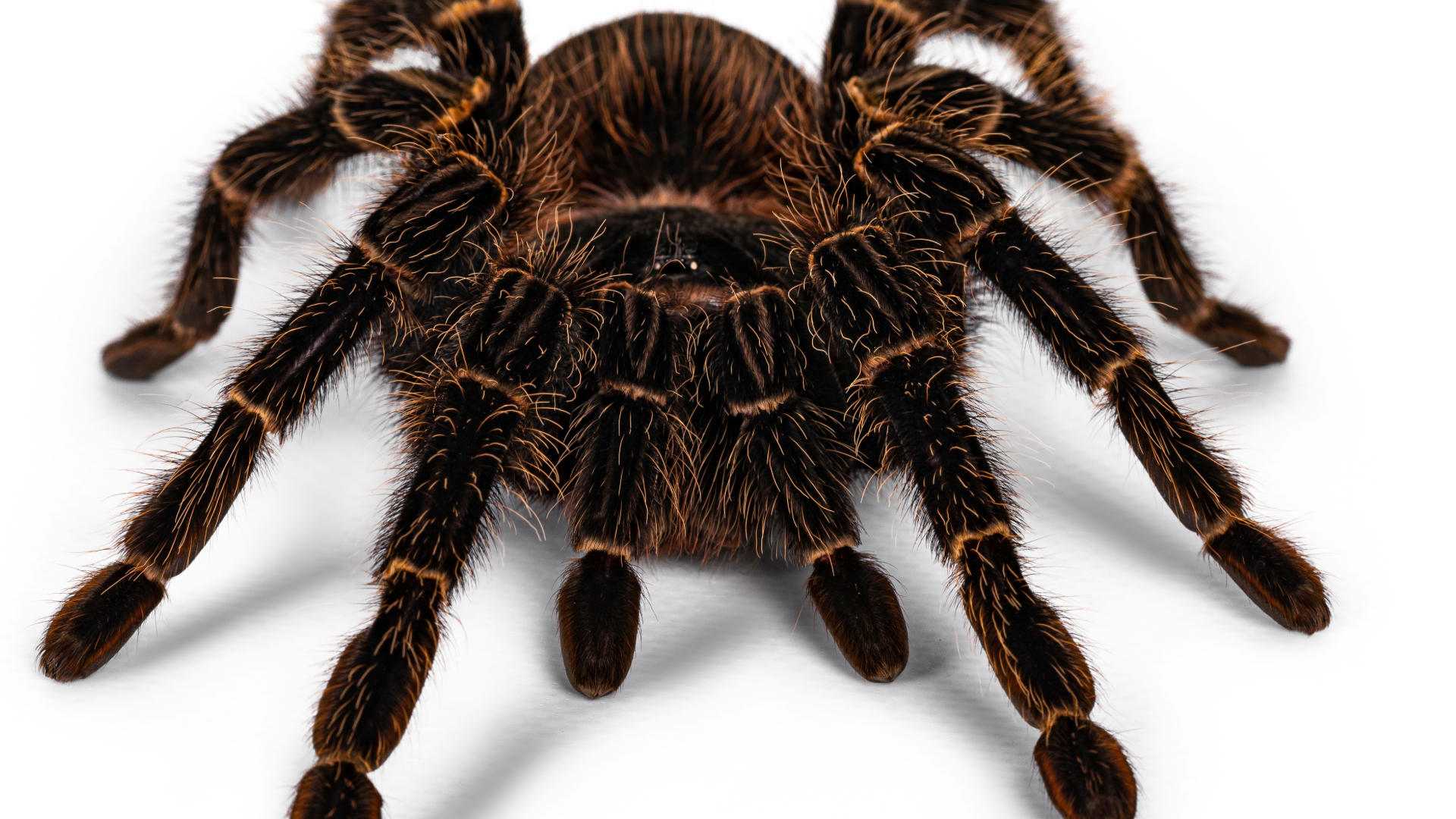
Brazilian Salmon Pink Birdeater Tarantula
(Lasiodora parahybana)
Basic Information:
The Brazilian Salmon Pink Birdeater is one of the largest tarantula species in the world, native to tropical regions of Brazil. Known for its impressive size and pinkish setae (hairs) covering a dark brown to black body, adults can reach an 8–10 inch leg span.
Despite the name “birdeater,” they rarely prey on birds in the wild and instead feed primarily on insects and small animals. This species is terrestrial and semi-burrowing, spending much of its time near a hide or shallow burrow. They are generally hardy and fast-growing but can be defensive and quick to kick urticating hairs when disturbed, making them better suited for intermediate keepers.
Lifespan:
• Females: 15–20 years
• Males: 3–5 years
Sexing:
Sexing is typically determined by experienced keepers.
• Males are slimmer with longer legs and mature faster.
• Females are larger-bodied and live significantly longer.
Enclosure:
• Juveniles: Small enclosure or critter keeper.
• Adults: 10–20 gallon enclosure or larger.
Provide a secure enclosure with good ventilation and a tight-fitting lid. Include a hide such as cork bark and allow space for movement. This species does not require climbing height but benefits from floor space.
Substrate:
A slightly moist, burrow-friendly substrate is ideal, such as:
• Coconut fiber
• Organic topsoil
• Soil-based mixes
Provide several inches of substrate to allow for digging and burrowing behavior.
Lighting & Temperature:
• Basking Spot: Not required
• Ambient Temperature: 72–80°F
• Cool Side: 70–72°F
• UVB Lighting: Not required. Provide a natural day/night cycle.
Maintain stable temperatures and avoid excessive heat.
Humidity:
Maintain moderate humidity (60–75%). Keep part of the substrate slightly moist, while allowing other areas to remain drier.
Food:
Brazilian Salmon Pink Birdeaters are carnivorous and have strong feeding responses.
• Feed appropriately sized insects such as crickets, roaches, and worms
• Larger individuals may occasionally take larger prey items
• Juveniles should be fed more frequently, while adults typically eat once per week
Water:
Provide a shallow water dish with fresh water at all times. Ensure it is stable and cleaned regularly.
Brazilian Salmon Pink Birdeaters are an impressive display species due to their massive size and bold presence. Their fast growth and hardy nature make them a rewarding species for keepers ready to work with a larger, more defensive tarantula.
Is There a Local Pet Store Selling Brazilian Salmon Pink Birdeater Tarantulas Near Me?
If you're in Berkeley County, West Virginia, it’s just a short drive to Critters, Reptiles & Exotics in Frederick, Maryland, where you can check availability of Brazilian Salmon Pink Birdeater Tarantulas and get expert advice on enclosure setup and care. Whether you're stepping into larger tarantulas or expanding your collection, there’s always a new adventure waiting at Critters, Reptiles & Exotics!