

Caring for your Red Sided Skink
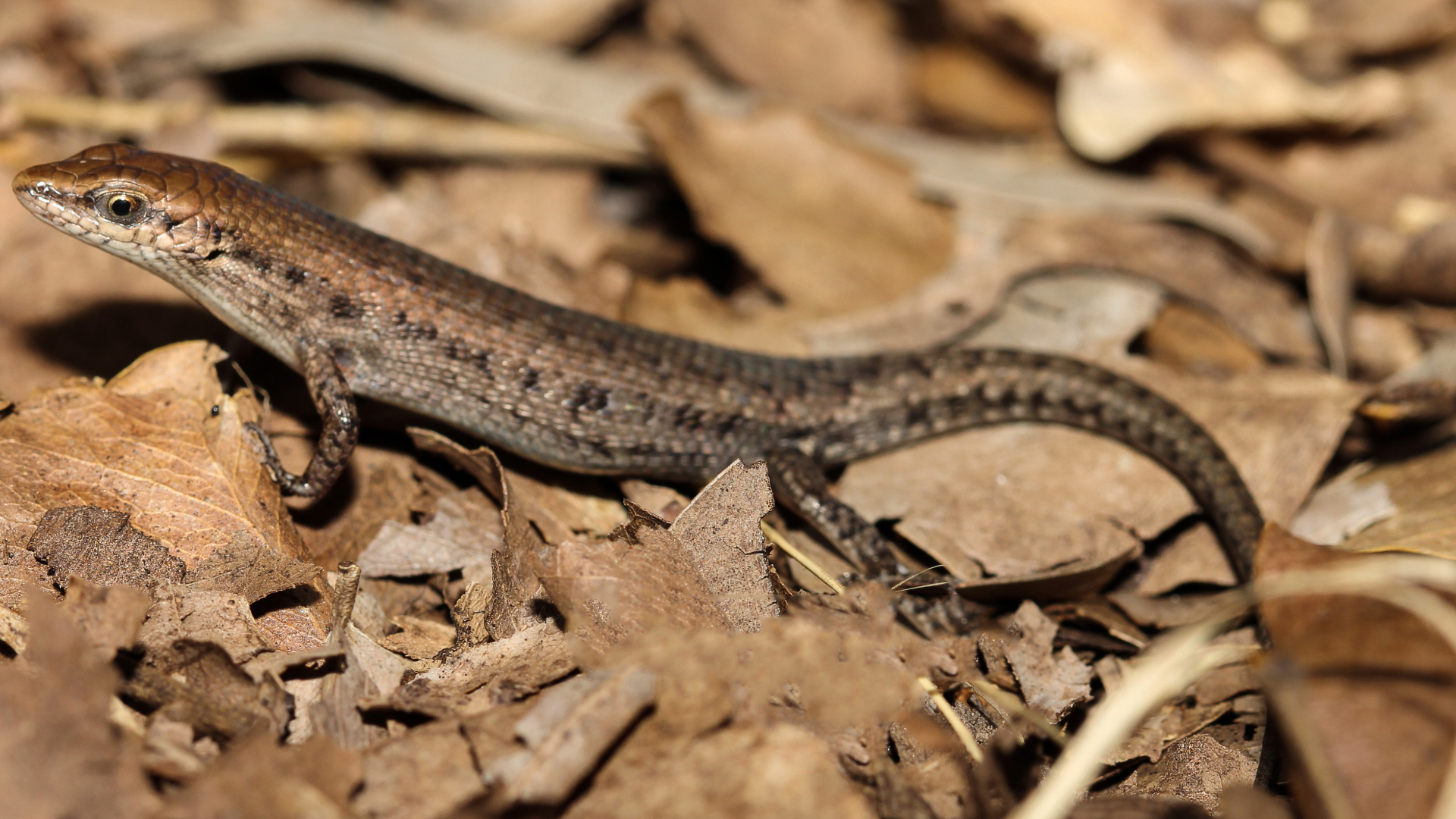
Red Sided Skink
Trachylepis homalocephala
Basic Information:
The Red-Sided Skink is a fast-moving, visually striking lizard native to eastern and southern regions of Africa, including countries like Tanzania. This species is known for its sleek body, smooth scales, and vibrant red or orange coloration along the sides, especially in males. Adults typically reach 6–8 inches in total length.
They are diurnal and highly active, spending much of their time basking, exploring, and hunting insects. Red-Sided Skinks are alert and quick, making them more suitable as display animals rather than handling pets. With proper setup and care, they are hardy and rewarding for keepers interested in active, terrestrial lizards.
Lifespan:
5–8 years in captivity with proper care.
Sexing:
Sexing is relatively straightforward in mature individuals.
• Males display brighter red or orange coloration along the sides.
• Females are typically more muted in color and slightly smaller.
Enclosure:
• Juveniles: 20-gallon enclosure minimum.
• Adults: 36” x 18” x 18” enclosure or larger.
Provide a horizontal, ground-focused enclosure with plenty of open space for movement. Include hides, rocks, cork bark, and branches for climbing and basking. A secure lid is important, as they are fast and capable of escaping.
Substrate:
A natural loose substrate that allows for digging is ideal, such as:
• Topsoil/sand mix
• Coconut fiber blends
• Bioactive substrate
Substrate should support natural behaviors like burrowing and thermoregulation.
Lighting & Temperature:
• Basking Spot: 95–100°F
• Ambient Temperature: 80–85°F
• Cool Side: 72–78°F
• UVB Lighting: Required (5.0–10.0) for 10–12 hours daily.
Proper UVB exposure is essential for calcium metabolism and overall health.
Humidity:
Maintain moderate humidity (40–60%) with a slightly more humid area or hide to assist with shedding.
Food:
Red-Sided Skinks are insectivorous.
• Feed crickets, roaches, mealworms, and other appropriately sized insects
• Juveniles should be fed daily
• Adults typically eat every other day
Variety in diet helps ensure proper nutrition.
Water:
Provide a shallow water dish with fresh water available at all times. Light misting can help maintain hydration but should not overly saturate the enclosure.
Supplementation:
Calcium without D3: Dust food 3–4 times weekly.
Calcium with D3: Use once a week if adequate UVB lighting is provided.
Multivitamins with D3: Offer once monthly in place of the Calcium with D3 to support overall health.
Red-Sided Skinks are active, colorful, and relatively hardy reptiles that thrive in well-designed enclosures. Their constant movement and bold coloration make them an engaging display species for keepers who enjoy observing natural behaviors.
Is There a Local Pet Store Selling Red-Sided Skinks Near Me?
If you're in Washington County, Maryland, it’s just a short drive to Critters, Reptiles & Exotics in Frederick, where you can check availability of Red-Sided Skinks and get expert advice on enclosure setup, lighting, and feeding. Whether you're expanding your reptile collection or looking for an active display species, there’s always a new adventure waiting at Critters, Reptiles & Exotics!