

Caring for your Greek Tortoise
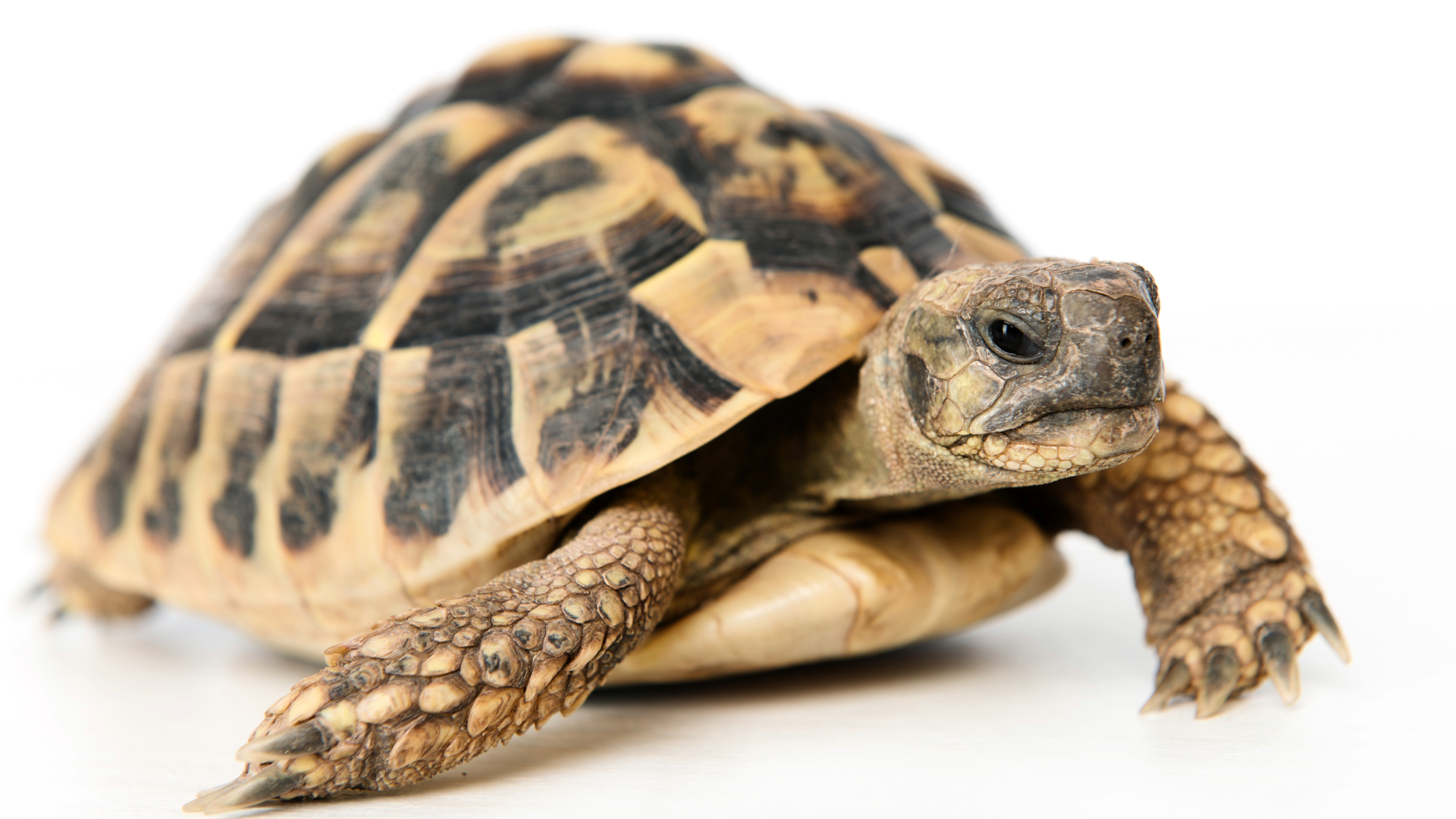
Greek Tortoise
Testudo graeca
Basic Information:
The Greek Tortoise is a small to medium-sized tortoise species native to dry, Mediterranean regions spanning parts of Southern Europe, North Africa, and the Middle East, including areas of Greece. Known for their domed shells with tan, yellow, and dark brown patterning, adults typically reach 6–10 inches in length depending on locality.
Greek Tortoises are diurnal and spend much of their day grazing, exploring, and basking. They are hardy reptiles but require proper diet, lighting, and space to thrive. With consistent care, they make excellent long-term pets for dedicated keepers.
Lifespan:
50–80+ years in captivity with proper care.
Sexing:
Sexing is best determined by an experienced keeper or veterinarian.
• Males typically have longer tails and a concave plastron
• Females are generally larger with shorter tails and flatter plastrons
Enclosure:
• Juveniles: 20-gallon equivalent enclosure (larger recommended)
• Adults: 4’ x 2’ enclosure minimum; larger tortoise tables or outdoor enclosures preferred
Provide a spacious, well-ventilated enclosure with hides, rocks, and areas for digging. Greek Tortoises benefit greatly from outdoor enclosures in appropriate climates.
Substrate:
A natural loose substrate that allows for digging is ideal, such as:
• Topsoil/sand mix
• Coconut fiber blends
• Packed soil substrates
Substrate should allow for burrowing while remaining relatively dry on the surface.
Lighting & Temperature:
• Basking Spot: 95–100°F
• Ambient Temperature: 75–85°F
• Cool Side: 70–75°F
• UVB Lighting: Required (10.0–12.0) for 10–12 hours daily
Proper UVB exposure is essential for calcium metabolism and shell health.
Humidity:
Maintain low to moderate humidity (30–50%), with slightly higher humidity available in hides or substrate layers for younger tortoises.
Food:
Russian Tortoises are herbivores.
Greek Tortoises are herbivores.
• Primary diet: leafy greens such as dandelion greens, collard greens, mustard greens, and turnip greens
• Occasional additions: weeds, flowers, and limited vegetables
Avoid high-protein foods and excessive fruit.
Water:
Provide a shallow water dish with fresh water at all times. Regular soaking, especially for juveniles, helps maintain hydration.
Greek Tortoises are hardy, active, and long-lived reptiles that make excellent companions for keepers willing to provide proper care. Their manageable size and engaging behavior make them a popular choice among tortoise enthusiasts.
Is There a Local Pet Store Selling Greek Tortoises Near Me?
If you're in Washington County, Maryland, it’s just a short drive to Critters, Reptiles & Exotics in Frederick, where you can check availability of Greek Tortoises and get expert advice on enclosure setup, UVB lighting, and diet. Whether you're starting your first tortoise or expanding your collection, there’s always a new adventure waiting at Critters, Reptiles & Exotics!