

Caring for your Purple Ivory Millipede
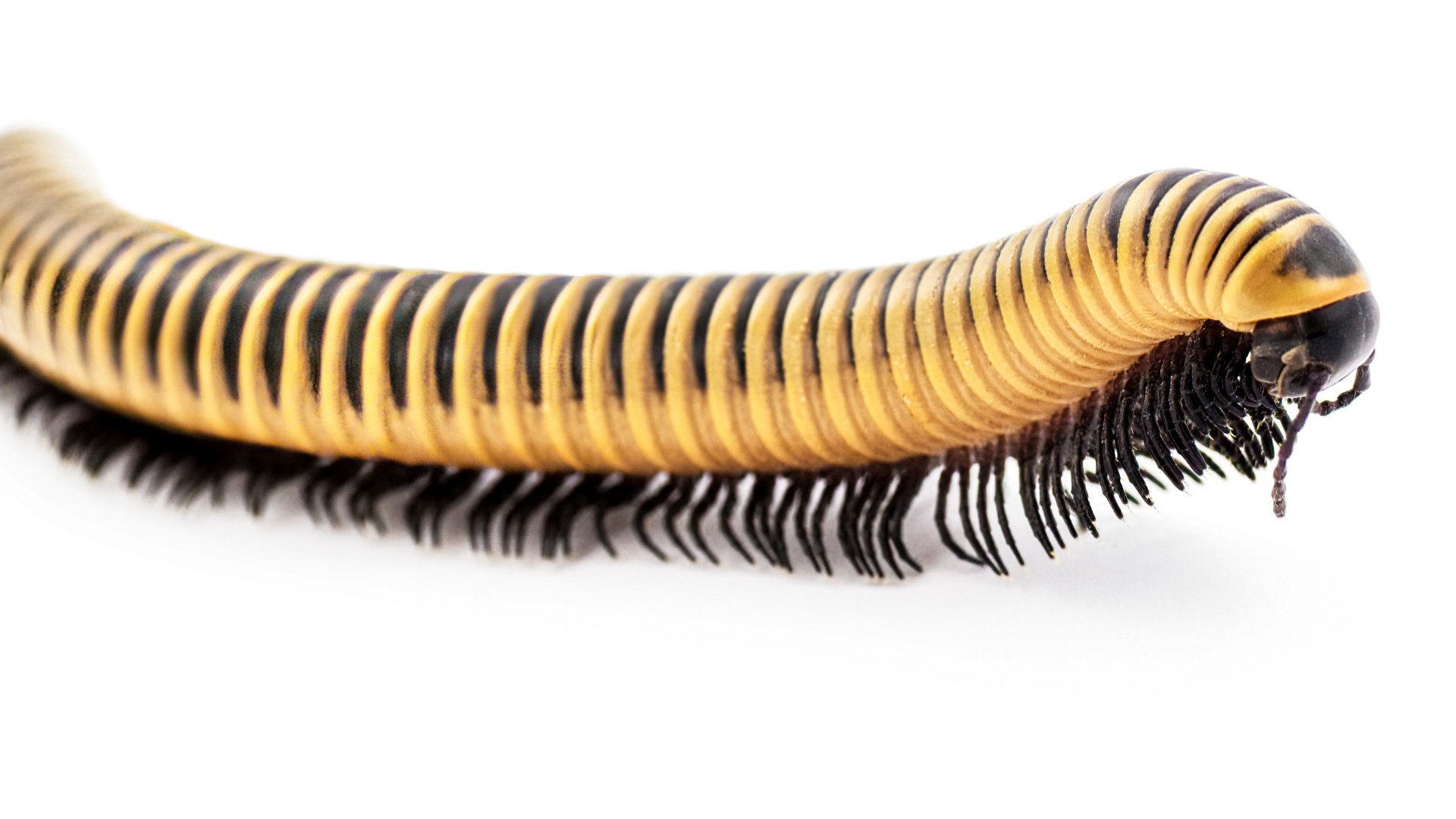
Purple Ivory Millipede
(Chicobolus spinigerus)
Basic Information:
The Purple Ivory Millipede is a large, visually striking millipede native to the southeastern United States, including regions such as Florida. This species is known for its smooth, glossy body with deep purplish tones contrasted by lighter pink or ivory-colored legs. Adults typically reach 4–6 inches in length.
They are slow-moving, peaceful detritivores that spend much of their time burrowing through substrate or exploring leaf litter. Like most millipedes, they may release a mild defensive secretion when threatened, which can irritate sensitive skin. They are best suited as display animals with minimal handling.
Lifespan:
5–10 years in captivity with proper care.
Sexing:
Sexing is difficult and not typically necessary for general care.
• Males have modified legs (gonopods) that can be seen upon close inspection.
• Females are often slightly larger and more robust.
Enclosure:
• Juveniles: Small terrarium (5–10 gallons).
• Adults: 10–20 gallon enclosure or larger.Provide a secure, well-ventilated enclosure with plenty of leaf litter, cork bark, and hiding spaces. A naturalistic or bioactive setup is ideal for this species.
Substrate:
A deep, nutrient-rich substrate is essential, such as:
• Organic topsoil
• Decaying hardwood leaf litter
• Rotting wood mixed into substrate
Substrate should be several inches deep to support burrowing and feeding.
Use Critters, Reptiles & Exotics ISOPOD & MILLIPEDE Substrate to ensure a proper food source, and humidity level.
Lighting & Temperature:
• Basking Spot: Not required
• Ambient Temperature: 72–78°F
• Cool Side: 70–72°F
• UVB Lighting: Not required. Provide a natural day/night cycle.
Avoid excessive heat and direct lighting.
Humidity:
Maintain 70–90% humidity. The substrate should remain consistently moist (not waterlogged) to support hydration and molting.
Food:
Purple Ivory Millipedes are detritivores.
• Primary diet consists of decaying leaves and rotting wood
• Supplemental foods can include vegetables such as cucumber, zucchini, and carrots
A well-established substrate will provide most of their nutritional needs.
Water:
They obtain moisture from their substrate and environment. Regular misting is essential; a water dish is not required.
Handling:
Generally safe to handle gently but avoid stressing the millipede
Wash hands after handling, as millipedes can secrete mild irritants
Purple Ivory Millipedes are a great choice for keepers looking for a large, visually impressive, and easy-to-care-for invertebrate. Their calm nature and compatibility with bioactive setups make them ideal for both beginners and experienced hobbyists.
Is There a Local Pet Store Selling Purple Ivory Millipedes Near Me?
If you're in Adams County, Pennsylvania, it’s just a short drive to Critters, Reptiles & Exotics in Frederick, Maryland, where you can check availability of Purple Ivory Millipedes and get expert advice on substrate setup, humidity, and bioactive care. Whether you're starting a new enclosure or expanding your collection, there’s always a new adventure waiting at Critters, Reptiles & Exotics!