

Use the search feature to find your pet’s care sheet!
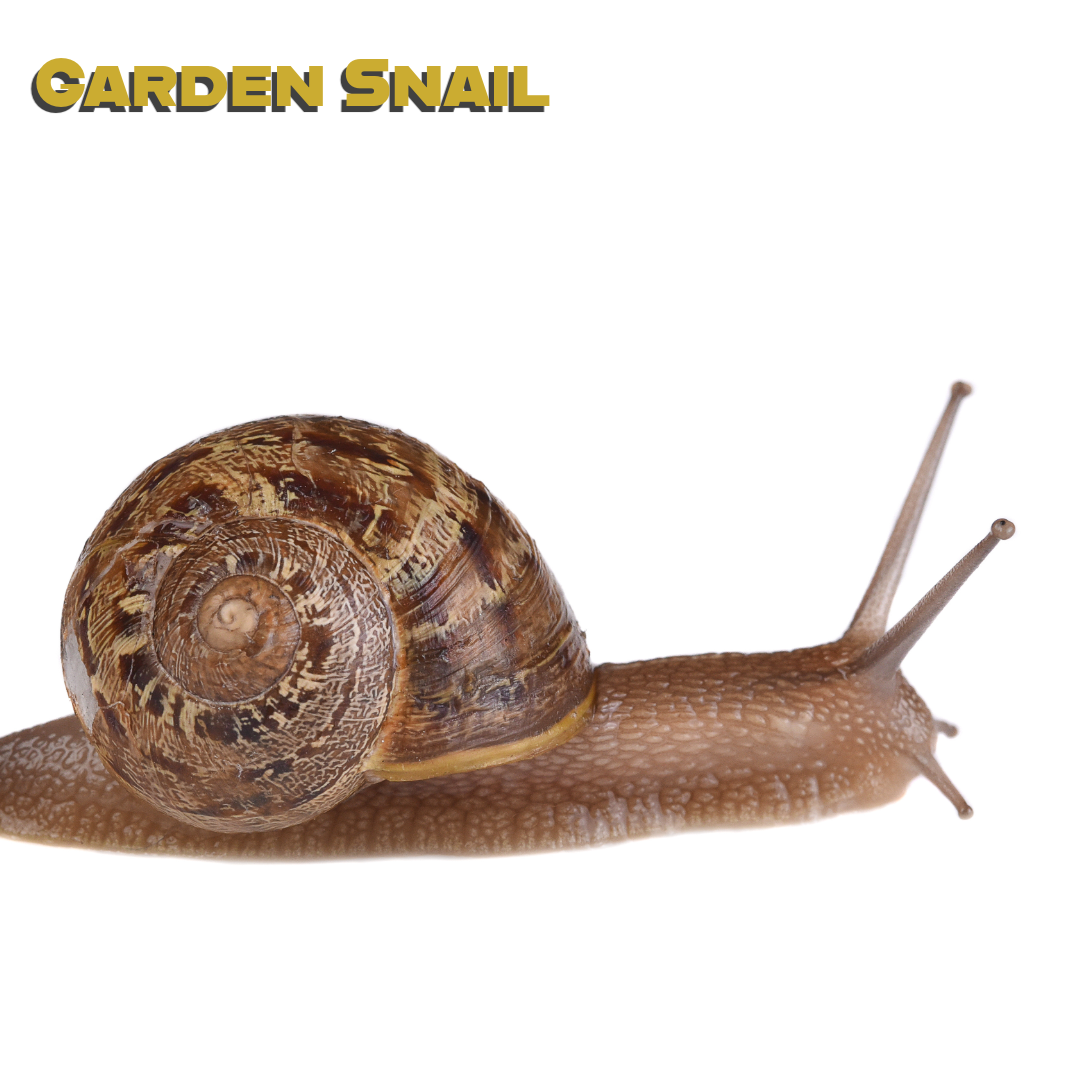
Caring for your Garden Snail
The Garden Snail, also known as the Brown Garden Snail or European Garden Snail, is a small terrestrial gastropod native to the Mediterranean region but now widespread across Europe, North America, and many temperate climates. These snails grow to about 1–1.5 inches in shell…
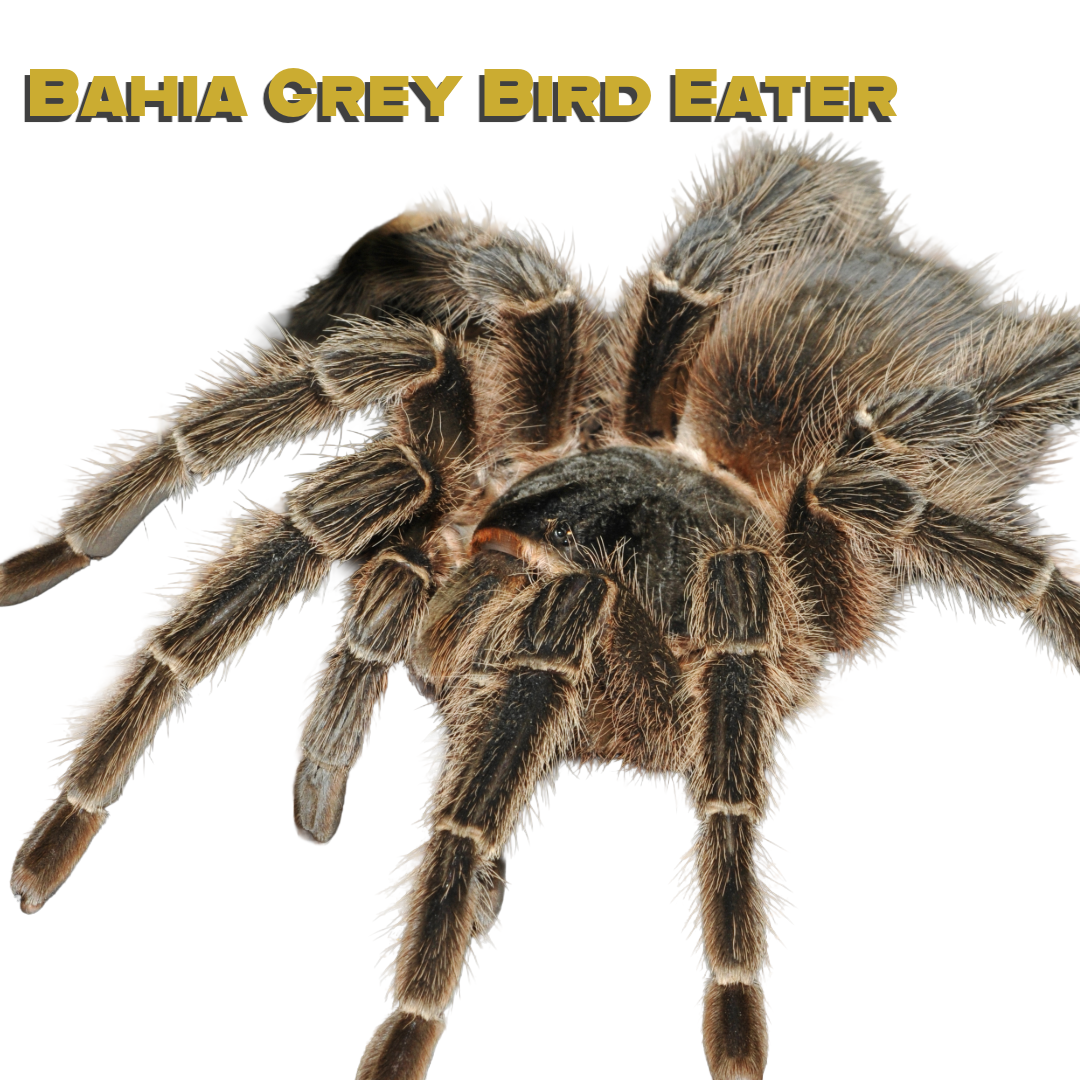
Caring for your Bahia Grey Bird-Eater
The Bahia Grey Bird-Eater is a large, striking terrestrial tarantula native to the Atlantic forests of Bahia, Brazil. Known for its charcoal-grey coloration, bold leg striping, and heavy body, this species reaches an impressive 7–8 inches in leg span. It is an active and visible tarantula that frequently rearranges…
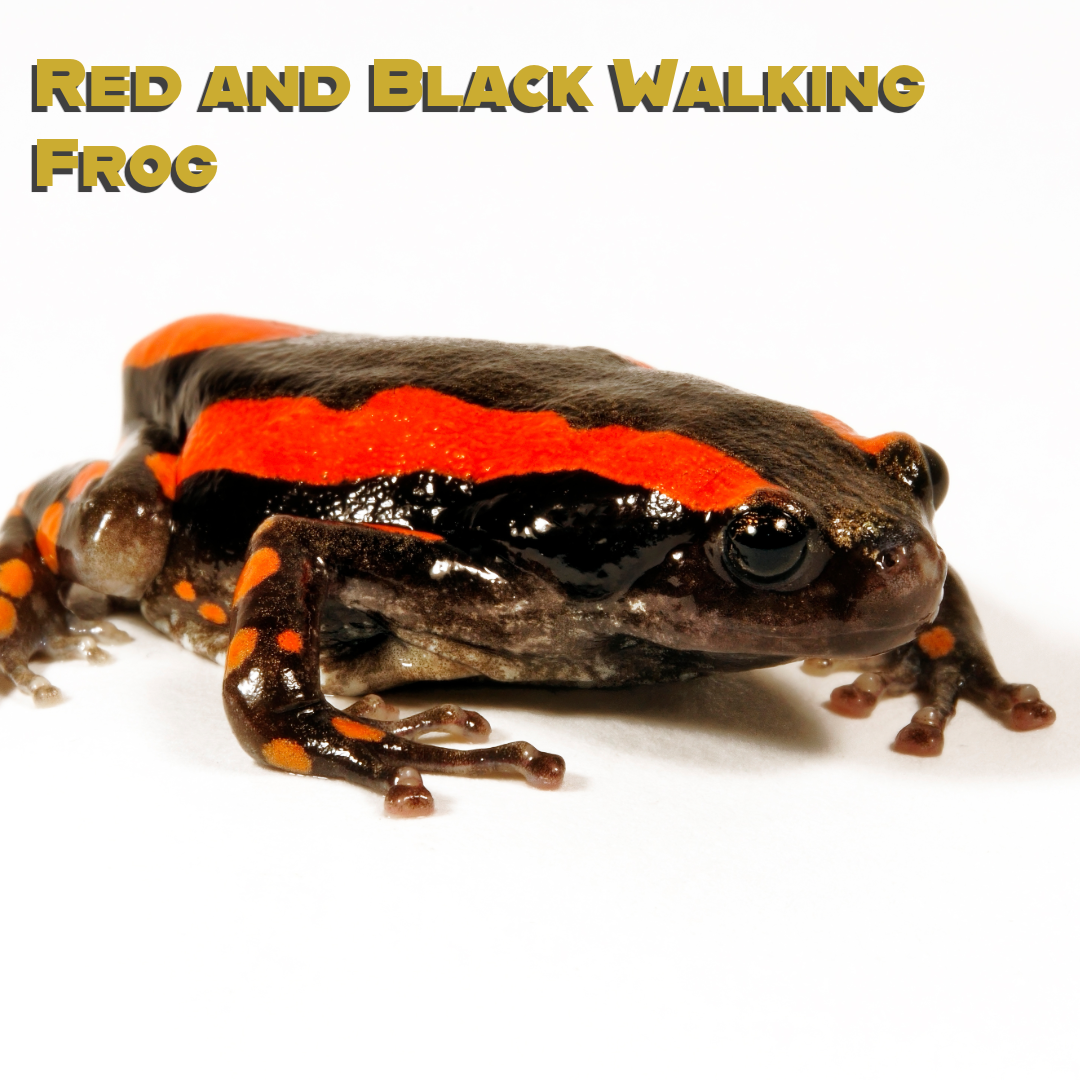
Caring for your Red and Black Walking Frog
Red and Black Walking Frogs are striking, terrestrial amphibians known for their glossy black bodies contrasted by vivid red or orange markings. Unlike many frogs, they prefer walking over hopping, using deliberate movements as they navigate the forest floor. Native to humid tropical regions, they thrive in cool, shaded environments with dense leaf litter. Adults typically reach…

Caring for your Sugar Glider
Sugar Gliders are small, nocturnal marsupials native to Australia, Tasmania, Indonesia, and Papua New Guinea. They are named for their love of sweet nectars and their ability to glide between trees using a membrane (patagium) stretching from wrist to ankle. Adults typically weigh 3–5 ounces and measure 5–7 inches in body length, with an additional long, semi-prehensile tail. Highly social and extremely active, they…
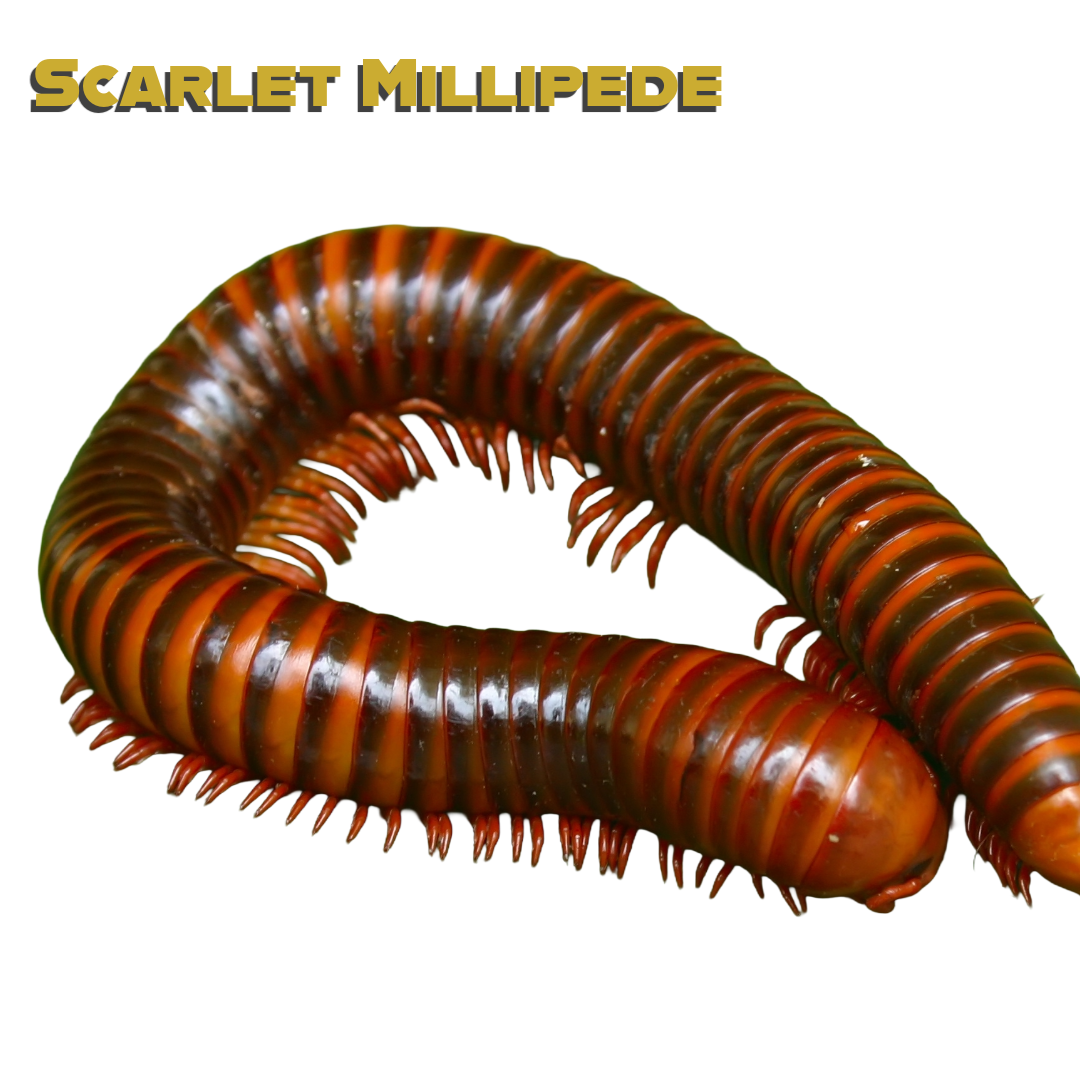
Caring for your Scarlet Millipede
Scarlet Millipedes are beautifully colored, smooth-bodied millipedes known for their bright red or orange segments contrasted with darker legs and antennae. Native to Southeast Asia, they inhabit warm forest floors rich in leaf litter and decaying wood. They are nocturnal scavengers, spending most of the day…
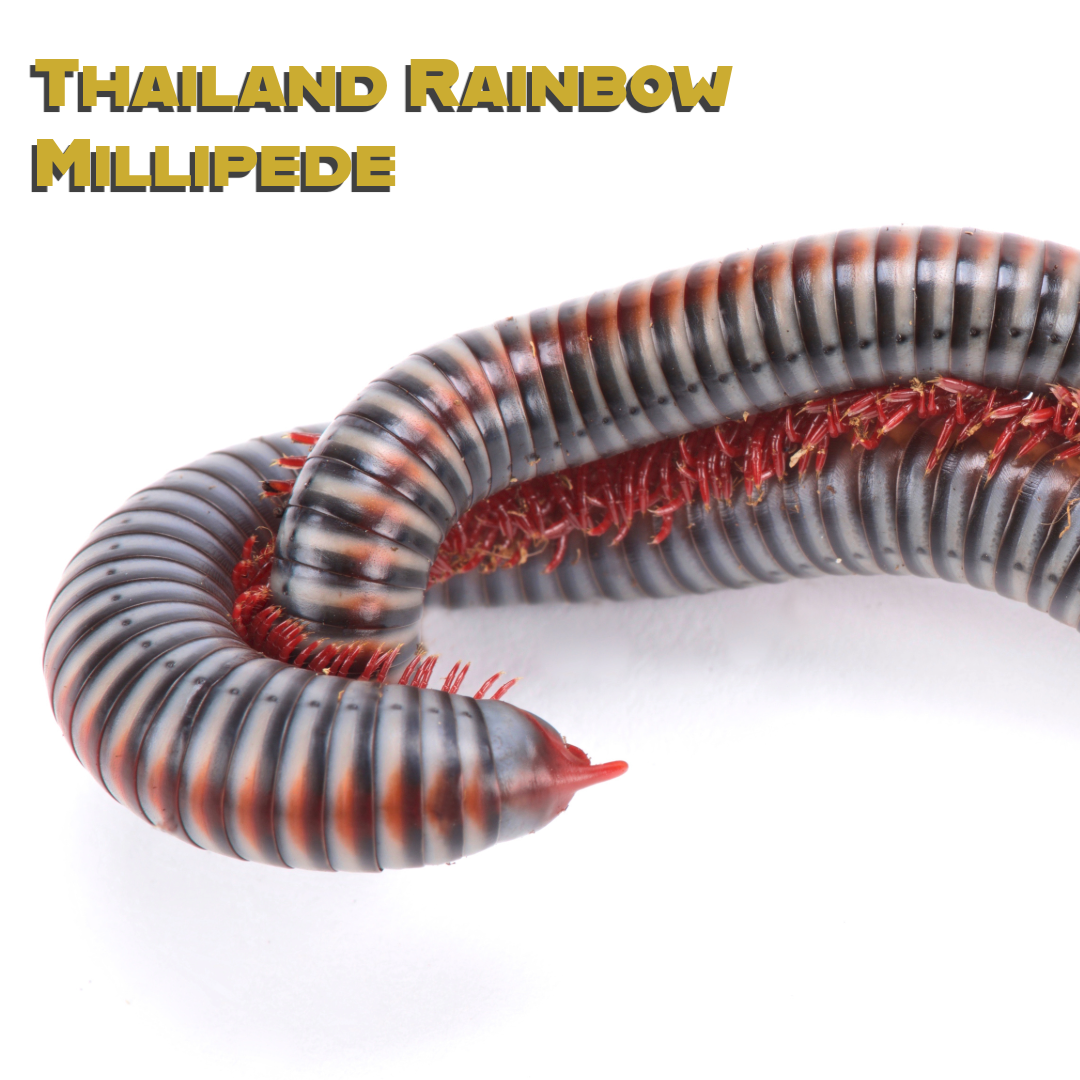
Caring for your Thailand Rainbow Millipede
Thailand Rainbow Millipedes are vibrant, eye-catching invertebrates known for their striking bands of red, orange, yellow, and deep black, giving them a rainbow-like appearance. Native to the tropical forests of Southeast Asia, these nocturnal millipedes spend most of their time…
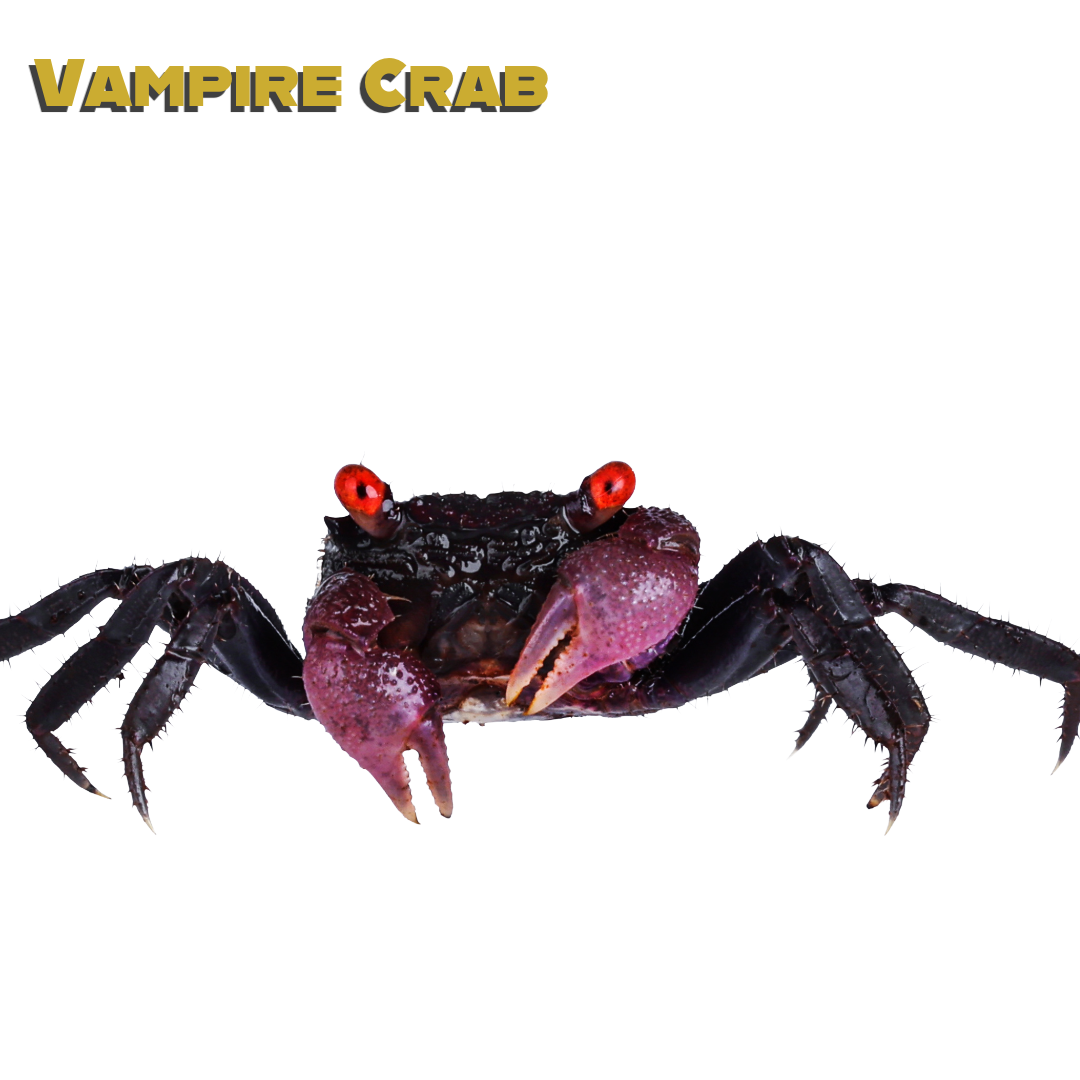
Caring for your Vampire Crab
Purple Vampire Crabs are small, brilliantly colored semi-terrestrial crabs native to the tropical forests and riverbanks of Indonesia and Southeast Asia. Despite their vivid purple bodies and bright yellow eyes, they remain tiny. They are primarily terrestrial, spending most of their time on land but…
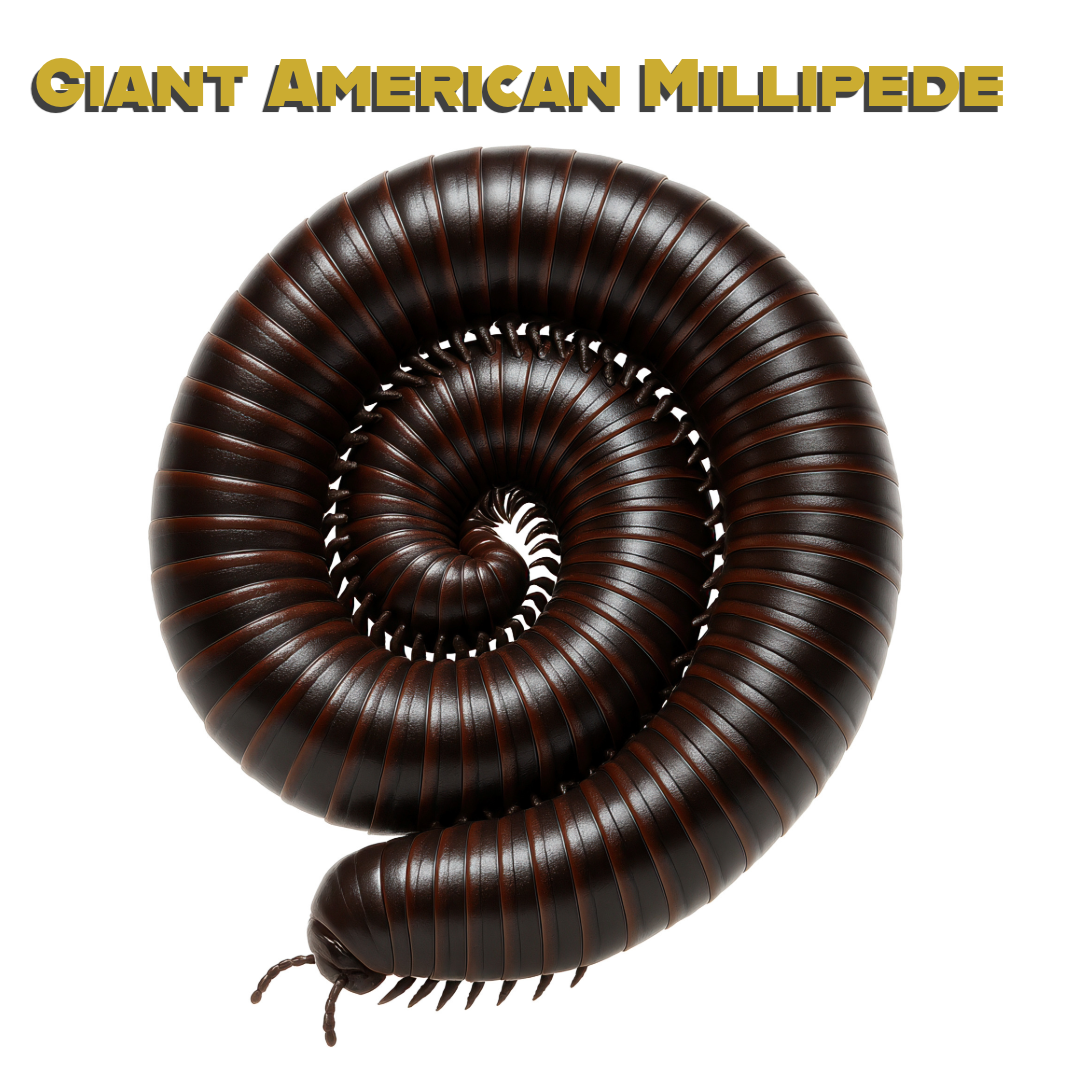
Caring for your Giant American Millipede
The American Giant Millipede is a hardy, slow-moving detritivore native to forests across the eastern United States, where it lives among leaf litter, rotting logs, and moist soil layers. Known for its smooth, cylindrical body and dark brown to black coloration, this species typically reaches 4–5 inches, though some individuals grow slightly larger. They are peaceful, non-aggressive invertebrates that prefer dim environments and are most active at night, making them excellent…
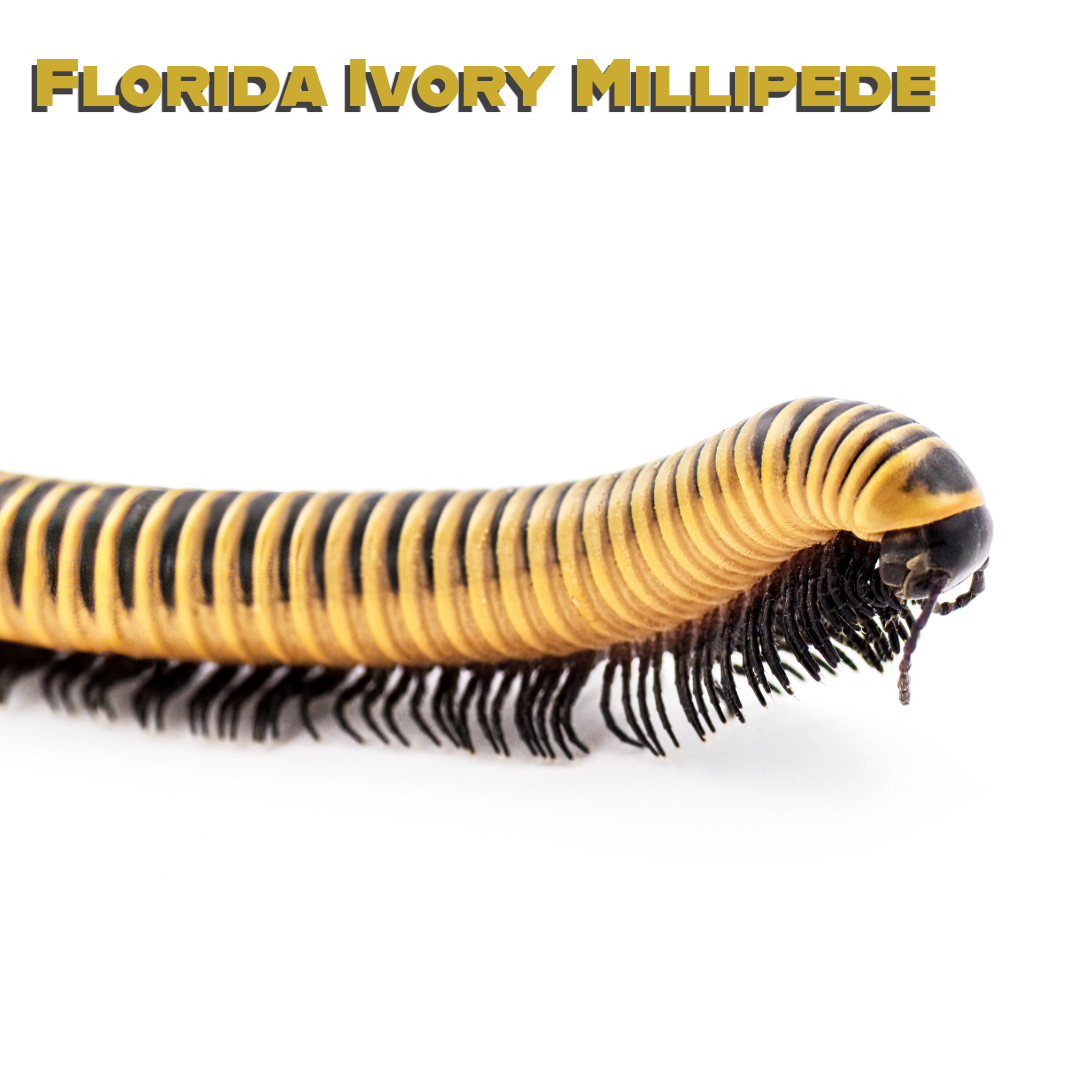
Caring for your Florida Ivory Millipede
The Florida Ivory Millipede is a smooth-bodied, medium-sized millipede native to the southeastern United States, especially Florida and Georgia. Known for their creamy ivory-white coloration contrasted with darker segment lines, these millipedes are gentle, slow-moving detritivores that thrive in warm, humid forest-floor…
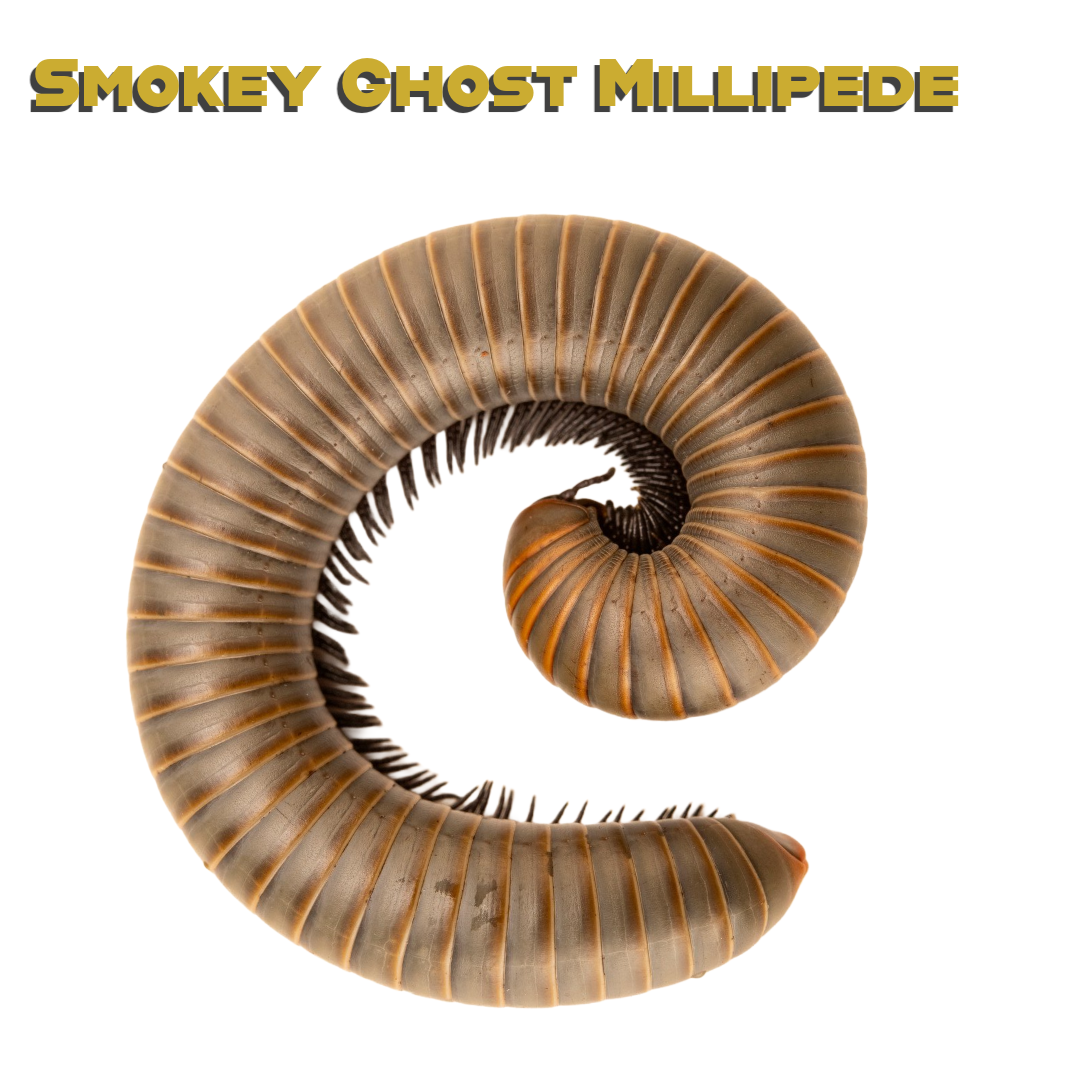
Caring for your Smokey Ghost Millipede
The Smokey Ghost Millipede is a beautiful, medium-sized species native to the humid tropical forests of Madagascar. Known for their smooth bodies and smoky charcoal-to-slate coloration, these millipedes are peaceful, slow-moving detritivores that spend most of their time burrowed beneath leaf litter and…
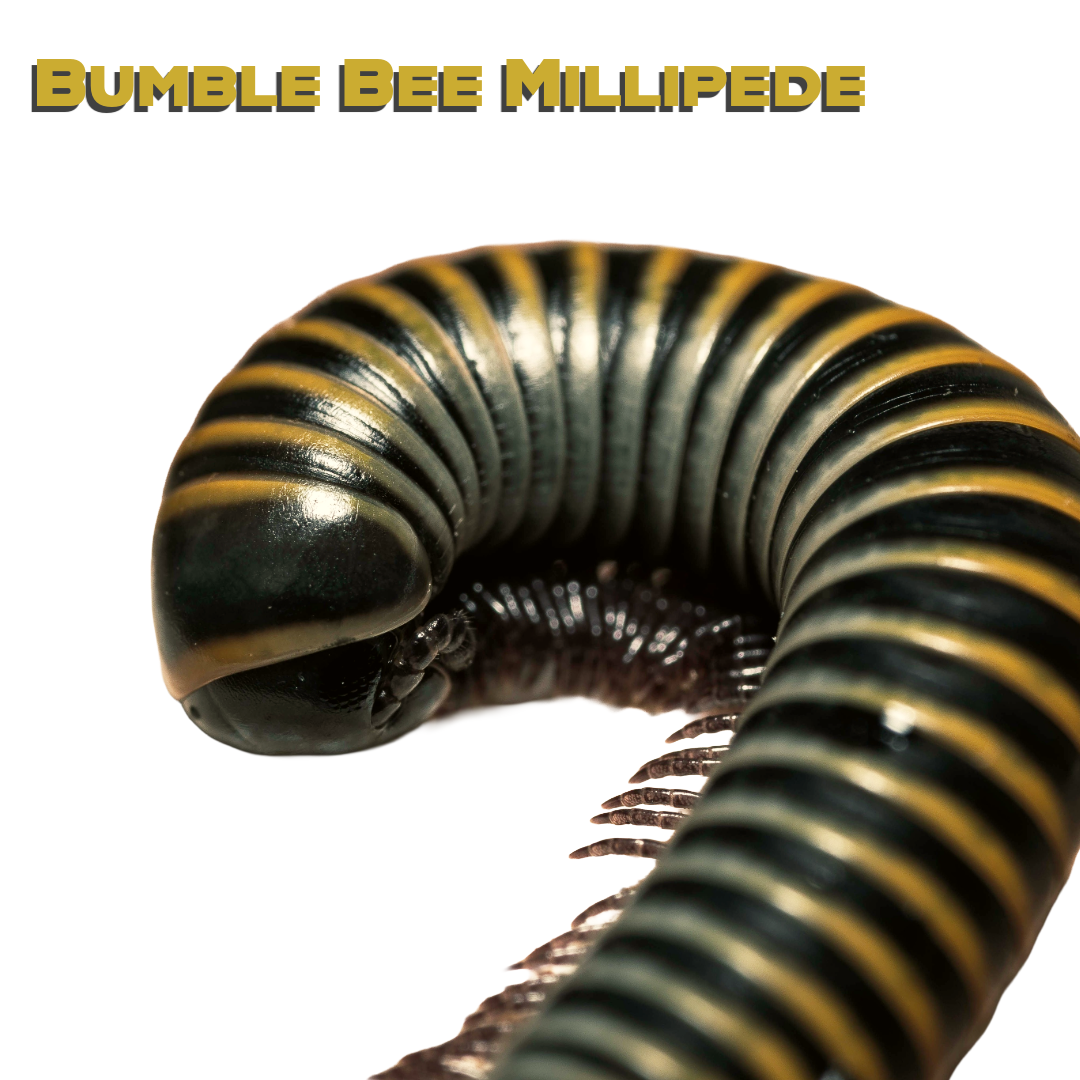
Caring for your Bumblebee Millipede
The Bumblebee Millipede is a small, brightly colored species native to the Caribbean and parts of southern Florida. Known for their striking yellow-and-black banded bodies, these millipedes are peaceful detritivores that thrive in warm, humid environments rich in decomposing plant matter. Their gentle temperament, vibrant coloration, and simple care…
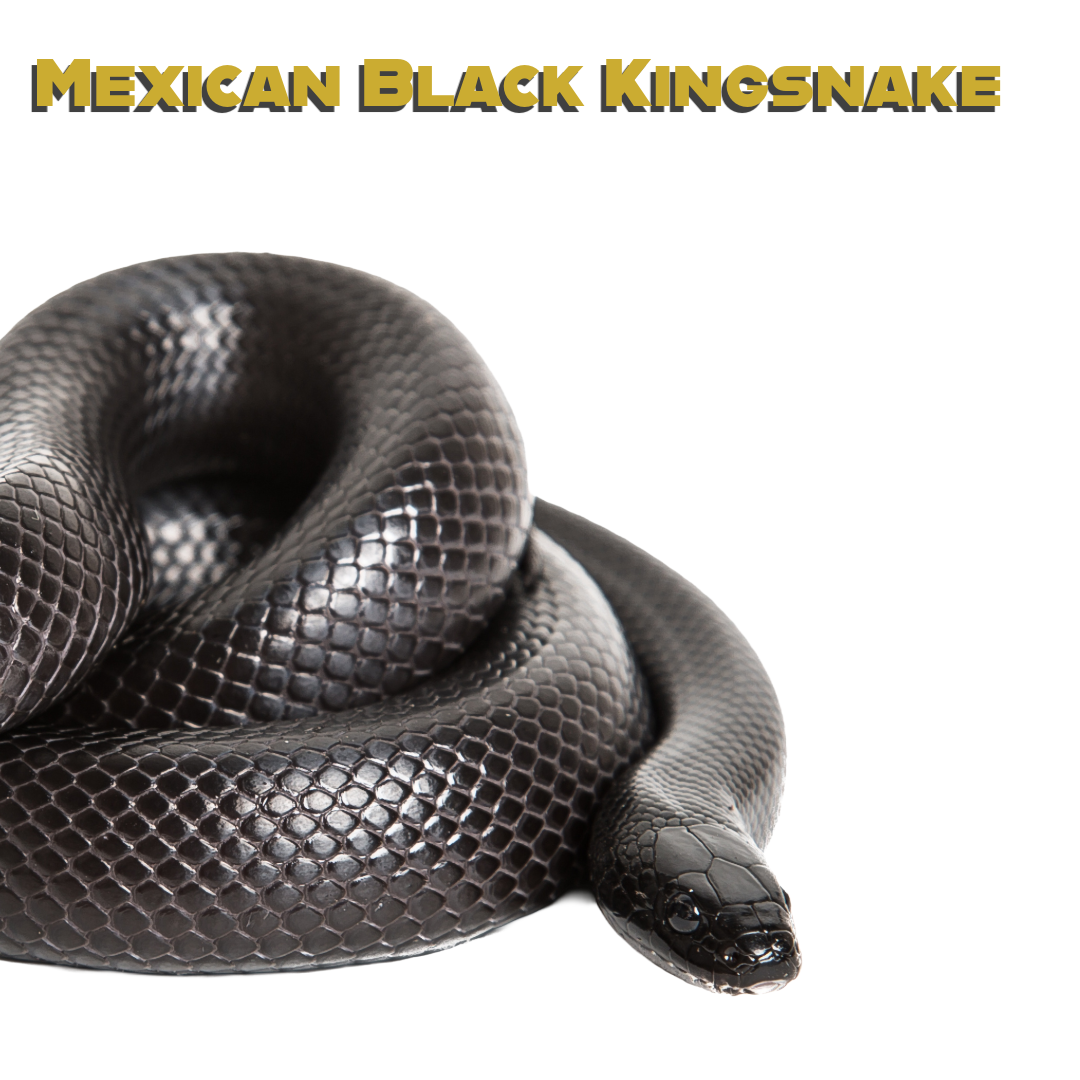
Caring for your Mexican Black King Snake
The Mexican Black Kingsnake is a striking, jet-black colubrid native to northwestern Mexico, where it inhabits deserts, scrublands, rocky outcrops, and semi-arid grasslands. Known for their glossy, solid-black scales and calm demeanor, these snakes are popular among both beginners and experienced keepers. As opportunistic…
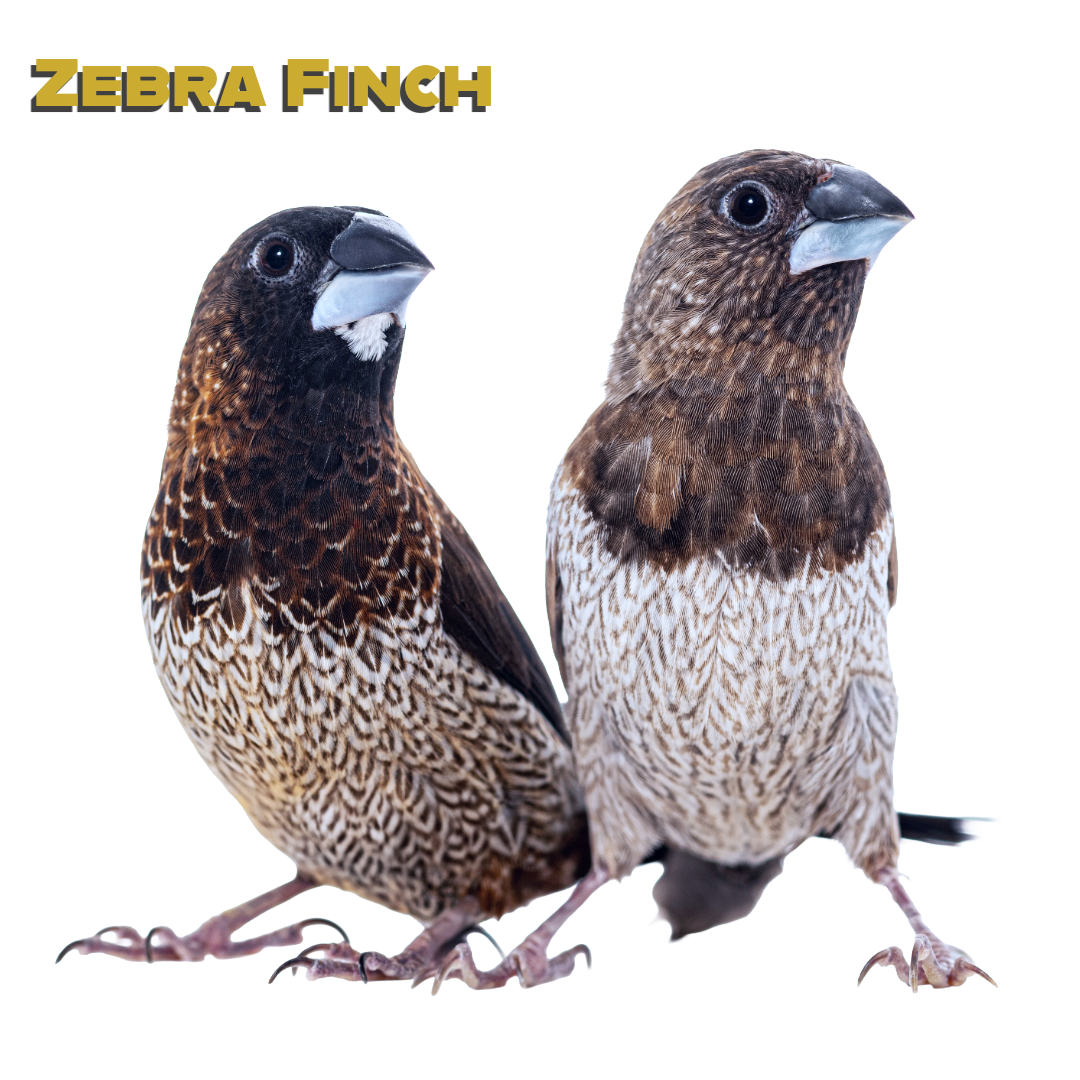
Caring for your Society Finch
Society Finches—also called Bengal Finches—are small, gentle, and highly social birds domesticated through centuries of selective breeding. Unlike many finches, they do not exist in the wild and are known for their cooperative social behavior, often helping to incubate eggs and raise young. Adults typically reach 4–5 inches…
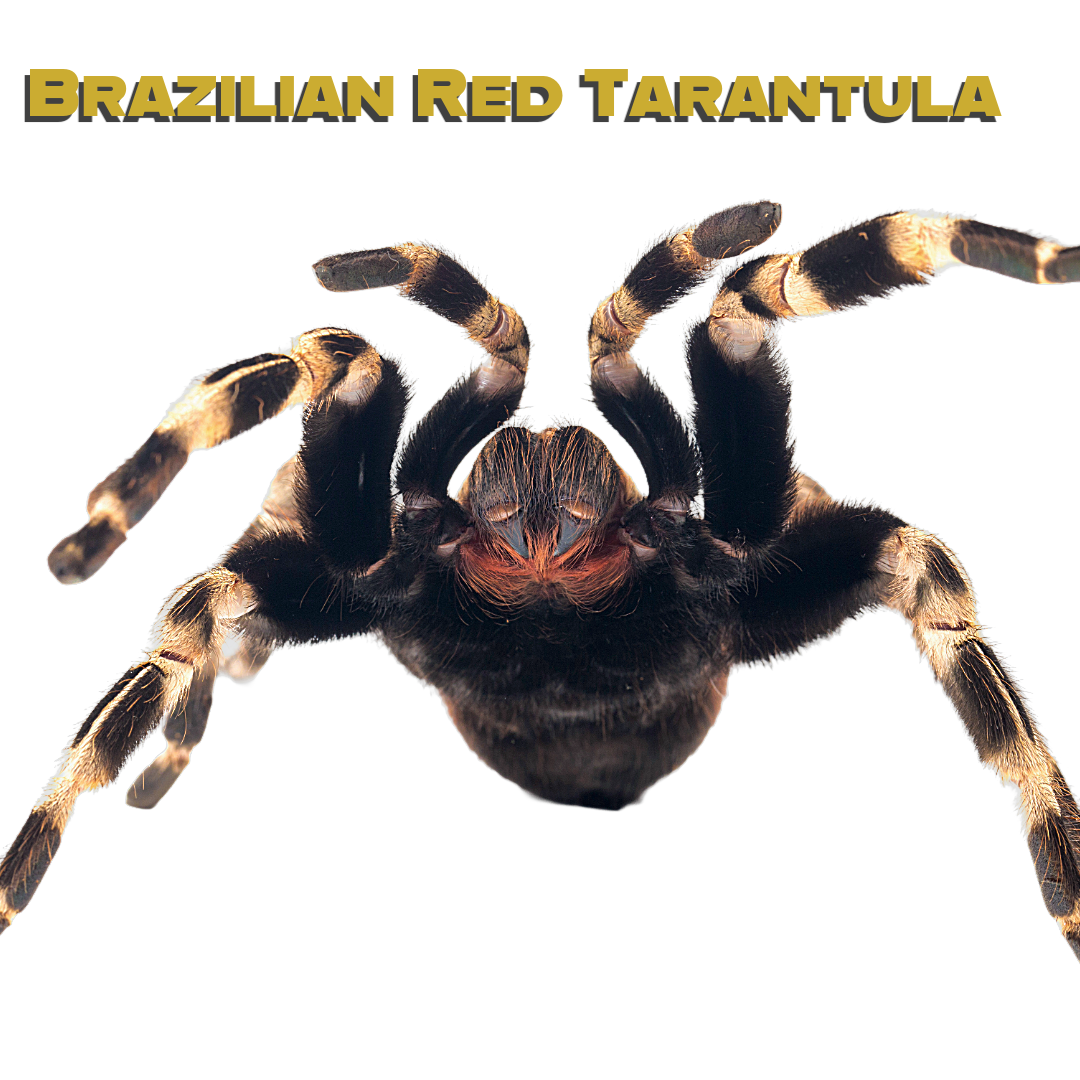
Caring for your Brazilian Red Tarantula
The Brazilian Red Tarantula is a medium-to-large New World species native to the grasslands and savannas of Brazil. It is admired for its striking reddish hues, dense leg setae, and robust body shape. Known for being bold and somewhat defensive compared to more docile species, it moves quickly but is generally hardy and adaptable in captivity. Adults commonly reach…
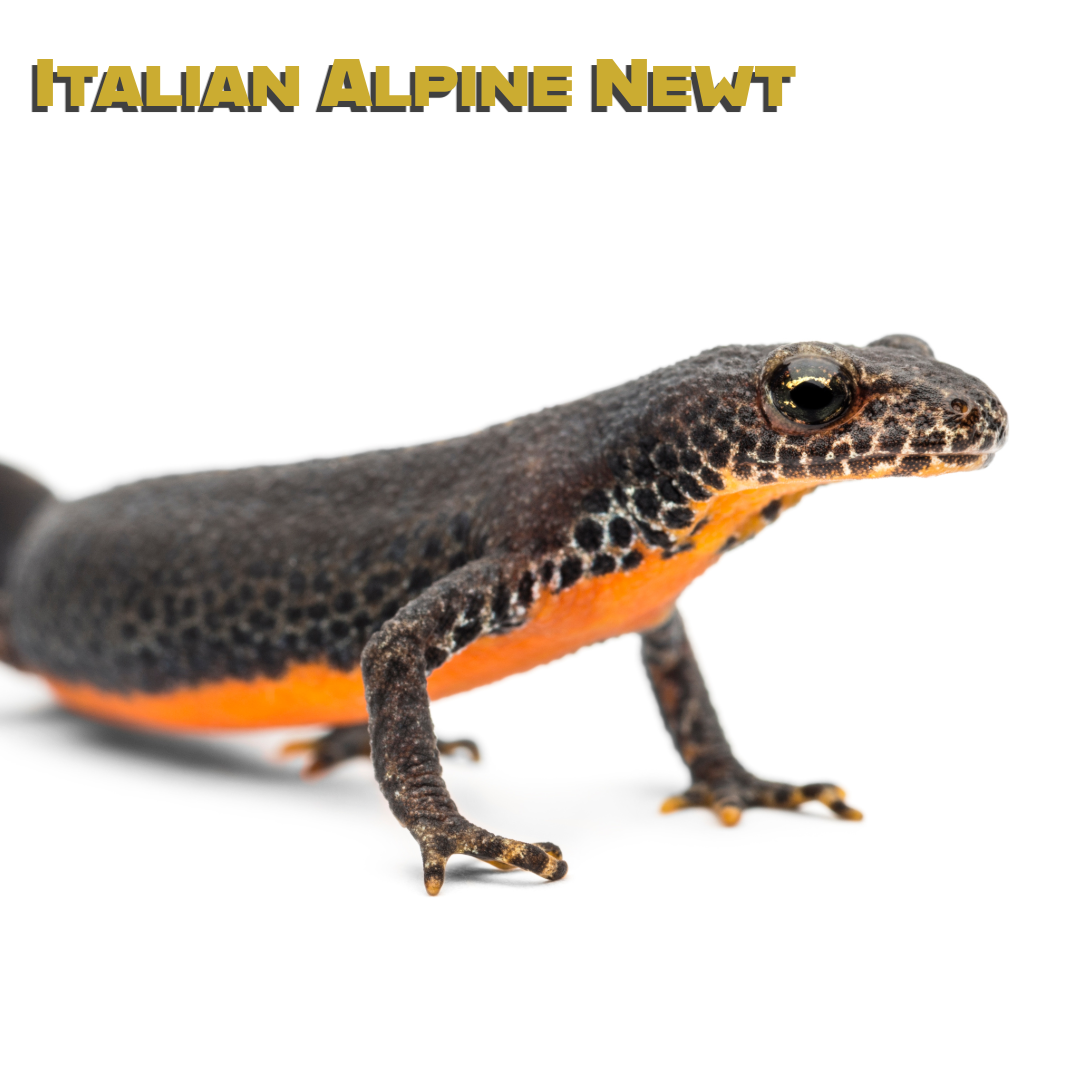
Caring for your Italian Alpine Newt
The Italian Alpine Newt is a small, semi-aquatic amphibian native to cool mountain forests, ponds, and slow-moving streams across northern Italy and surrounding regions. Known for their striking orange bellies, dark speckled bodies, and elegant swimming behavior, these newts thrive in well-oxygenated, cool water environments...
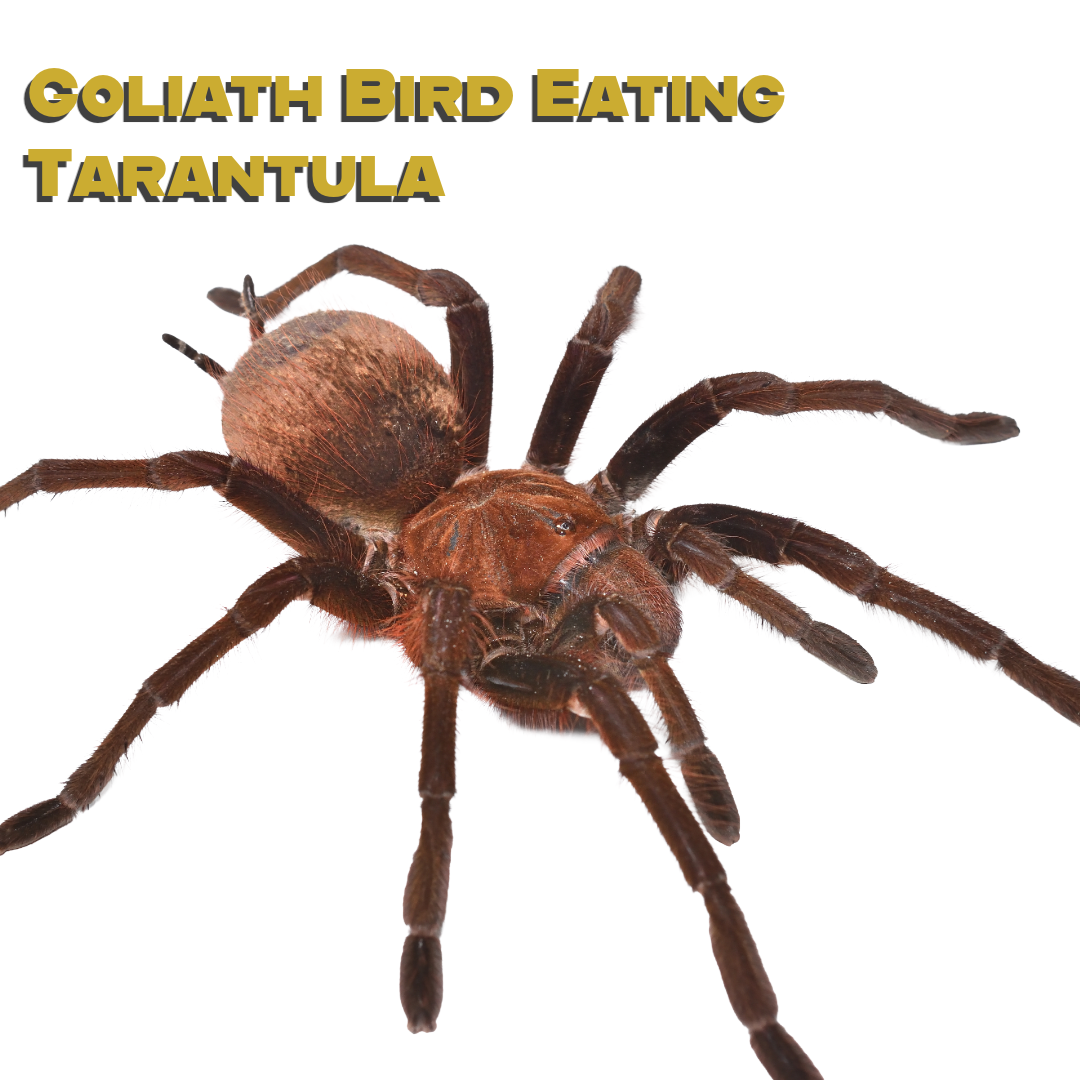
Caring for your Goliath Bird Eating Tarantula
The Goliath Bird-Eating Tarantula is one of the largest arachnids on Earth, native to the dense tropical rainforests of northern South America, including Guyana, Suriname, and Venezuela. Known for its massive size, thick legs, and powerful appearance, this species can reach an astonishing 10–12 inches in leg span. Despite the name, they…
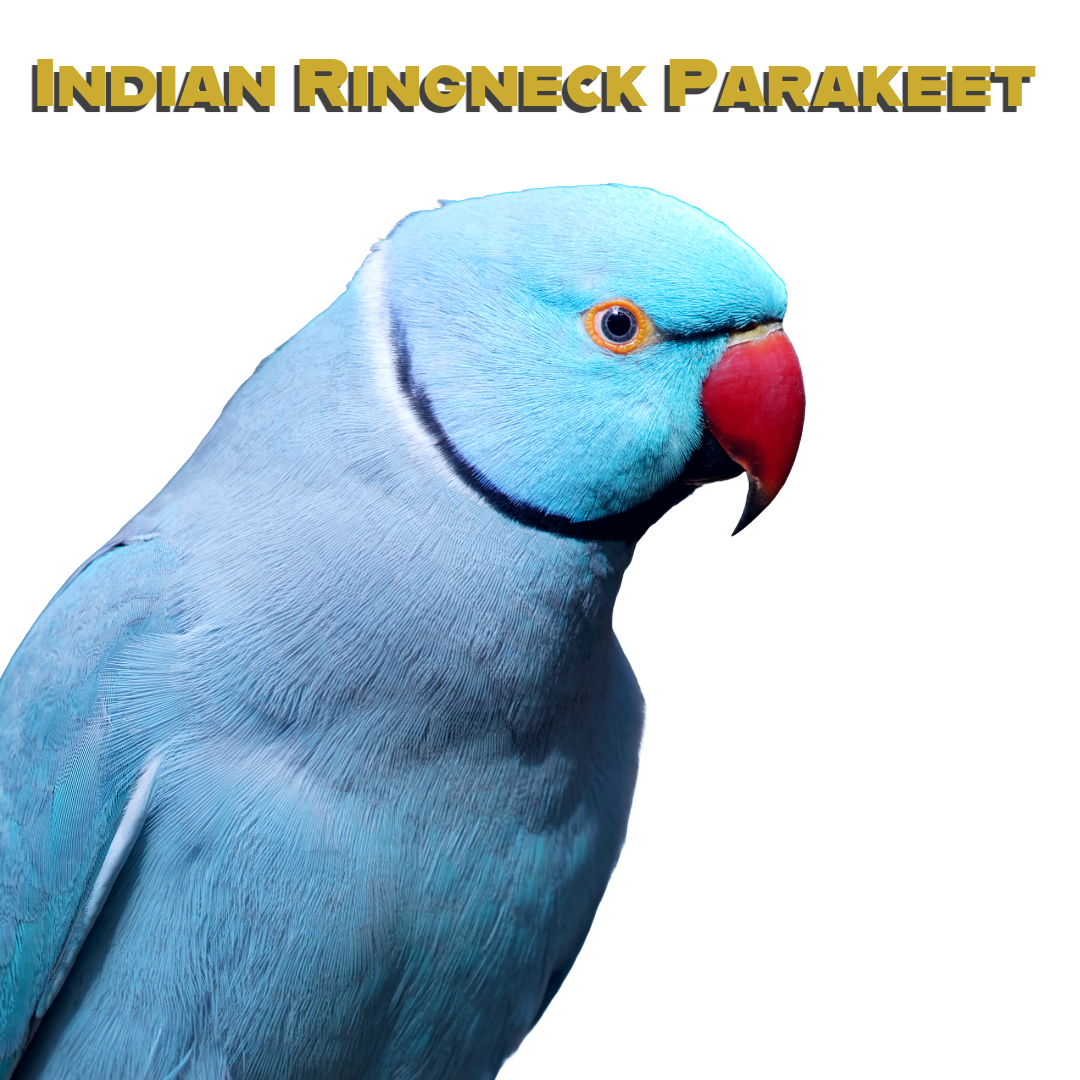
Caring for your Indian Ringneck
The Indian Ringneck Parakeet is a highly intelligent and visually striking parrot native to India and surrounding regions of South Asia. Known for their slender bodies, long tails, and vivid green, blue, yellow, or lutino color morphs, these birds are energetic, vocal, and incredibly social. Adults typically reach 14–17 inches in total length. Males develop…
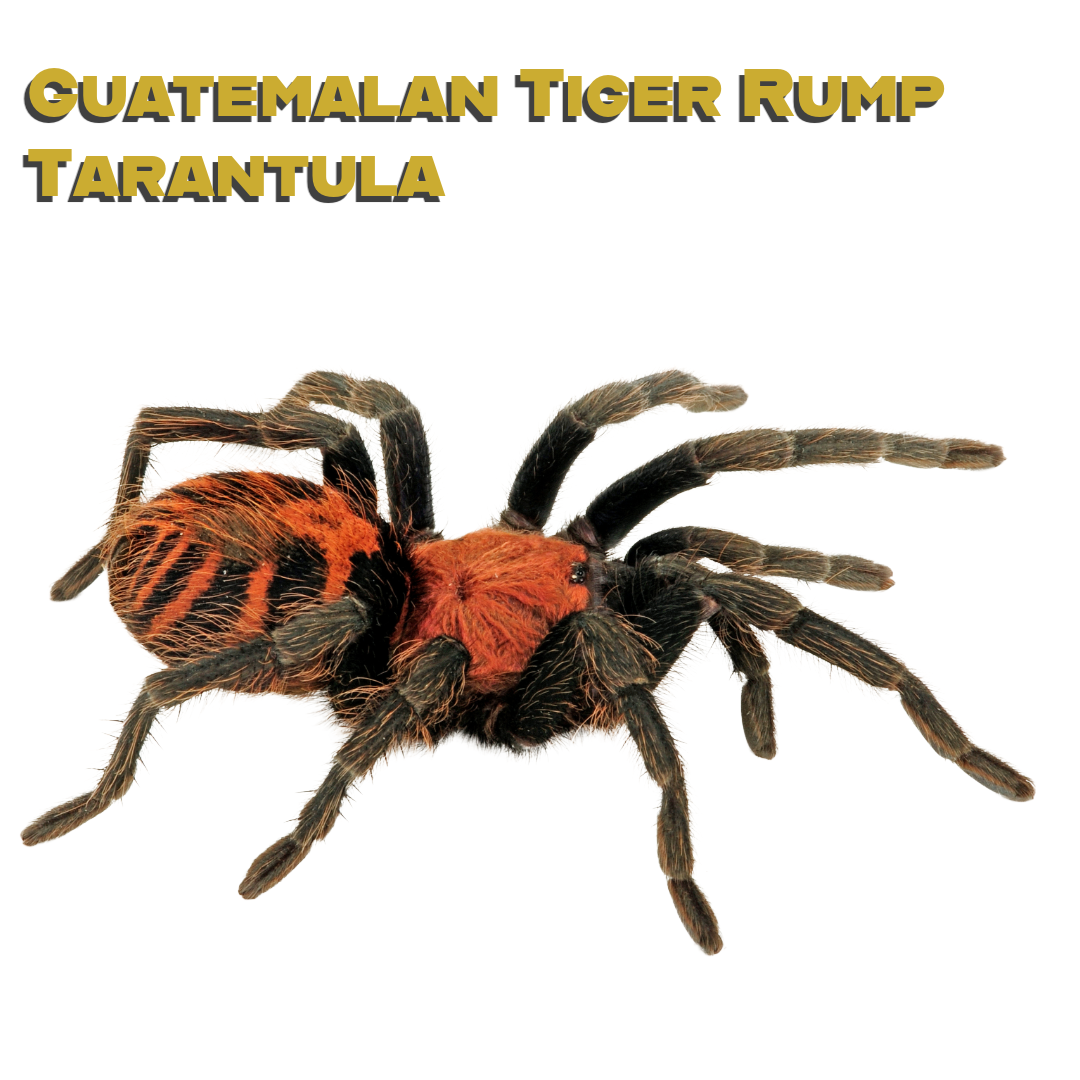
Caring for your Guatemalan Tiger Rump Tarantula
The Guatemalan Tiger Rump Tarantula is a small to medium-sized New World species native to Guatemala and surrounding regions of Central America. Known for its striking orange and black “tiger stripe” abdominal pattern, this species is fast, alert, and visually impressive. Adults typically reach 3–4 inches in leg span and are primarily…
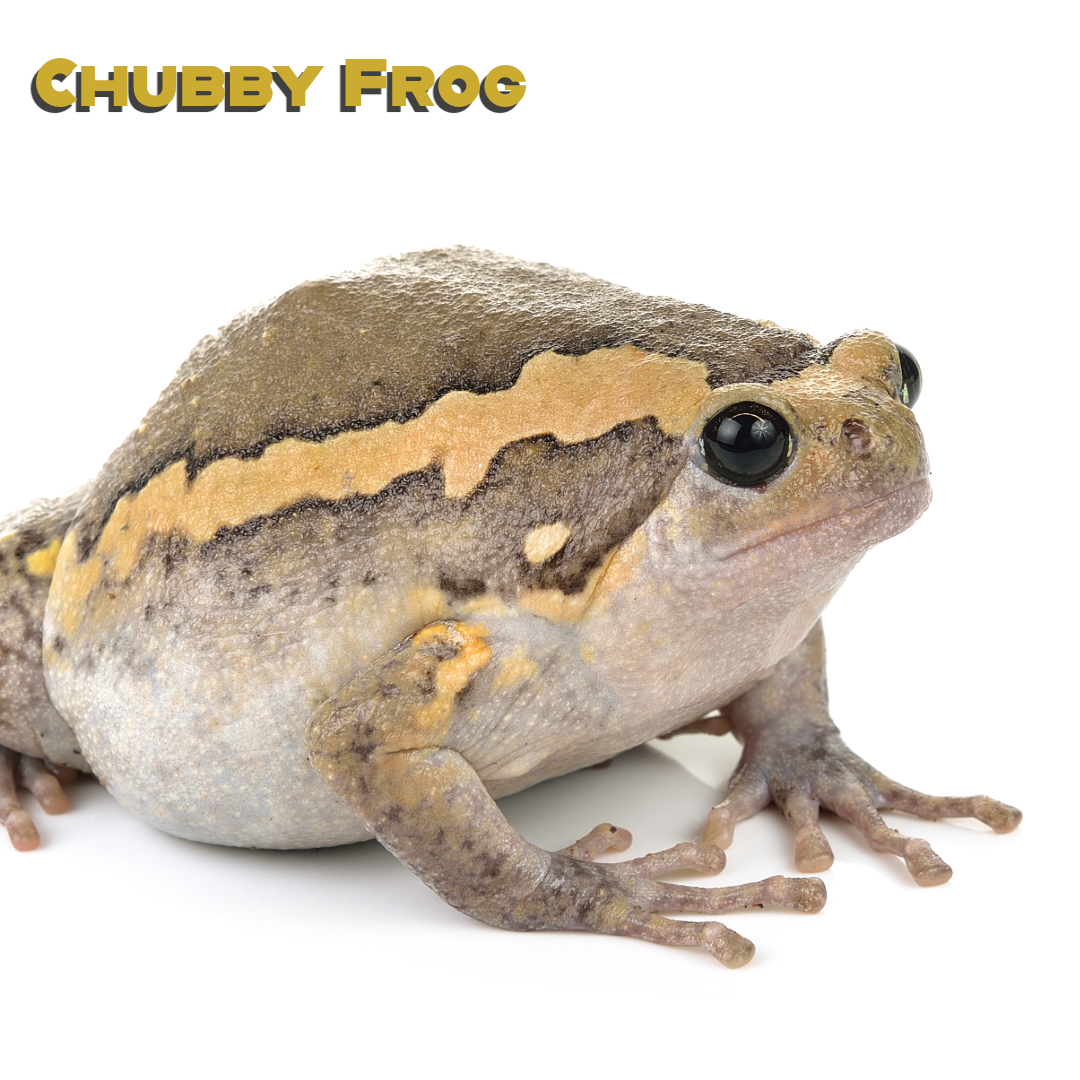
Caring for your Chubby Frog
The Chubby Frog, also known as the Asian Painted Frog or Banded Bullfrog, is a stout, burrowing amphibian native to Southeast Asia, where it inhabits humid forests, rice fields, suburban gardens, and temporary pools during the rainy season. These frogs are known for their rounded bodies, endearing “grumpy” facial expressions, and…
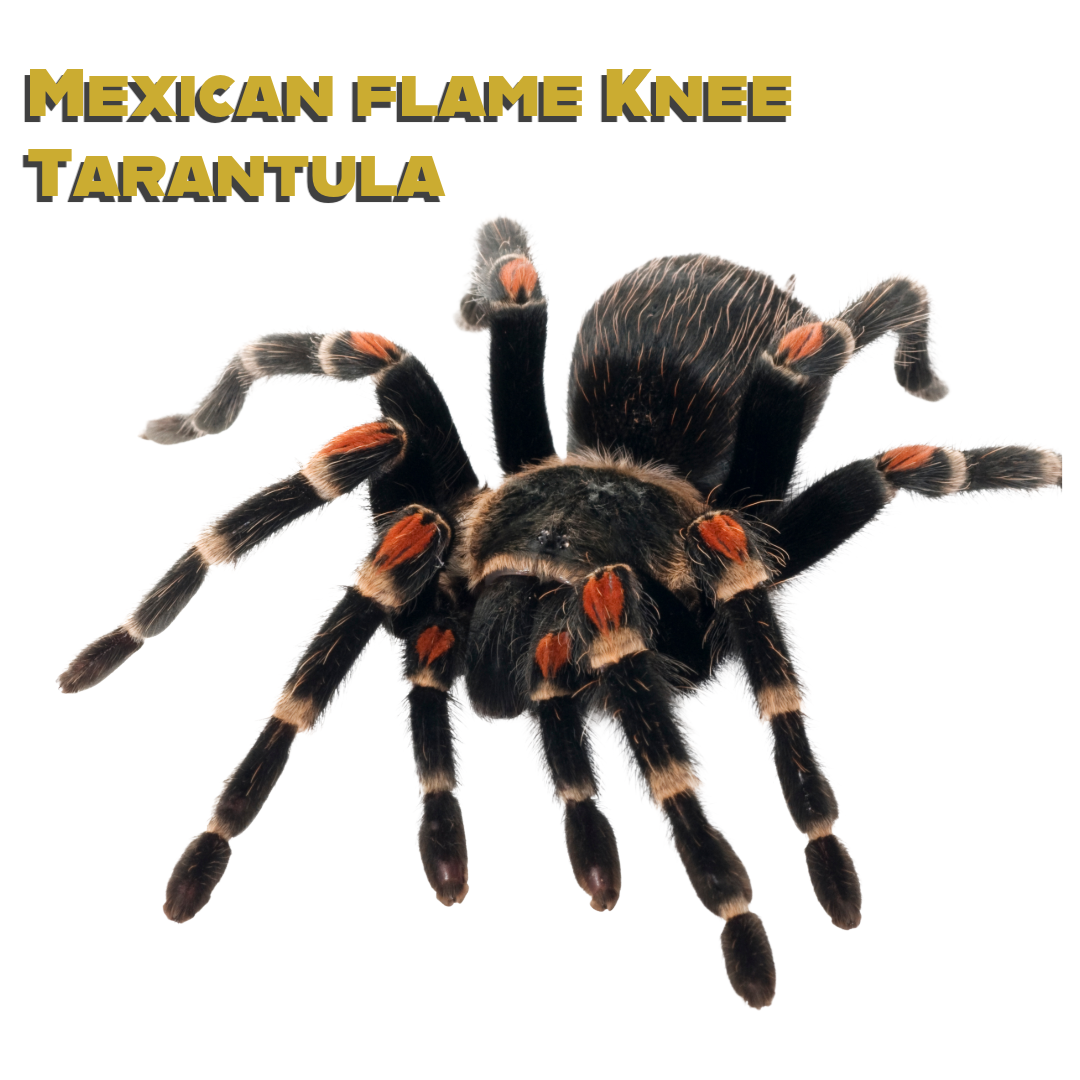
Caring for your Mexican Flame Knee Tarantula
The Mexican Flame Knee Tarantula is a beautiful and calm terrestrial species native to the dry scrublands and semi-desert regions of western Mexico. Named for the striking orange-red "flame" markings on its knees, this species is a close relative of the popular Mexican Red Knee. Adults typically reach 5–6 inches in leg span and are known for…