

Use the search feature to find your pet’s care sheet!
Caring for your Rio Grande Gold Tarantula
The Rio Grande Gold Tarantula is a calm, terrestrial species native to the dry scrublands and desert regions of southern Texas and northern Mexico. It is easily recognized by its warm golden-brown coloration, dark legs, and thick, velvety appearance. Adults typically reach a 4–5 inch leg span and are admired for their gentle temperament, making them an ideal tarantula for beginners…
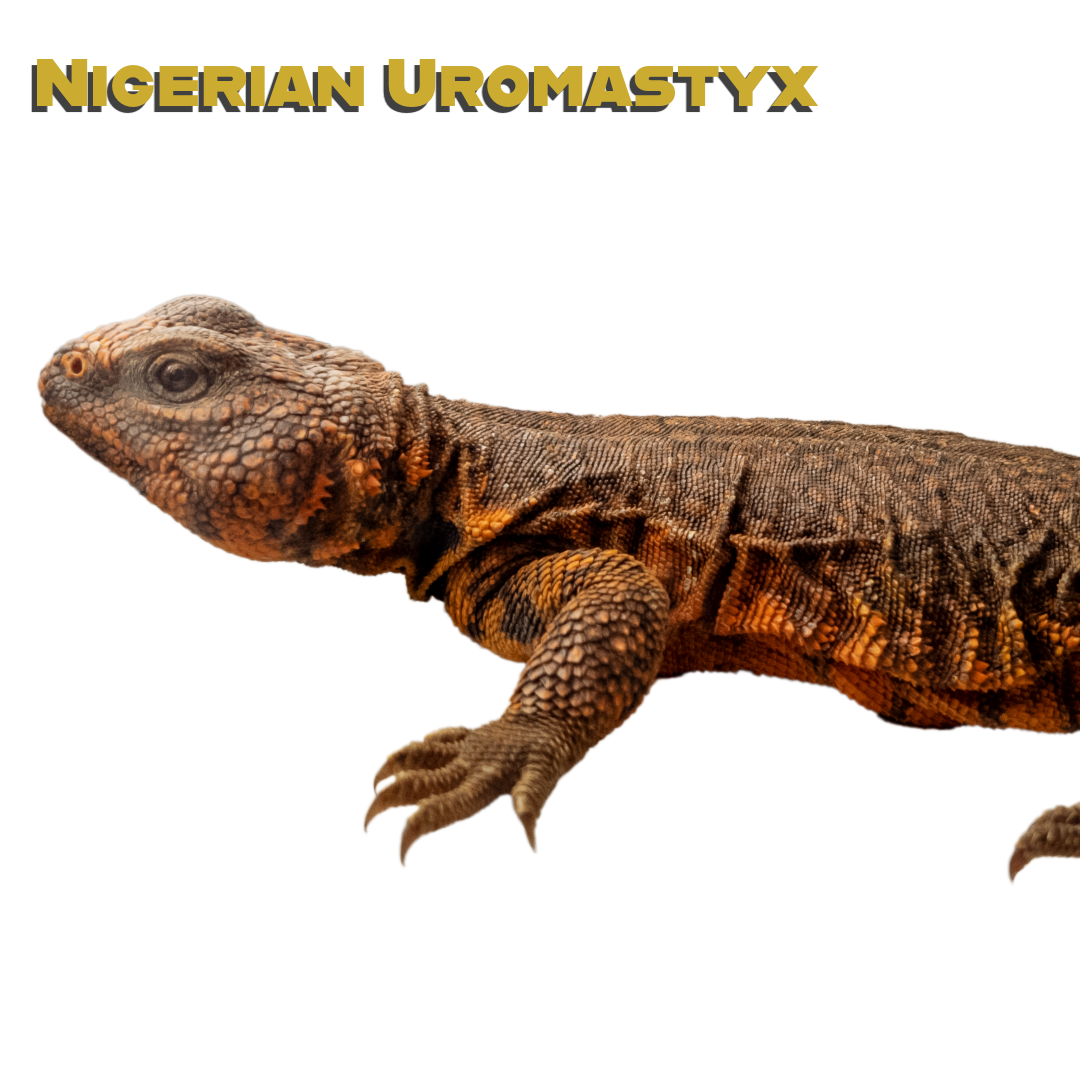
Caring for your Nigerian Uromastyx
The Nigerian Uromastyx, also known as the Saharan or Geyr’s Spiny-Tailed Lizard, is a hardy, desert-dwelling species found in arid regions of Niger, Mali, and Algeria. These diurnal reptiles are known for their striking orange, yellow, or red coloration and docile temperaments once acclimated. Adults reach 12–16 inches in length and thrive in hot…
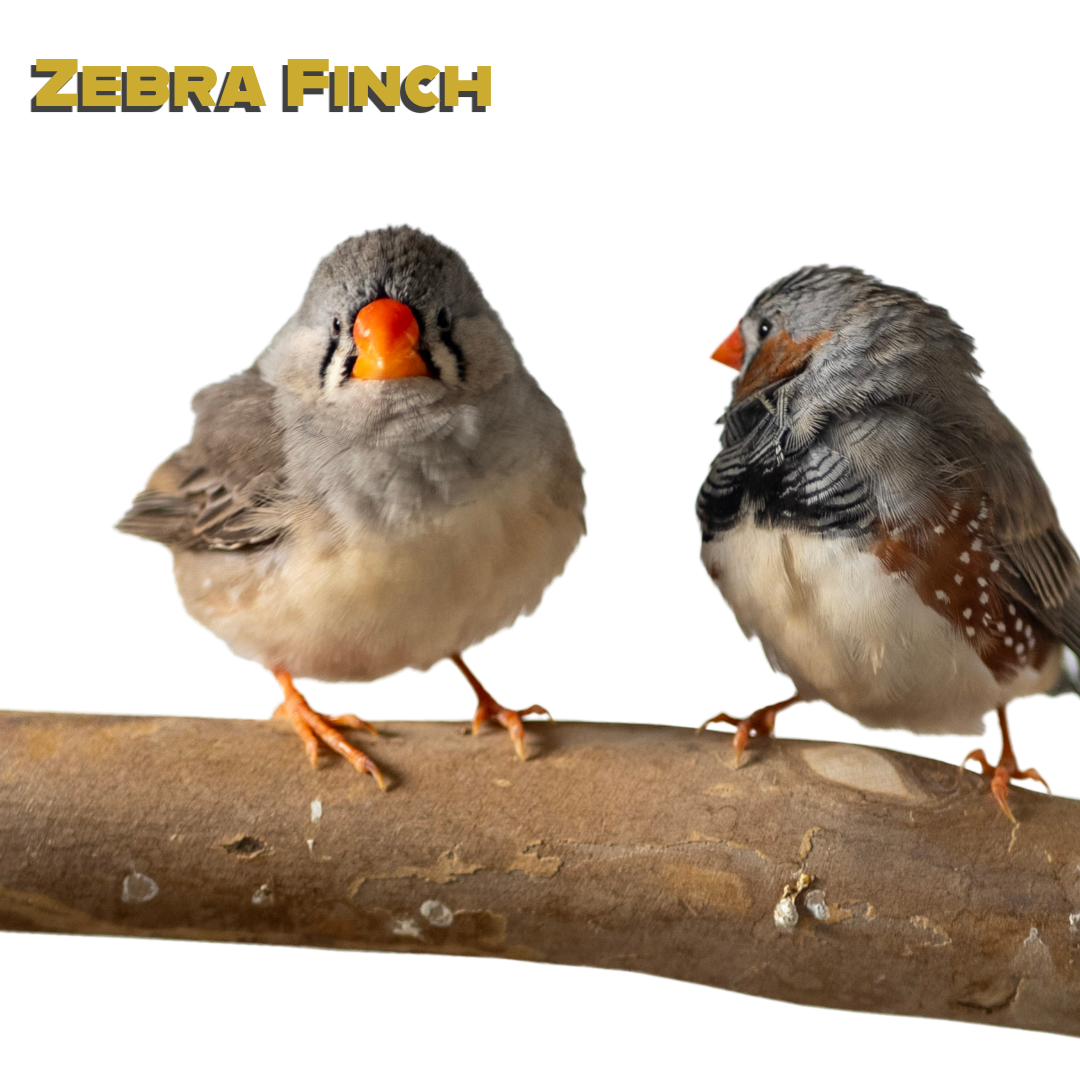
Caring for your Zebra Finch
Zebra Finches are small, lively birds native to the grasslands and open forests of Australia and Indonesia. Recognized by their bright orange beaks, black-and-white barred tails, and males’ distinct cheek patches, these finches are social, vocal, and easy to care for. Adult Zebra Finches typically measure 4–5 inches long and are best known for their…
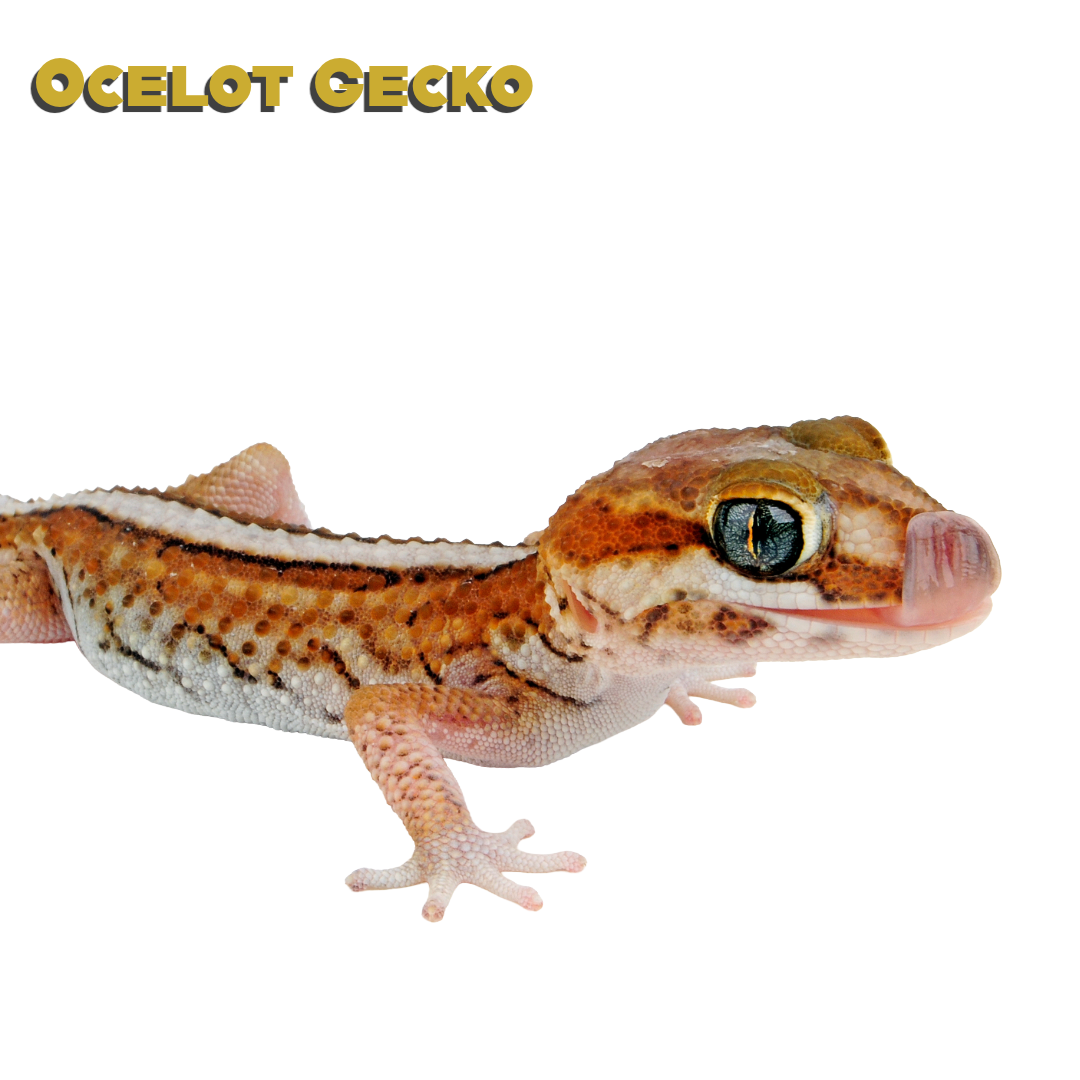
Caring for your Ocelot Gecko
Ocelot Geckos, also known as Madagascar Ground Geckos or Panther Geckos, are nocturnal, terrestrial lizards native to the dry forests and scrublands of Madagascar. Named for their striking ocelot-like spots and bands, these geckos are small to medium-sized and grow up to 5–6 inches in length. They are active, curious, and relatively hardy, making them…
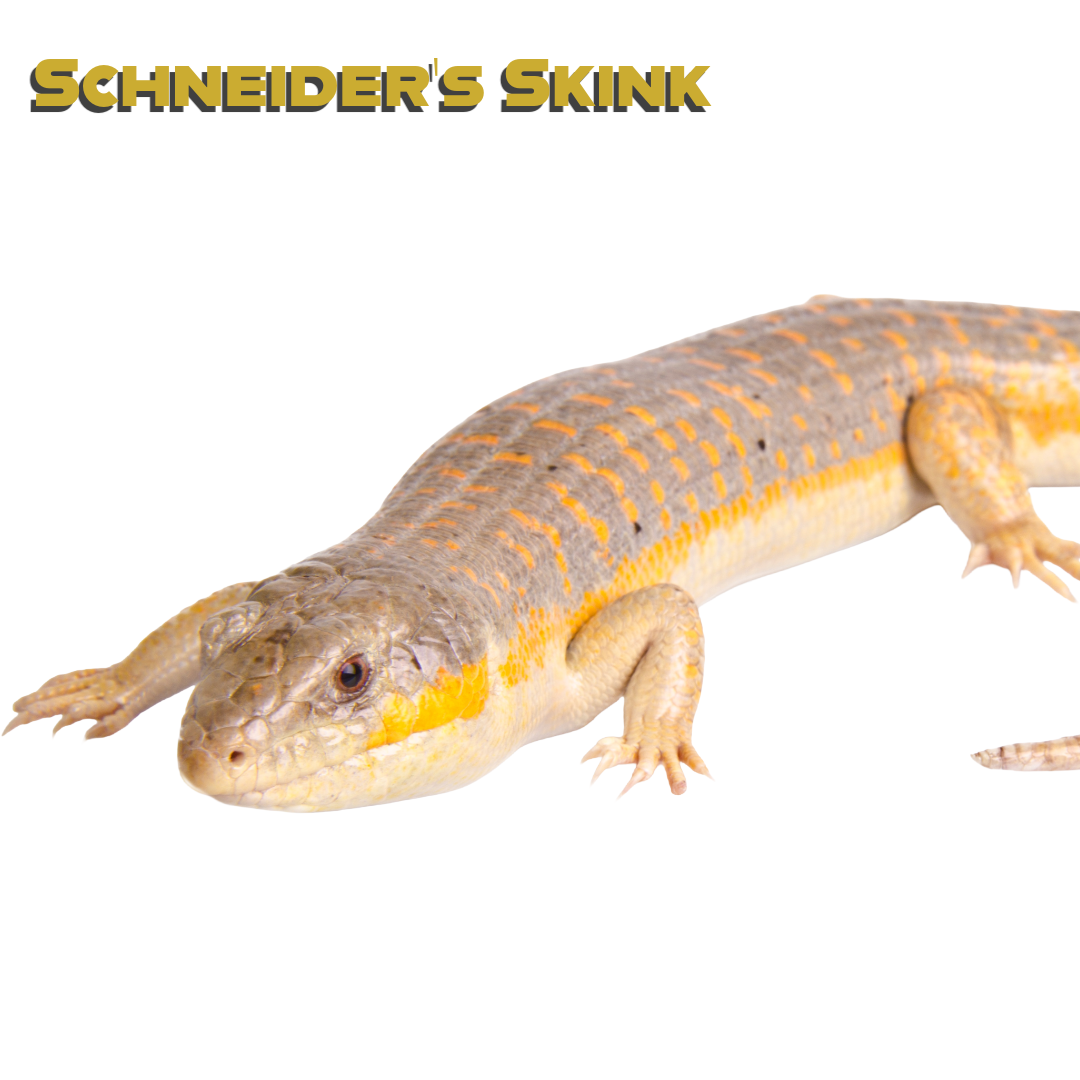
Caring for your Schneider’s Skink
Schneider’s Skinks, also known as Berber Skinks or Golden Skinks, are medium-sized terrestrial lizards native to North Africa, the Middle East, and parts of Asia. They inhabit dry, rocky grasslands and semi-desert regions, often burrowing or hiding under stones during the day. Adults typically reach 12–16 inches in length…
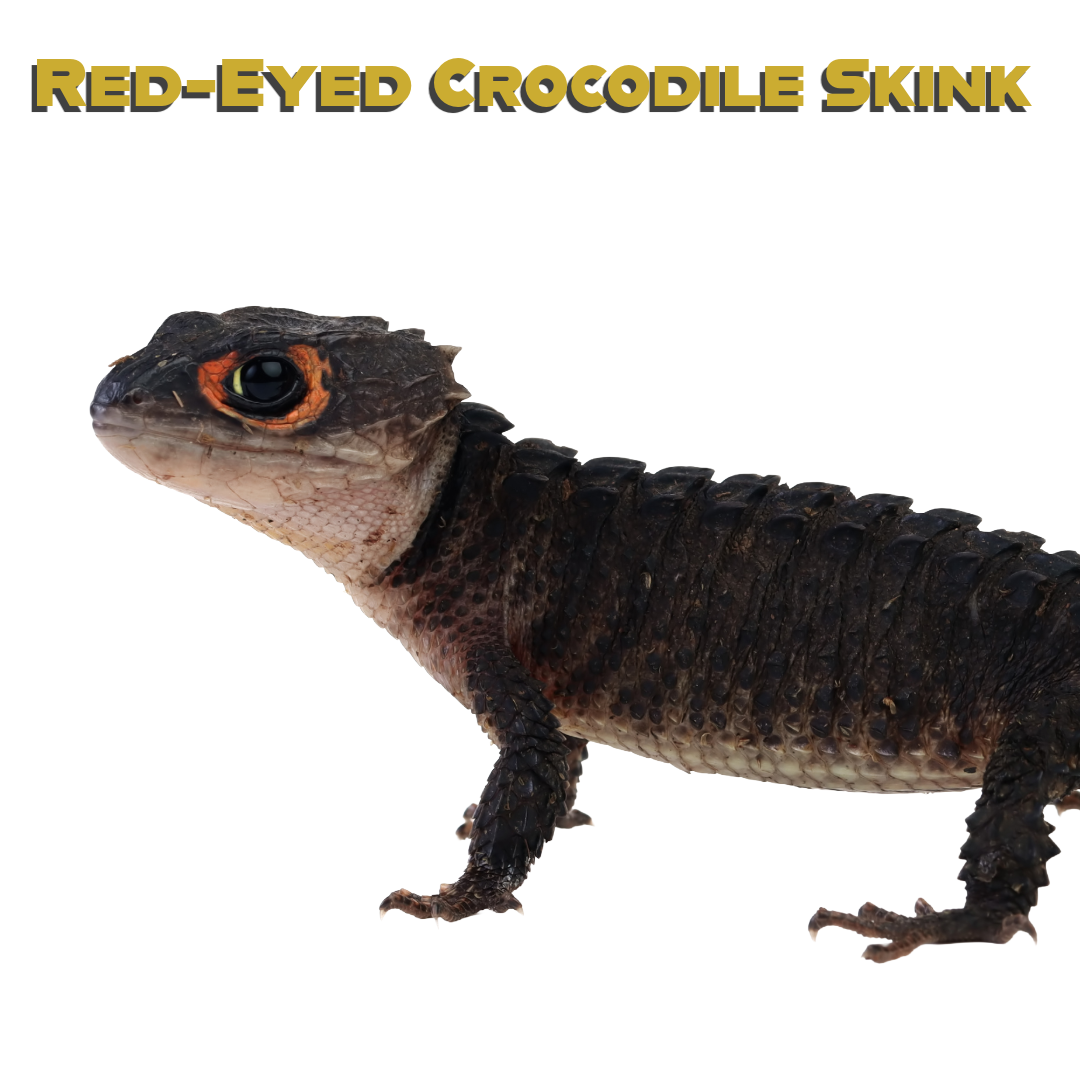
Caring for your Red-Eyed Crocodile Skink
The Red-Eyed Crocodile Skink is a small, unique lizard native to the tropical rainforests of New Guinea. Recognized by their armor-like scales and bright orange-red rings around their eyes, these shy, terrestrial reptiles resemble miniature dragons. Adults reach 8–10 inches in length and are known for…
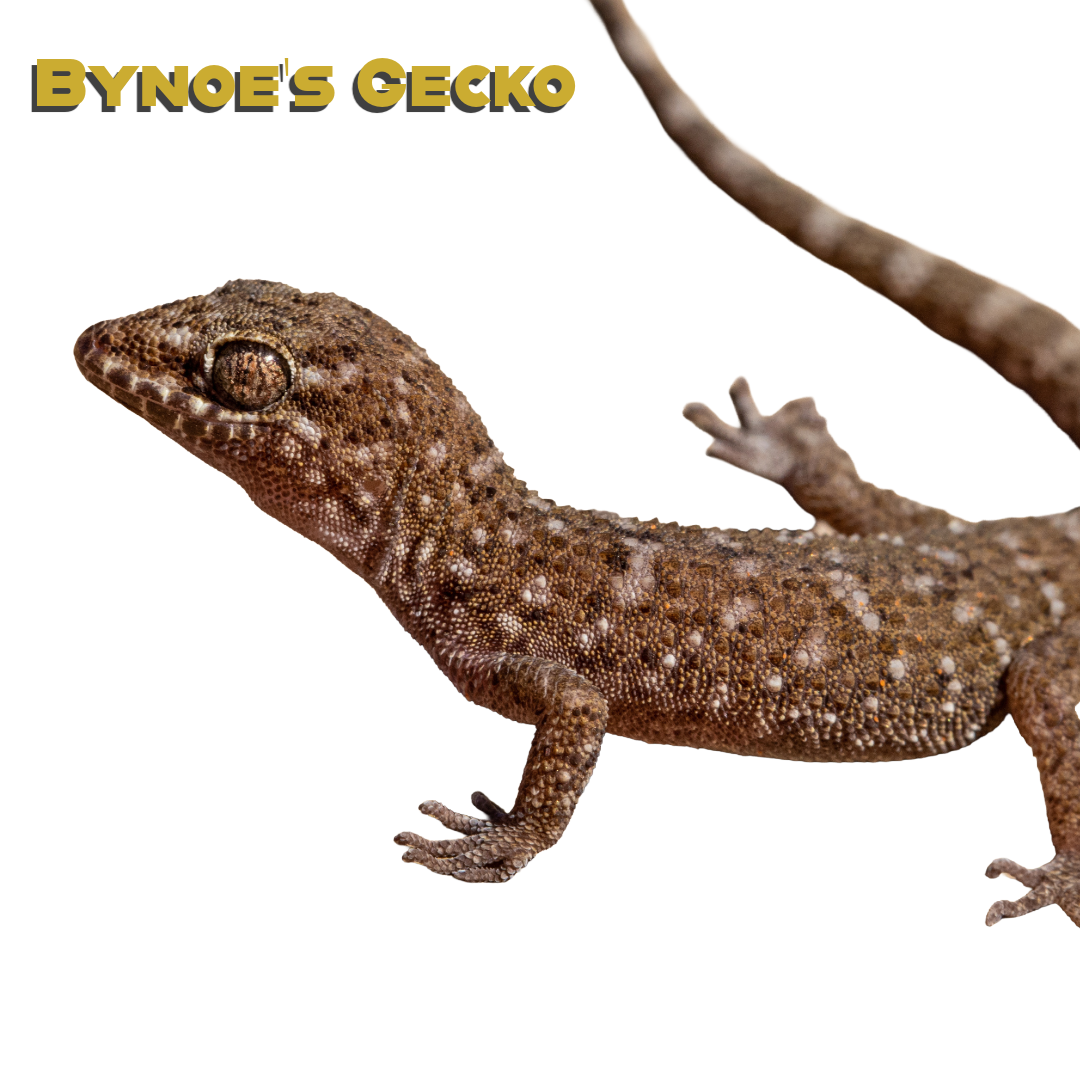
Caring for your Bynoe’s Gecko
The Bynoe’s Gecko is a small, hardy species native to Australia, found across a wide range of arid and semi-arid habitats. This terrestrial gecko is known for its adaptability and nocturnal lifestyle, emerging at night to hunt small insects. Adults typically reach 3–4 inches in total length, making them one of the…
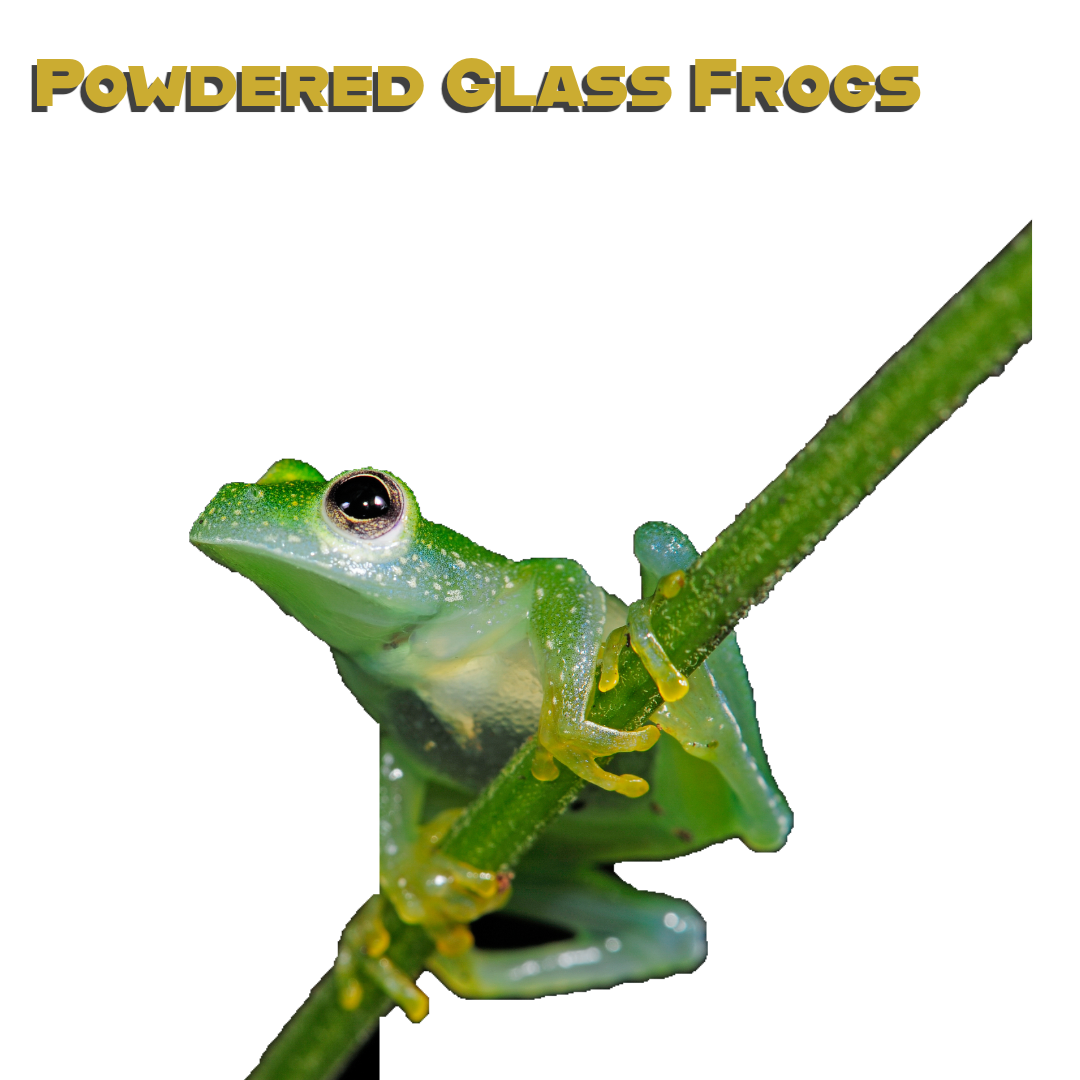
Caring for your Powdered Glass Frog
The Powdered Glass Frog is a delicate, nocturnal amphibian native to the humid tropical rainforests of Central and South America, ranging from Honduras through Ecuador. This species is named for its translucent skin, through which internal organs are faintly visible — a fascinating adaptation…
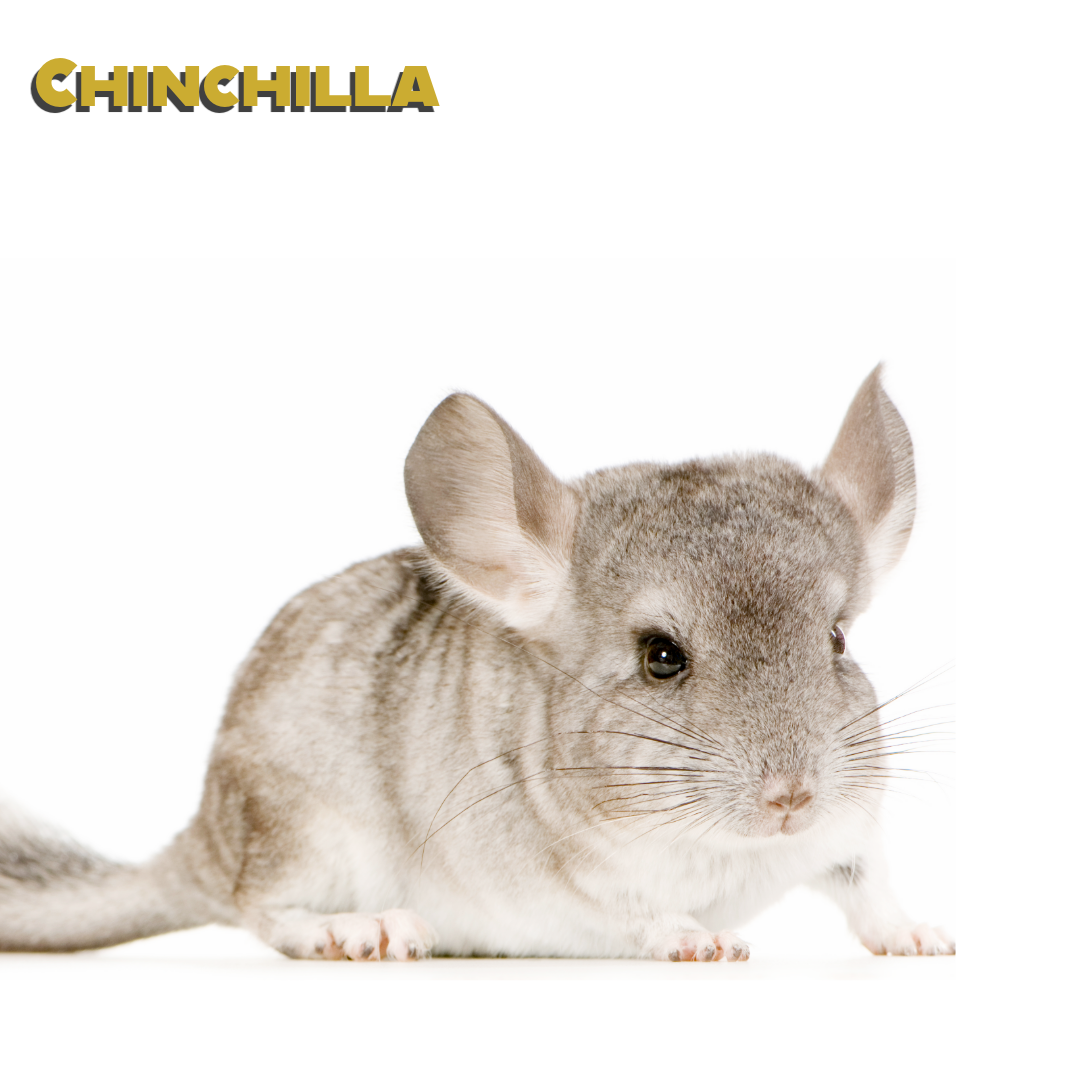
Caring for your Chinchilla
Chinchillas are small, nocturnal rodents native to the cool, rocky slopes of the Andes Mountains in South America. They are known for their incredibly dense fur — the softest of any land mammal — which protects them from cold temperatures and…
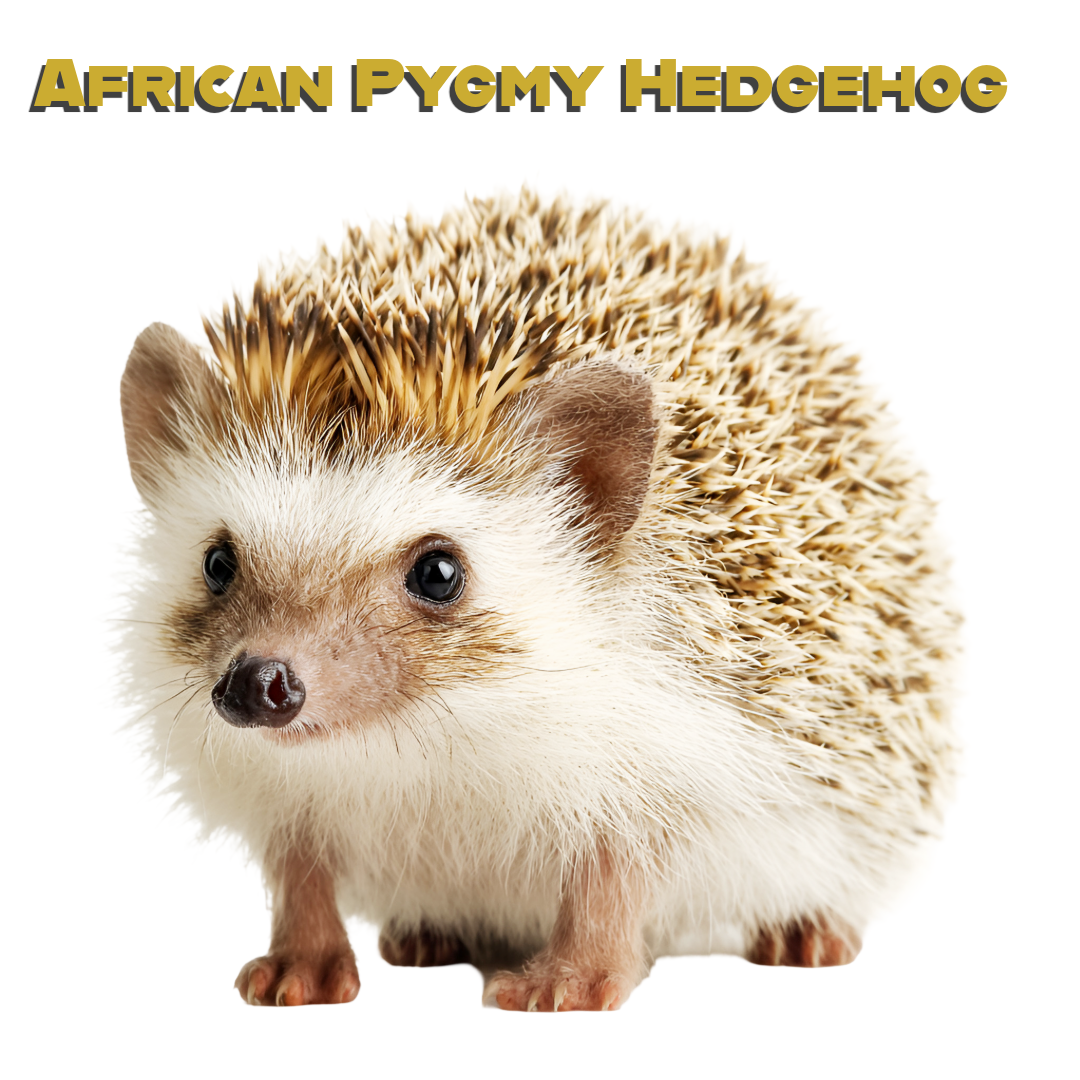
Caring for your African Pygmy Hedgehog
The African Pygmy Hedgehog is a small, nocturnal insectivore native to the grassy savannas and edges of central Africa. These compact mammals measure 6–9 inches in length and weigh around 1–2 pounds when fully grown. Known for their charming personalities and gentle nature…
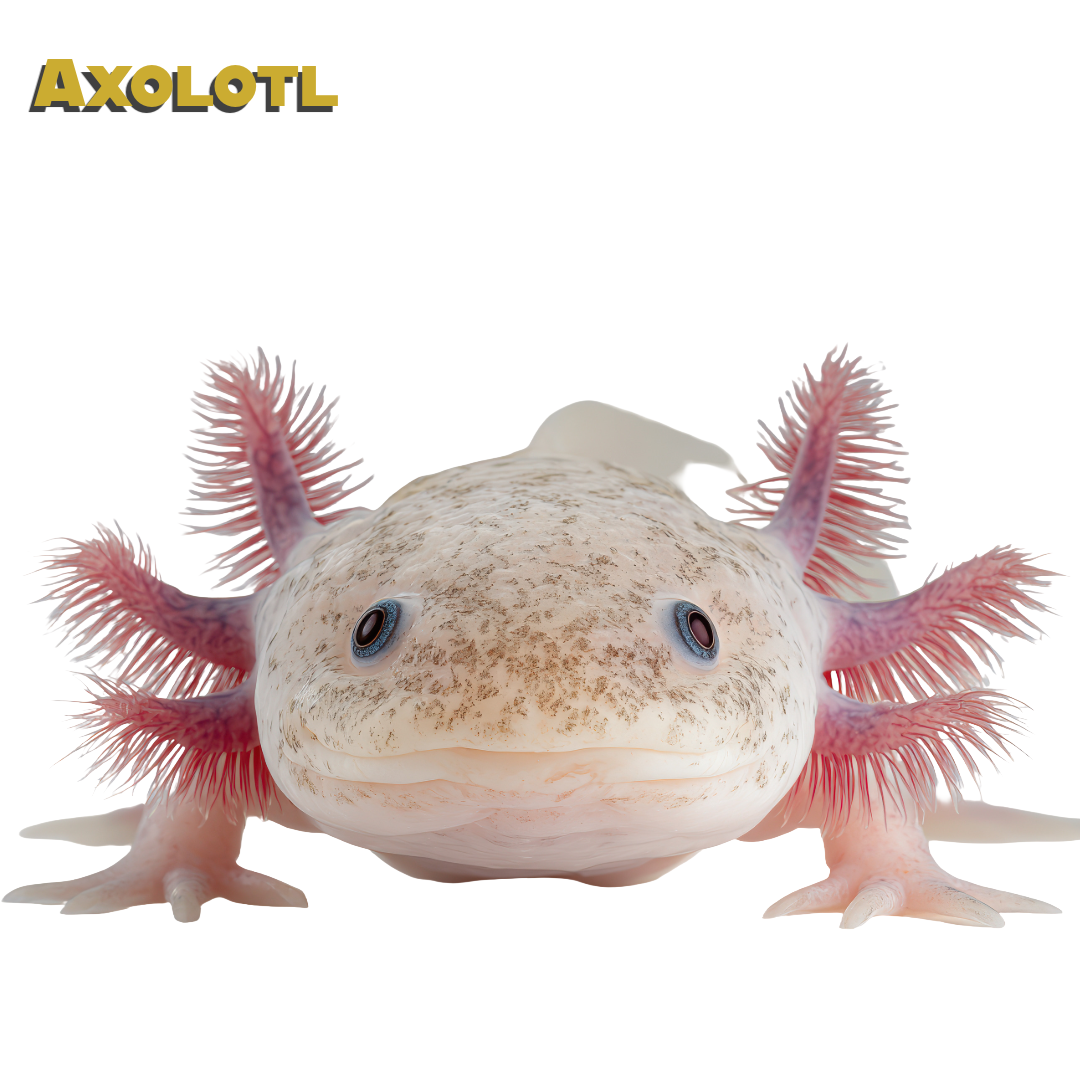
Caring for your Axolotl
Axolotls are fully aquatic salamanders native to high-altitude lakes near Mexico City, such as Lake Xochimilco. Unlike most amphibians, they remain in their aquatic larval form for life (a condition called neoteny), keeping their feathery external gills...
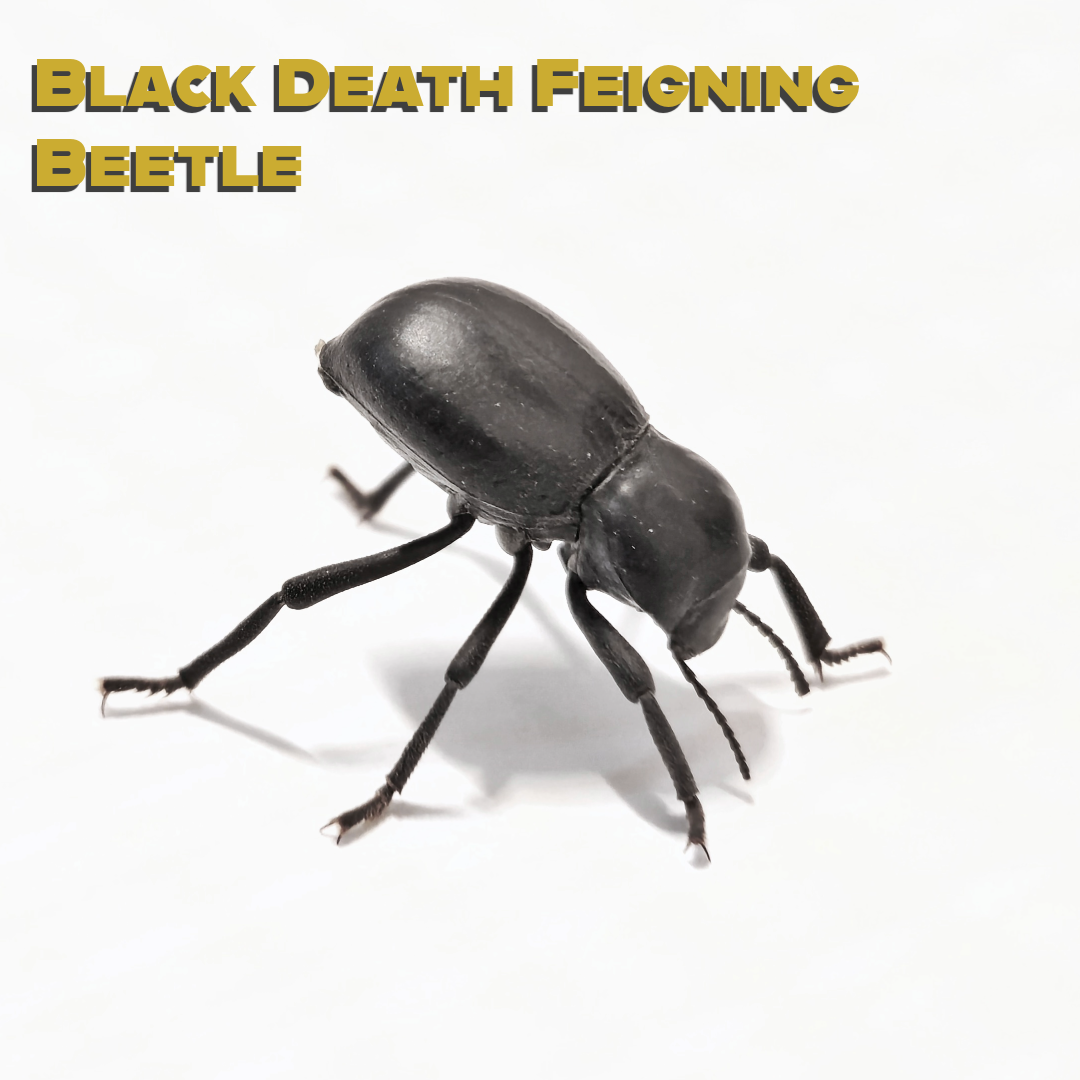
Caring for your Black Death Feigning Beetles
Smooth Black Feigning Death Beetles, also known as Blue Death Feigning Beetles (before their waxy coating fades), are hardy desert beetles native to the arid regions of the southwestern United States and northern Mexico…
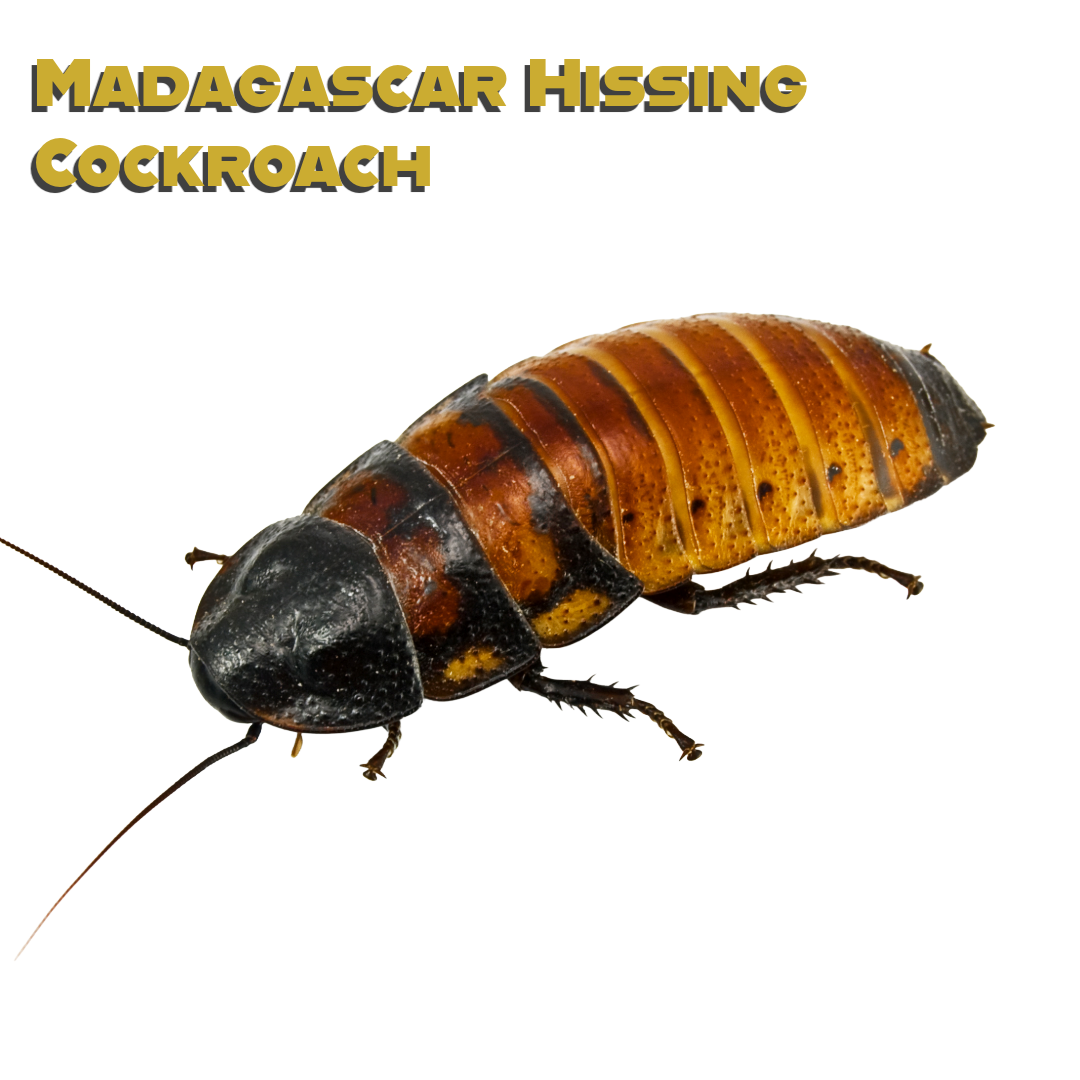
Caring for your Madagascar Hissing Cockroach
Madagascar hissing cockroaches are large, wingless roaches native to the island of Madagascar. They are named for the unique hissing sound they produce by forcing air through their spiracles (breathing holes), which they use in communication…
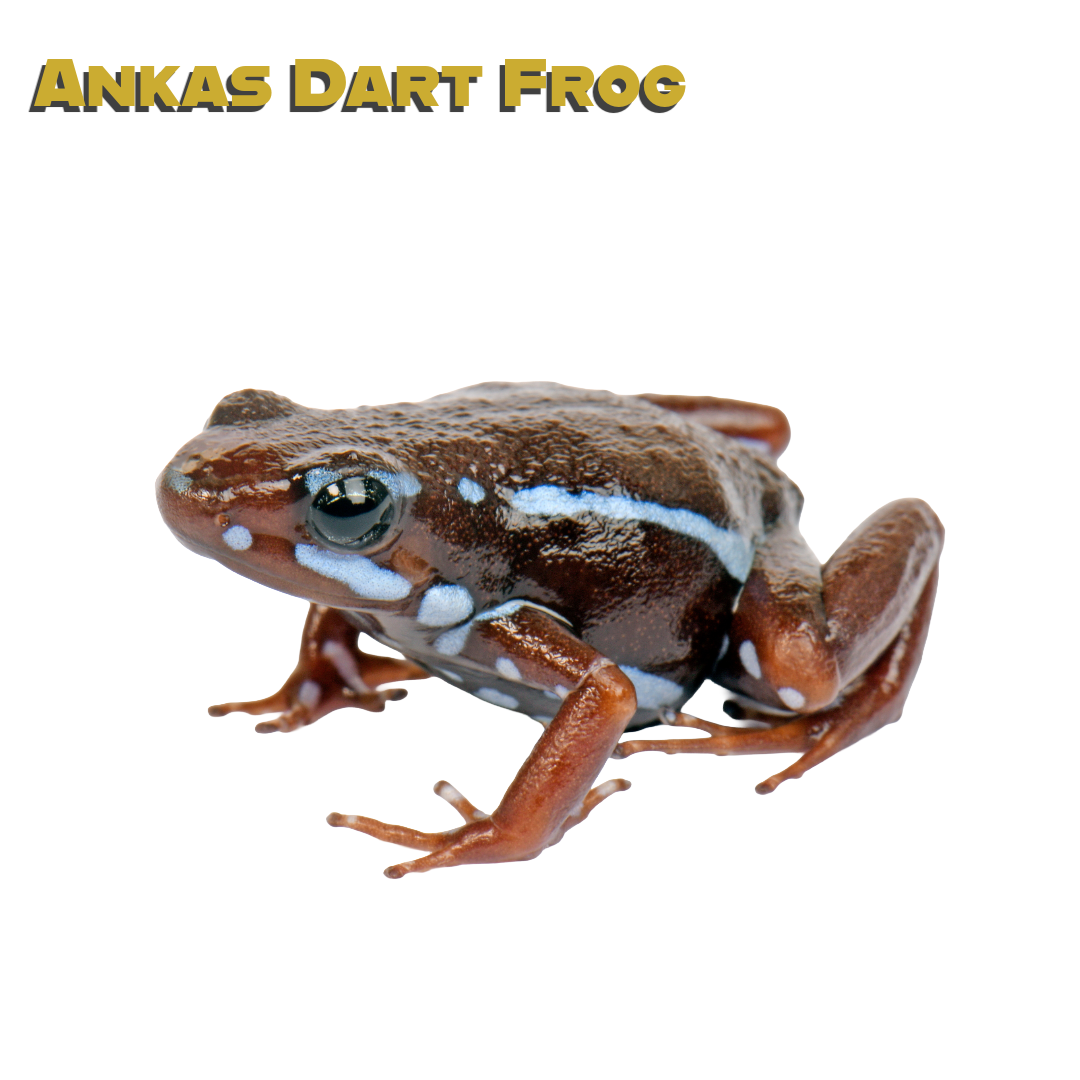
Caring for your Ankas Dart Frogs
Epipedobates anthonyi “Ankas” is a small, brightly colored poison dart frog native to the moist forests of southwestern Ecuador and northwestern Peru. This morph is admired for its rich red body marked with bold cream-to-gold stripes and an active, bold nature…
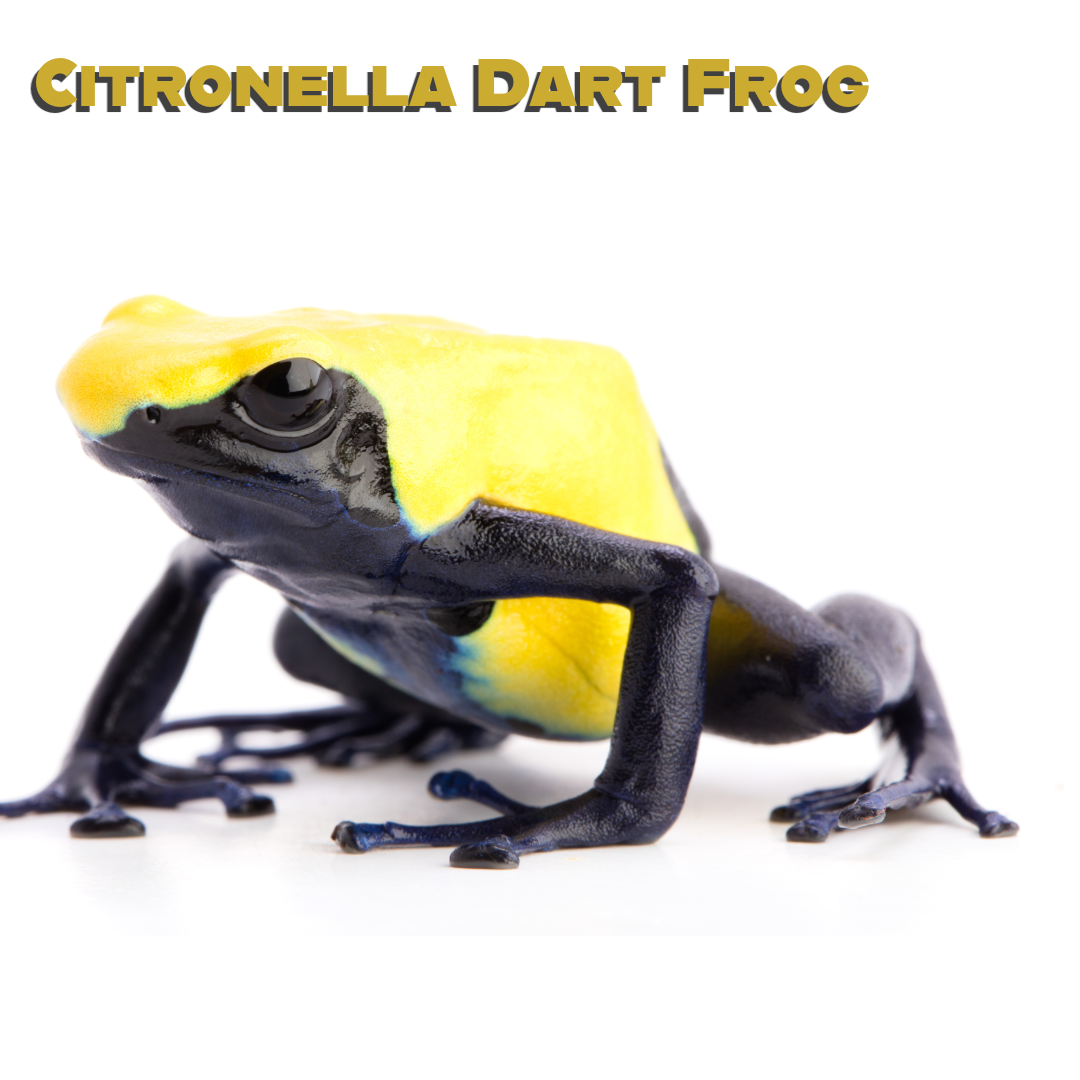
Caring for your Citronella Dart Frogs
The Citronella Dart Frog is a striking morph of Dendrobates tinctorius, native to the rainforests of Suriname and French Guiana. Known for its vibrant lemon-yellow body with black spotting and deep blue legs, it is one of the most visually stunning…
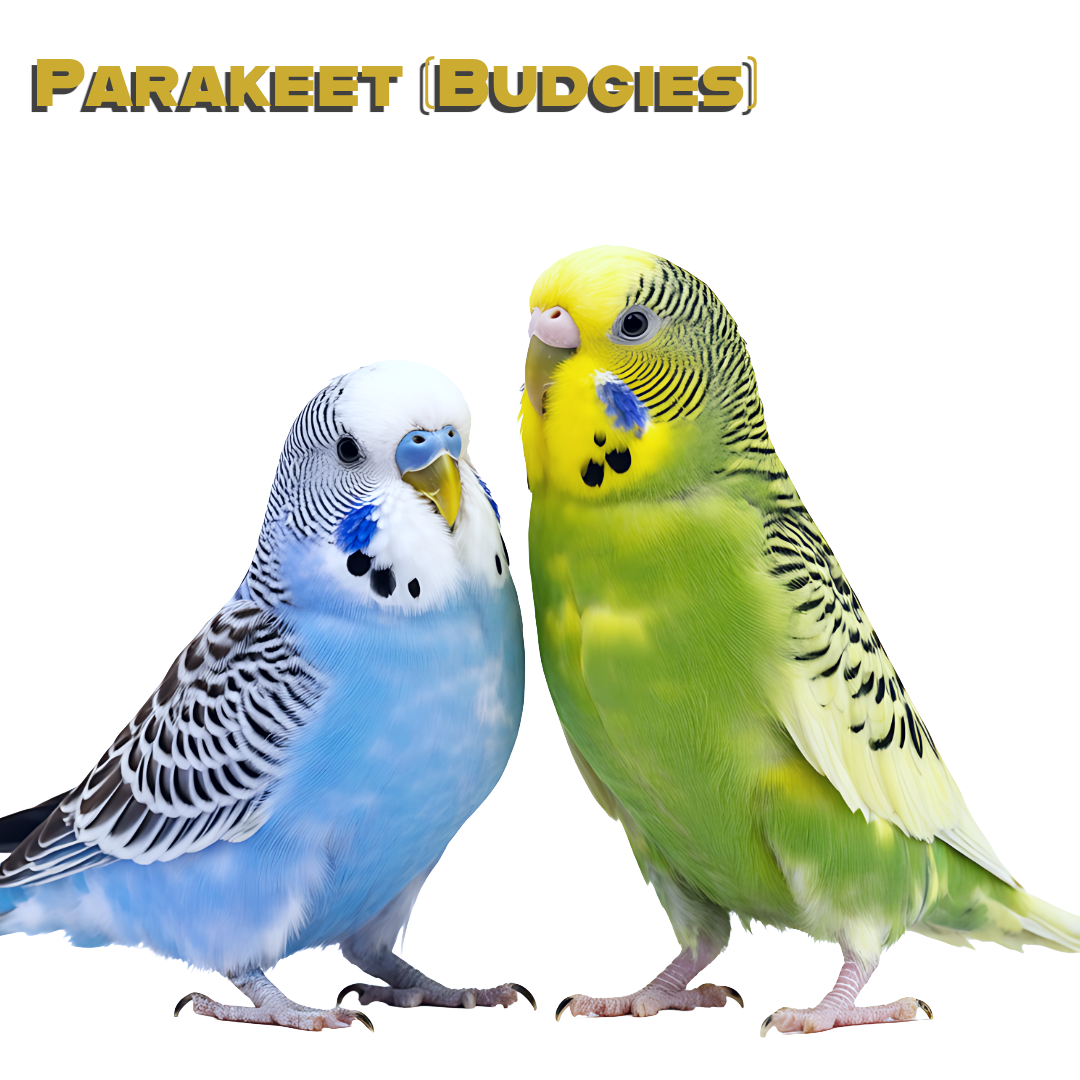
Caring for your Parakeets (Budgies)
Parakeets, also known as budgerigars or "budgies," are small, active parrots native to the grasslands and open scrub of Australia. These birds are well known for their vocalizations, playful demeanor, and beautiful feather colors ranging from green and yellow to…
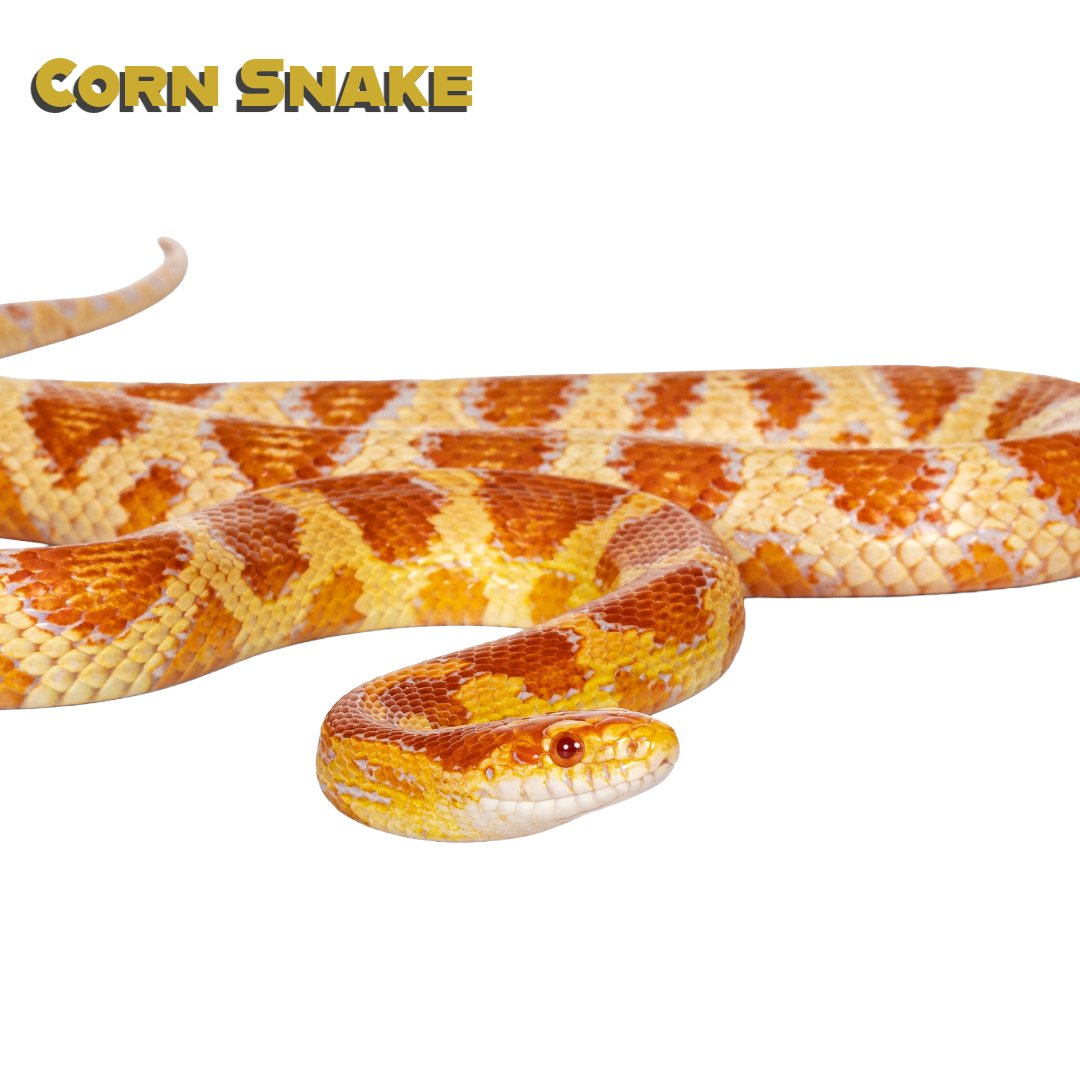
Caring for your Corn Snake
Corn snakes are one of the most popular pet snakes due to their manageable size, gentle temperament, and ease of care. Native to the southeastern United States, they inhabit fields, forests, barns, and abandoned buildings where they help control rodent populations. Adults typically reach 3–5 feet in…
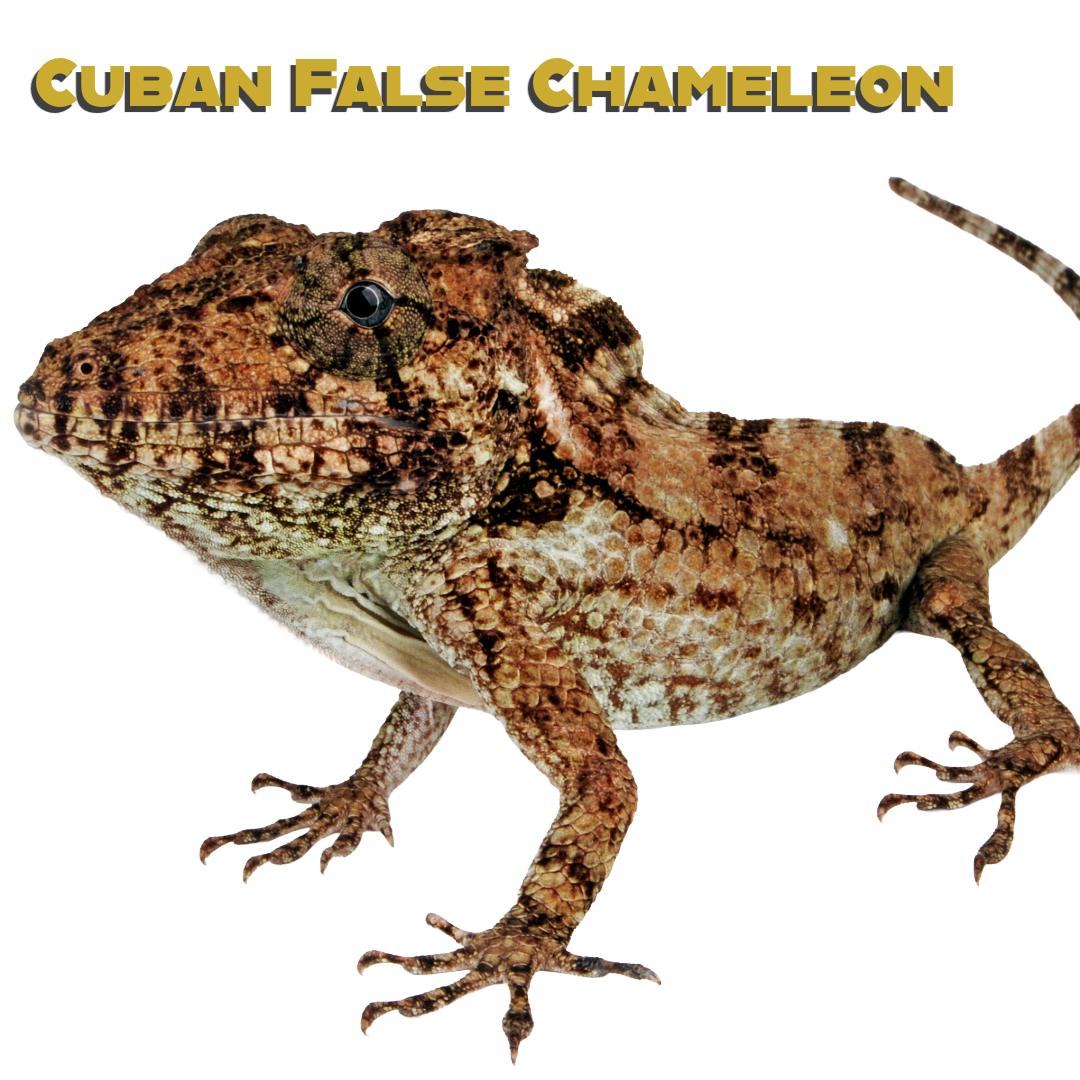
Caring for your Cuban False Chameleon
The Cuban False Chameleon is a fascinating species of anole native to Cuba. Unlike typical anoles, these lizards are heavier-bodied, with broad heads and independently moving eyes that give them a “chameleon-like” appearance. Adults typically reach 10–13 inches in length…
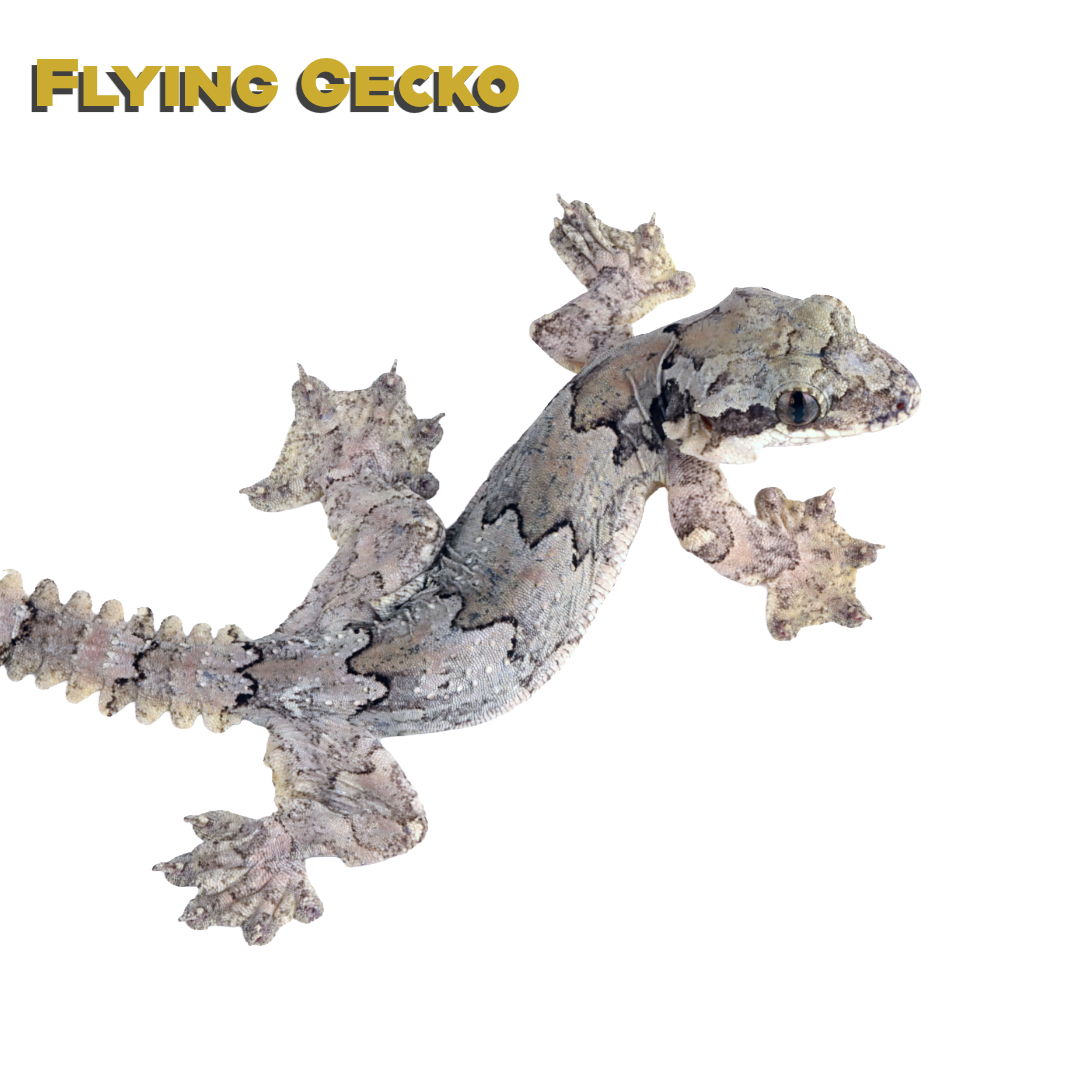
Caring for your Flying Gecko
Flying Gecko is native to the tropical rainforests of Southeast Asia, particularly found in countries such as Malaysia, Thailand, and Indonesia. This arboreal species is known for its remarkable ability to glide, using its large webbed toes and flattened body to navigate through the canopy…
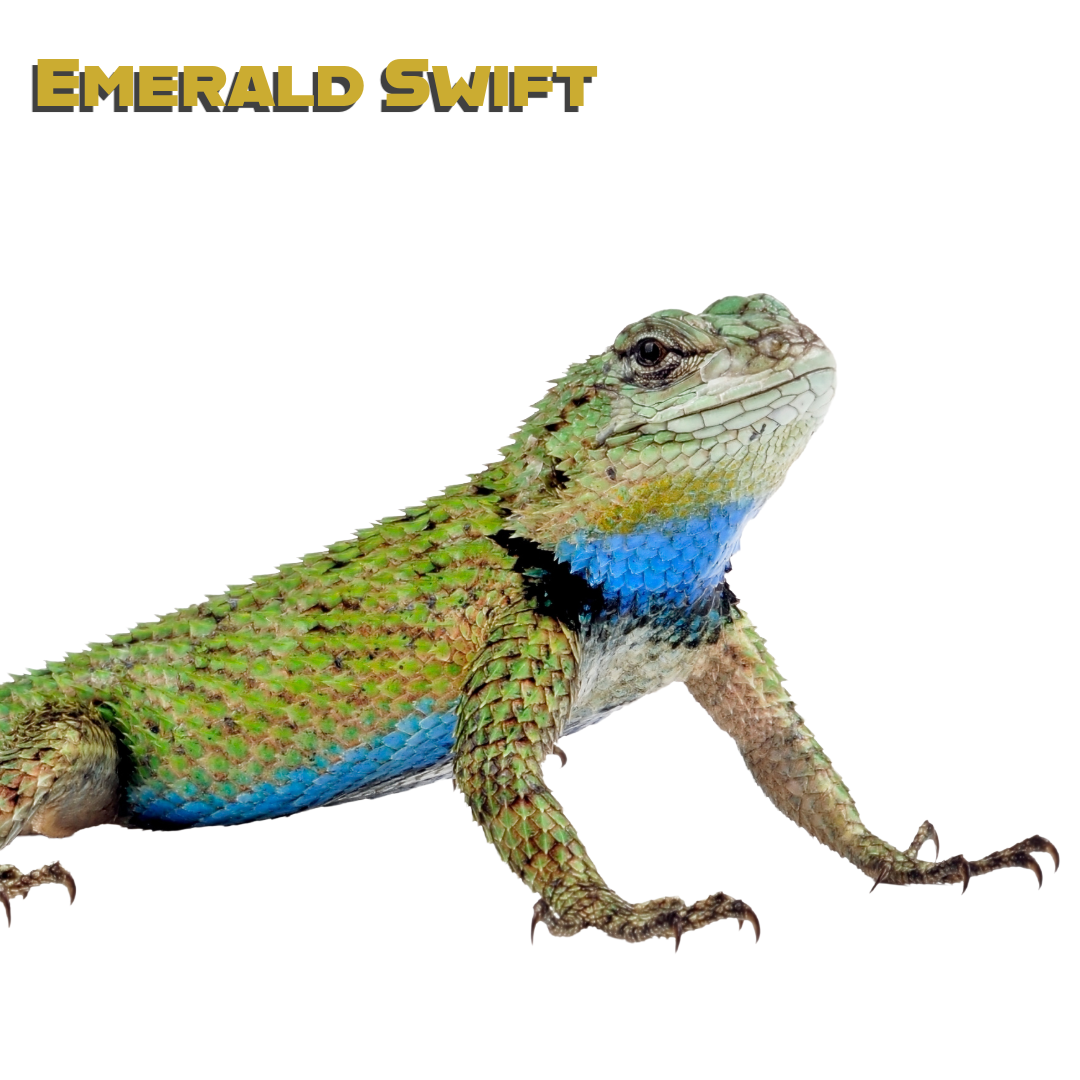
Caring for your Emerald Swift
Emerald swifts are brilliantly colored lizards native to the forests and mountainous regions of Central America, particularly Costa Rica, Honduras, and Nicaragua. Males display vibrant emerald green and turquoise scales, while females are generally more muted in coloration…