

Use the search feature to find your pet’s care sheet!
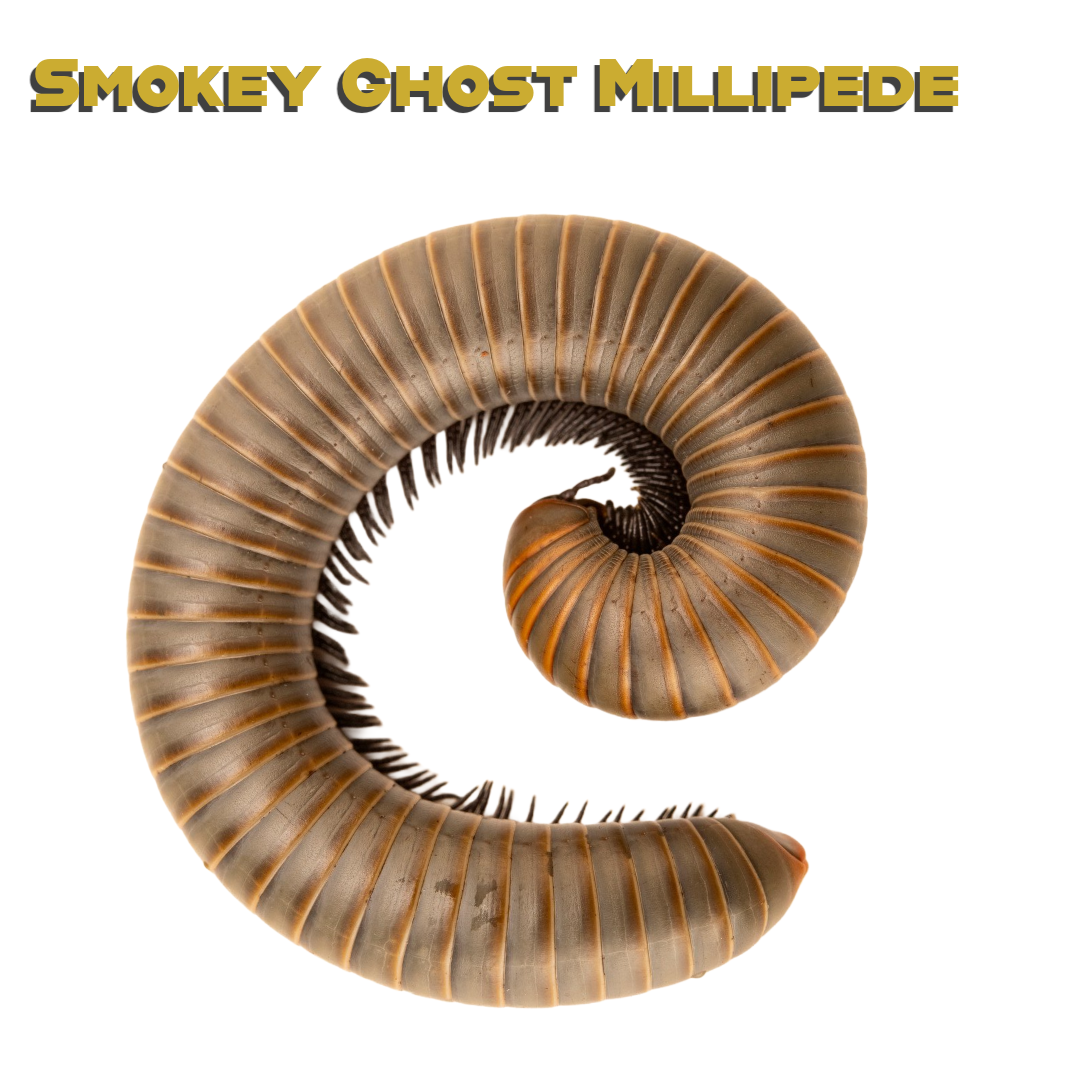
Caring for your Smokey Ghost Millipede
The Smokey Ghost Millipede is a beautiful, medium-sized species native to the humid tropical forests of Madagascar. Known for their smooth bodies and smoky charcoal-to-slate coloration, these millipedes are peaceful, slow-moving detritivores that spend most of their time burrowed beneath leaf litter and…

Caring for your Bumblebee Millipede
The Bumblebee Millipede is a small, brightly colored species native to the Caribbean and parts of southern Florida. Known for their striking yellow-and-black banded bodies, these millipedes are peaceful detritivores that thrive in warm, humid environments rich in decomposing plant matter. Their gentle temperament, vibrant coloration, and simple care…
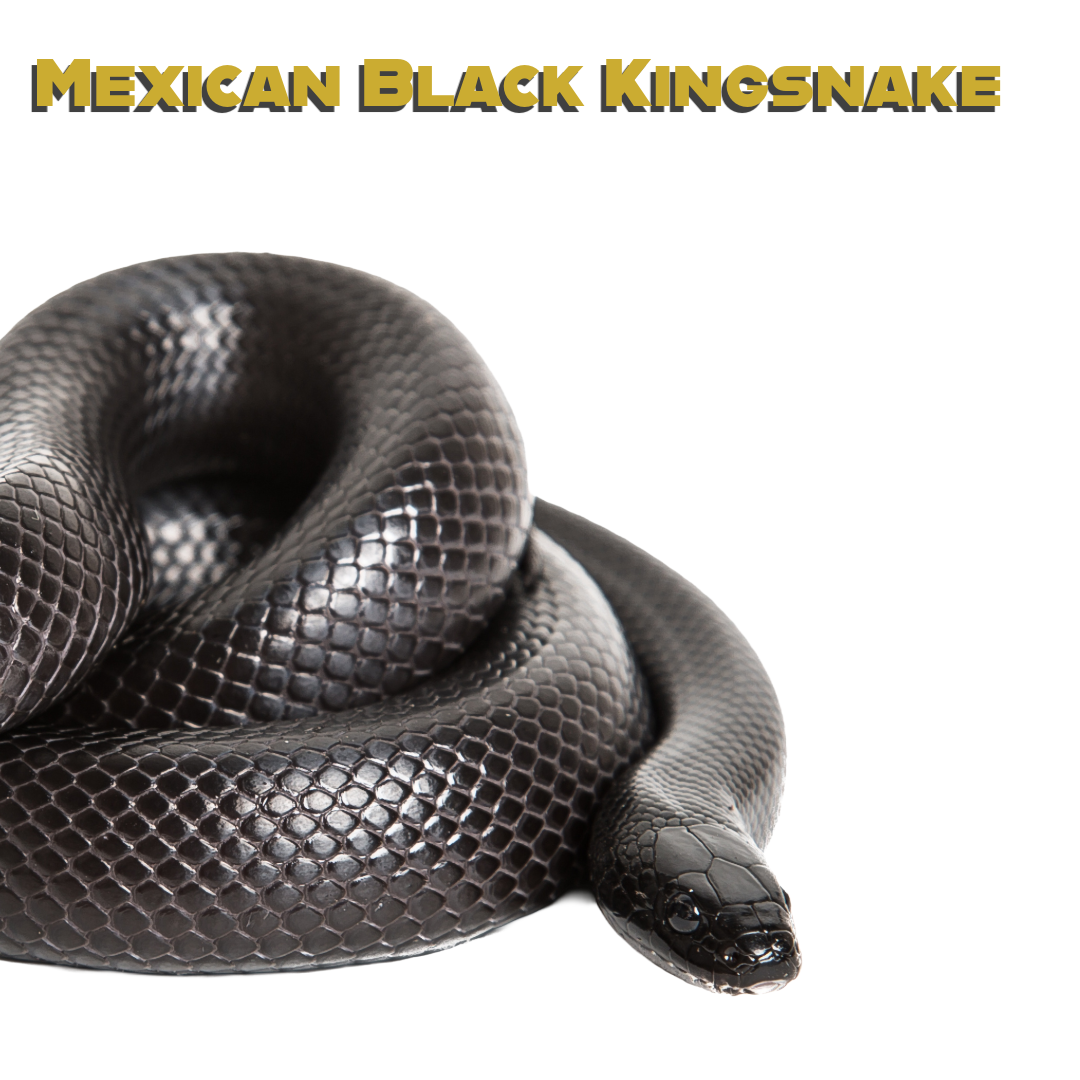
Caring for your Mexican Black King Snake
The Mexican Black Kingsnake is a striking, jet-black colubrid native to northwestern Mexico, where it inhabits deserts, scrublands, rocky outcrops, and semi-arid grasslands. Known for their glossy, solid-black scales and calm demeanor, these snakes are popular among both beginners and experienced keepers. As opportunistic…
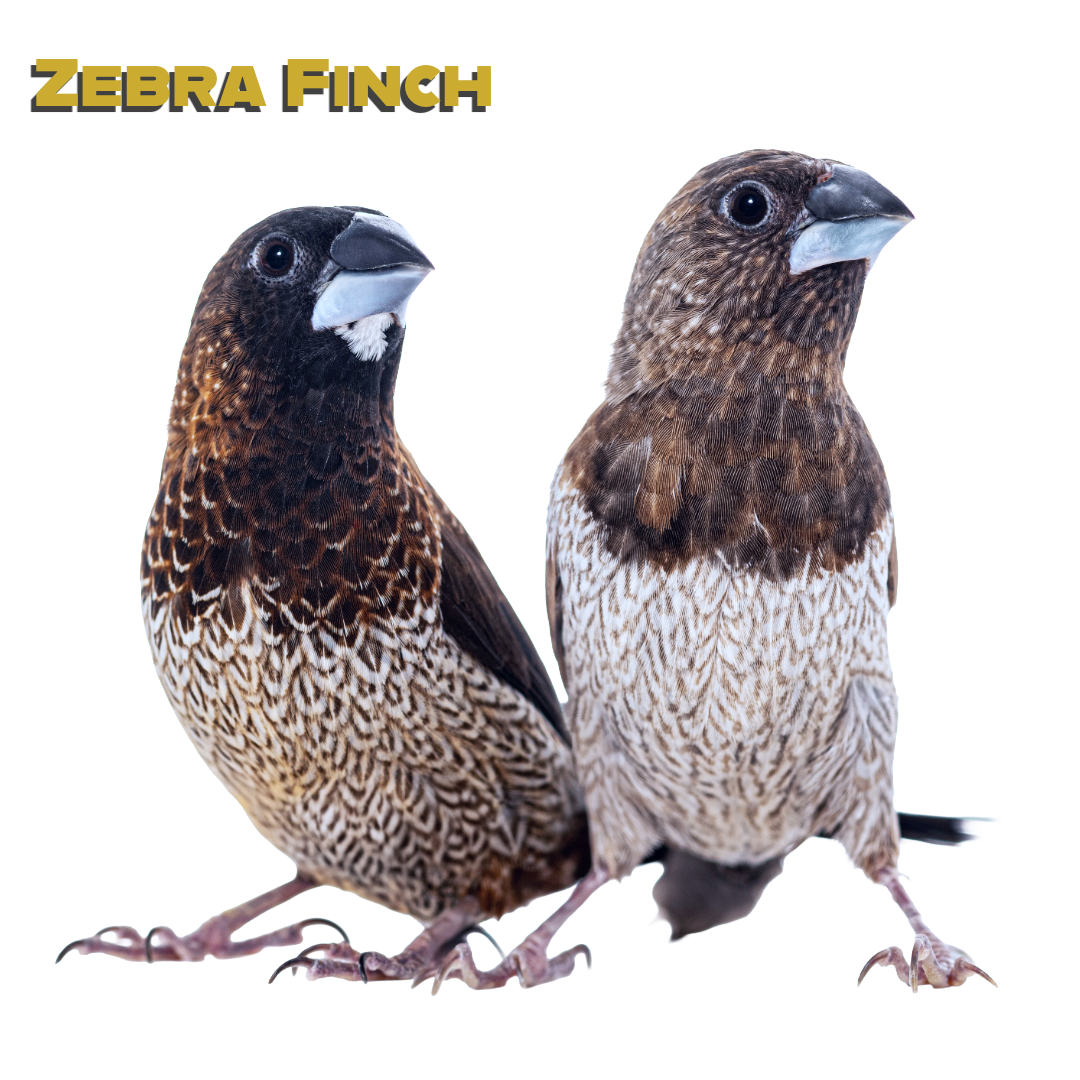
Caring for your Society Finch
Society Finches—also called Bengal Finches—are small, gentle, and highly social birds domesticated through centuries of selective breeding. Unlike many finches, they do not exist in the wild and are known for their cooperative social behavior, often helping to incubate eggs and raise young. Adults typically reach 4–5 inches…
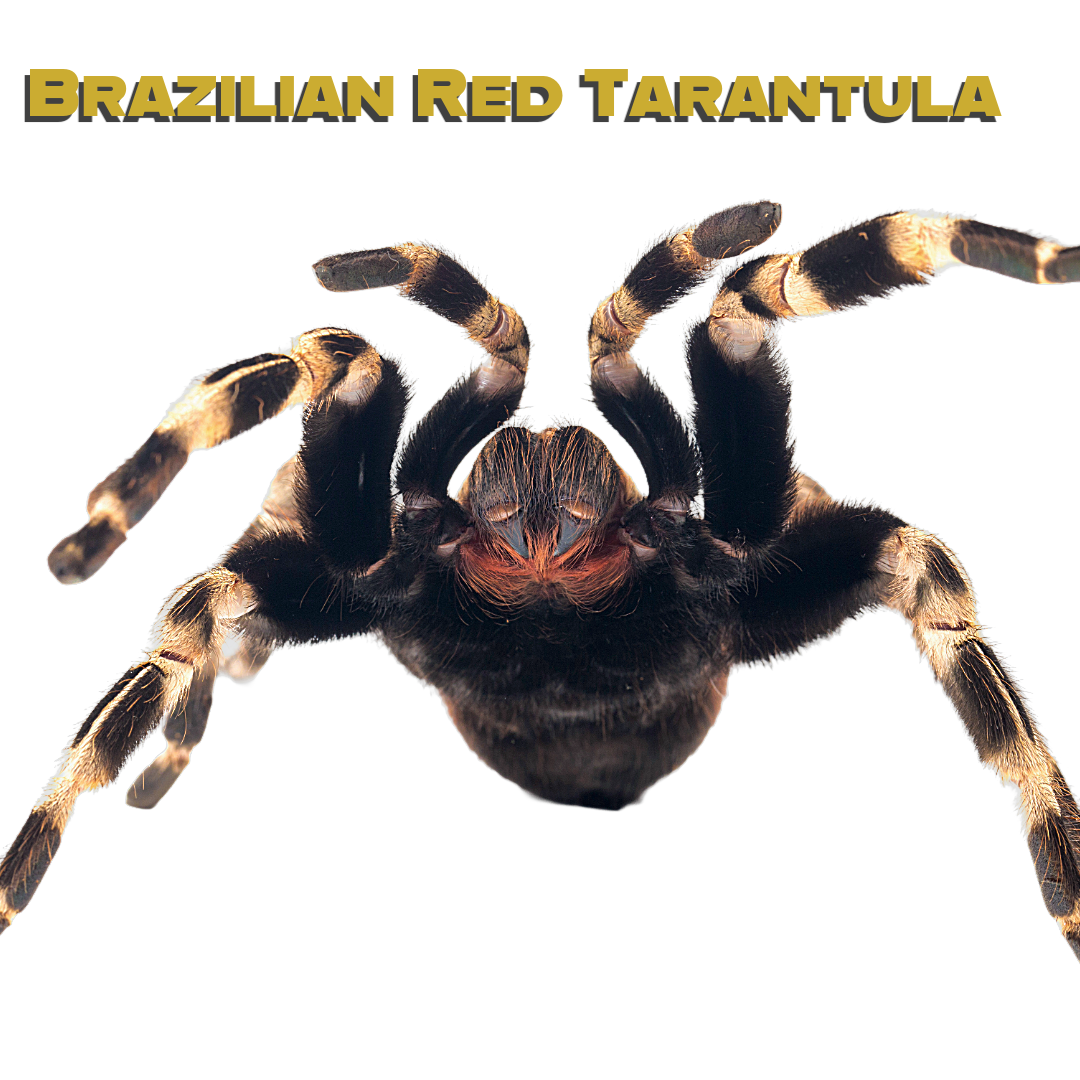
Caring for your Brazilian Red Tarantula
The Brazilian Red Tarantula is a medium-to-large New World species native to the grasslands and savannas of Brazil. It is admired for its striking reddish hues, dense leg setae, and robust body shape. Known for being bold and somewhat defensive compared to more docile species, it moves quickly but is generally hardy and adaptable in captivity. Adults commonly reach…
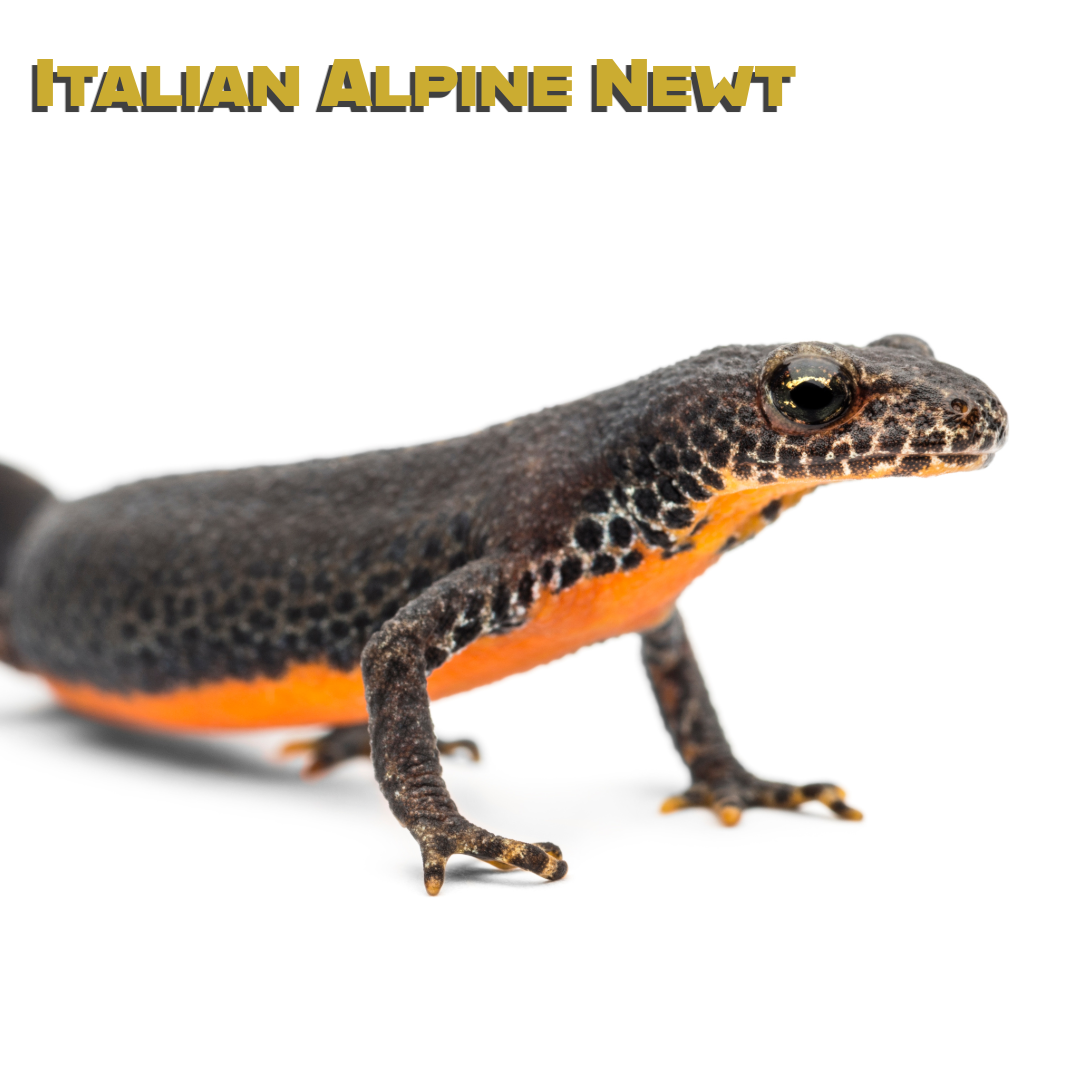
Caring for your Italian Alpine Newt
The Italian Alpine Newt is a small, semi-aquatic amphibian native to cool mountain forests, ponds, and slow-moving streams across northern Italy and surrounding regions. Known for their striking orange bellies, dark speckled bodies, and elegant swimming behavior, these newts thrive in well-oxygenated, cool water environments...
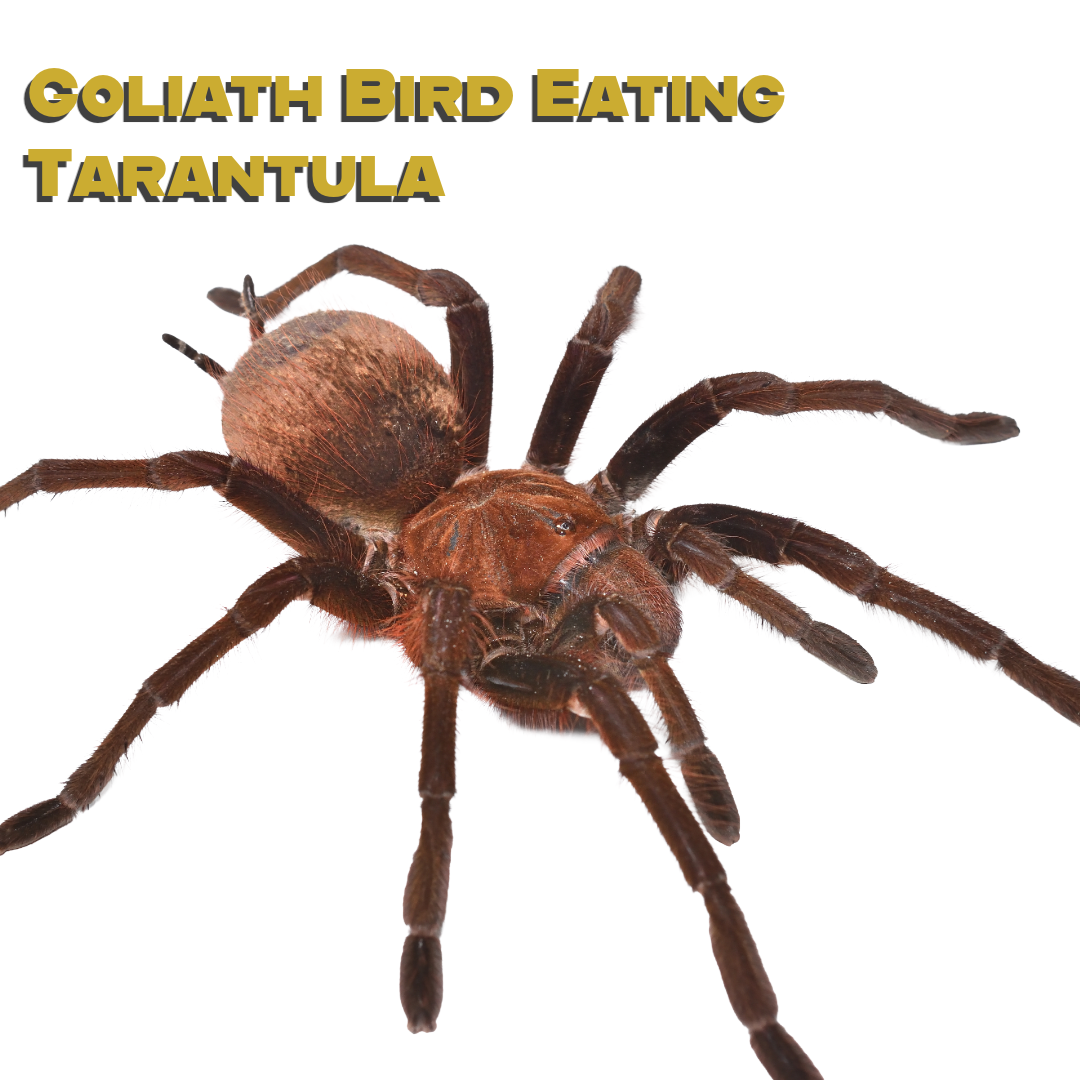
Caring for your Goliath Bird Eating Tarantula
The Goliath Bird-Eating Tarantula is one of the largest arachnids on Earth, native to the dense tropical rainforests of northern South America, including Guyana, Suriname, and Venezuela. Known for its massive size, thick legs, and powerful appearance, this species can reach an astonishing 10–12 inches in leg span. Despite the name, they…
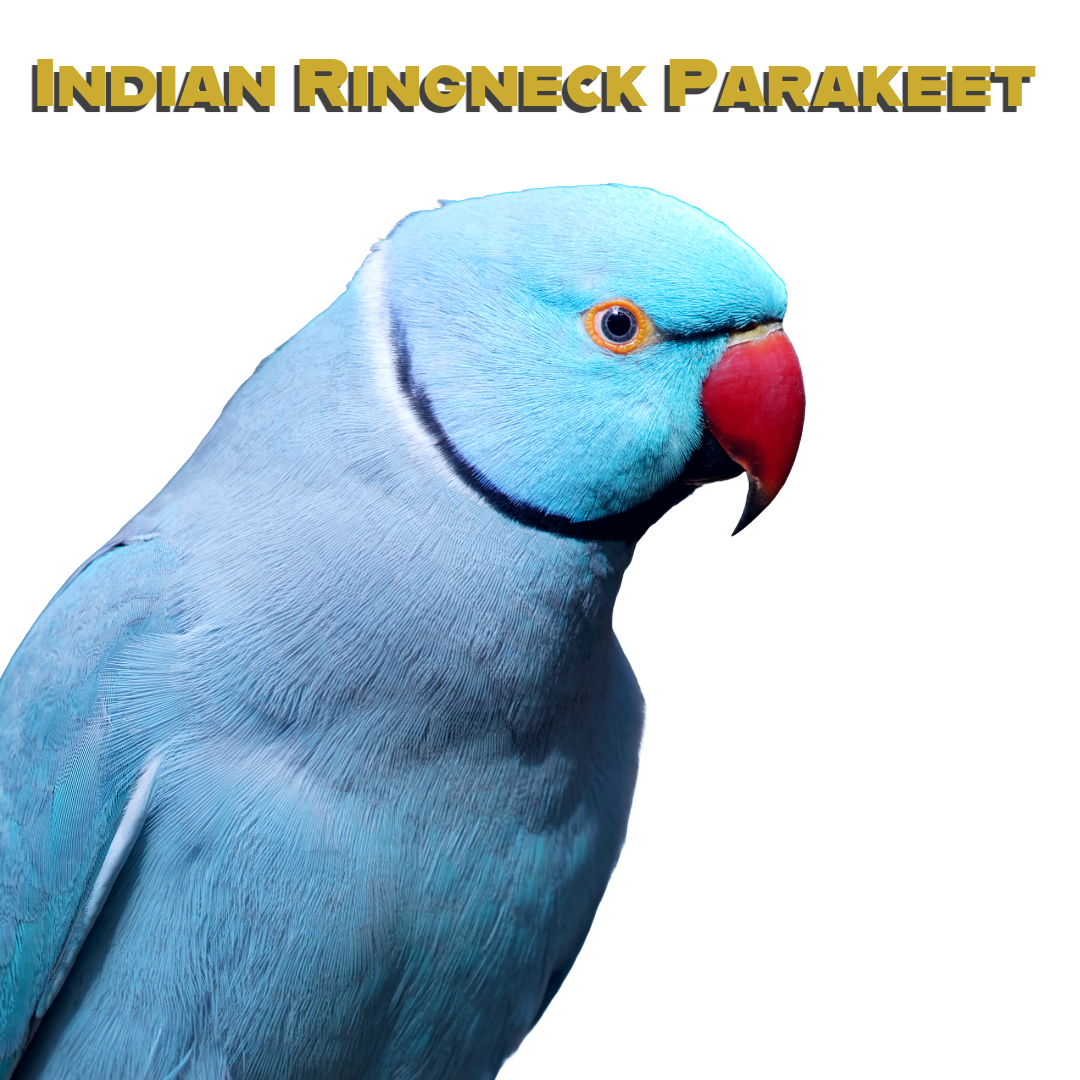
Caring for your Indian Ringneck
The Indian Ringneck Parakeet is a highly intelligent and visually striking parrot native to India and surrounding regions of South Asia. Known for their slender bodies, long tails, and vivid green, blue, yellow, or lutino color morphs, these birds are energetic, vocal, and incredibly social. Adults typically reach 14–17 inches in total length. Males develop…
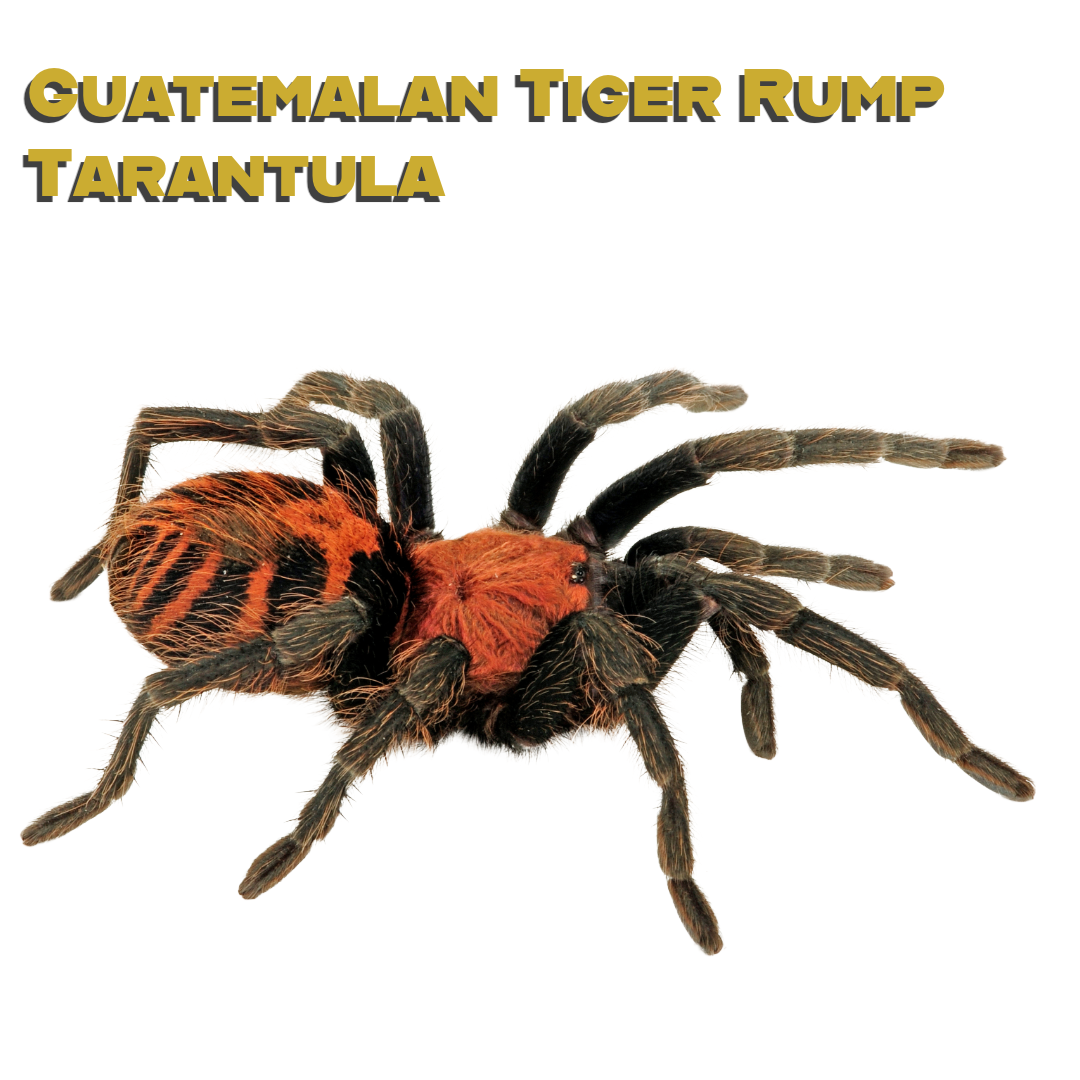
Caring for your Guatemalan Tiger Rump Tarantula
The Guatemalan Tiger Rump Tarantula is a small to medium-sized New World species native to Guatemala and surrounding regions of Central America. Known for its striking orange and black “tiger stripe” abdominal pattern, this species is fast, alert, and visually impressive. Adults typically reach 3–4 inches in leg span and are primarily…
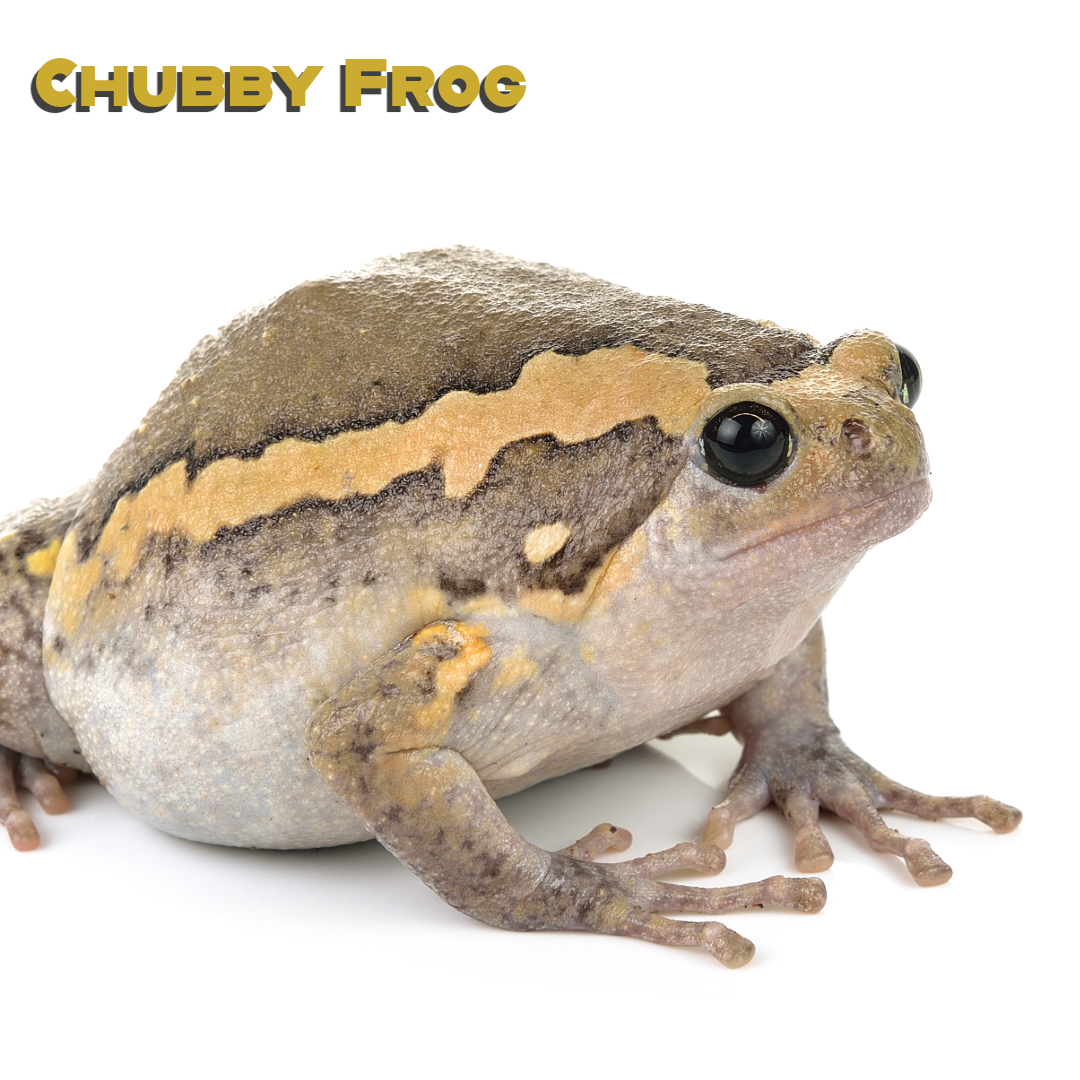
Caring for your Chubby Frog
The Chubby Frog, also known as the Asian Painted Frog or Banded Bullfrog, is a stout, burrowing amphibian native to Southeast Asia, where it inhabits humid forests, rice fields, suburban gardens, and temporary pools during the rainy season. These frogs are known for their rounded bodies, endearing “grumpy” facial expressions, and…
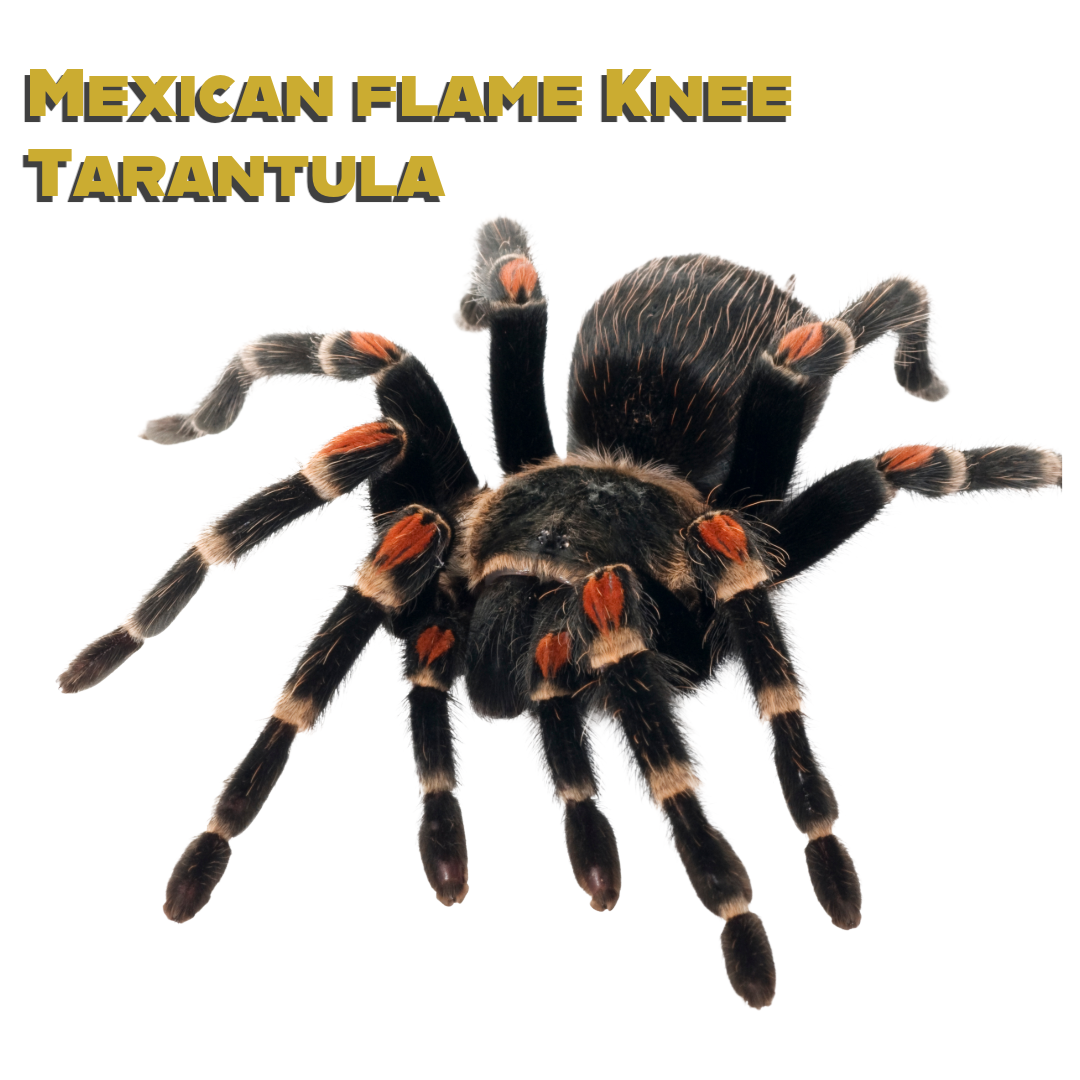
Caring for your Mexican Flame Knee Tarantula
The Mexican Flame Knee Tarantula is a beautiful and calm terrestrial species native to the dry scrublands and semi-desert regions of western Mexico. Named for the striking orange-red "flame" markings on its knees, this species is a close relative of the popular Mexican Red Knee. Adults typically reach 5–6 inches in leg span and are known for…
Caring for your Rio Grande Gold Tarantula
The Rio Grande Gold Tarantula is a calm, terrestrial species native to the dry scrublands and desert regions of southern Texas and northern Mexico. It is easily recognized by its warm golden-brown coloration, dark legs, and thick, velvety appearance. Adults typically reach a 4–5 inch leg span and are admired for their gentle temperament, making them an ideal tarantula for beginners…
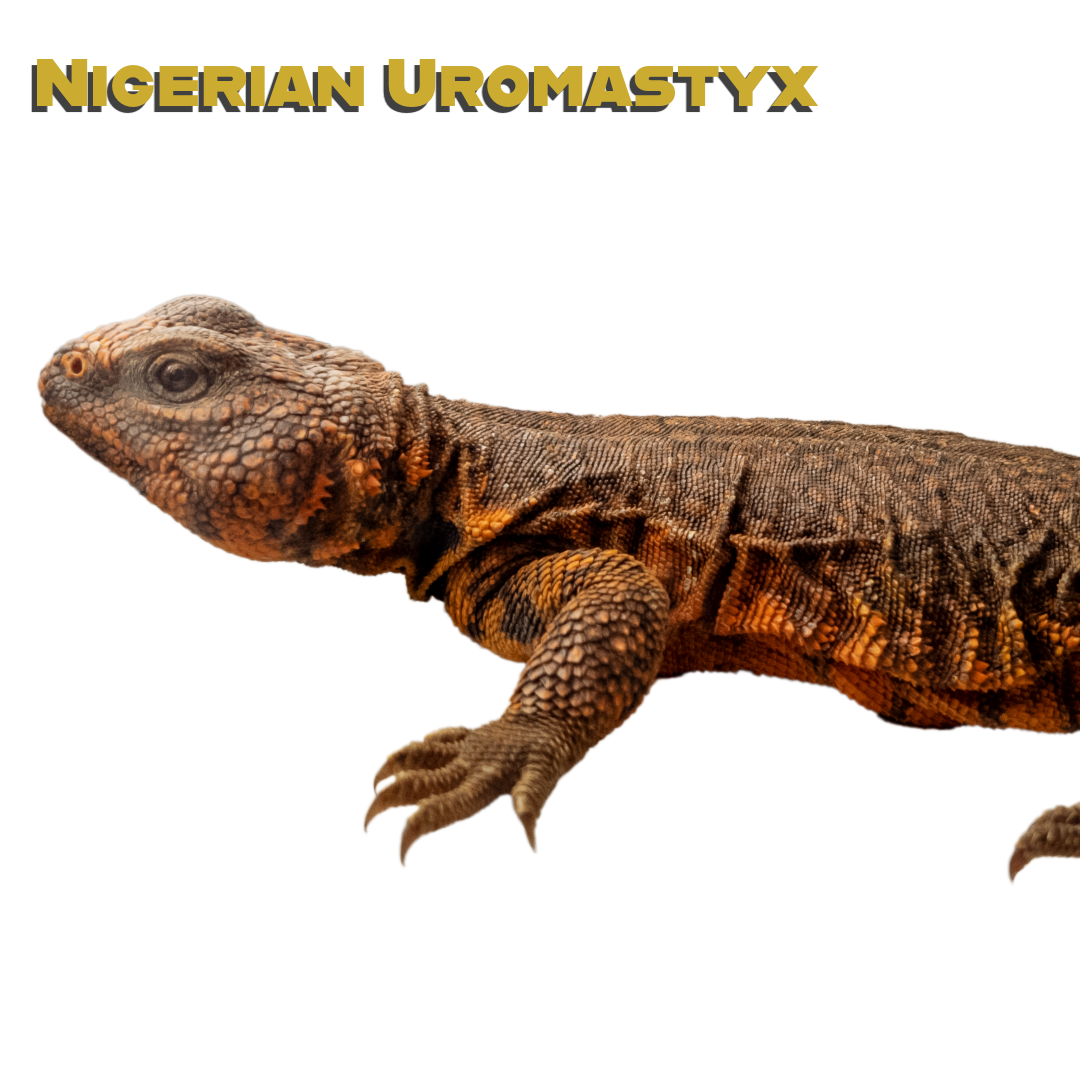
Caring for your Nigerian Uromastyx
The Nigerian Uromastyx, also known as the Saharan or Geyr’s Spiny-Tailed Lizard, is a hardy, desert-dwelling species found in arid regions of Niger, Mali, and Algeria. These diurnal reptiles are known for their striking orange, yellow, or red coloration and docile temperaments once acclimated. Adults reach 12–16 inches in length and thrive in hot…
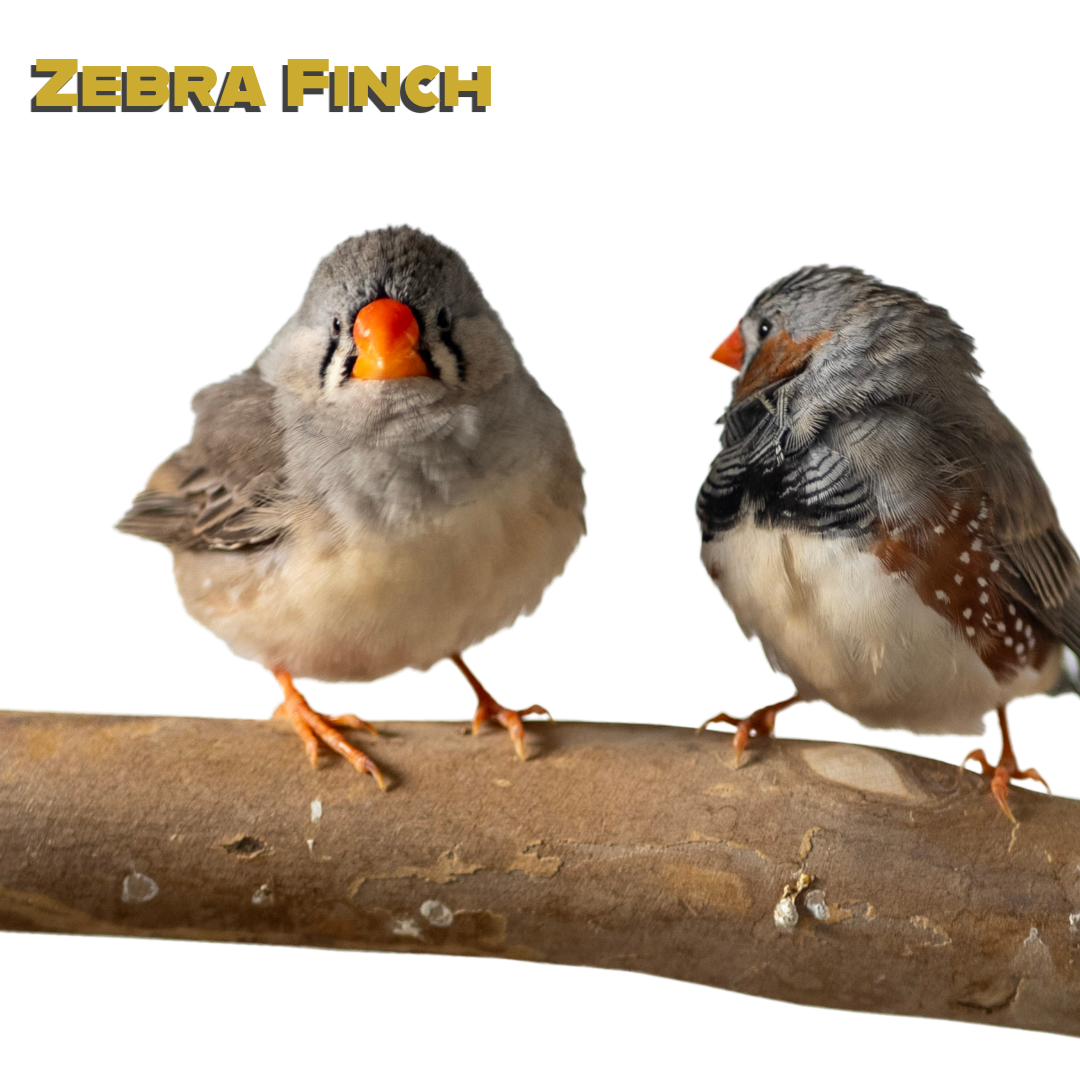
Caring for your Zebra Finch
Zebra Finches are small, lively birds native to the grasslands and open forests of Australia and Indonesia. Recognized by their bright orange beaks, black-and-white barred tails, and males’ distinct cheek patches, these finches are social, vocal, and easy to care for. Adult Zebra Finches typically measure 4–5 inches long and are best known for their…
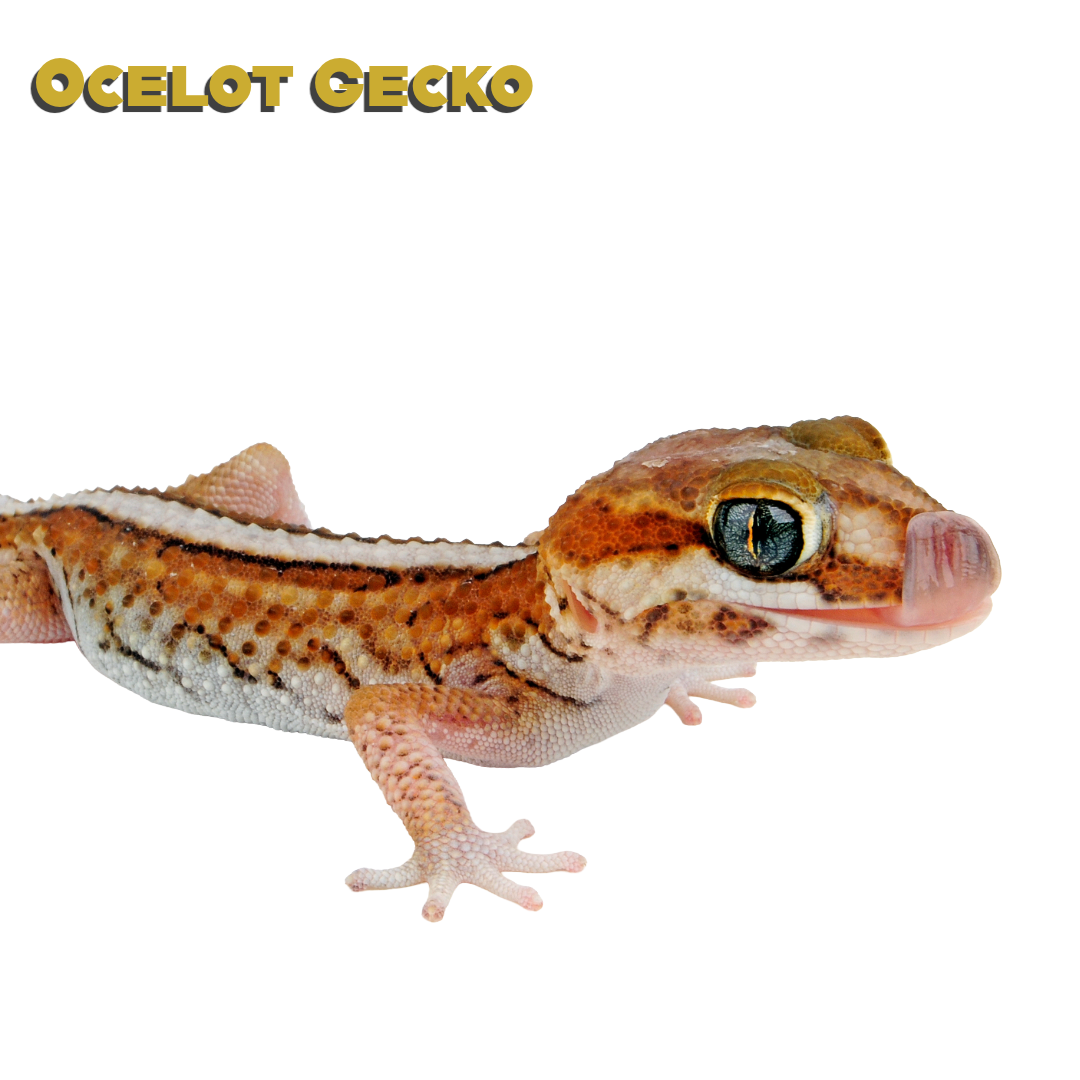
Caring for your Ocelot Gecko
Ocelot Geckos, also known as Madagascar Ground Geckos or Panther Geckos, are nocturnal, terrestrial lizards native to the dry forests and scrublands of Madagascar. Named for their striking ocelot-like spots and bands, these geckos are small to medium-sized and grow up to 5–6 inches in length. They are active, curious, and relatively hardy, making them…
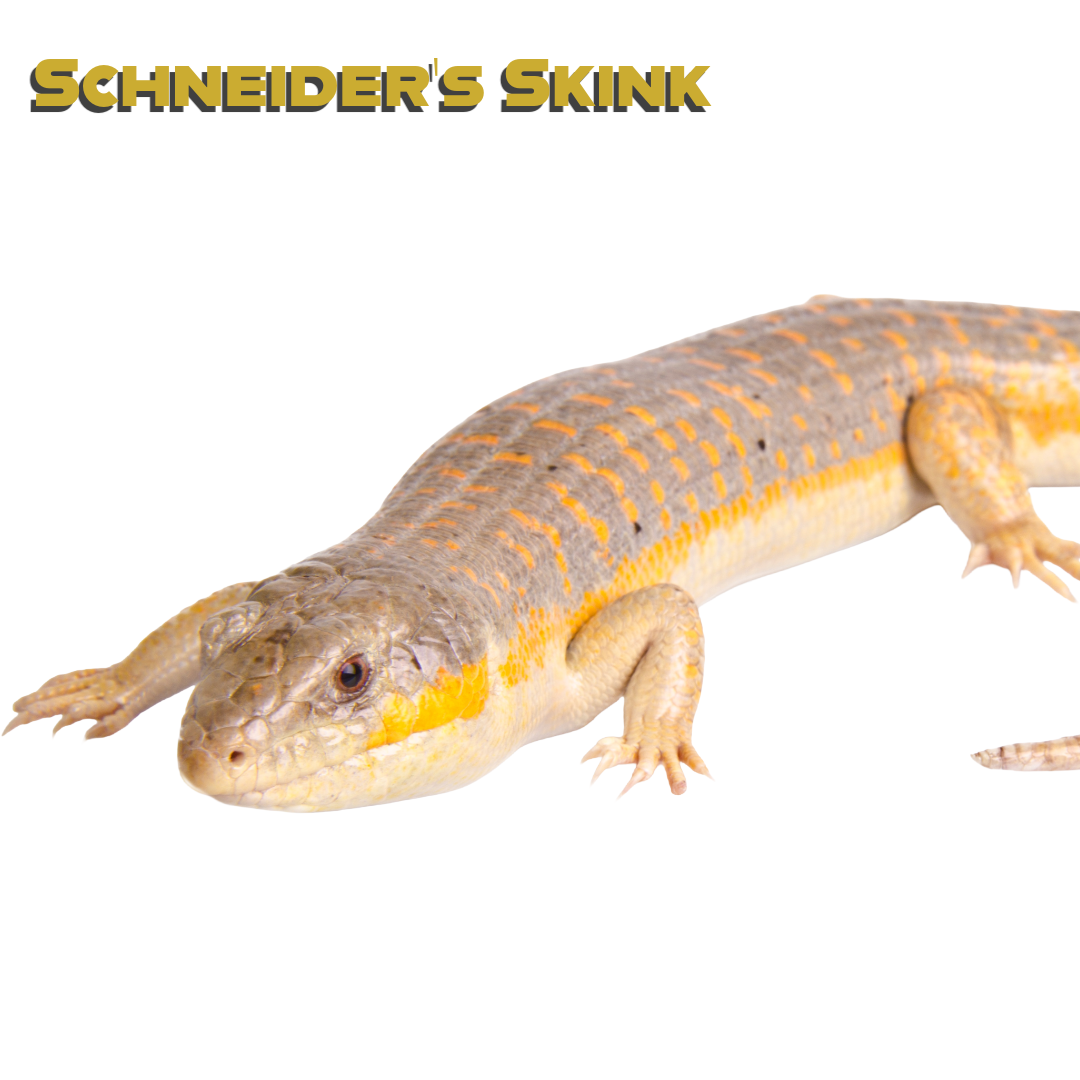
Caring for your Schneider’s Skink
Schneider’s Skinks, also known as Berber Skinks or Golden Skinks, are medium-sized terrestrial lizards native to North Africa, the Middle East, and parts of Asia. They inhabit dry, rocky grasslands and semi-desert regions, often burrowing or hiding under stones during the day. Adults typically reach 12–16 inches in length…
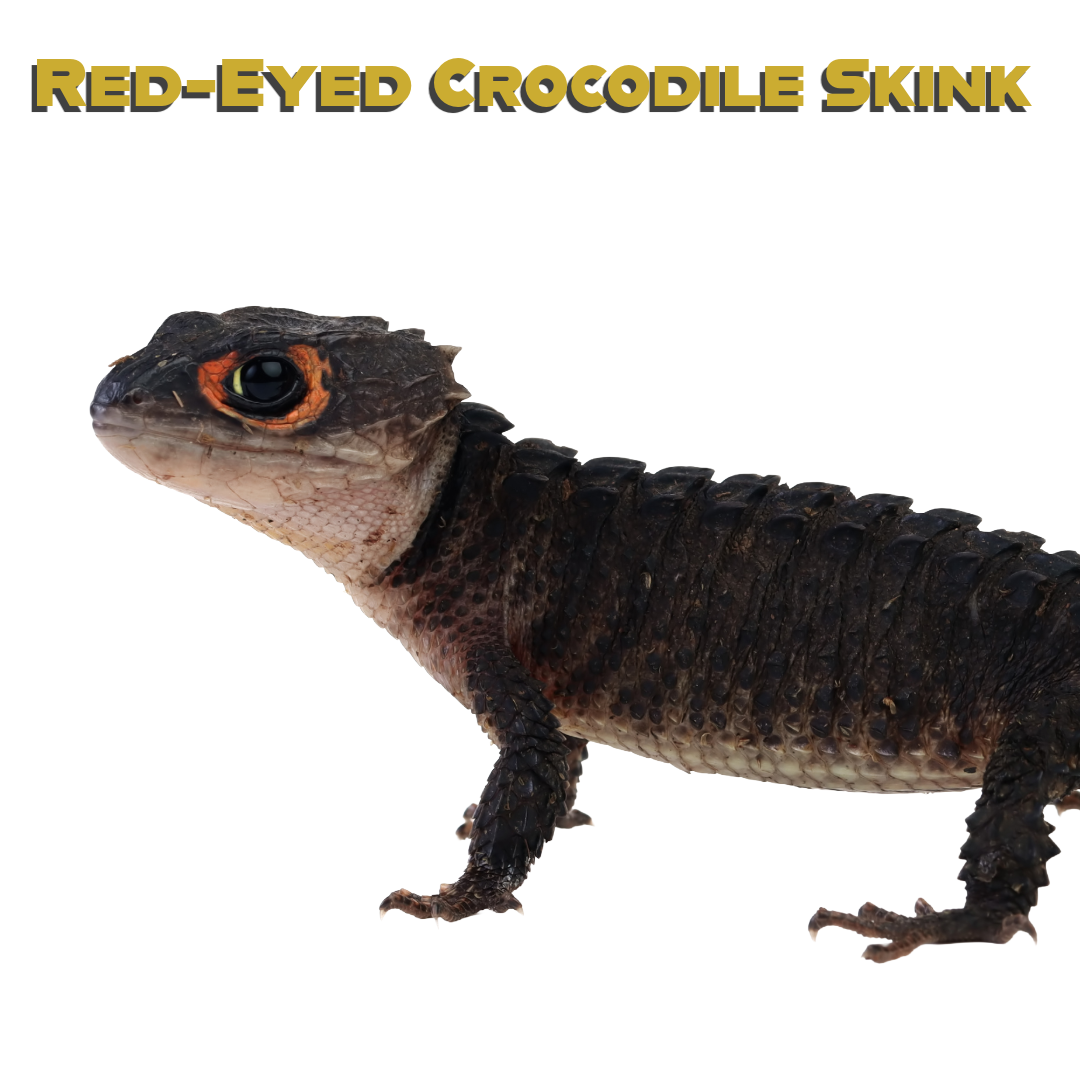
Caring for your Red-Eyed Crocodile Skink
The Red-Eyed Crocodile Skink is a small, unique lizard native to the tropical rainforests of New Guinea. Recognized by their armor-like scales and bright orange-red rings around their eyes, these shy, terrestrial reptiles resemble miniature dragons. Adults reach 8–10 inches in length and are known for…
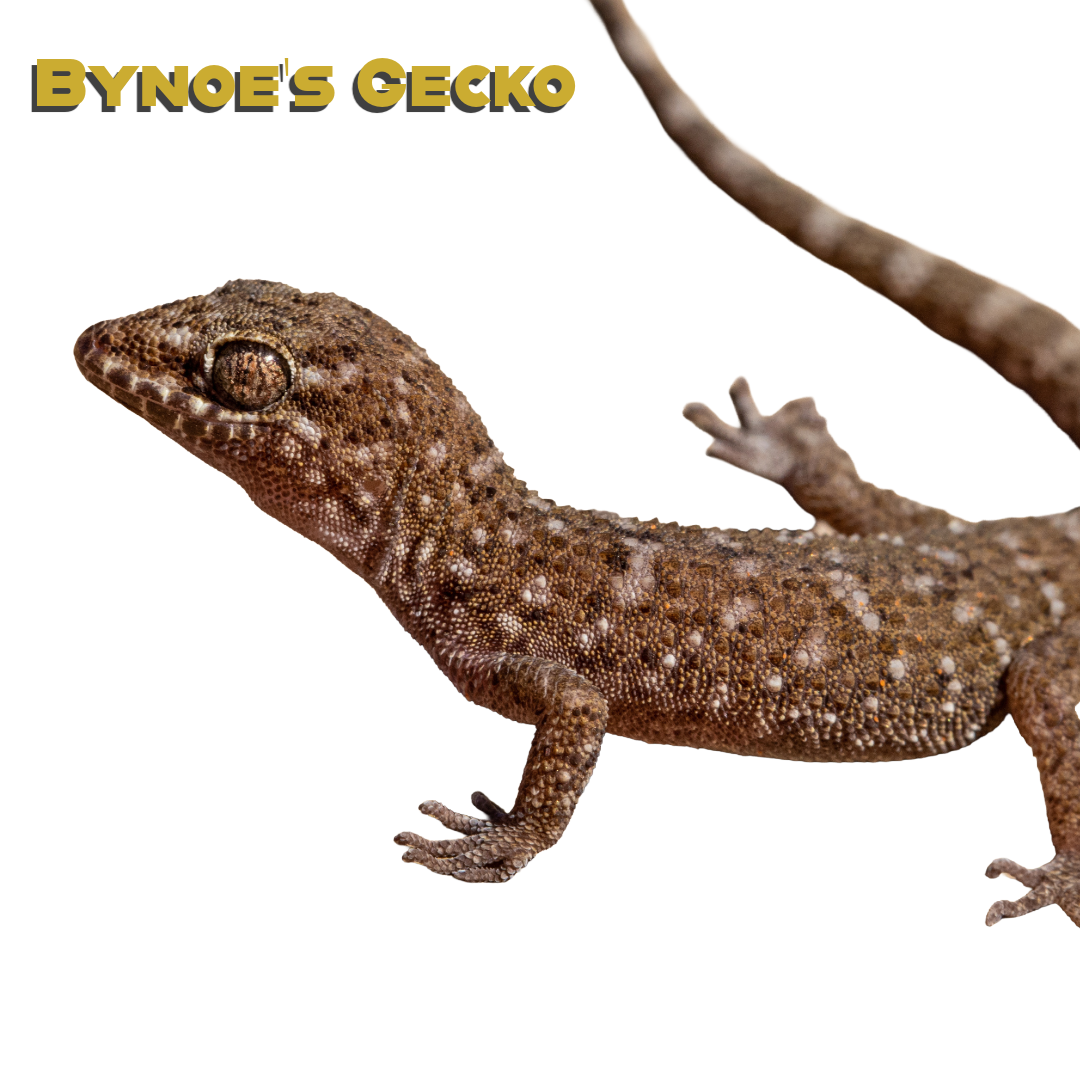
Caring for your Bynoe’s Gecko
The Bynoe’s Gecko is a small, hardy species native to Australia, found across a wide range of arid and semi-arid habitats. This terrestrial gecko is known for its adaptability and nocturnal lifestyle, emerging at night to hunt small insects. Adults typically reach 3–4 inches in total length, making them one of the…

Caring for your Powdered Glass Frog
The Powdered Glass Frog is a delicate, nocturnal amphibian native to the humid tropical rainforests of Central and South America, ranging from Honduras through Ecuador. This species is named for its translucent skin, through which internal organs are faintly visible — a fascinating adaptation…
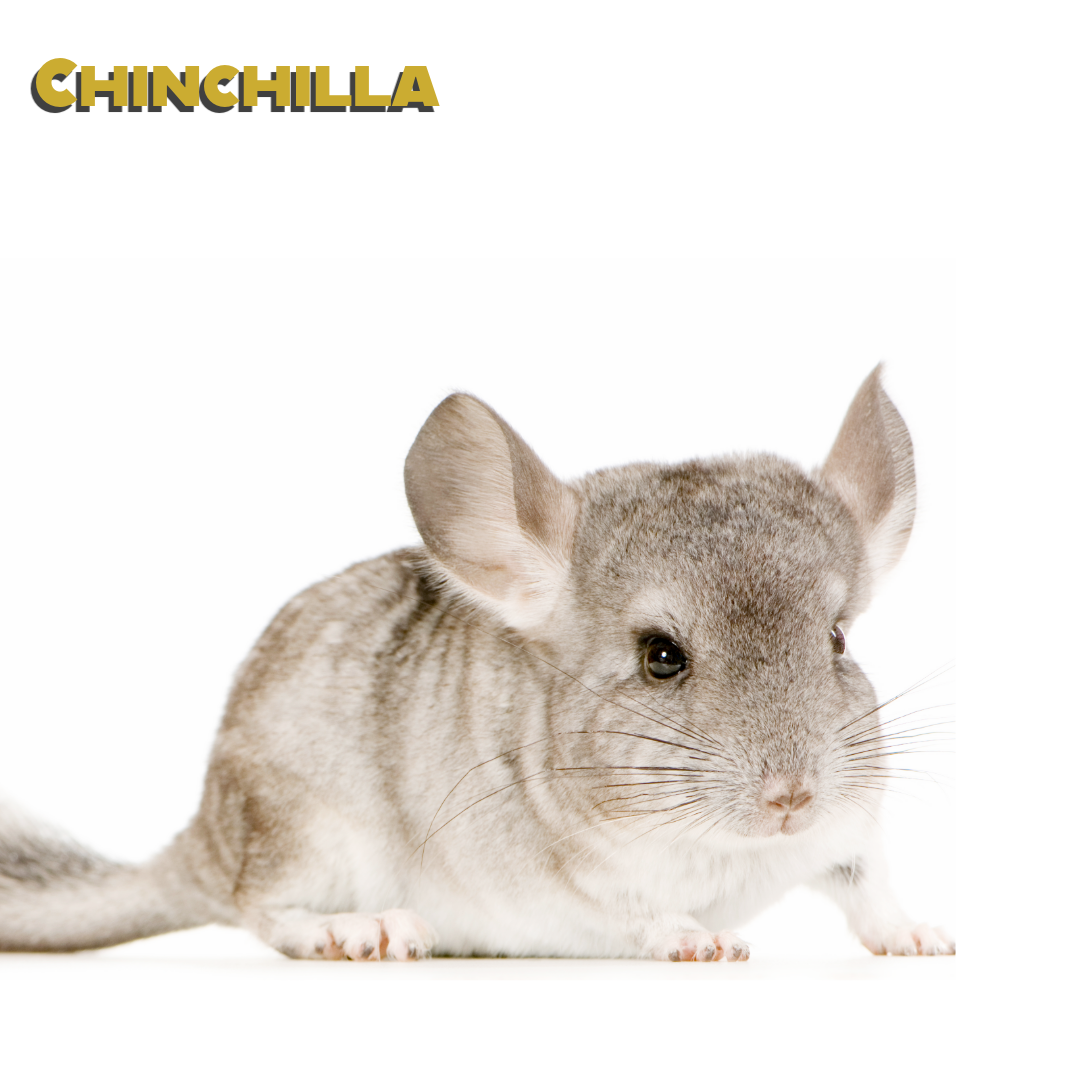
Caring for your Chinchilla
Chinchillas are small, nocturnal rodents native to the cool, rocky slopes of the Andes Mountains in South America. They are known for their incredibly dense fur — the softest of any land mammal — which protects them from cold temperatures and…