

Use the search feature to find your pet’s care sheet!
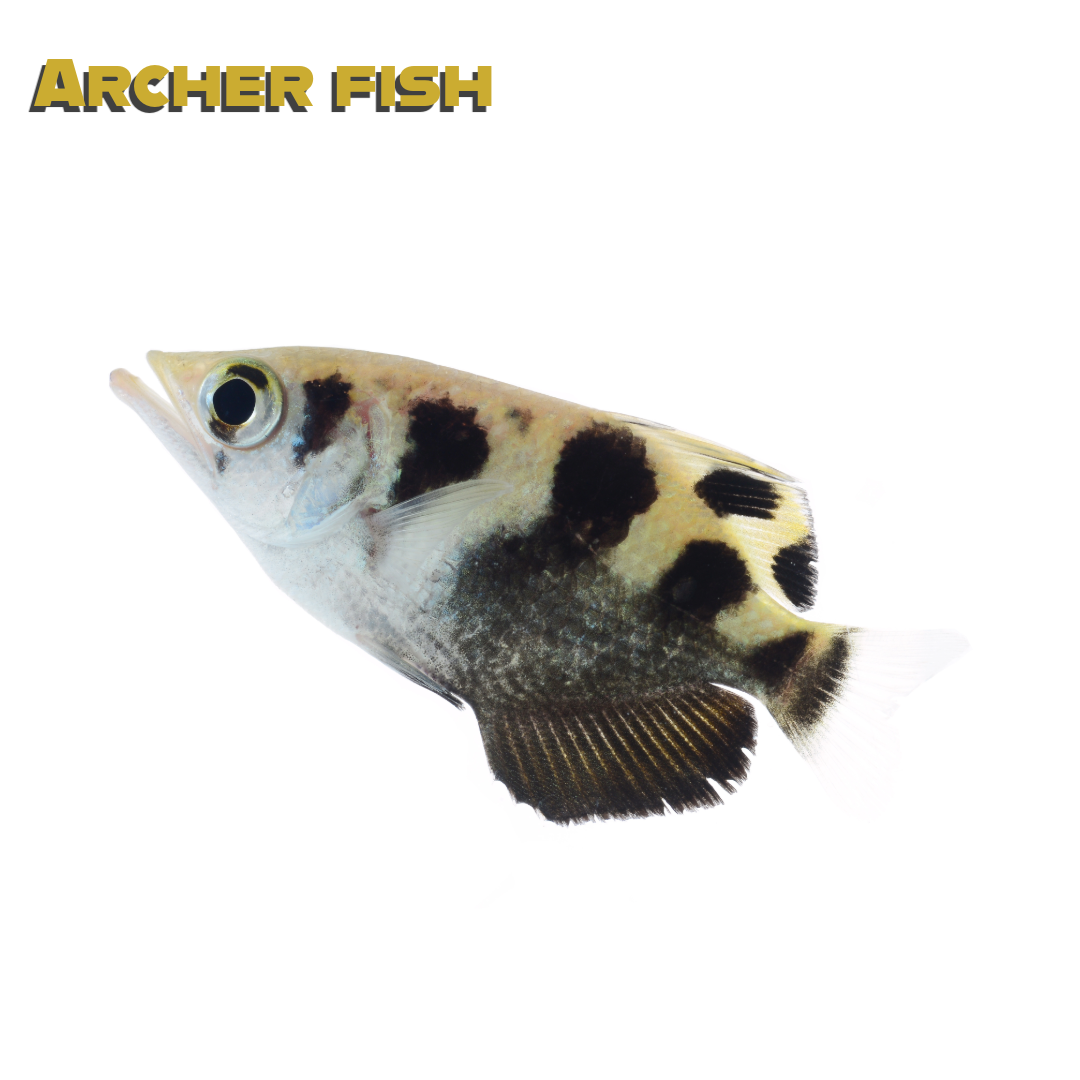
Caring for your Archer Fish
Archer Fish are a fascinating group of brackish to freshwater fish native to Southeast Asia and northern Australia, including regions like Indonesia. They are best known for their unique hunting behavior—shooting jets of water to knock insects off branches above the water’s surface. Adults typically reach 6–12 inches in length depending on s…
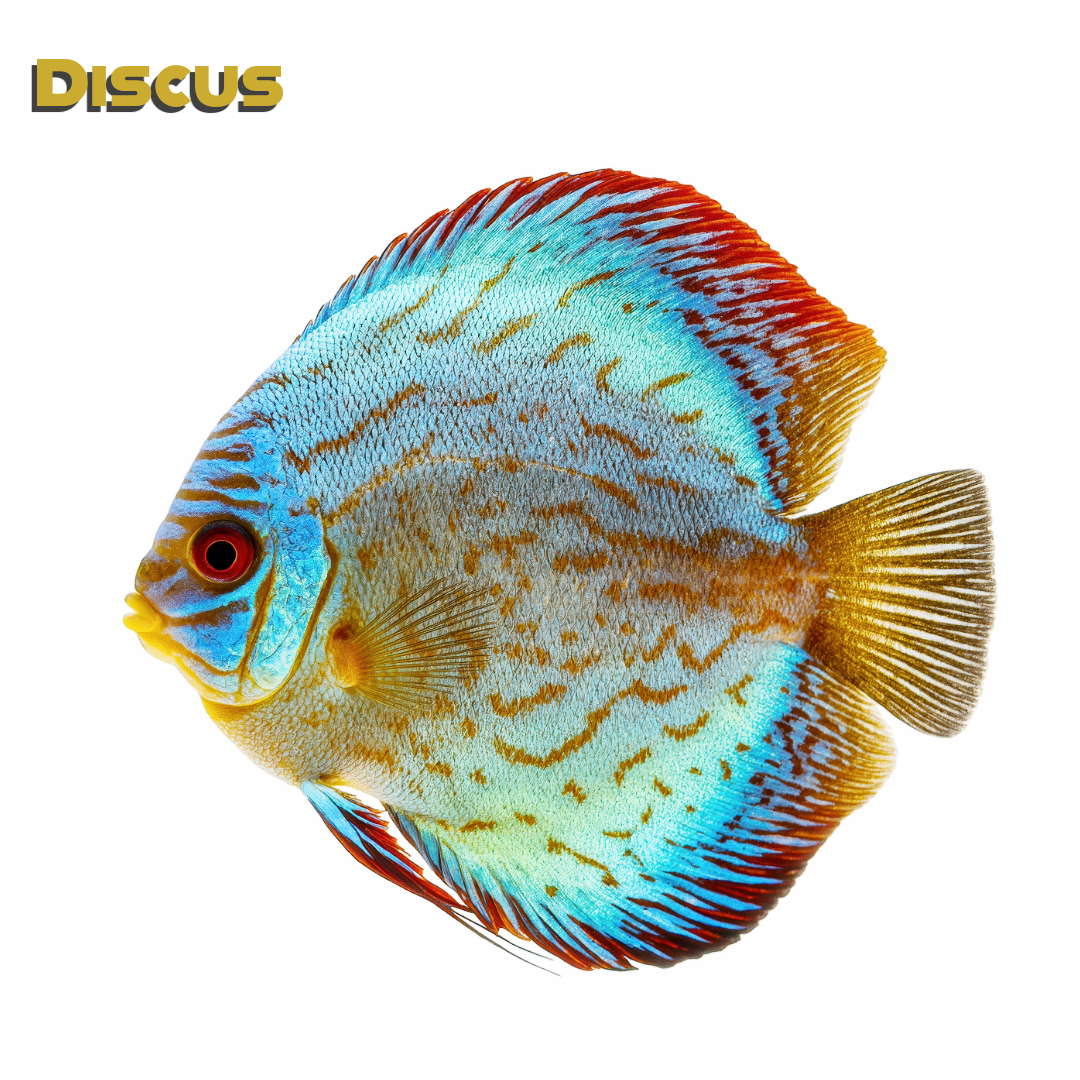
Caring for your Discus
Discus Fish are a highly sought-after freshwater species native to the slow-moving rivers and floodplains of the Amazon Basin, particularly in Brazil. Known for their round, disc-shaped bodies and vibrant coloration, discus are often considered one of the most beautiful…
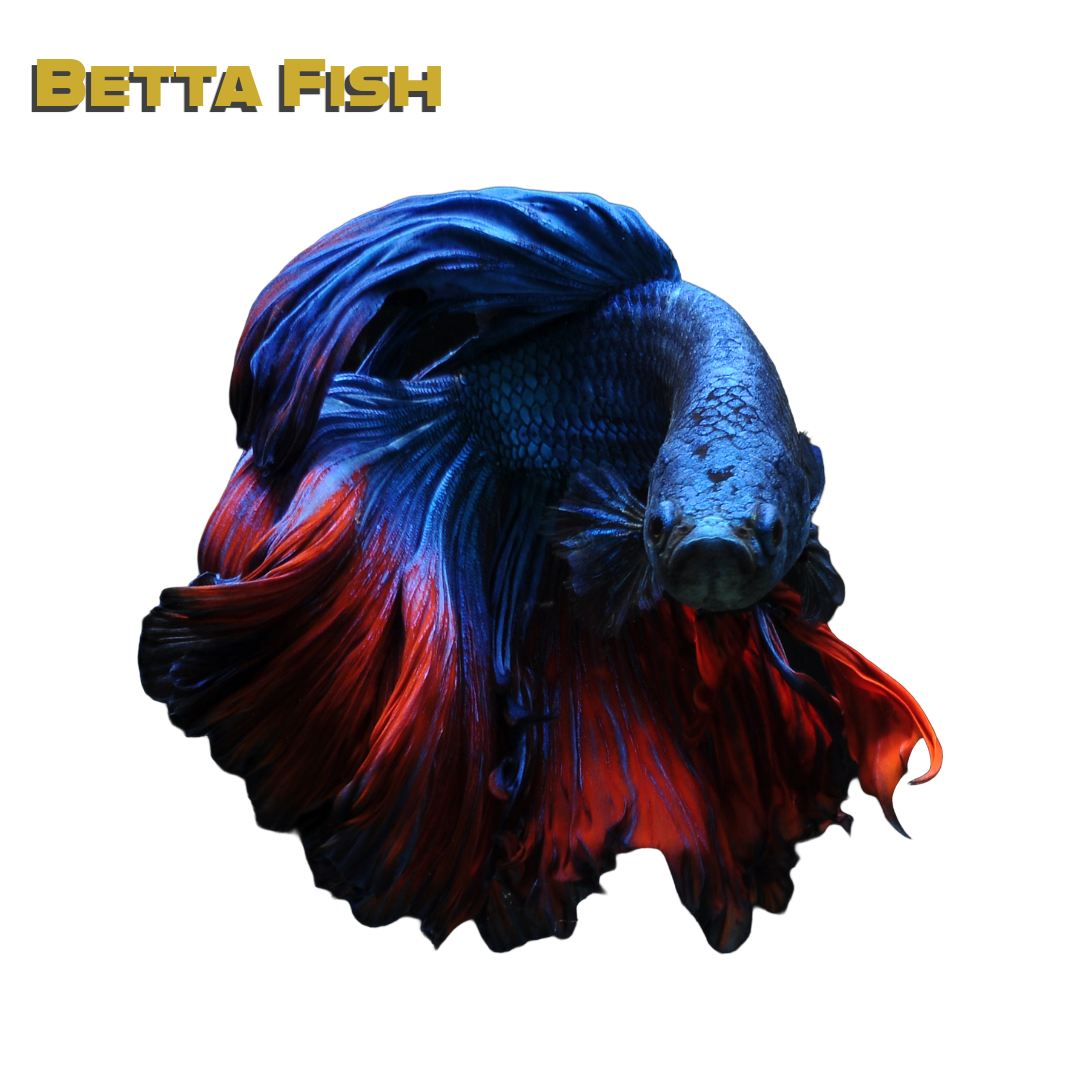
Caring for your Betta Fish
The Betta Fish, also known as the Siamese Fighting Fish, is a small freshwater fish native to Southeast Asia, particularly countries like Thailand. Known for their vibrant colors and flowing fins, bettas are one of the most popular aquarium fish in the hobby. Adults typically…
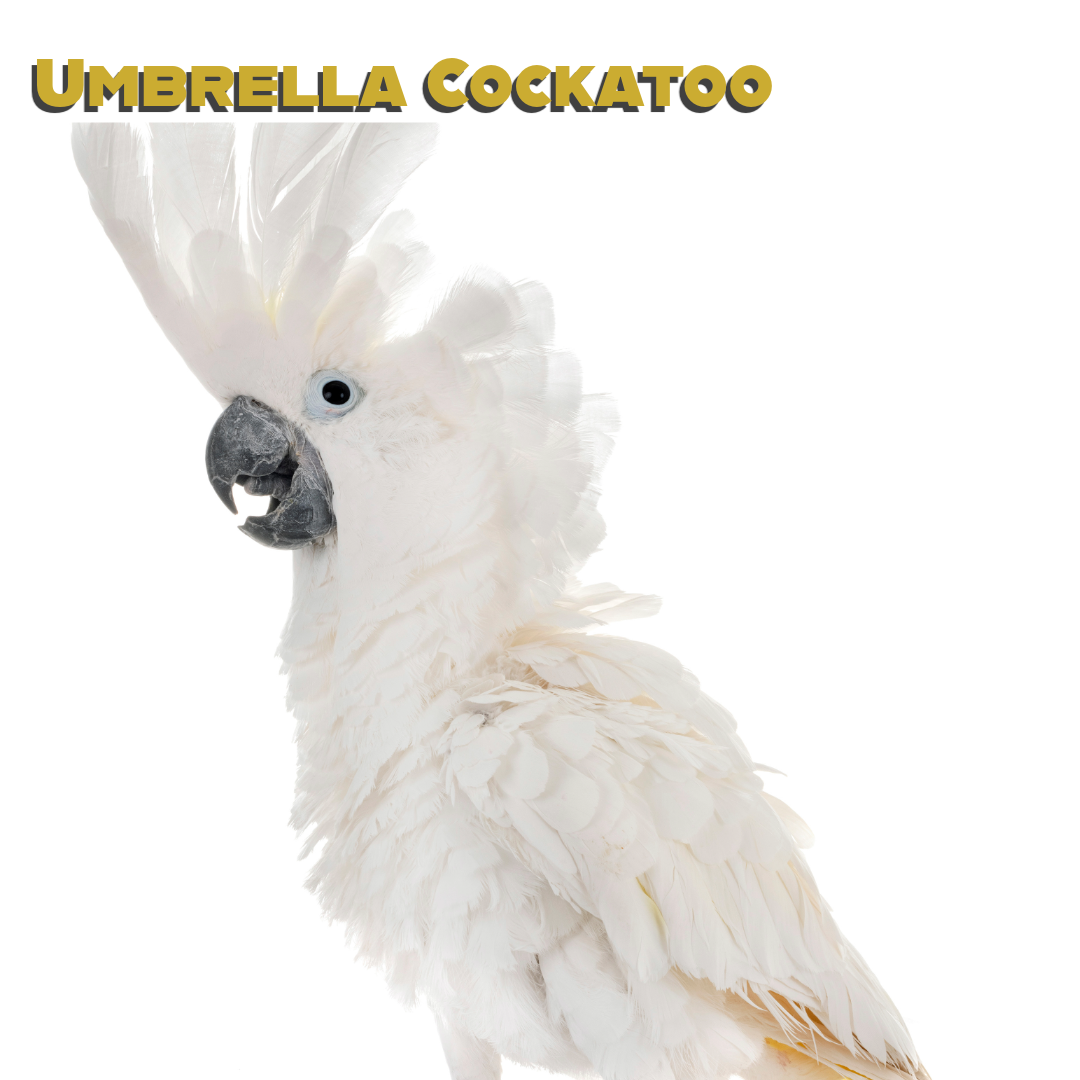
Caring for your Umbrella Cockatoo
The Umbrella Cockatoo is a large, highly intelligent parrot native to tropical regions of Indonesia, particularly the islands of Indonesia. Named for their impressive white crest that fans open like an umbrella, these birds are known for their affectionate nature and strong desire for attention. Adults typically reach 18–20 inches in length with a powerful build…
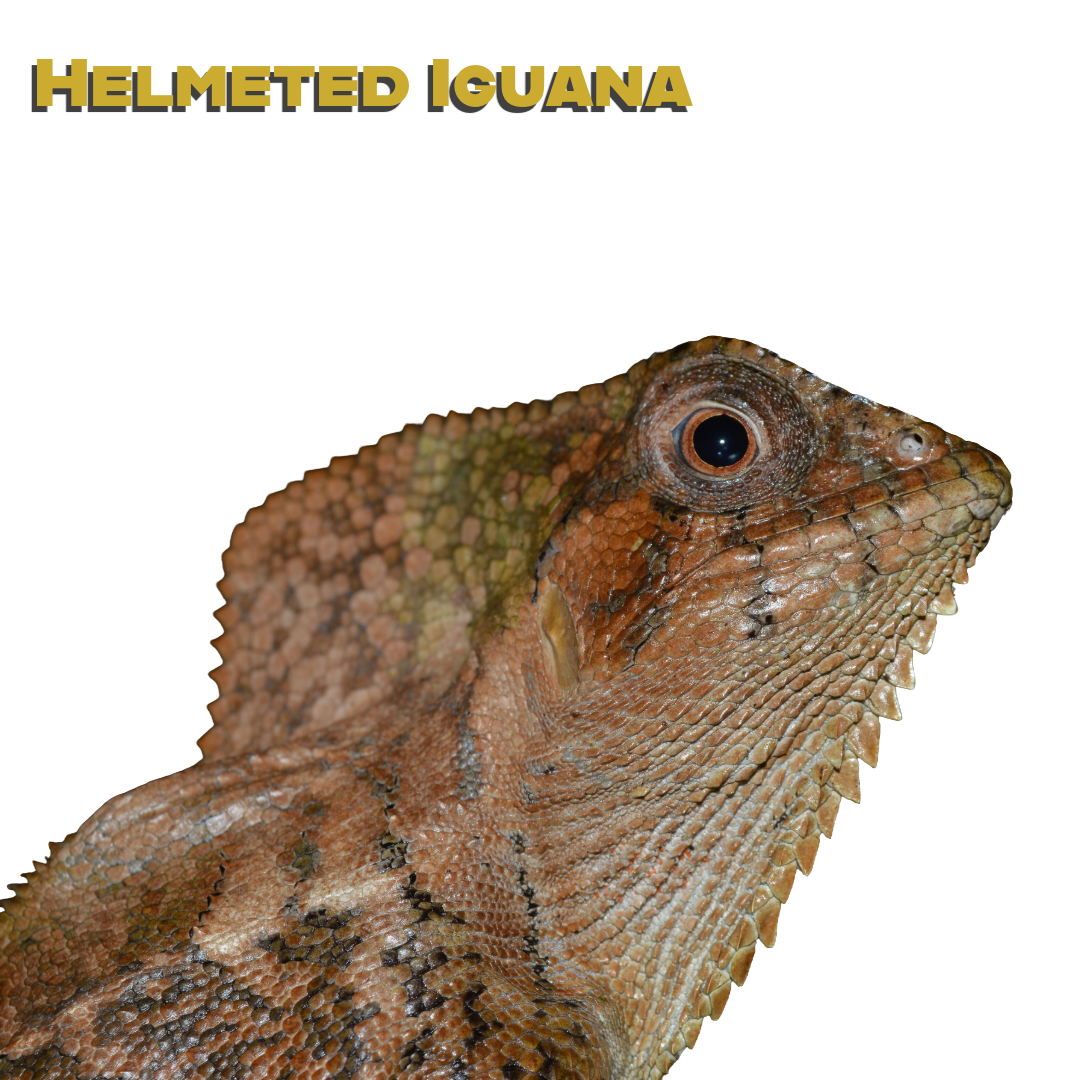
Helmeted iguana Care
The Helmeted Iguana, also known as the casque-headed lizard, is a unique arboreal reptile native to the tropical rainforests of Central America, including regions of Costa Rica and Panama. This species is named for the prominent casque (helmet-like structure) on its head, which gives it a prehistoric appearance. Adults typically reach 8–12 inches in total length, with much of that…
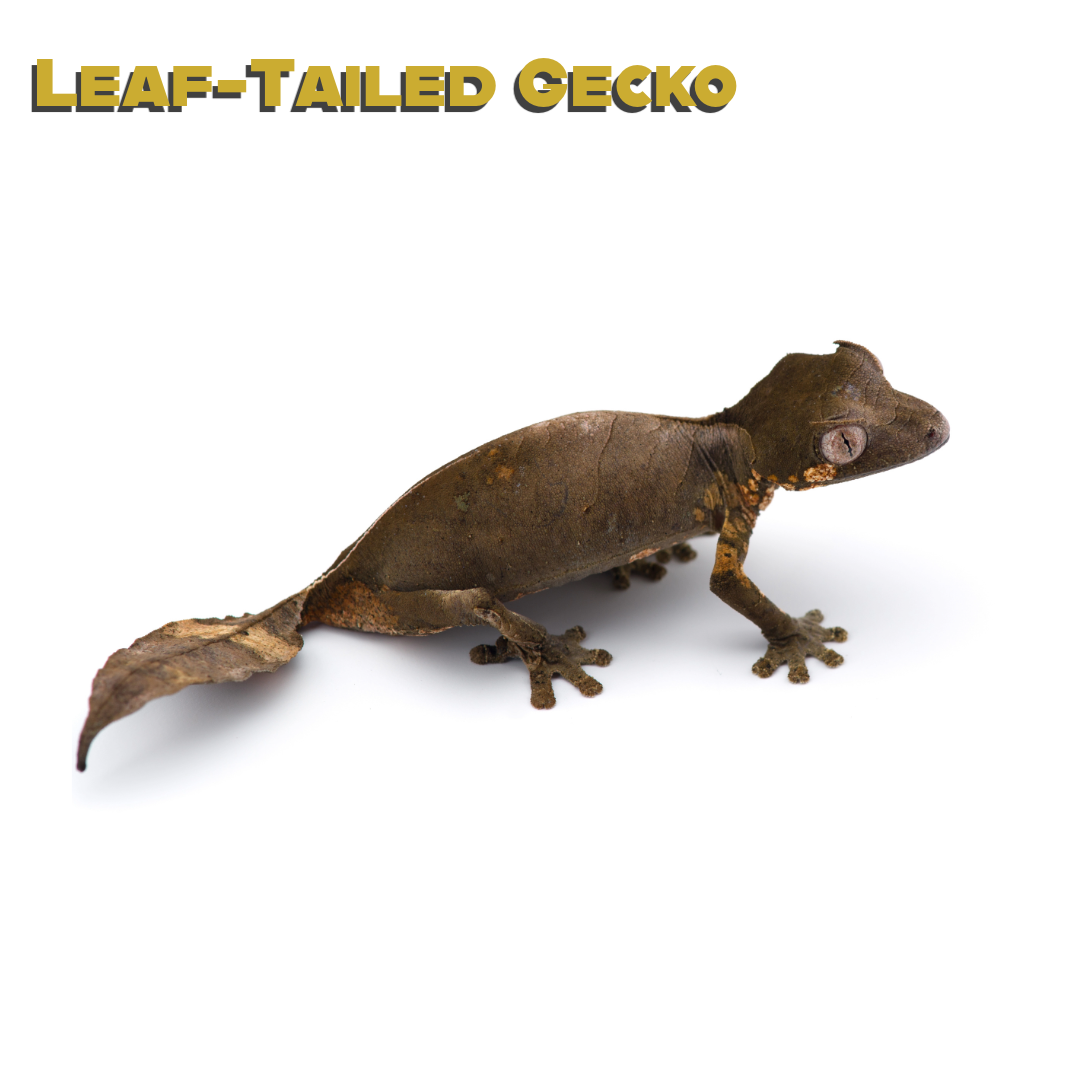
Leaf-Tailed Gecko Care
Leaf-Tailed Geckos are a group of highly specialized, arboreal geckos native to the rainforests of Madagascar. Known for their incredible camouflage, these geckos mimic dead leaves, bark, and lichen, making them nearly invisible in their natural habitat. Depending on the species, adults can range from 4 inches to over 12 inches in total length. They are strictly nocturnal…
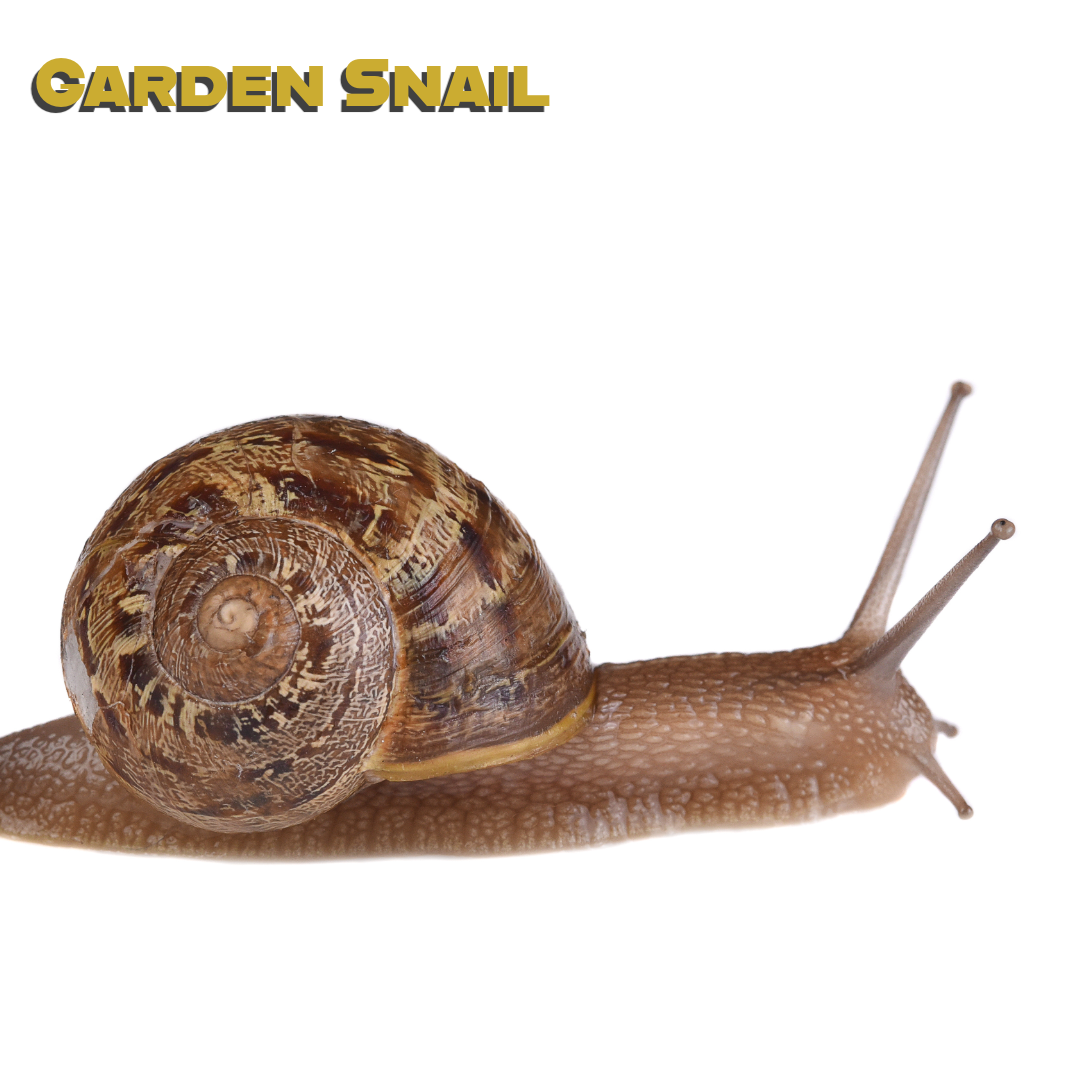
Caring for your Garden Snail
The Garden Snail, also known as the Brown Garden Snail or European Garden Snail, is a small terrestrial gastropod native to the Mediterranean region but now widespread across Europe, North America, and many temperate climates. These snails grow to about 1–1.5 inches in shell…
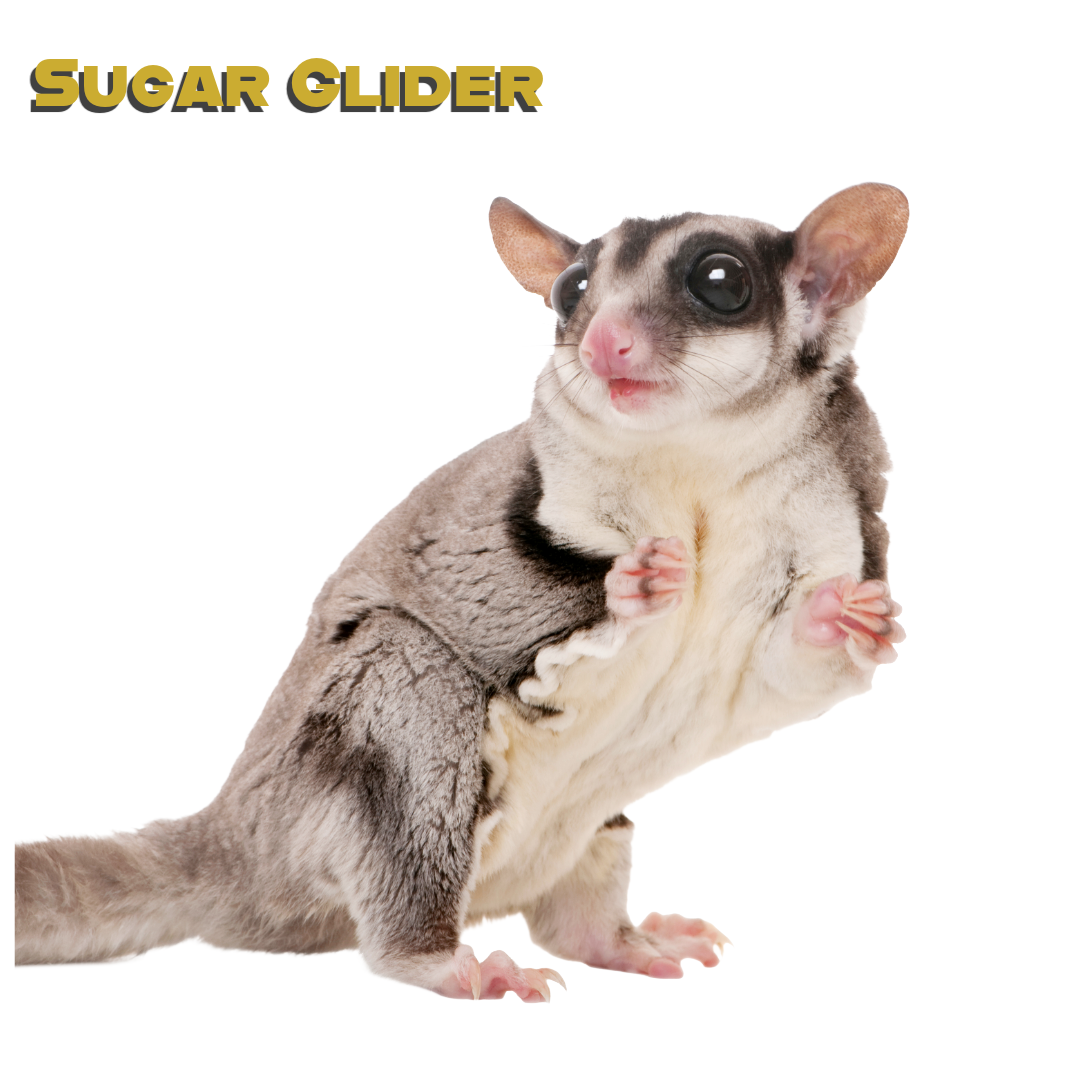
Caring for your Sugar Glider
Sugar Gliders are small, nocturnal marsupials native to Australia, Tasmania, Indonesia, and Papua New Guinea. They are named for their love of sweet nectars and their ability to glide between trees using a membrane (patagium) stretching from wrist to ankle. Adults typically weigh 3–5 ounces and measure 5–7 inches in body length, with an additional long, semi-prehensile tail. Highly social and extremely active, they…
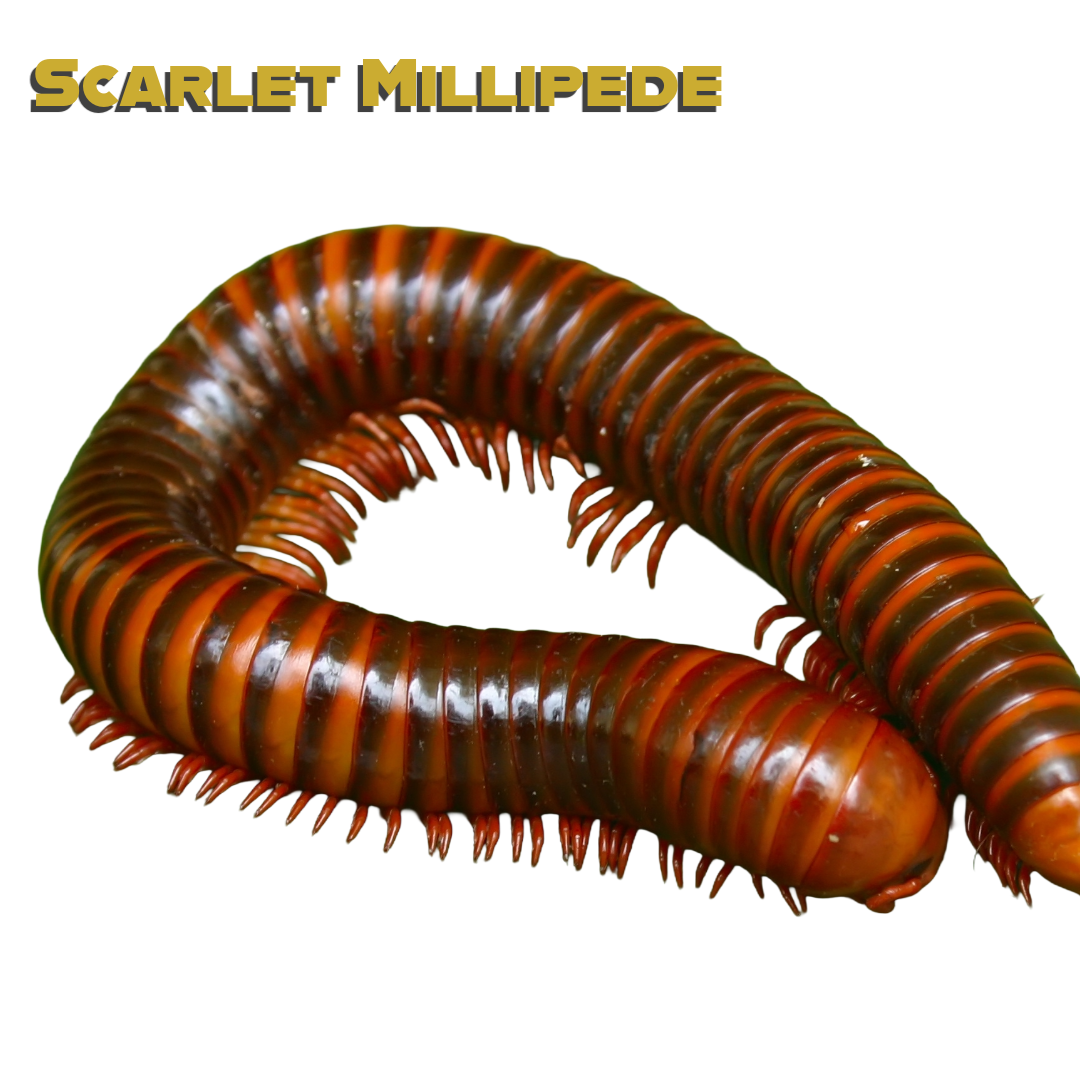
Caring for your Scarlet Millipede
Scarlet Millipedes are beautifully colored, smooth-bodied millipedes known for their bright red or orange segments contrasted with darker legs and antennae. Native to Southeast Asia, they inhabit warm forest floors rich in leaf litter and decaying wood. They are nocturnal scavengers, spending most of the day…
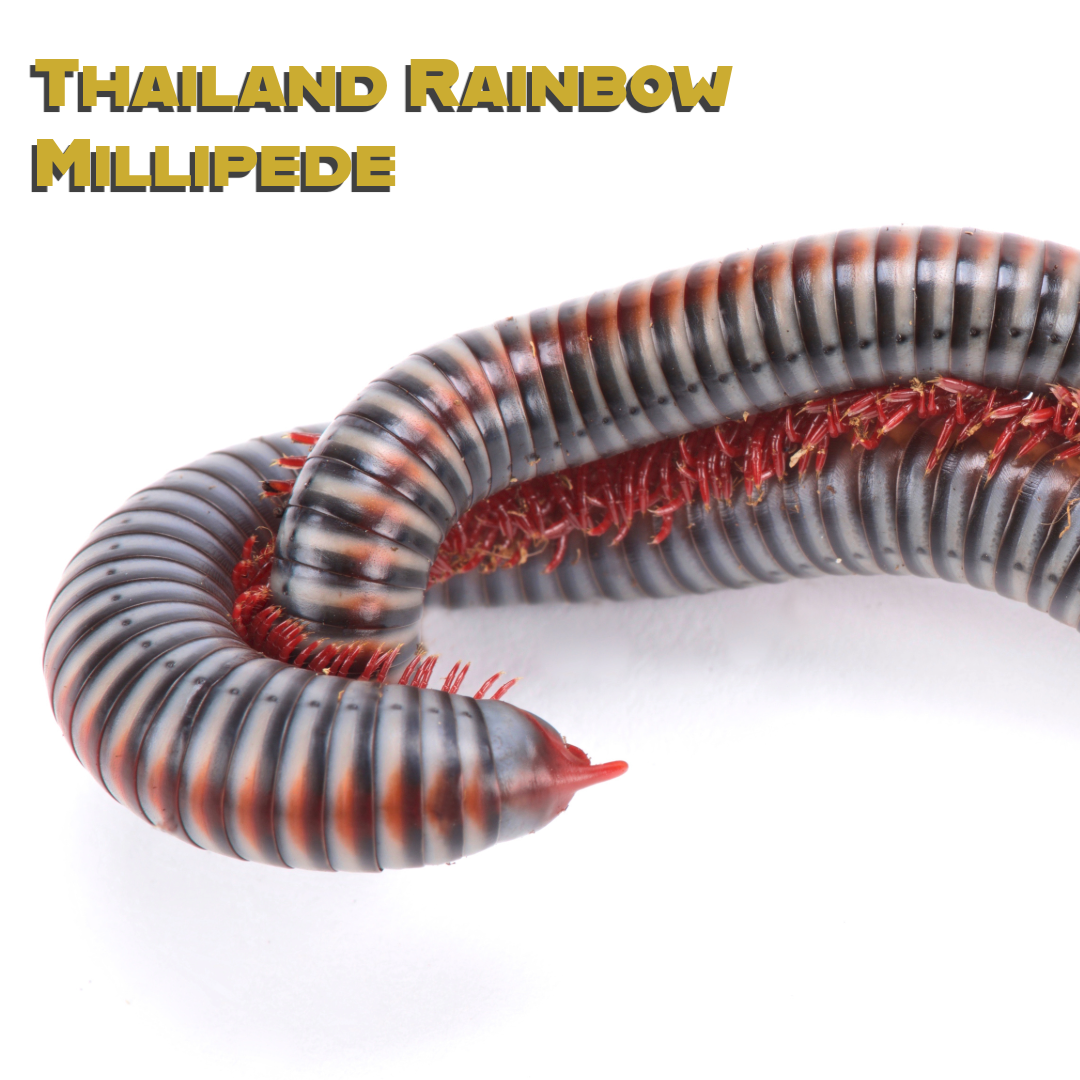
Caring for your Thailand Rainbow Millipede
Thailand Rainbow Millipedes are vibrant, eye-catching invertebrates known for their striking bands of red, orange, yellow, and deep black, giving them a rainbow-like appearance. Native to the tropical forests of Southeast Asia, these nocturnal millipedes spend most of their time…
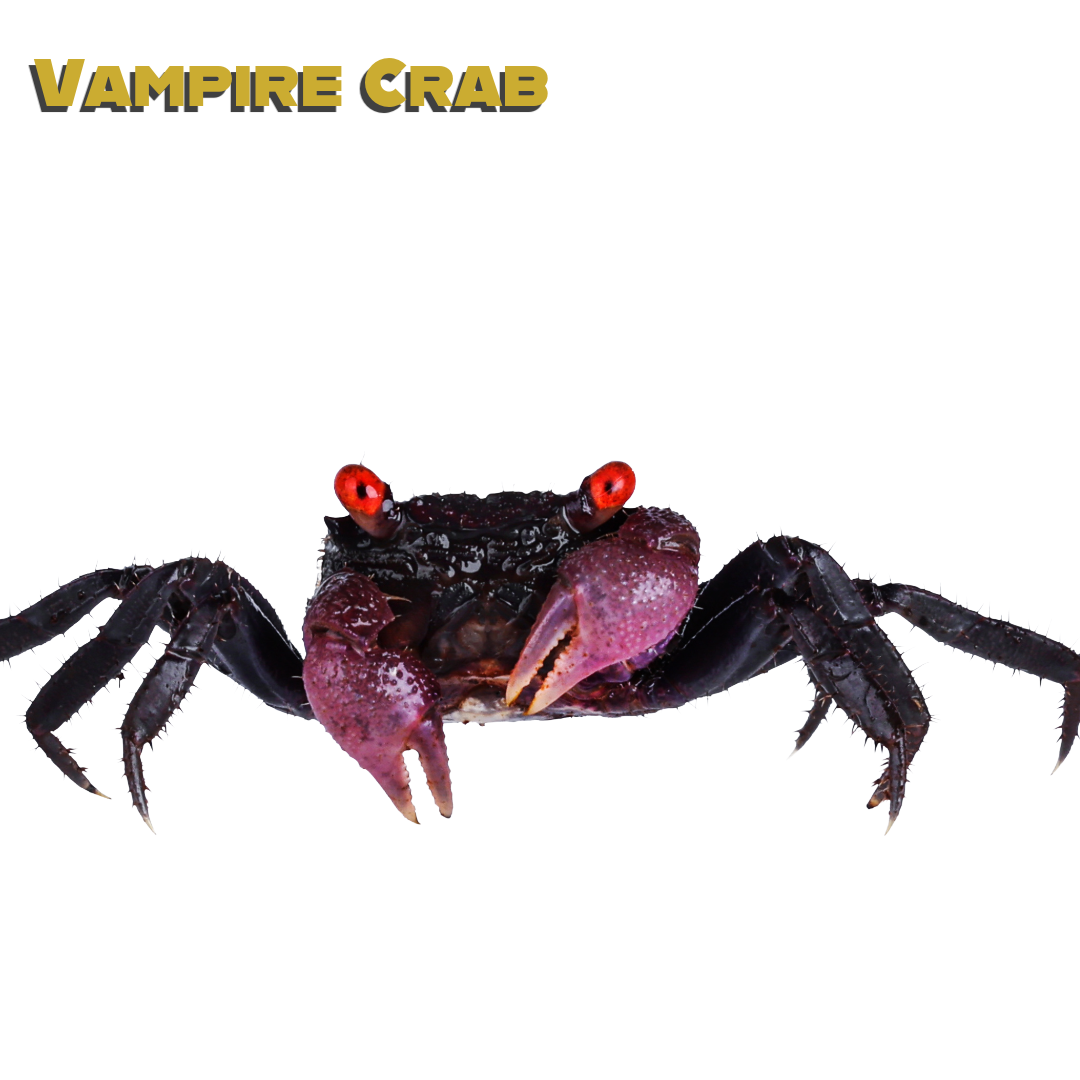
Caring for your Vampire Crab
Purple Vampire Crabs are small, brilliantly colored semi-terrestrial crabs native to the tropical forests and riverbanks of Indonesia and Southeast Asia. Despite their vivid purple bodies and bright yellow eyes, they remain tiny. They are primarily terrestrial, spending most of their time on land but…
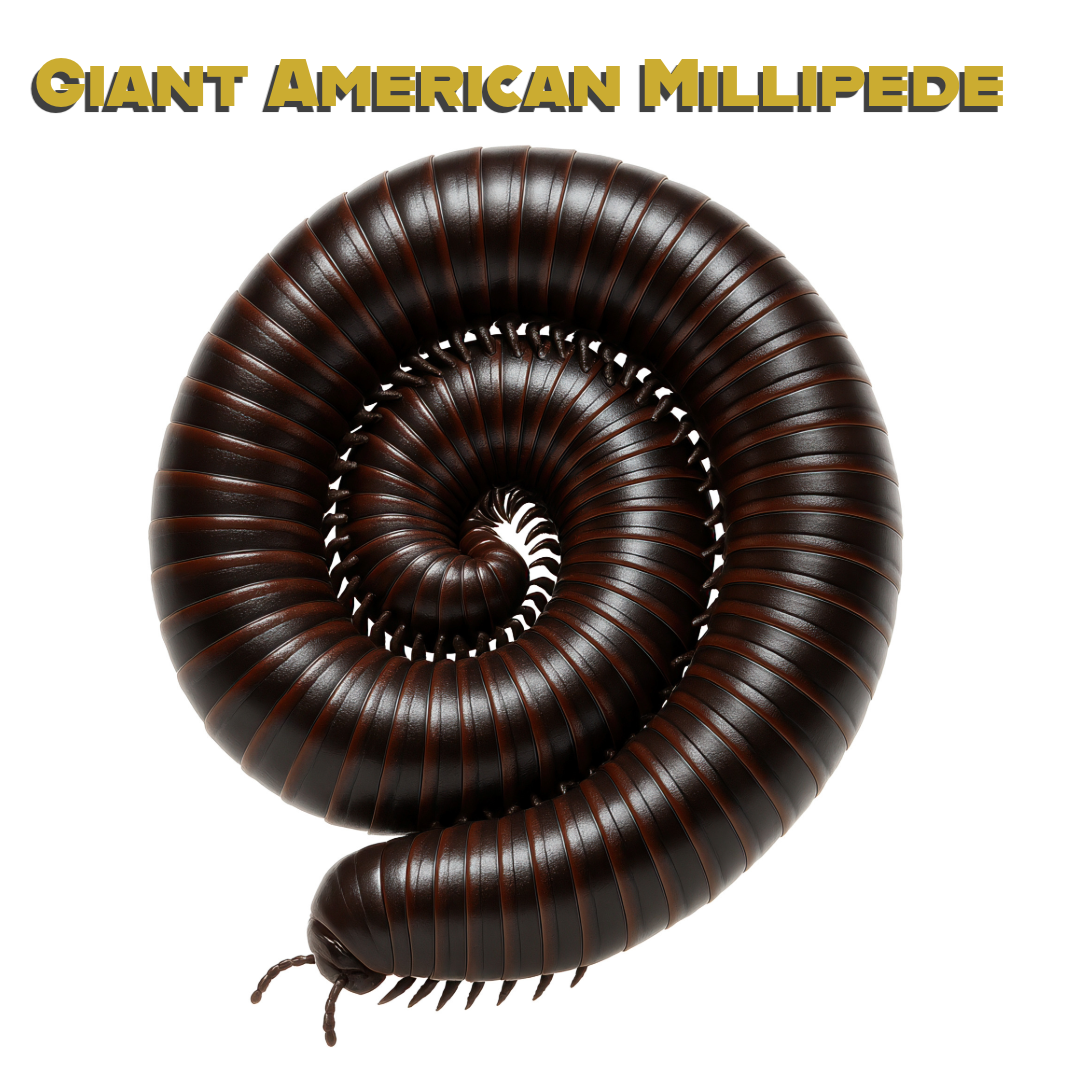
Caring for your Giant American Millipede
The American Giant Millipede is a hardy, slow-moving detritivore native to forests across the eastern United States, where it lives among leaf litter, rotting logs, and moist soil layers. Known for its smooth, cylindrical body and dark brown to black coloration, this species typically reaches 4–5 inches, though some individuals grow slightly larger. They are peaceful, non-aggressive invertebrates that prefer dim environments and are most active at night, making them excellent…
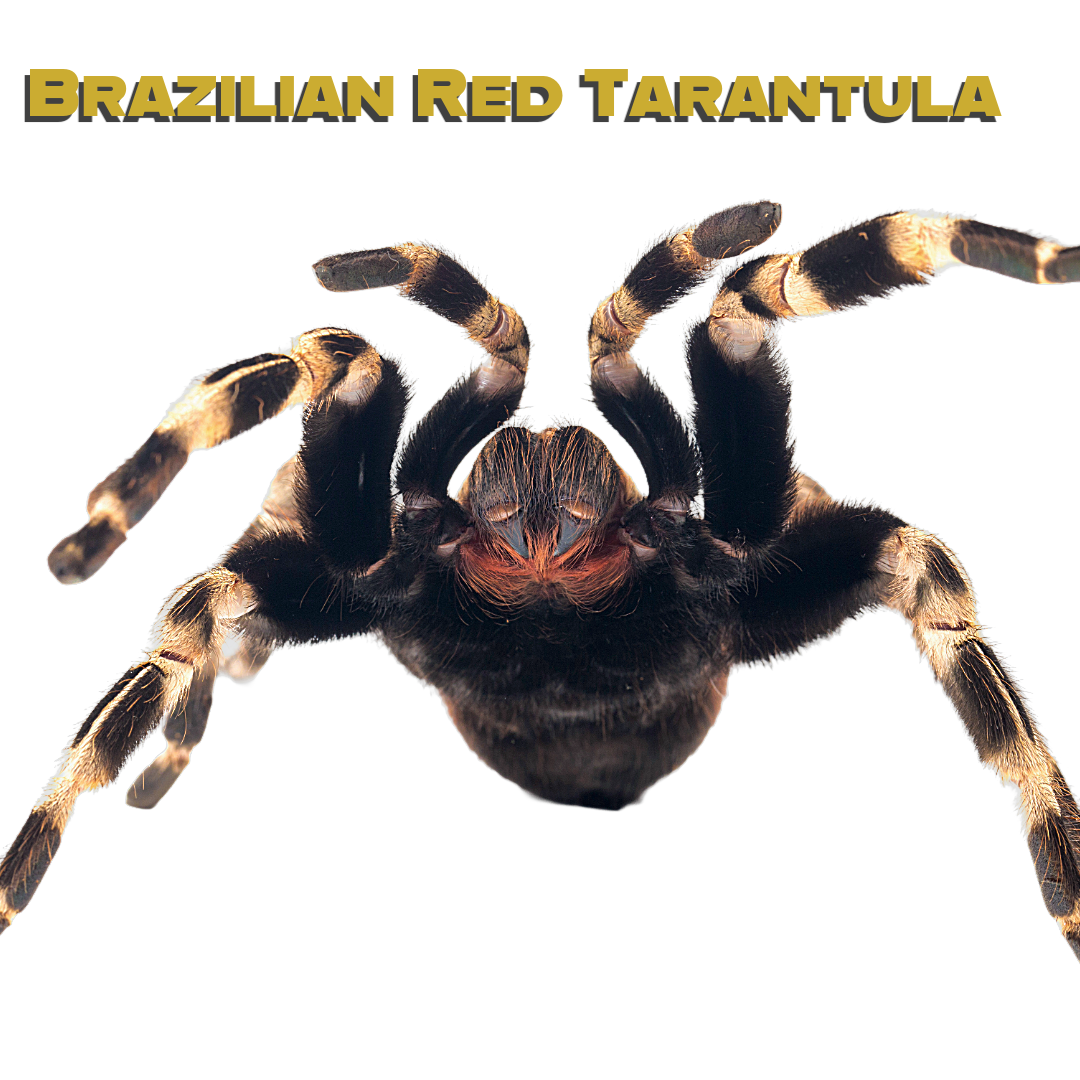
Caring for your Brazilian Red Tarantula
The Brazilian Red Tarantula is a medium-to-large New World species native to the grasslands and savannas of Brazil. It is admired for its striking reddish hues, dense leg setae, and robust body shape. Known for being bold and somewhat defensive compared to more docile species, it moves quickly but is generally hardy and adaptable in captivity. Adults commonly reach…
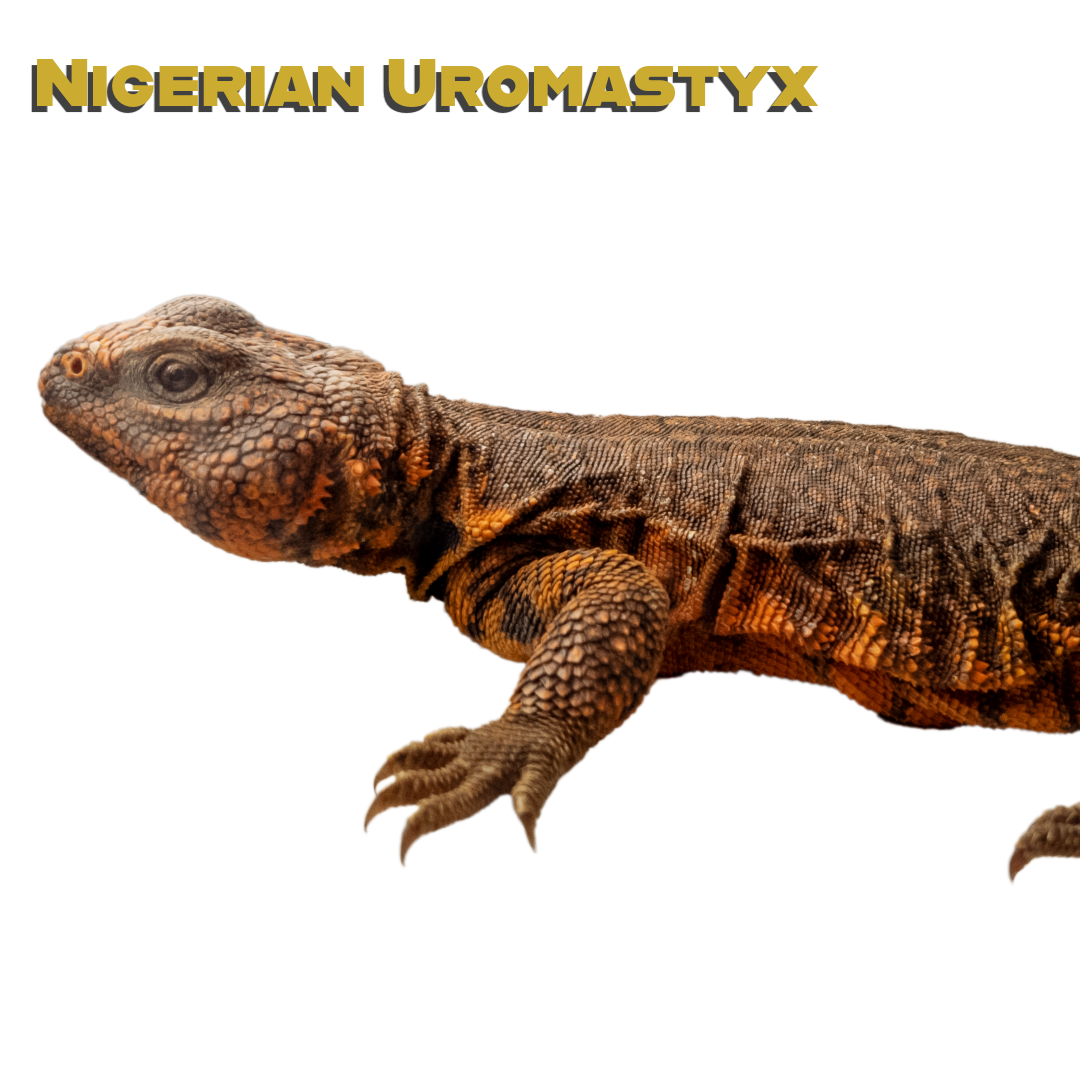
Caring for your Nigerian Uromastyx
The Nigerian Uromastyx, also known as the Saharan or Geyr’s Spiny-Tailed Lizard, is a hardy, desert-dwelling species found in arid regions of Niger, Mali, and Algeria. These diurnal reptiles are known for their striking orange, yellow, or red coloration and docile temperaments once acclimated. Adults reach 12–16 inches in length and thrive in hot…
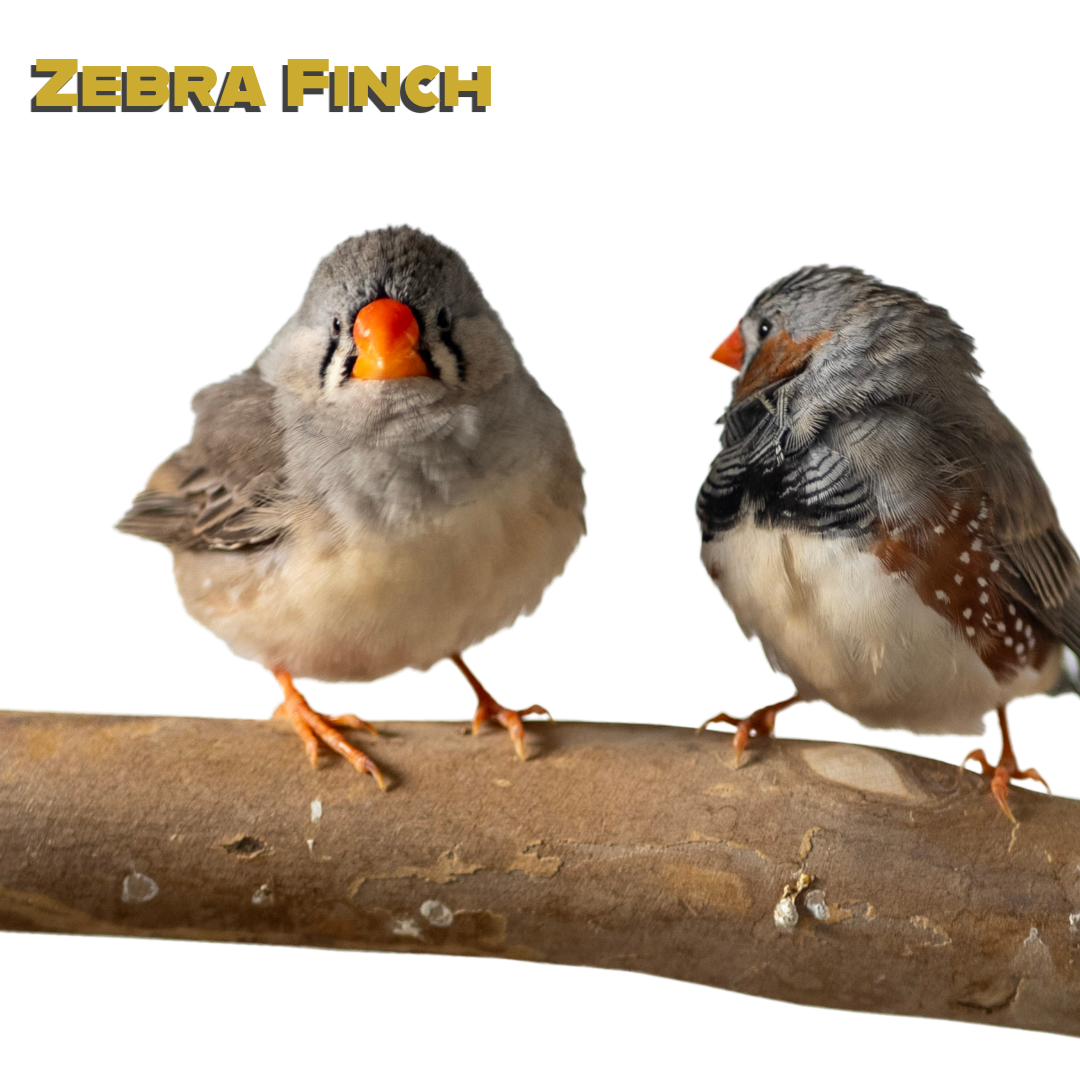
Caring for your Zebra Finch
Zebra Finches are small, lively birds native to the grasslands and open forests of Australia and Indonesia. Recognized by their bright orange beaks, black-and-white barred tails, and males’ distinct cheek patches, these finches are social, vocal, and easy to care for. Adult Zebra Finches typically measure 4–5 inches long and are best known for their…
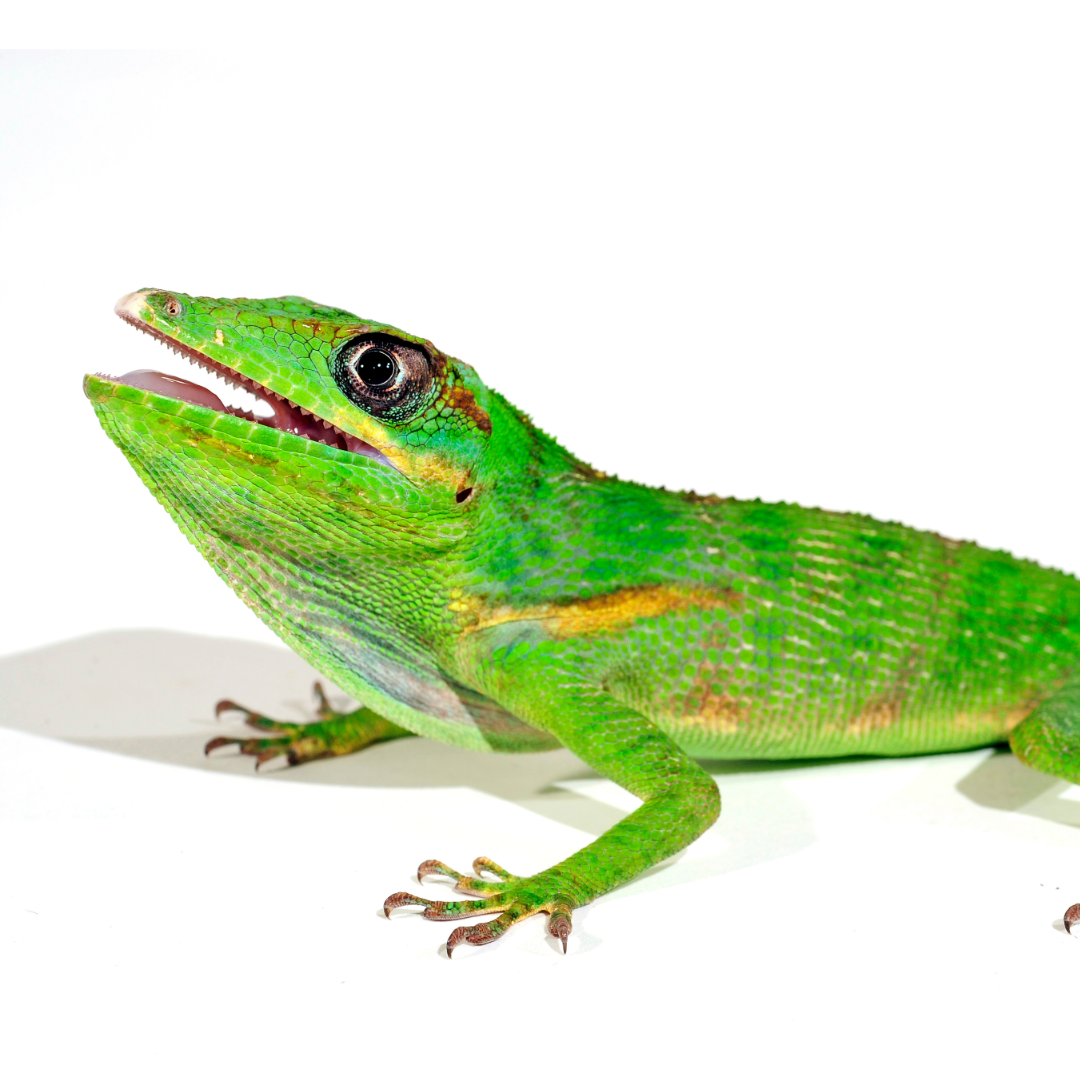
Caring for your Cuban Knight Anole
The Knight Anole, native to Cuba, is the largest anole species, reaching up to 18-20 inches in length. Recognizable by its vibrant green color with occasional white or…
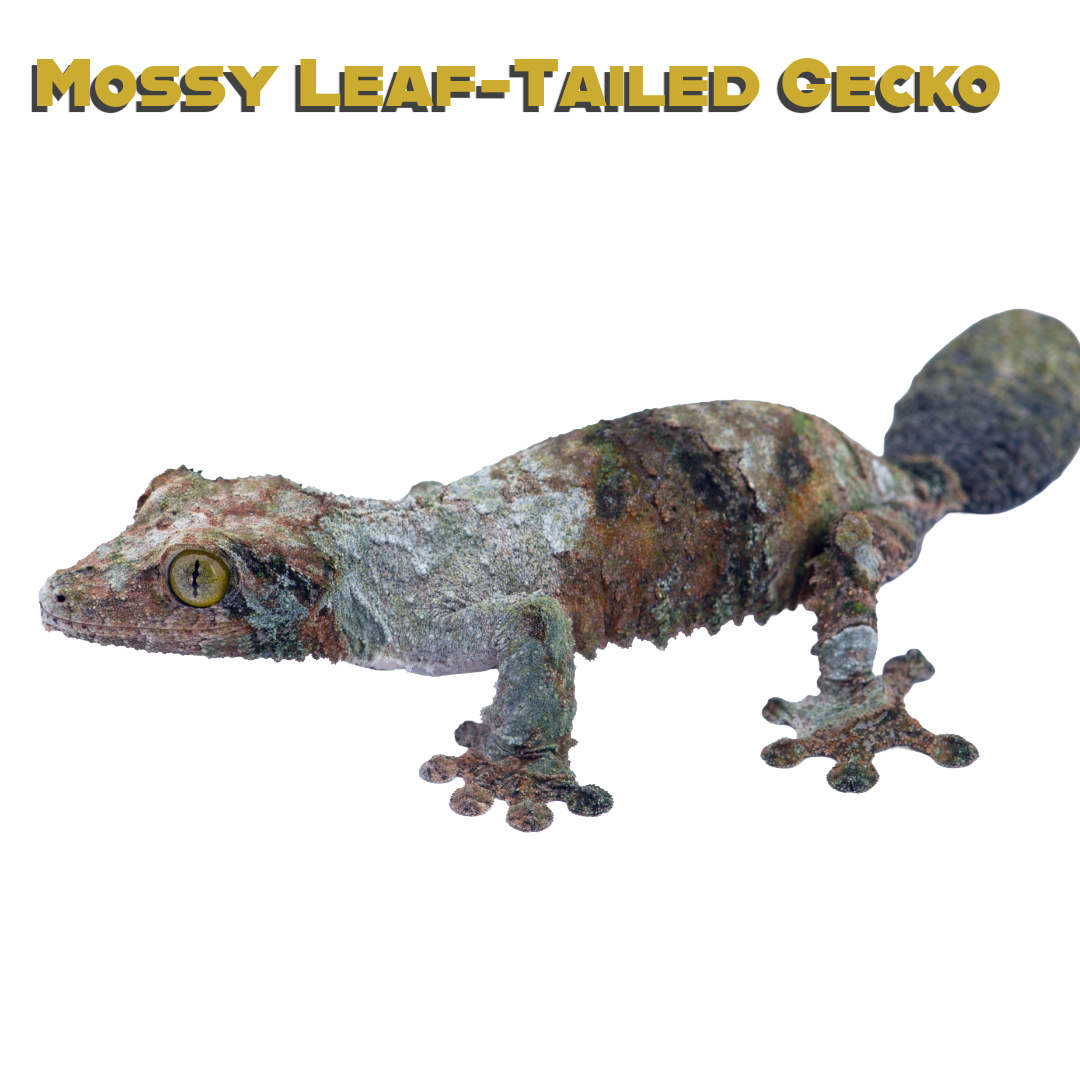
Mossy Leaf-Tailed Gecko Care
Mossy Leaf-Tailed Geckos are native to the rainforests of Madagascar. These highly arboreal geckos are nocturnal, blending seamlessly with tree bark and moss due to their remarkable camouflage. Their flattened bodies and leaf-like tails mimic their natural surroundings, providing excellent concealment from predators. Adults grow to approximately 6-8…
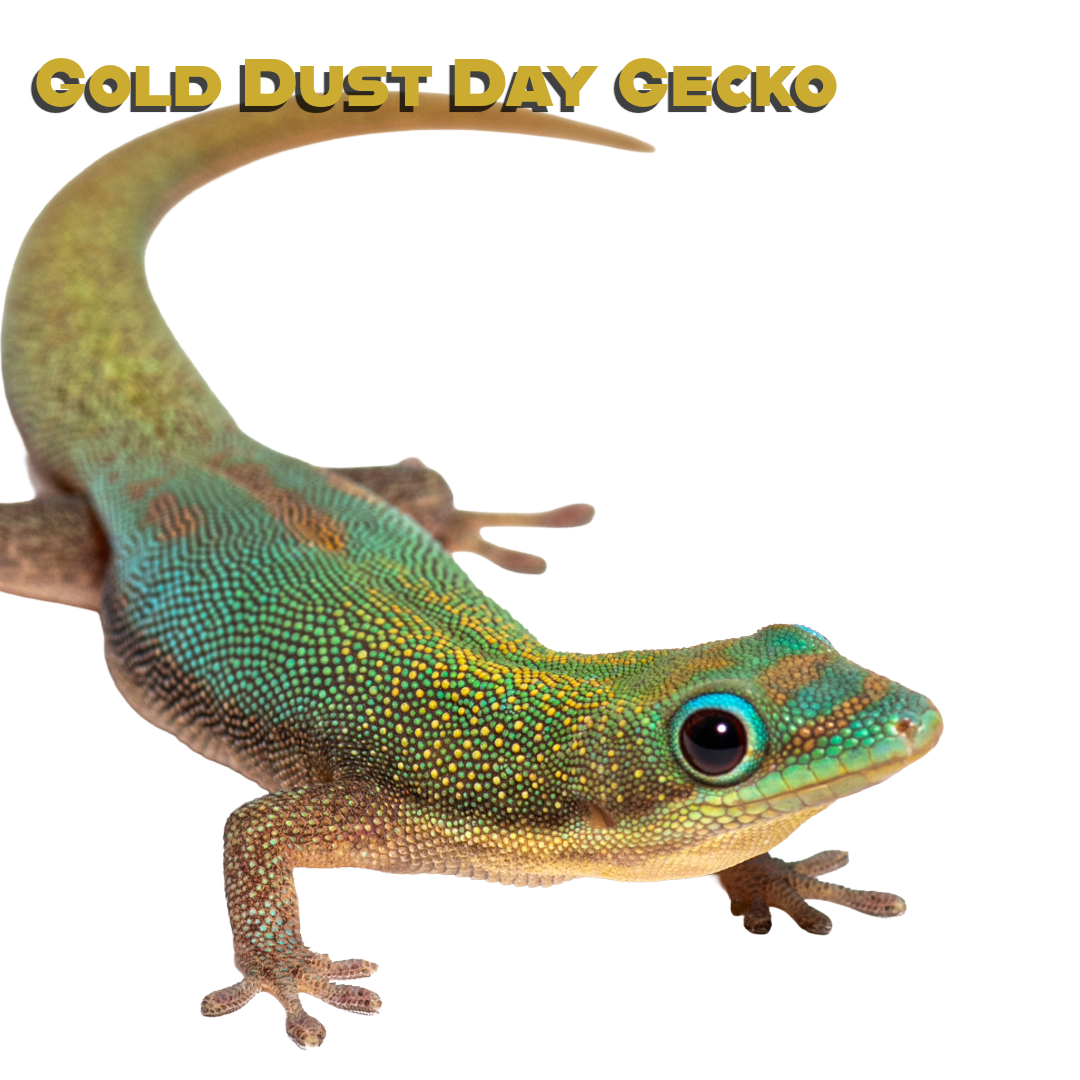
Caring for your Gold Dust Day Gecko
Gold Dust Day Geckos are native to Madagascar and nearby islands, where they inhabit tropical rainforests. They are diurnal and arboreal, spending most of their time climbing and basking during the day. These geckos are easily recognizable by their vibrant green coloration with yellow speckles or “gold dust” on their body and red markings on their head. Adults reach around 4-6…