

Use the search feature to find your pet’s care sheet!
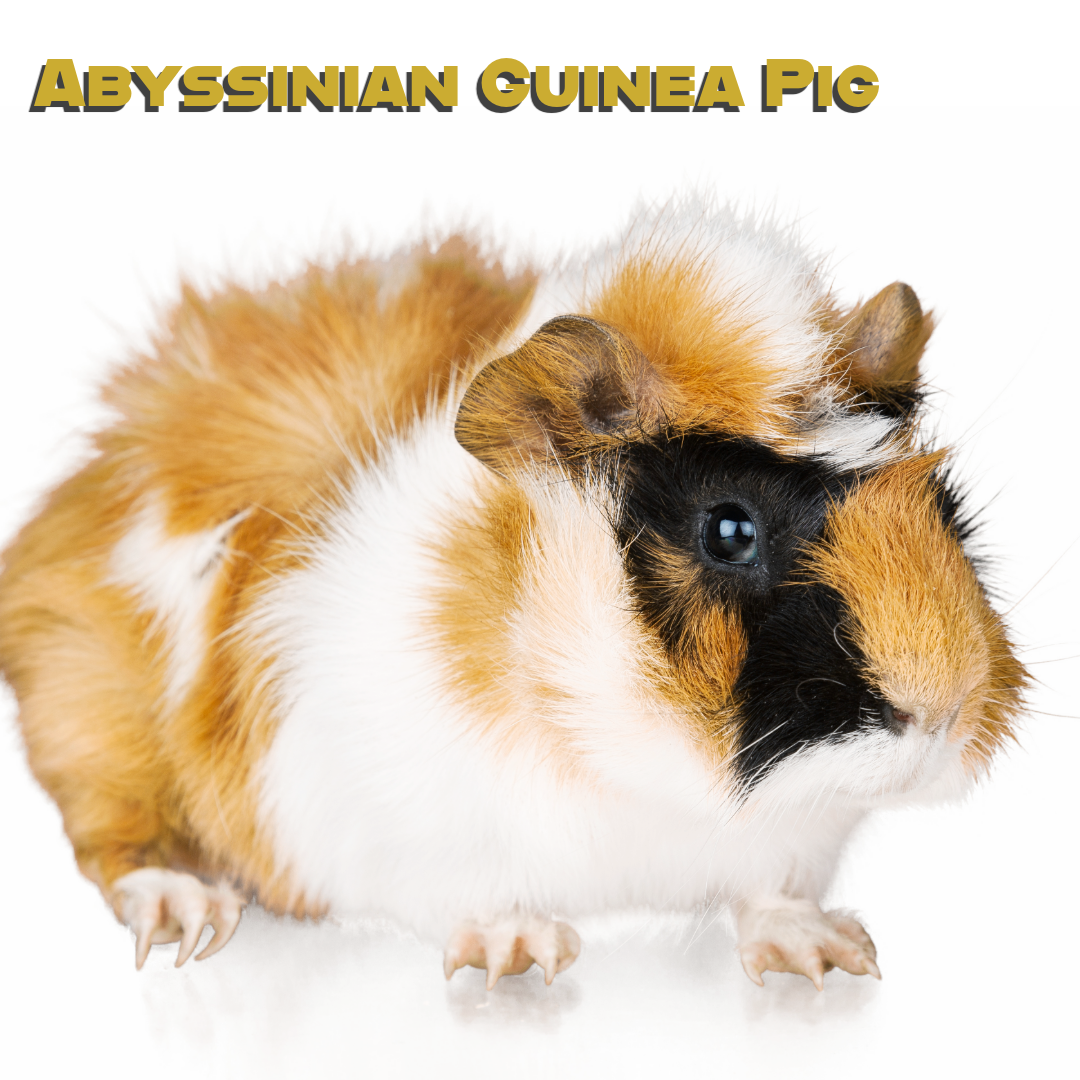
Caring for your Guinea Pig
Guinea pigs, also known as cavies, are gentle, social rodents native to the Andes mountains of South America. They are herd animals by nature and thrive in the company of their own kind. Guinea pigs are known for their expressive squeaks…

Caring for your Pet Dwarf Rabbit
Dwarf rabbits are a group of small domestic rabbit breeds known for their compact size, upright ears, and expressive personalities. Popular varieties include the Netherland Dwarf, Dwarf Hotot, and Polish rabbit. Originating from Europe, these rabbit…
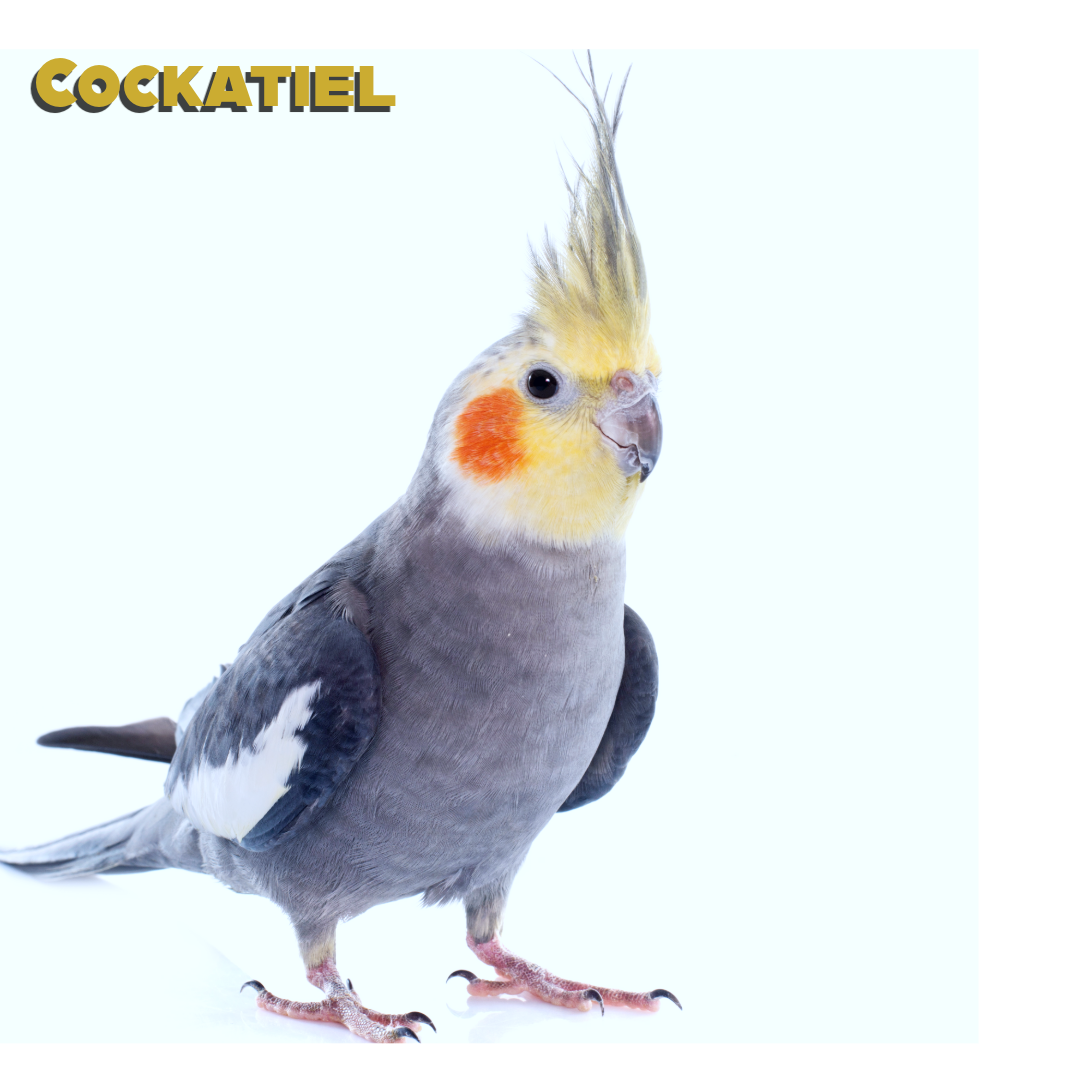
Caring for your Cockatiel
Cockatiels are native to the arid and semi-arid regions of Australia, where they live in open woodlands, grasslands, and near water sources. These small parrots are known for their sweet…
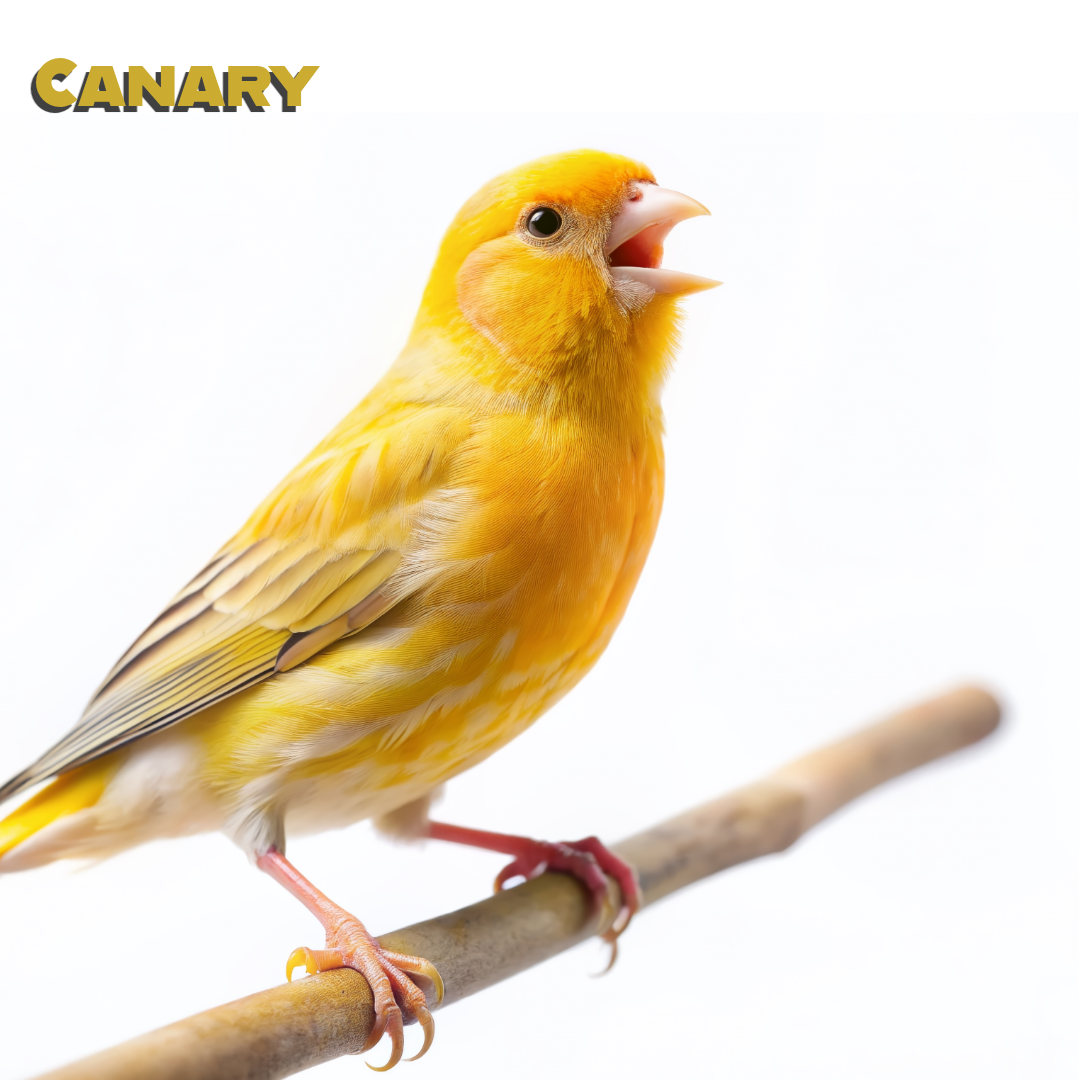
Caring for your Canary
Canaries are small, melodious songbirds originally bred from wild finches native to the Canary Islands, Madeira, and the Azores. Known for their bright yellow plumage (though many color varieties exist) and beautiful singing voices, male canaries are particularly prized for their musical calls. They are generally independent birds that prefer to be admired…

Caring for your Black Masked Lovebird
The Black Masked Lovebird is a small, vibrantly colored parrot native to northeast Tanzania in East Africa. Named for the bold black feathers covering its face and head…
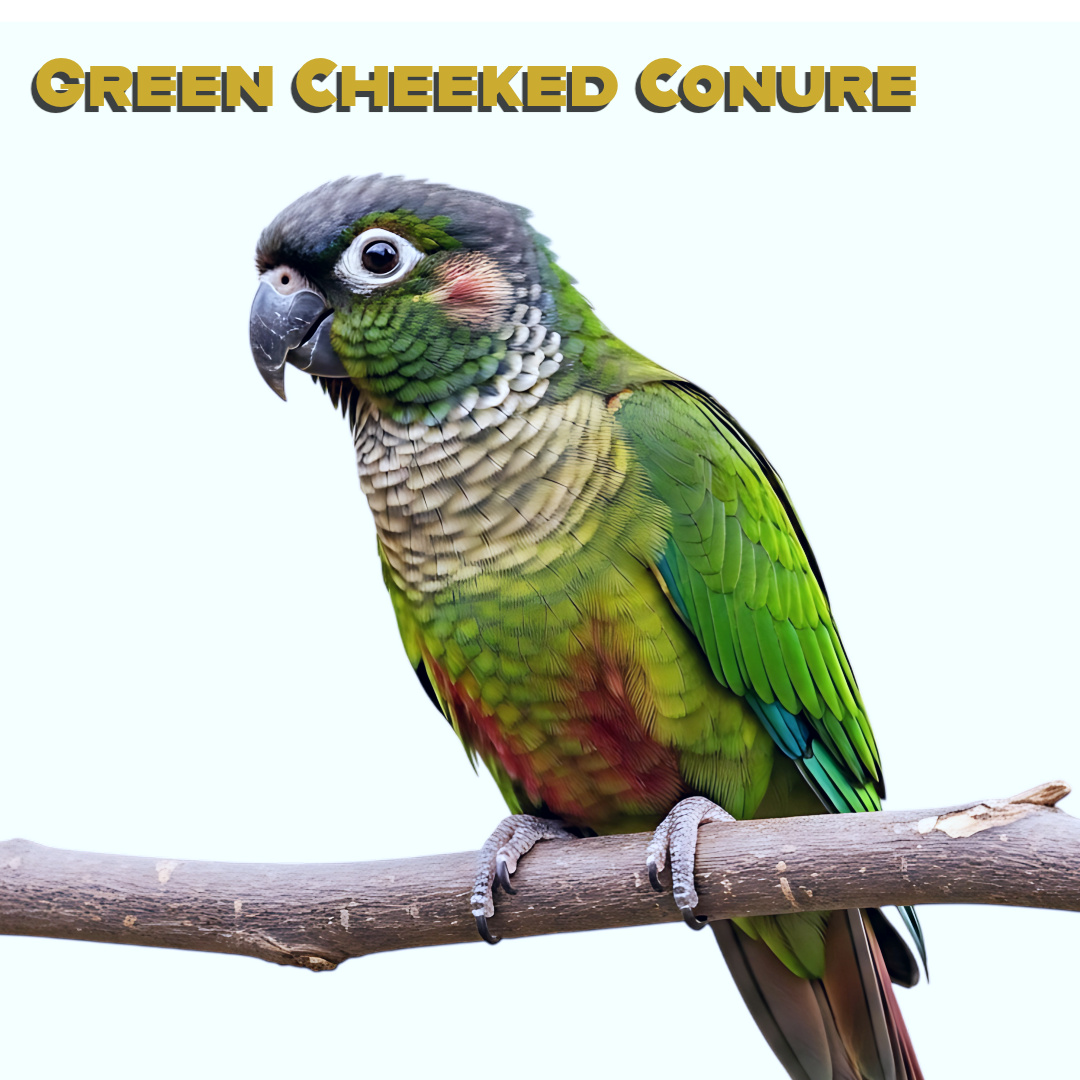
Caring for your Green-Cheeked Conure
Green-cheeked conures are small, intelligent parrots native to the forests of South America, particularly Brazil, Bolivia, Argentina, and Paraguay. Known for their playful antics, quiet vocalizations……
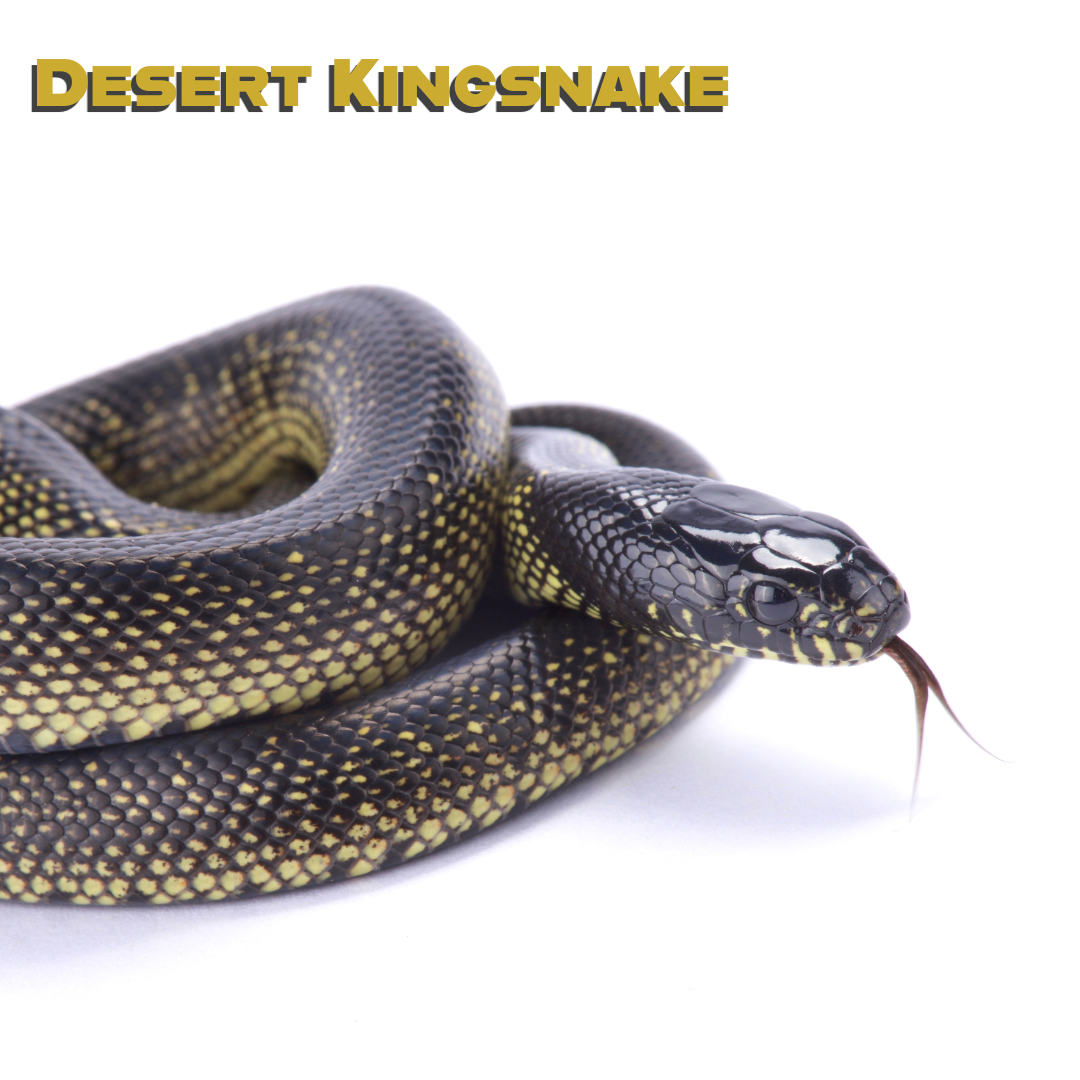
Caring for your Desert Kingsnake
Native to the arid regions of the southwestern United States and northern Mexico, the Desert Kingsnake is a hardy, adaptable colubrid known for its striking pattern of black and yellow…

Caring for your Cave-Dwelling Rat Snake
Native to the limestone caves of southern Thailand and Malaysia, this striking subspecies of the Beauty Rat Snake is known for its bold contrast of black, yellow, and cream patterning,…
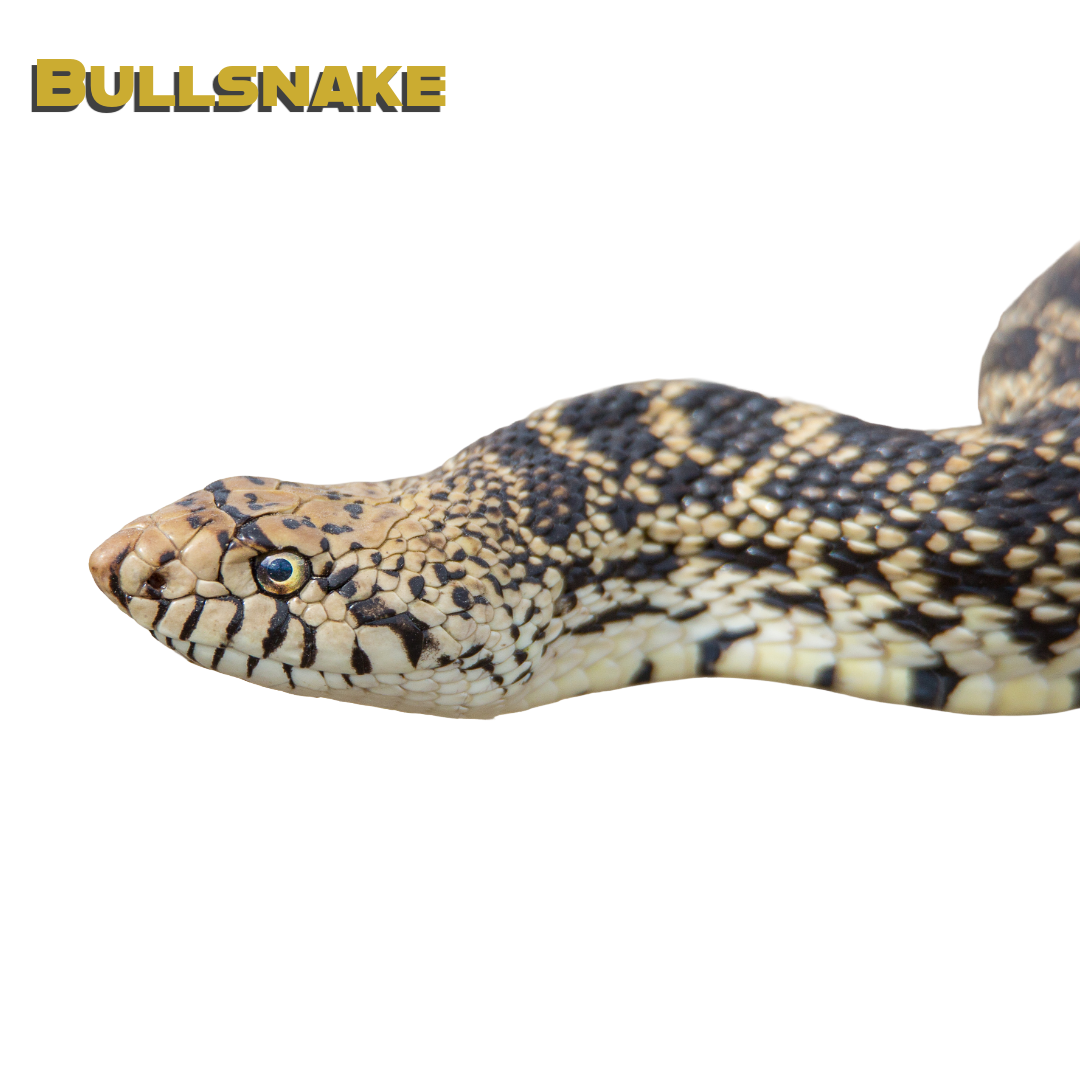
Caring for your Bullsnake
Bullsnakes are a large, impressive subspecies of gopher snake native to the central and western United States. Known for their powerful build, earthy coloration, and characteristic loud hissing, these……
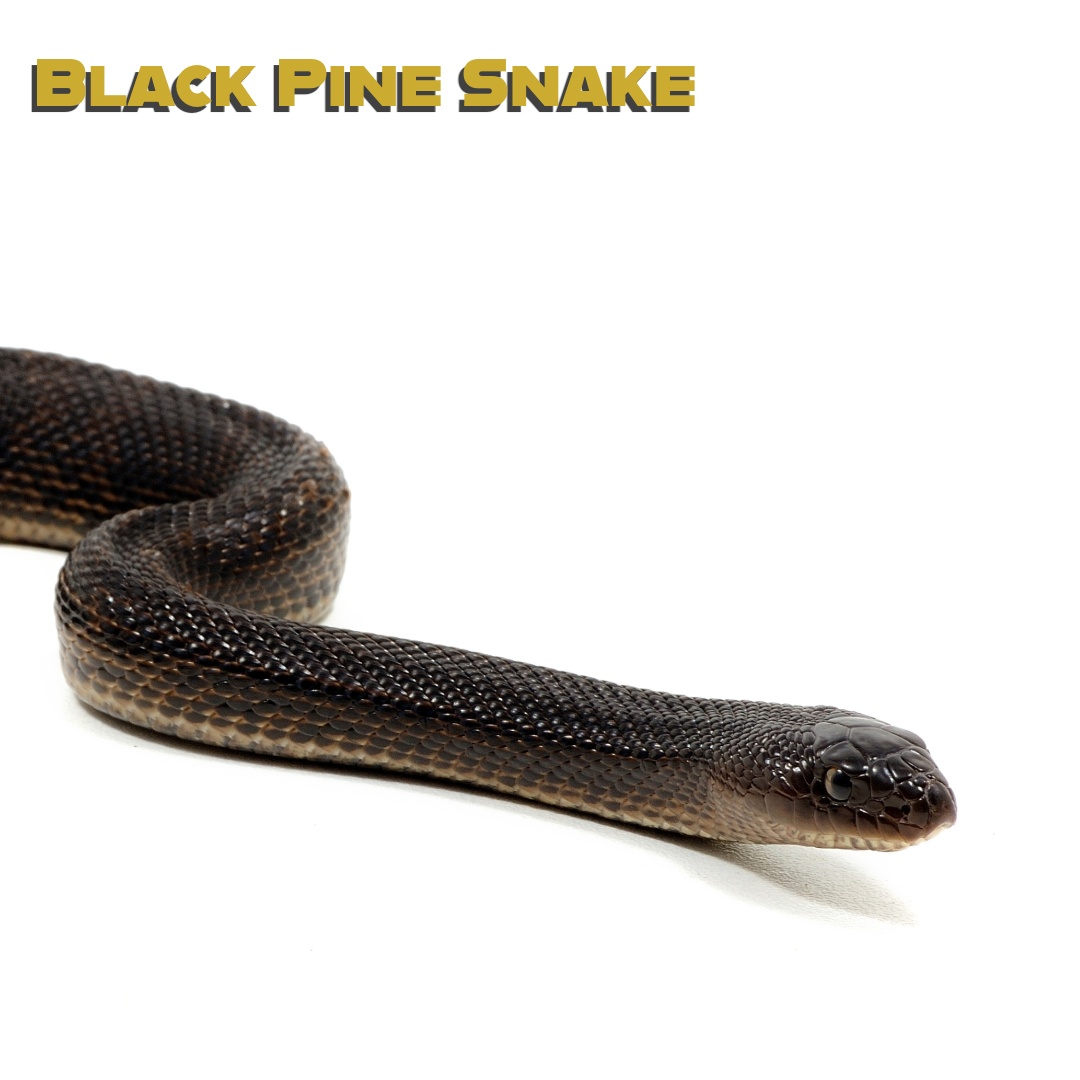
Caring for your Black Pine Snake
The Black Pine Snake is a rare, robust colubrid native to the longleaf pine forests of the southeastern United States. Known for its striking jet-black appearance and powerful, inquisitive…
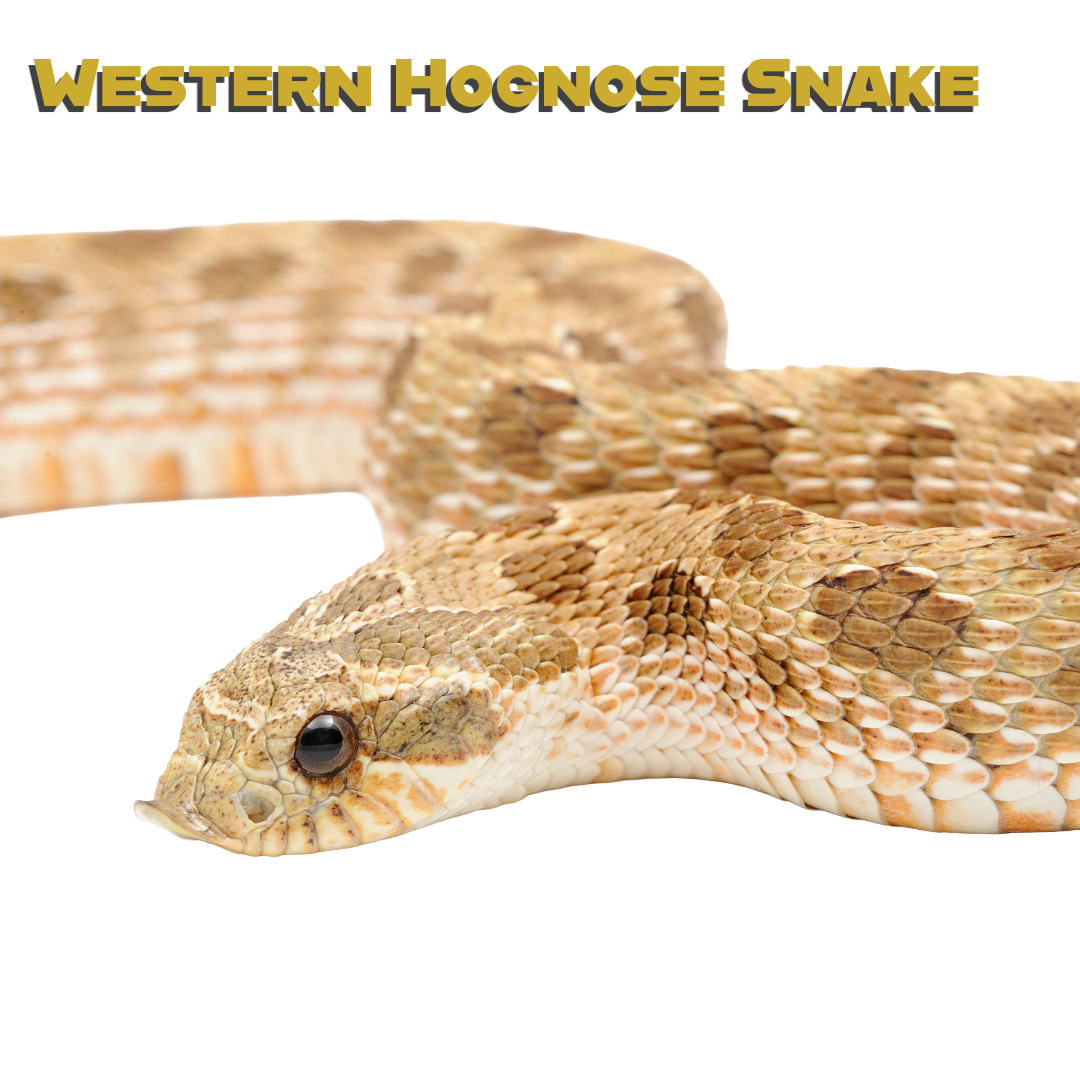
Caring for your Western Hognose
The Western Hognose Snake is a small, stout-bodied colubrid native to the central United States. They are easily recognized by their upturned snouts, which they use for burrowing. These snakes are known for their dramatic bluffing behavior, including hissing, flattening their…
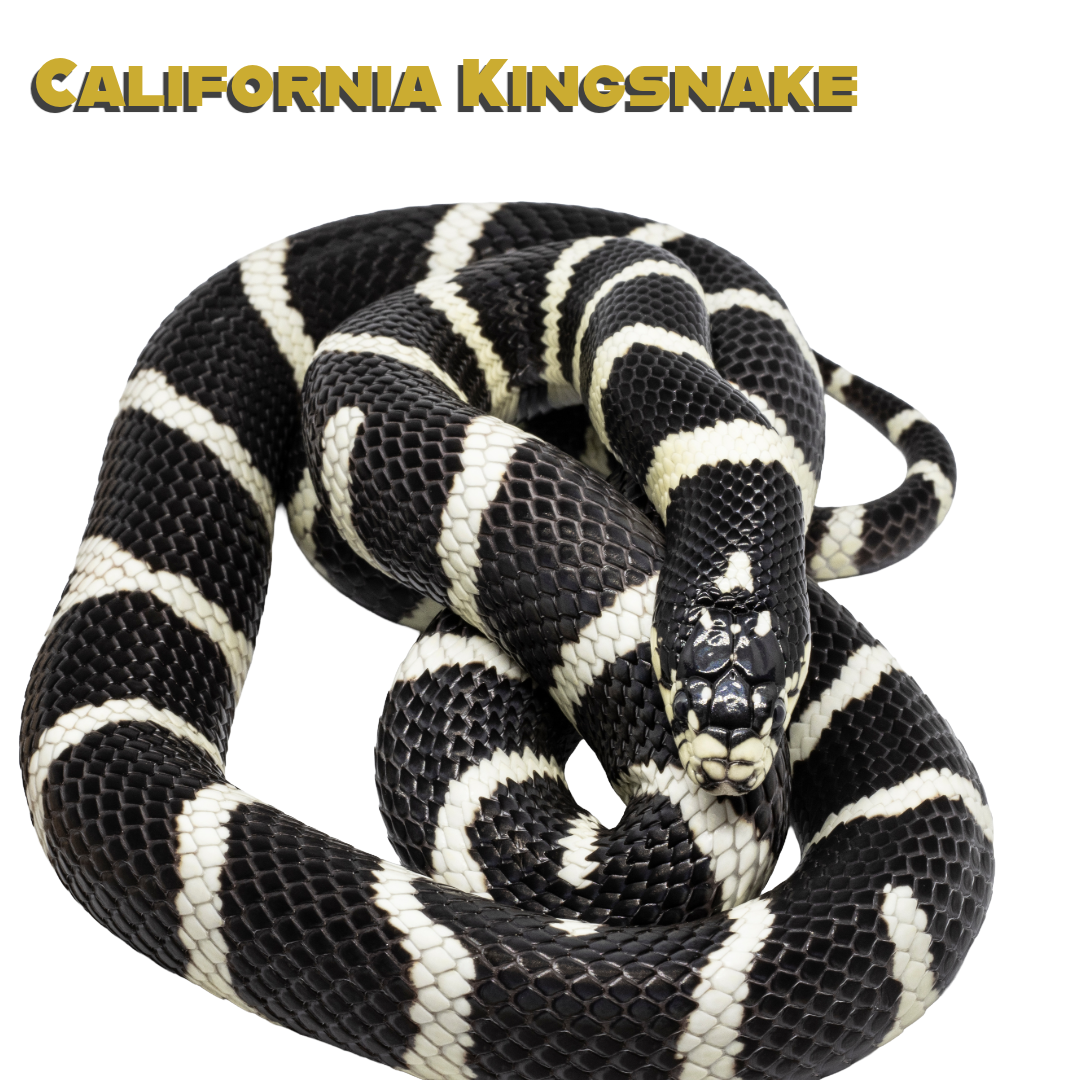
Caring for your California Kingsnake
California Kingsnakes are hardy, adaptable colubrids native to the western United States and northern Mexico. Named for their tendency to eat other snakes—including venomous species—they’re known for their striking banded or striped patterns, which can be black, brown…

Caring for your Slider Turtle
Red-eared sliders are one of the most recognizable and commonly kept aquatic turtles in the pet trade. Native to the southern United States and northern Mexico, they inhabit slow-moving freshwater bodies like ponds, lakes, and rivers. They get their name from the bright red stripe just behind each eye, which becomes less vivid with age…
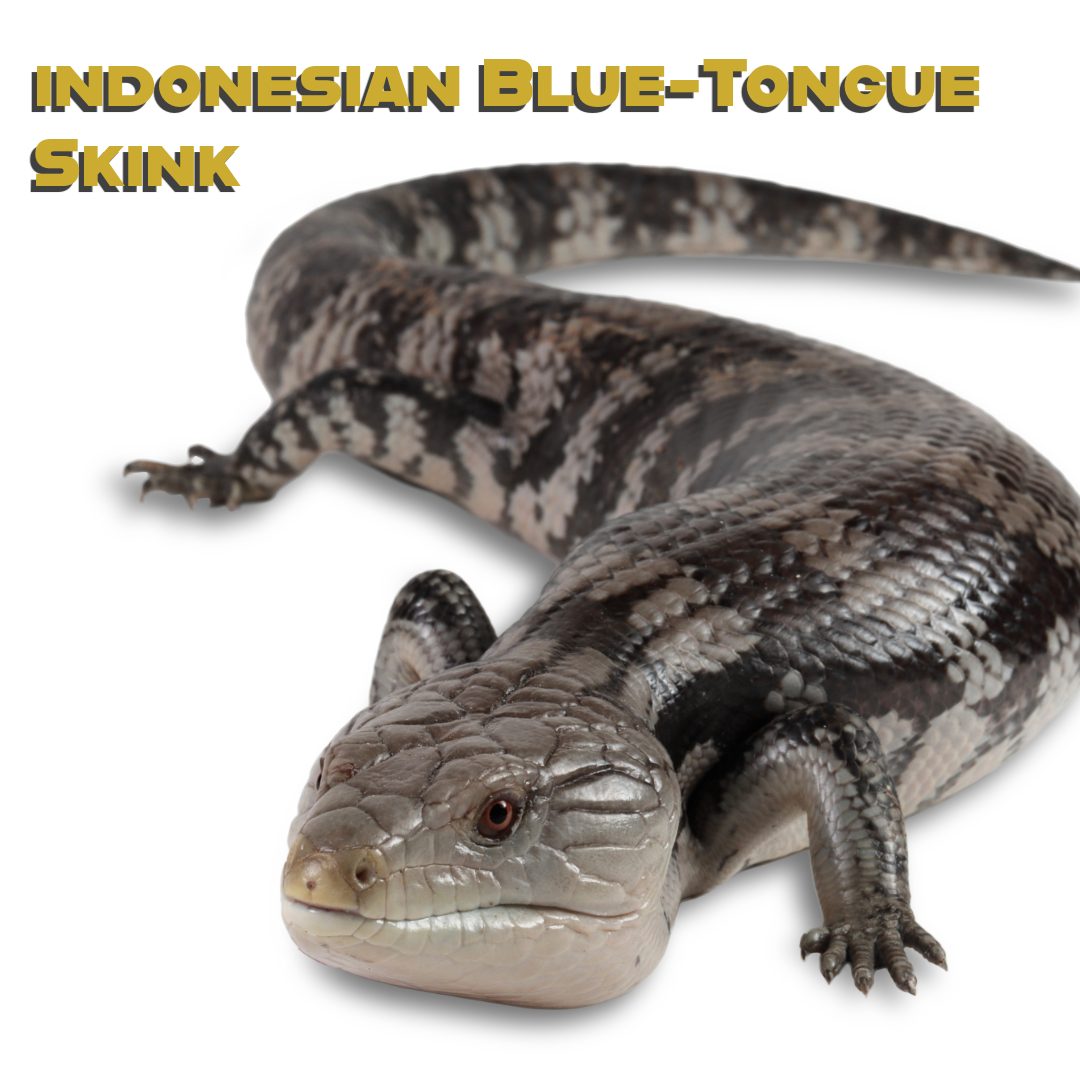
Caring for your Indonesian Blue-Tongued Skink
The Indonesian Blue-Tongued Skink is a large, slow-moving lizard native to Indonesia. Known for its characteristic blue tongue, it typically grows to about 18-24 inches long. With a relatively docile……
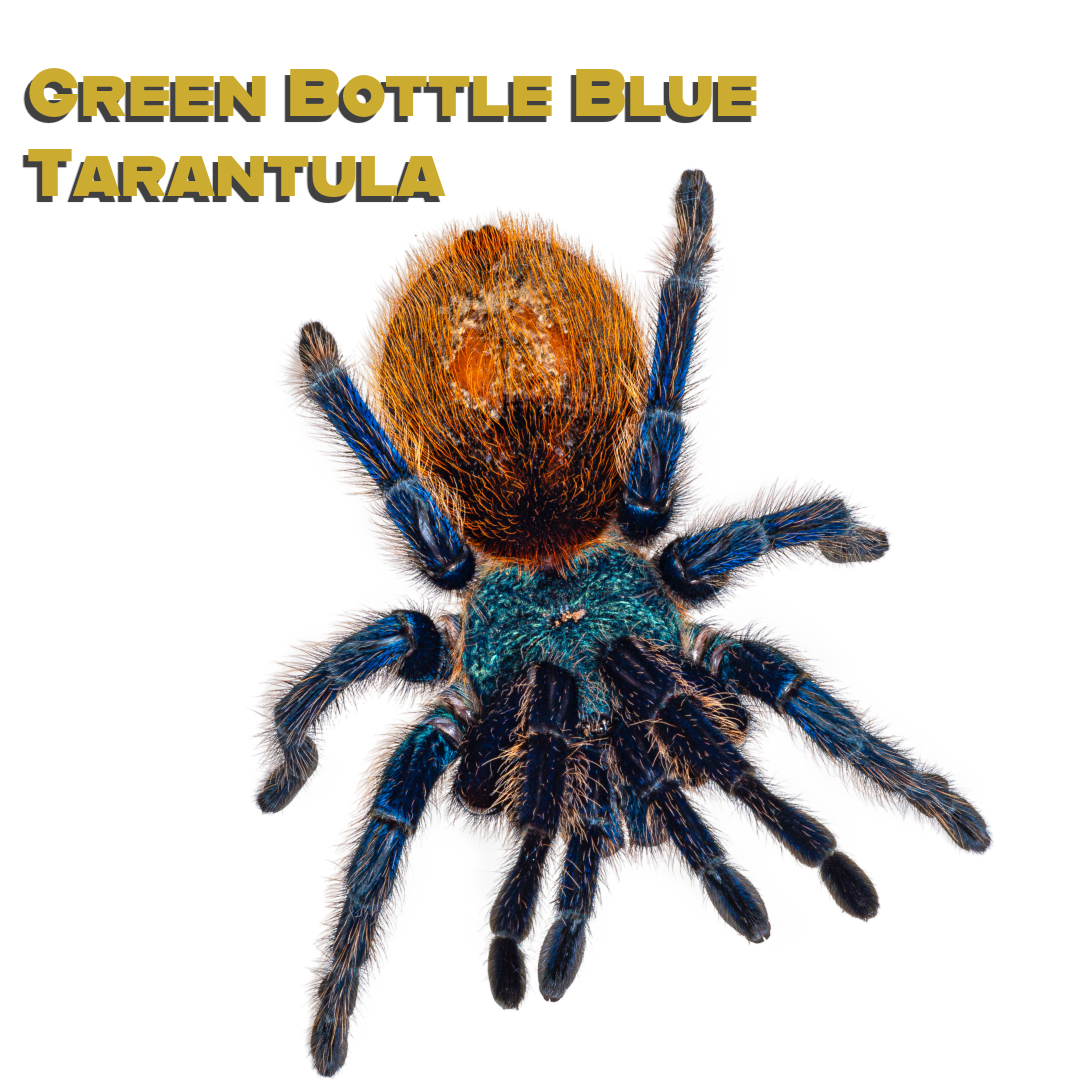
Caring for your Green Bottle Blue Tarantula
The Green Bottle Blue Tarantula is one of the most visually striking spiders in the pet trade. Native to the arid desert regions of northern Venezuela, this terrestrial species is famous for its electric blue legs, metallic green carapace, and vibrant orange abdomen. It builds intricate webs…
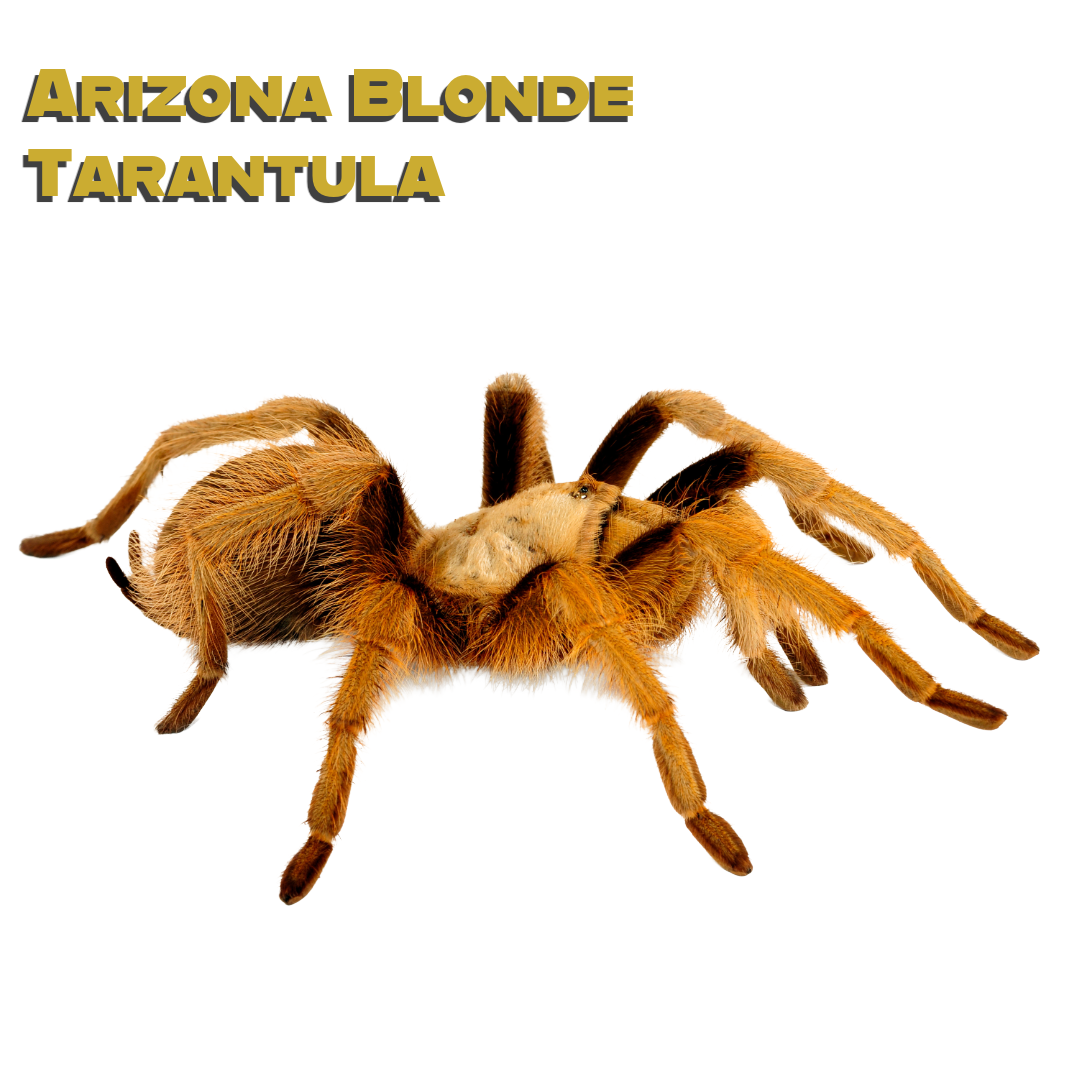
Caring for your Arizona Blonde Tarantula
The Arizona Blonde Tarantula is a strikingly colored, desert-dwelling species native to the southwestern United States, especially Arizona. Known for their sandy blonde carapace, dark legs, and calm demeanor, these tarantulas are one of the most popular species in the hobby, particularly for…

Caring for your Striped Knee Tarantula
The Striped Knee Tarantula, also known as the Costa Rican Zebra Tarantula, is a popular terrestrial species native to Central America. It’s prized for its striking black legs with white or cream-colored….
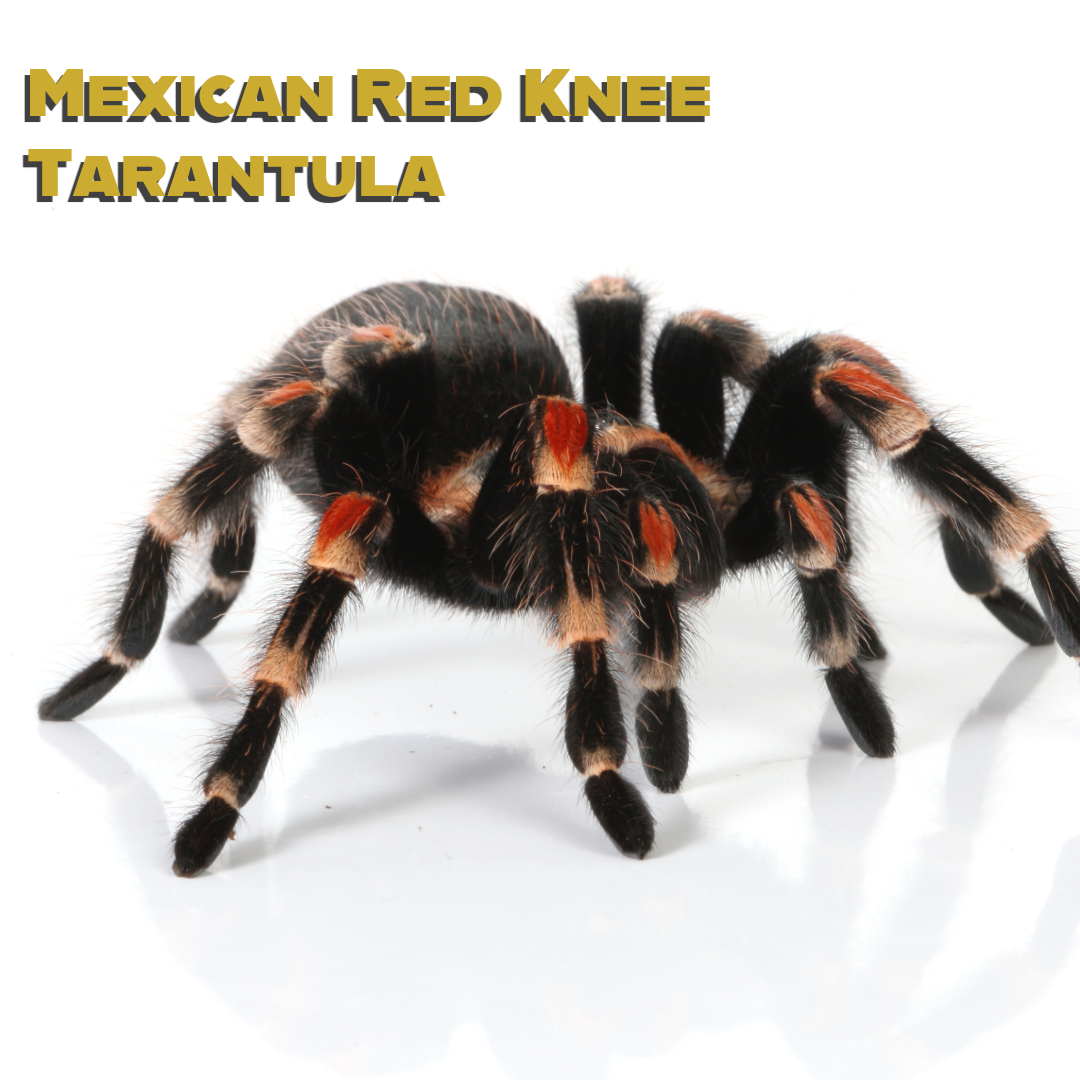
Caring for your Mexican Red Knee Tarantula
The Mexican Red Knee Tarantula is one of the most iconic and recognizable tarantulas in the world, famous for its striking black body and bright red-orange leg joints. Native to…
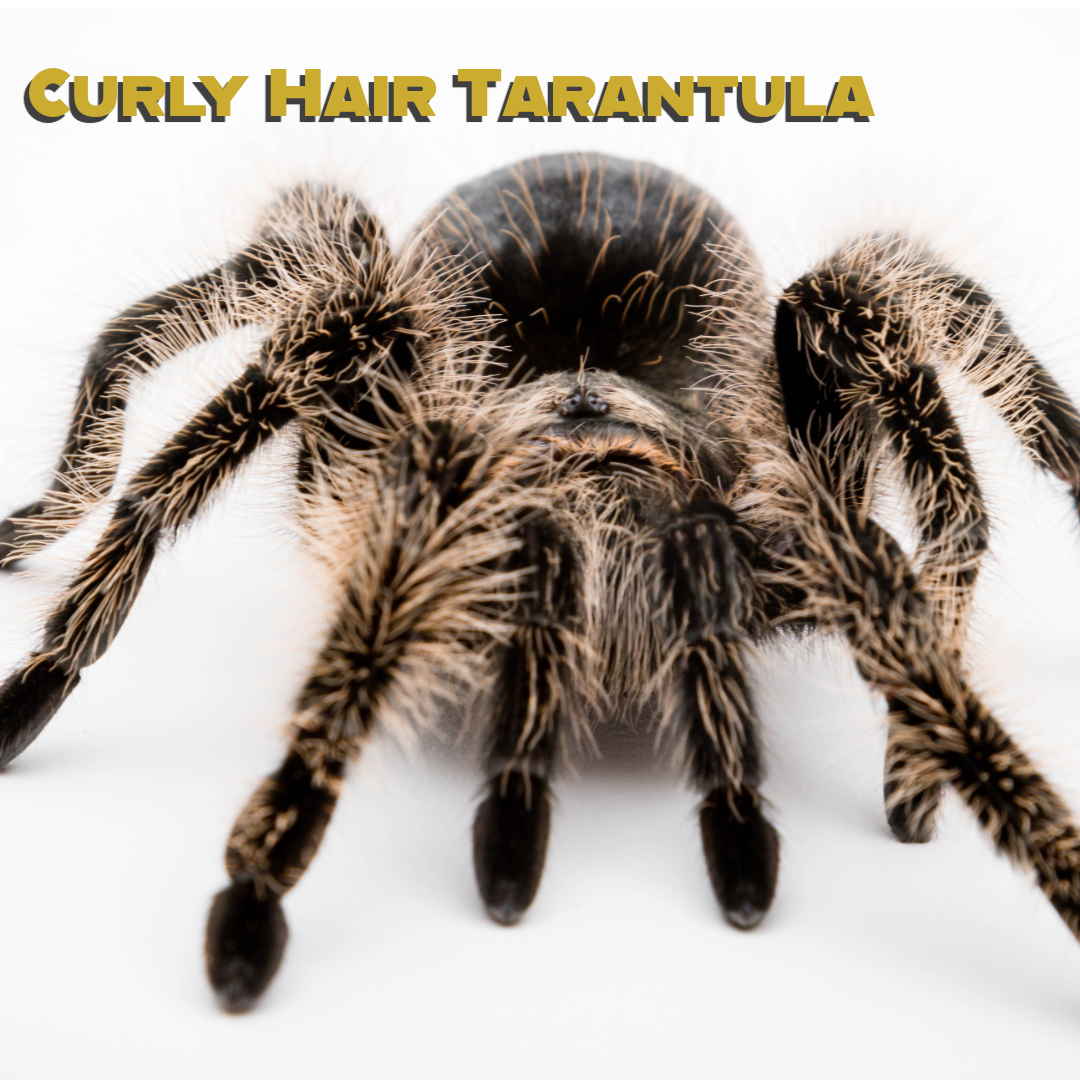
Caring for your Curly Hair Tarantula
The Curly Hair Tarantula is a calm, terrestrial species native to the rainforests and scrublands of Central America, particularly Honduras, Nicaragua, and Costa Rica. Its name comes from…
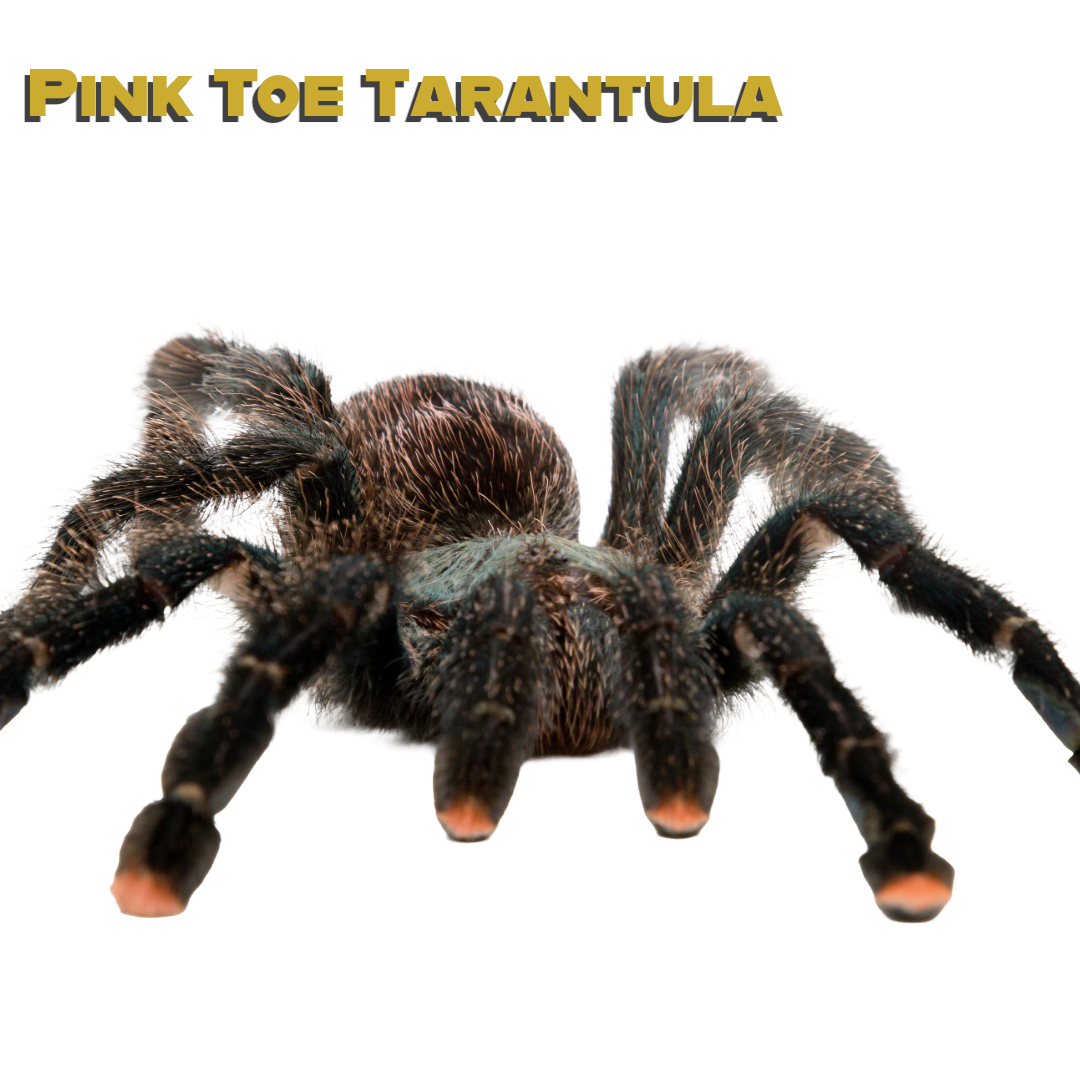
Caring for your Pink Toe Tarantula
The Pink Toe Tarantula is a popular arboreal species native to northern South America. It’s easily recognized by its striking pink-tipped toes contrasting with a dark body, and its calm…