

Use the search feature to find your pet’s care sheet!
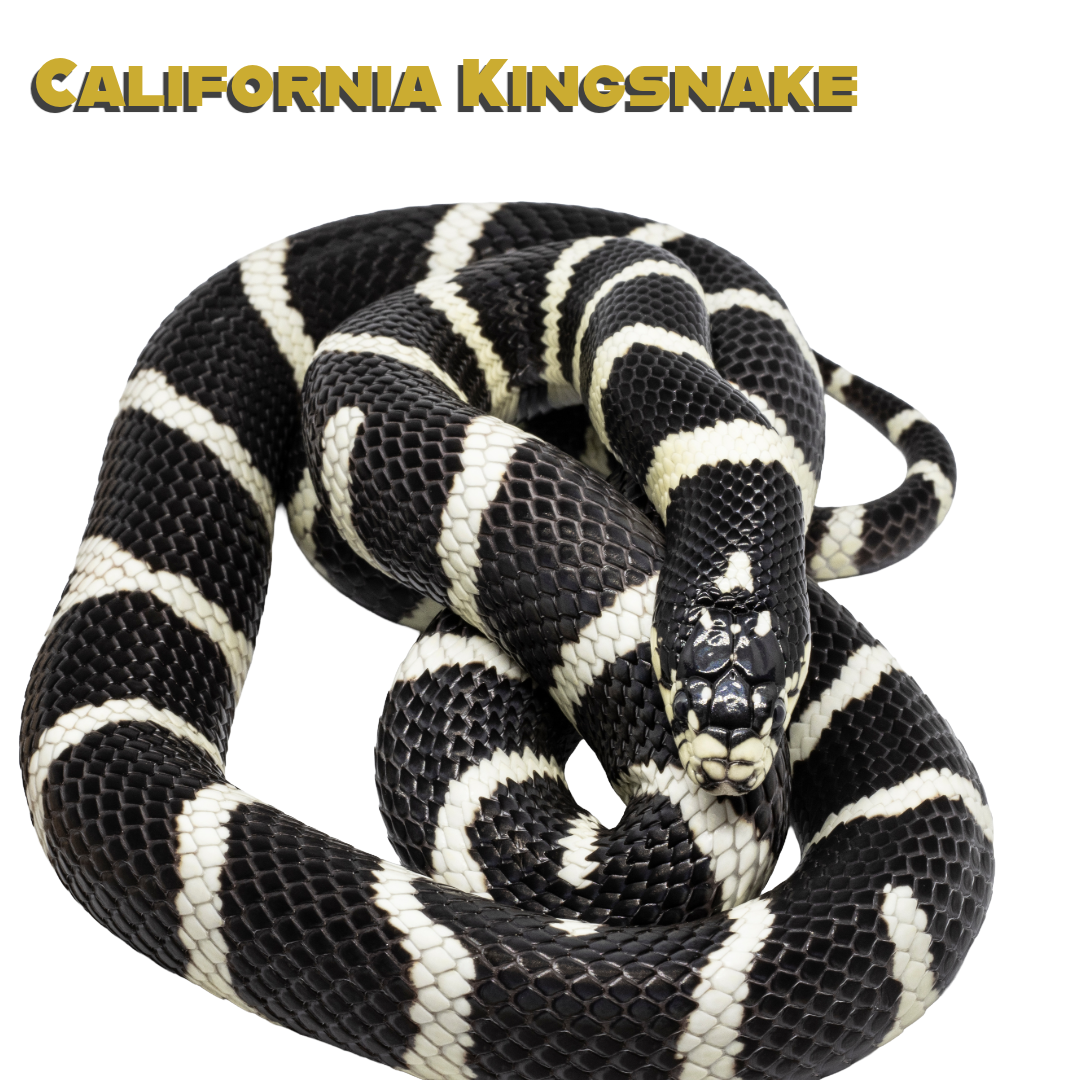
Caring for your California Kingsnake
California Kingsnakes are hardy, adaptable colubrids native to the western United States and northern Mexico. Named for their tendency to eat other snakes—including venomous species—they’re known for their striking banded or striped patterns, which can be black, brown…

Caring for your Slider Turtle
Red-eared sliders are one of the most recognizable and commonly kept aquatic turtles in the pet trade. Native to the southern United States and northern Mexico, they inhabit slow-moving freshwater bodies like ponds, lakes, and rivers. They get their name from the bright red stripe just behind each eye, which becomes less vivid with age…
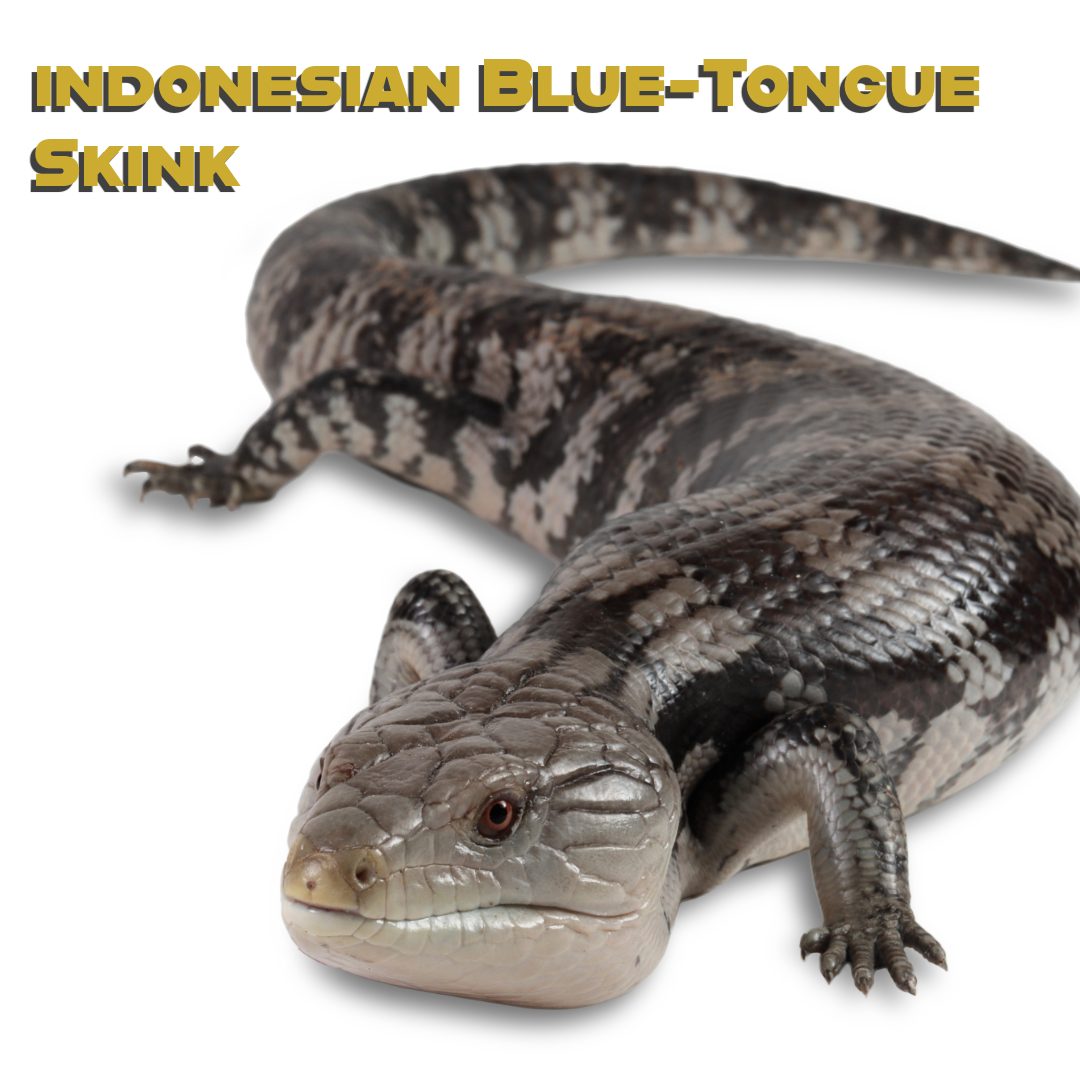
Caring for your Indonesian Blue-Tongued Skink
The Indonesian Blue-Tongued Skink is a large, slow-moving lizard native to Indonesia. Known for its characteristic blue tongue, it typically grows to about 18-24 inches long. With a relatively docile……
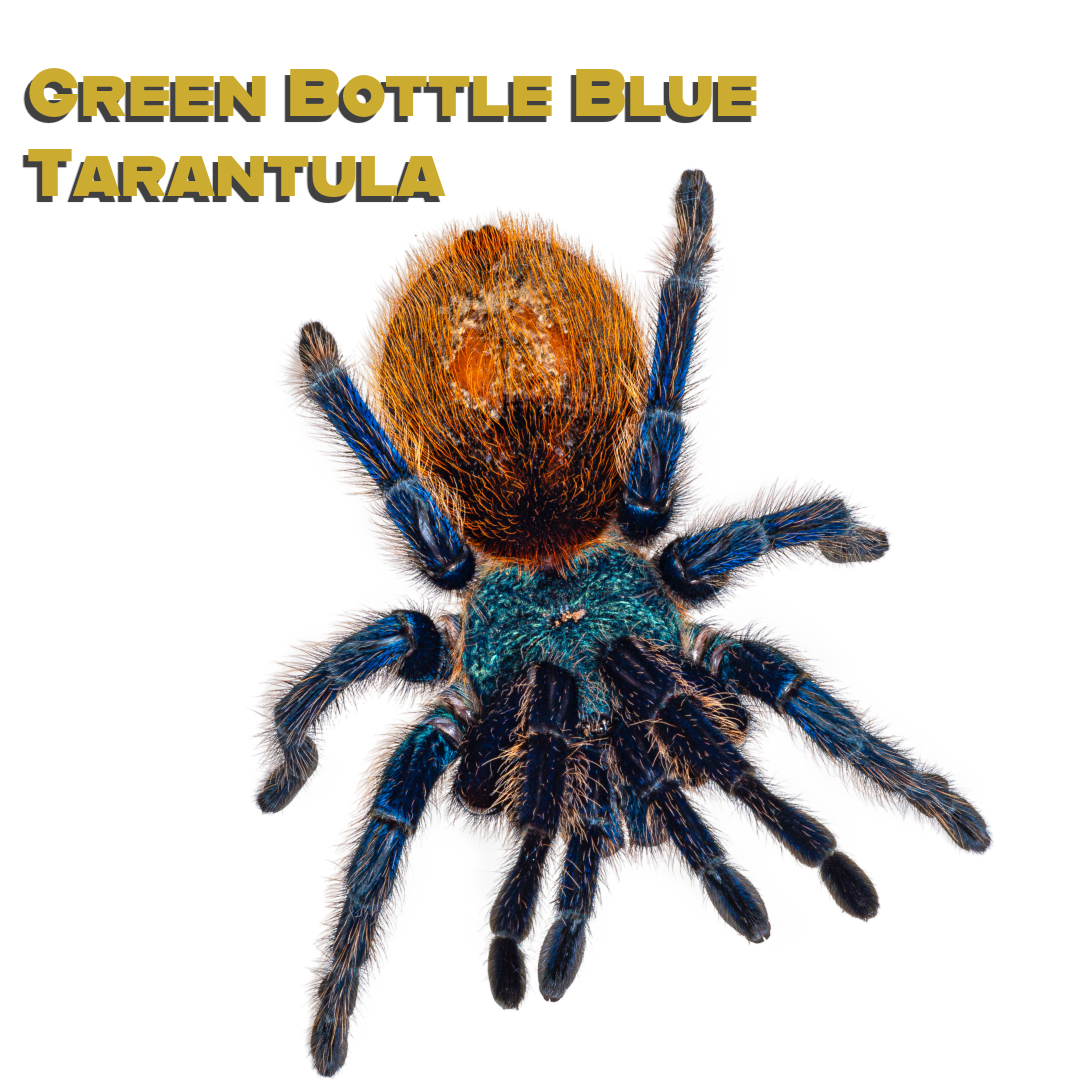
Caring for your Green Bottle Blue Tarantula
The Green Bottle Blue Tarantula is one of the most visually striking spiders in the pet trade. Native to the arid desert regions of northern Venezuela, this terrestrial species is famous for its electric blue legs, metallic green carapace, and vibrant orange abdomen. It builds intricate webs…
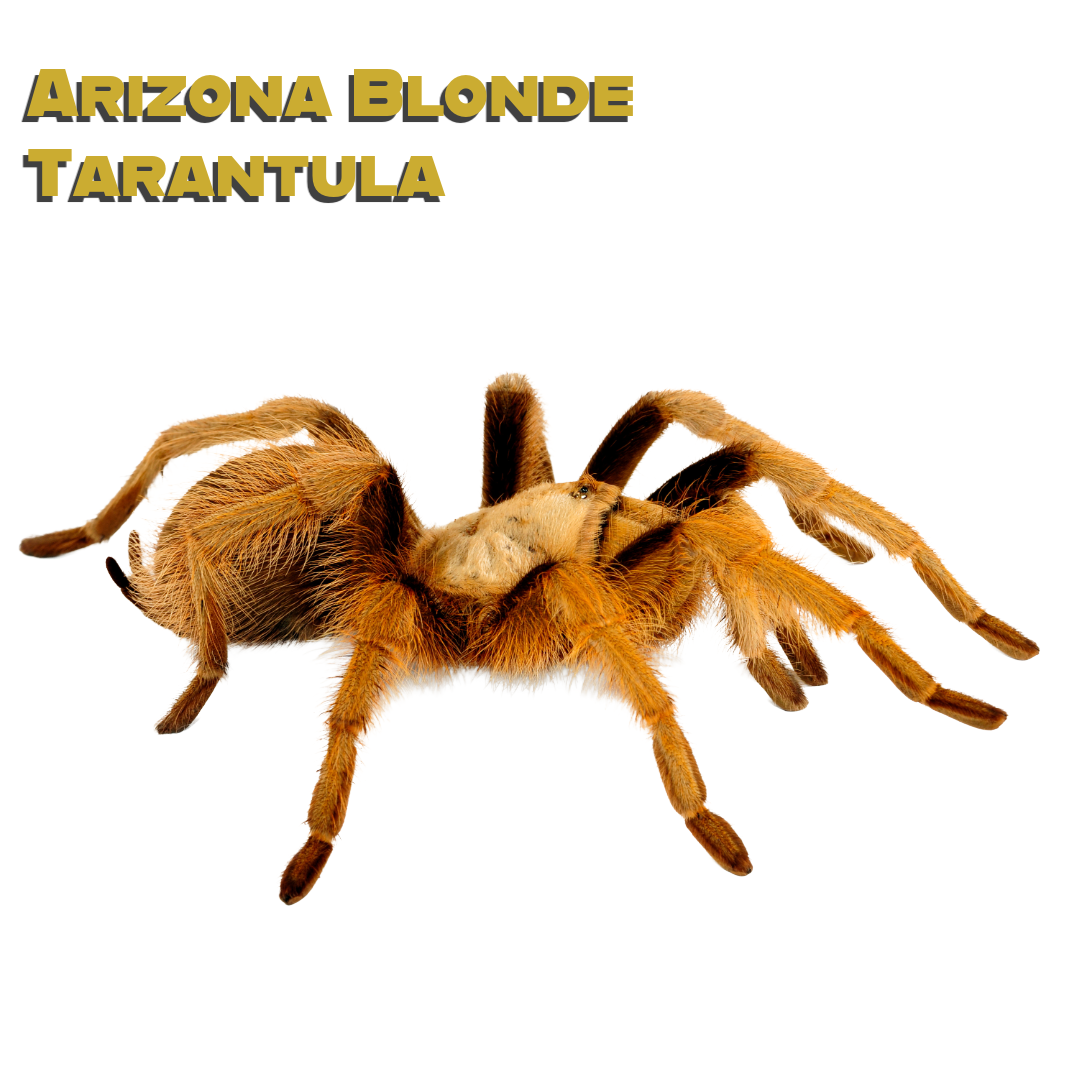
Caring for your Arizona Blonde Tarantula
The Arizona Blonde Tarantula is a strikingly colored, desert-dwelling species native to the southwestern United States, especially Arizona. Known for their sandy blonde carapace, dark legs, and calm demeanor, these tarantulas are one of the most popular species in the hobby, particularly for…
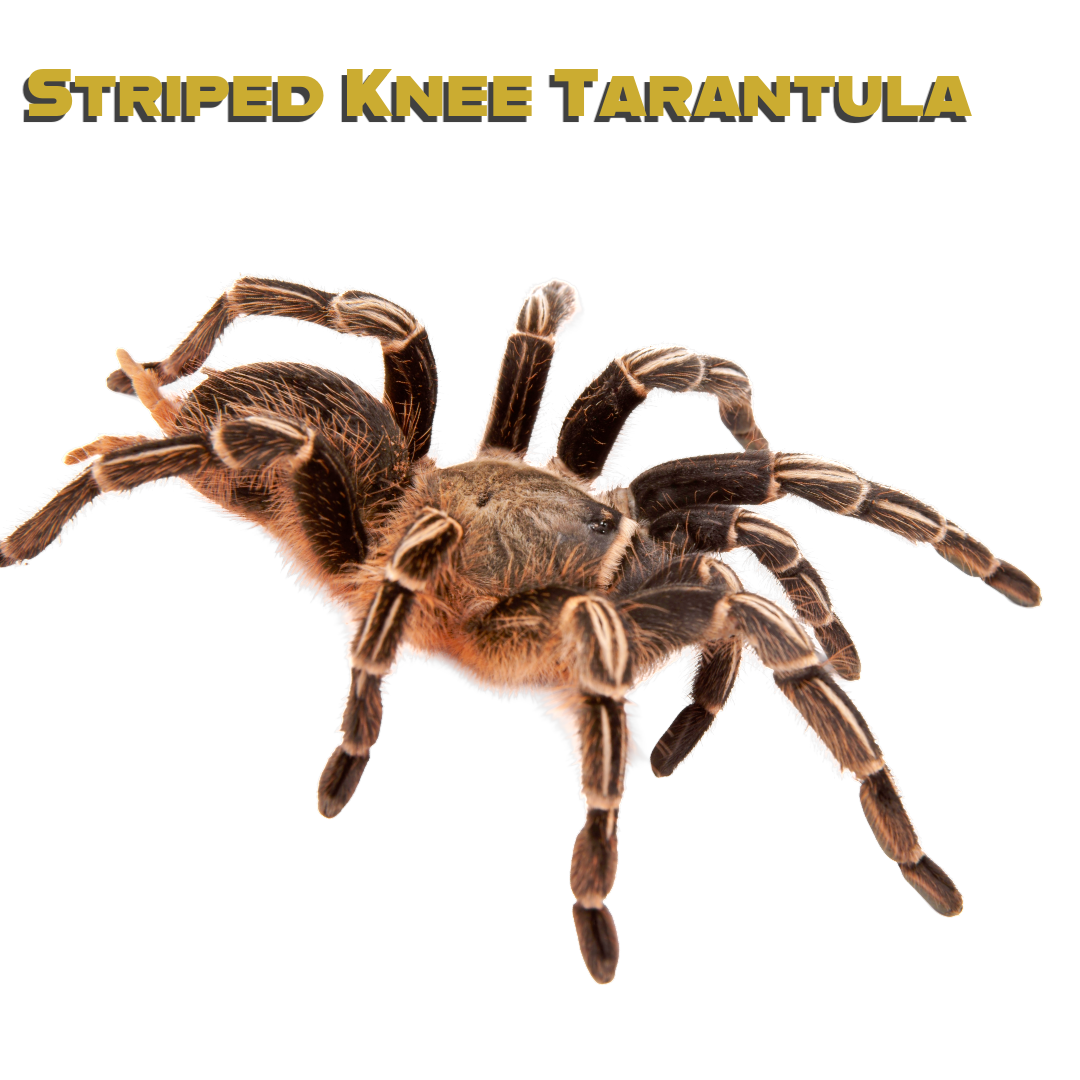
Caring for your Striped Knee Tarantula
The Striped Knee Tarantula, also known as the Costa Rican Zebra Tarantula, is a popular terrestrial species native to Central America. It’s prized for its striking black legs with white or cream-colored….
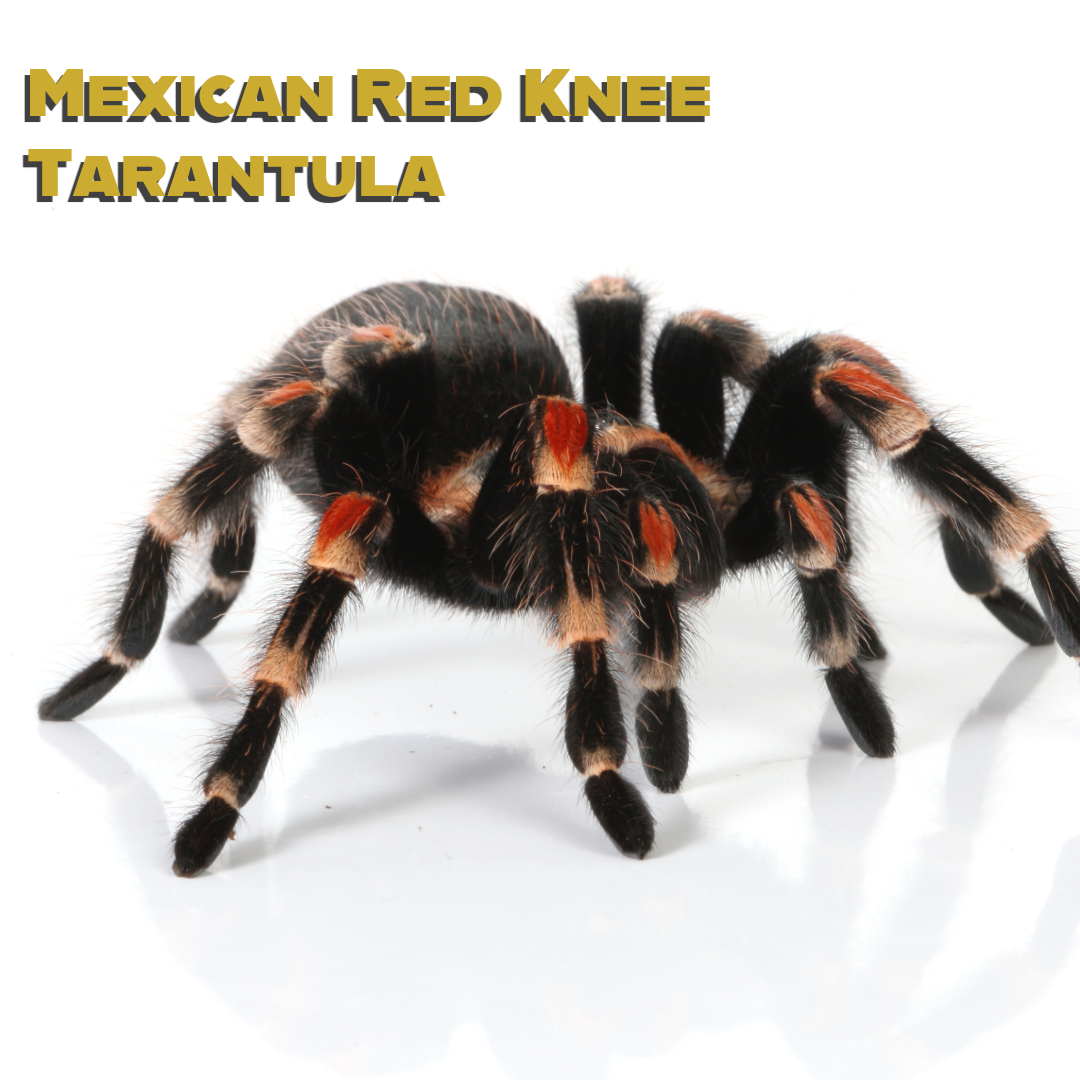
Caring for your Mexican Red Knee Tarantula
The Mexican Red Knee Tarantula is one of the most iconic and recognizable tarantulas in the world, famous for its striking black body and bright red-orange leg joints. Native to…
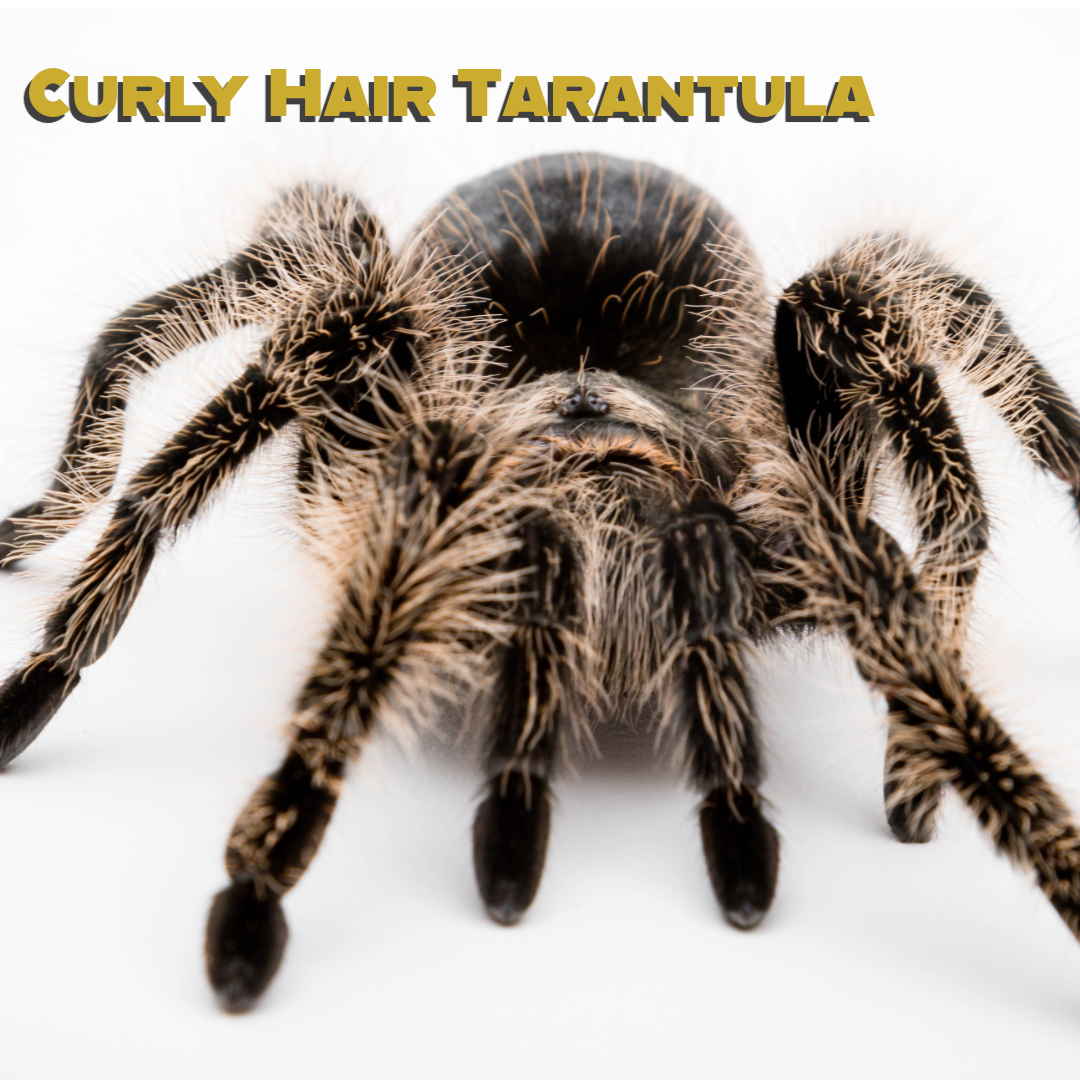
Caring for your Curly Hair Tarantula
The Curly Hair Tarantula is a calm, terrestrial species native to the rainforests and scrublands of Central America, particularly Honduras, Nicaragua, and Costa Rica. Its name comes from…
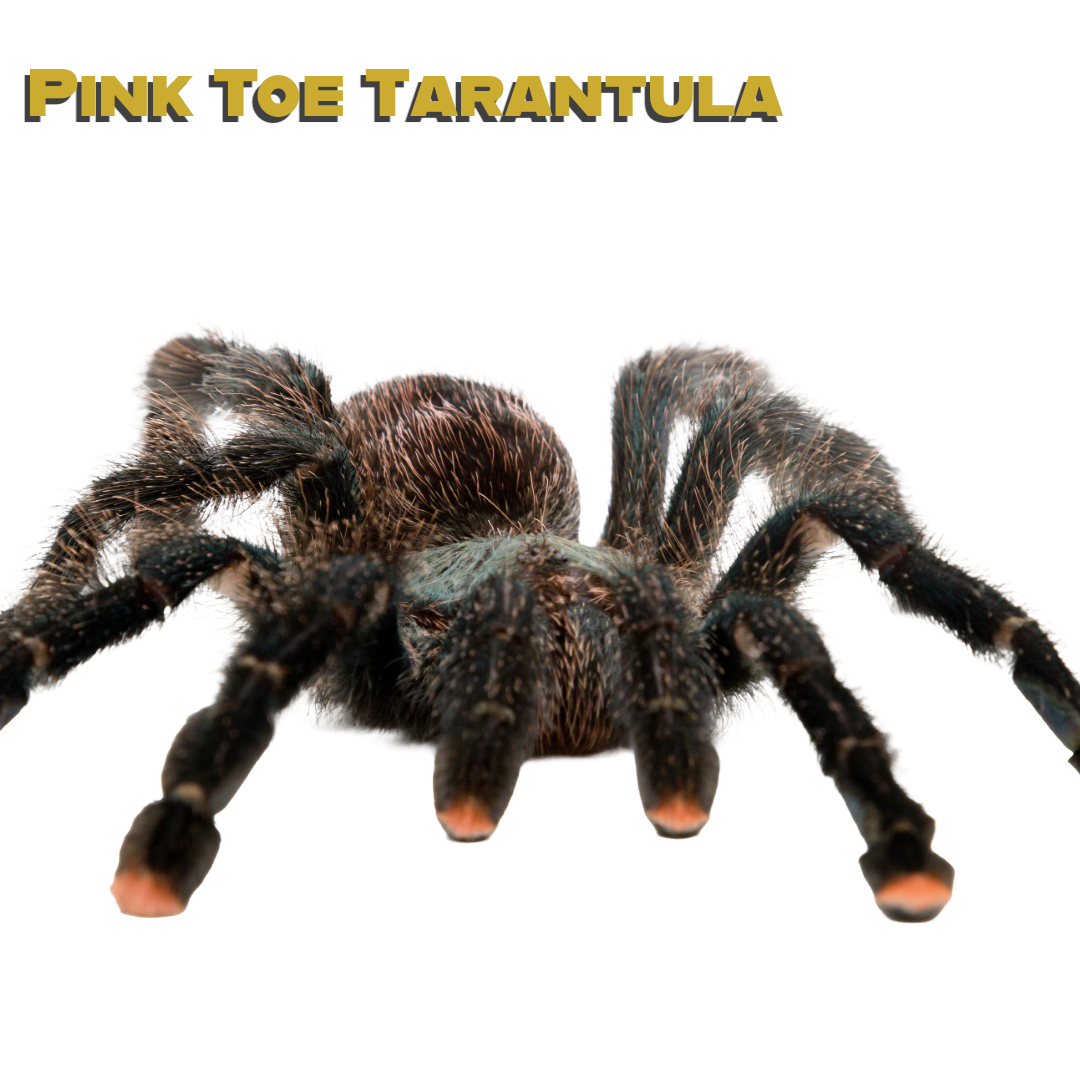
Caring for your Pink Toe Tarantula
The Pink Toe Tarantula is a popular arboreal species native to northern South America. It’s easily recognized by its striking pink-tipped toes contrasting with a dark body, and its calm…
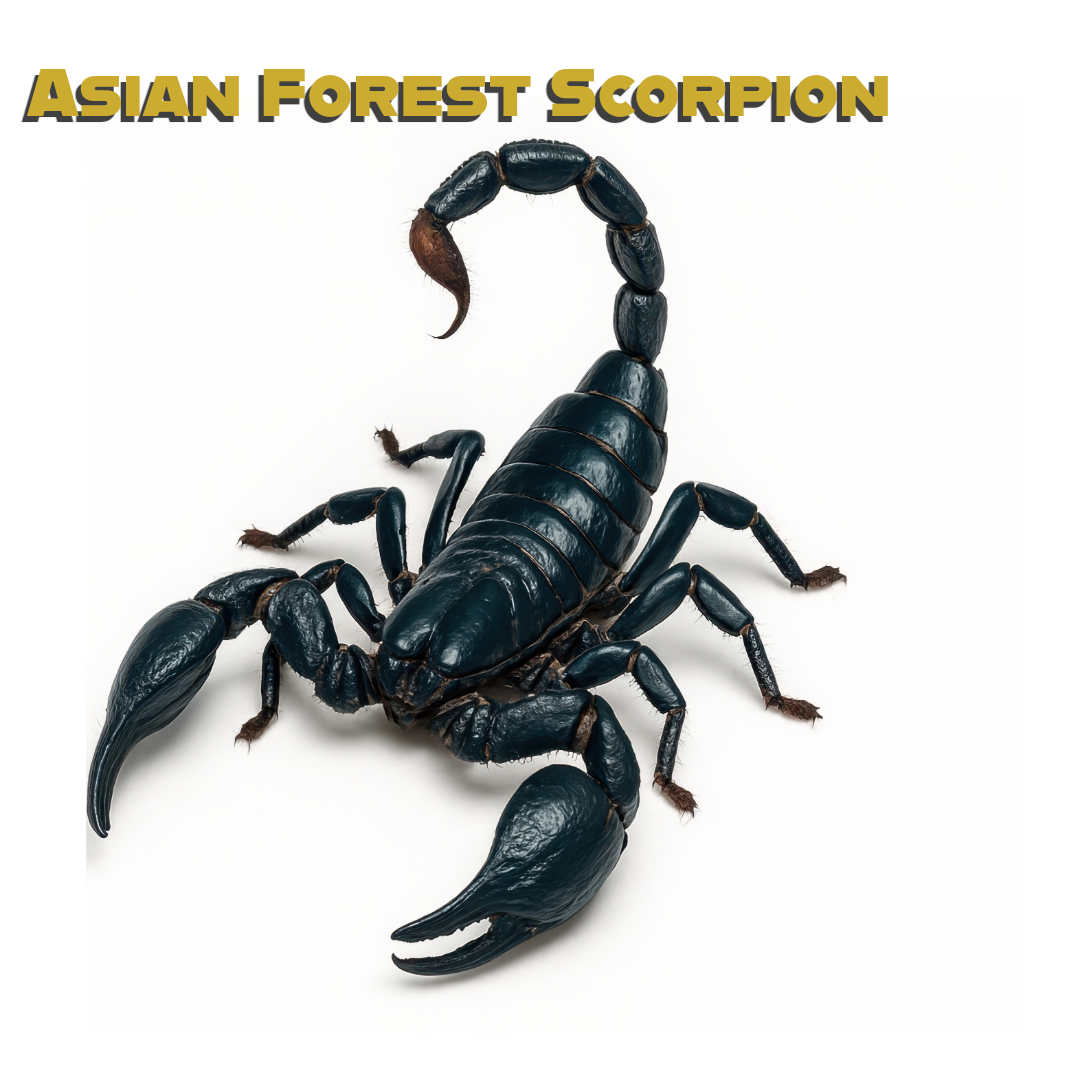
Caring for your Asian Forest Scorpion
The Asian Forest Scorpion is a large, impressive species native to the tropical forests of Southeast Asia. It is known for its glossy black exoskeleton and large, powerful…
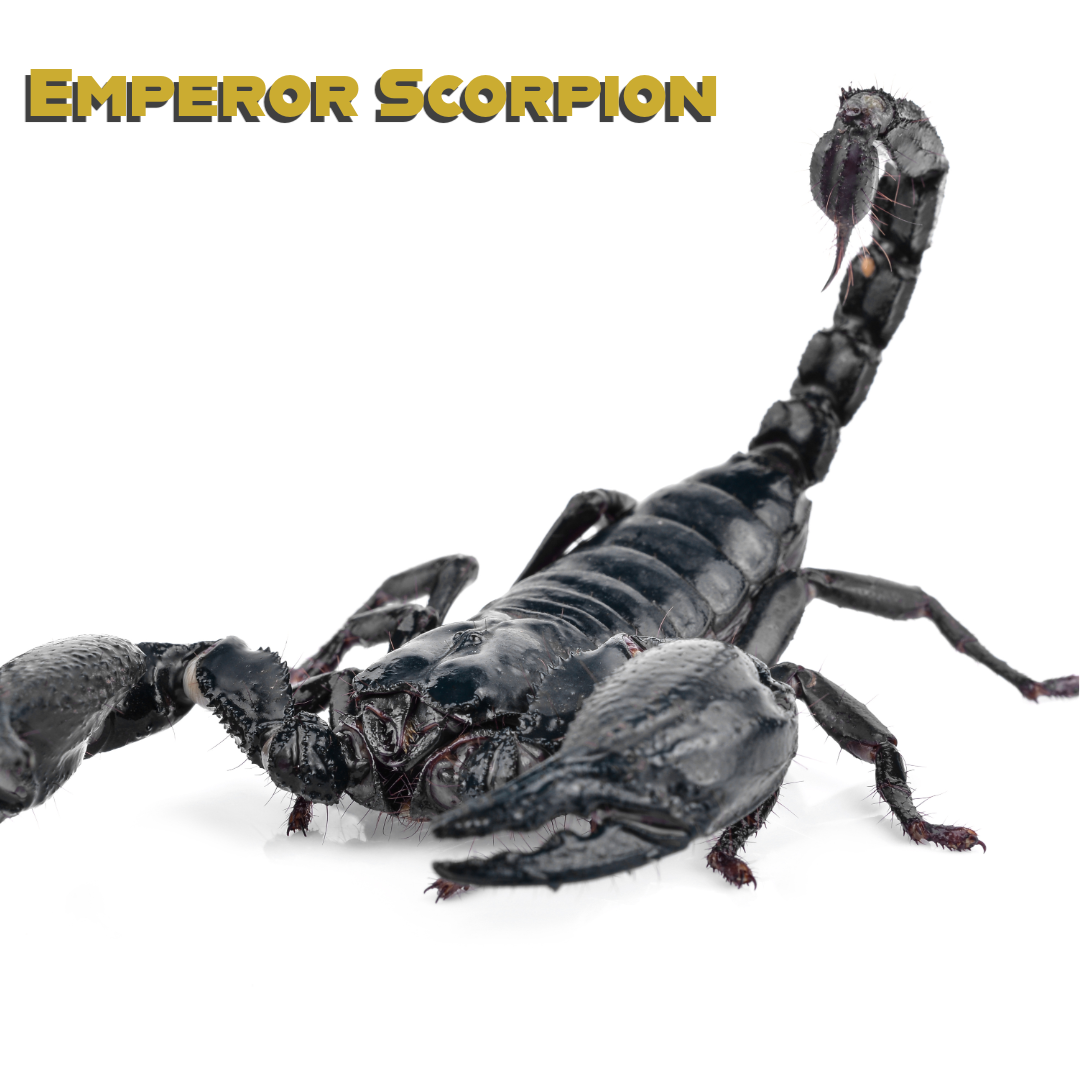
Caring for your Emperor Scorpion
The Emperor Scorpion is one of the largest scorpions in the world and a popular species in the pet trade due to its docile nature and impressive size….
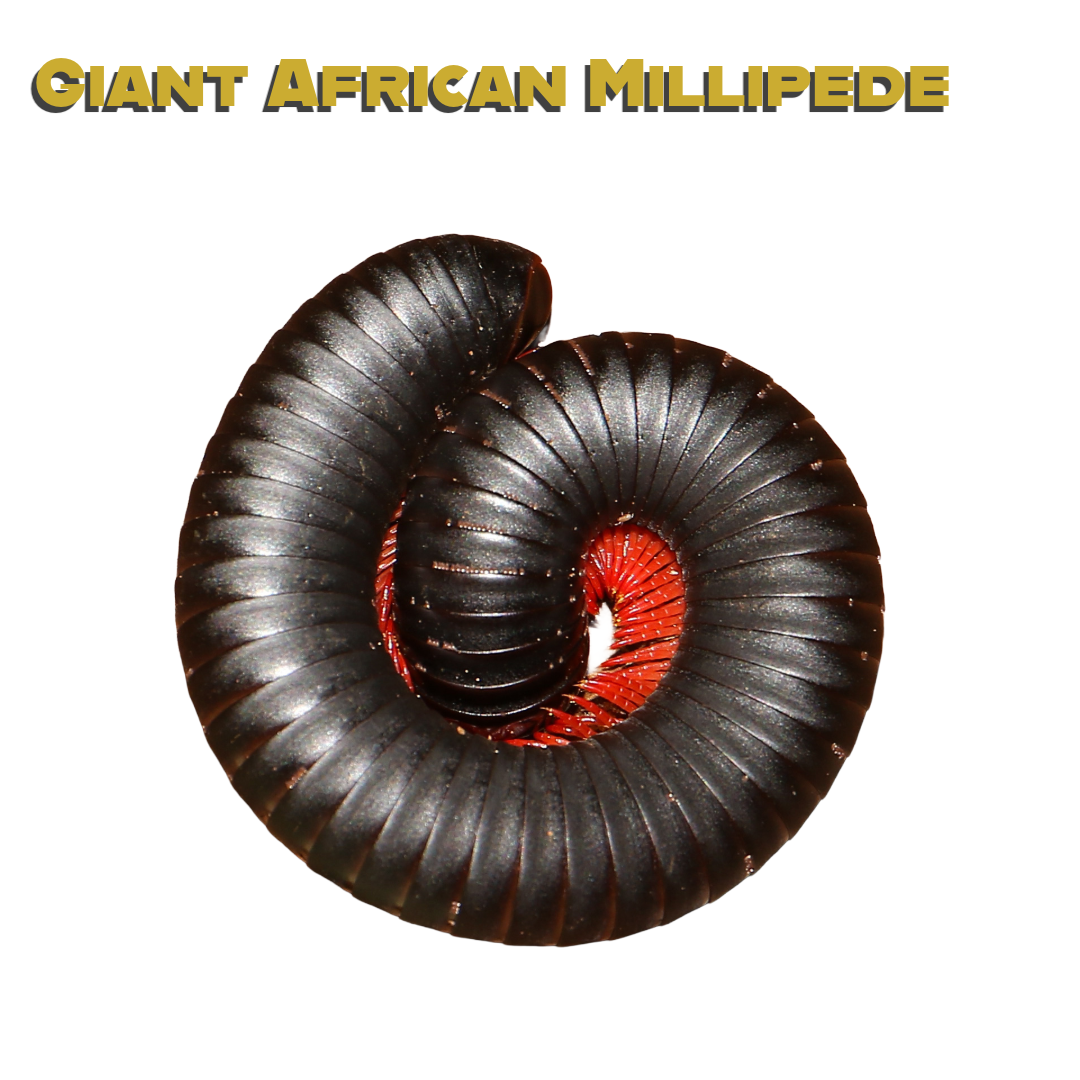
Caring for your Giant African Millipede
The African Giant Millipede is one of the largest millipede species in the world, native to East Africa. Known for its impressive size—sometimes reaching over 12 inches…
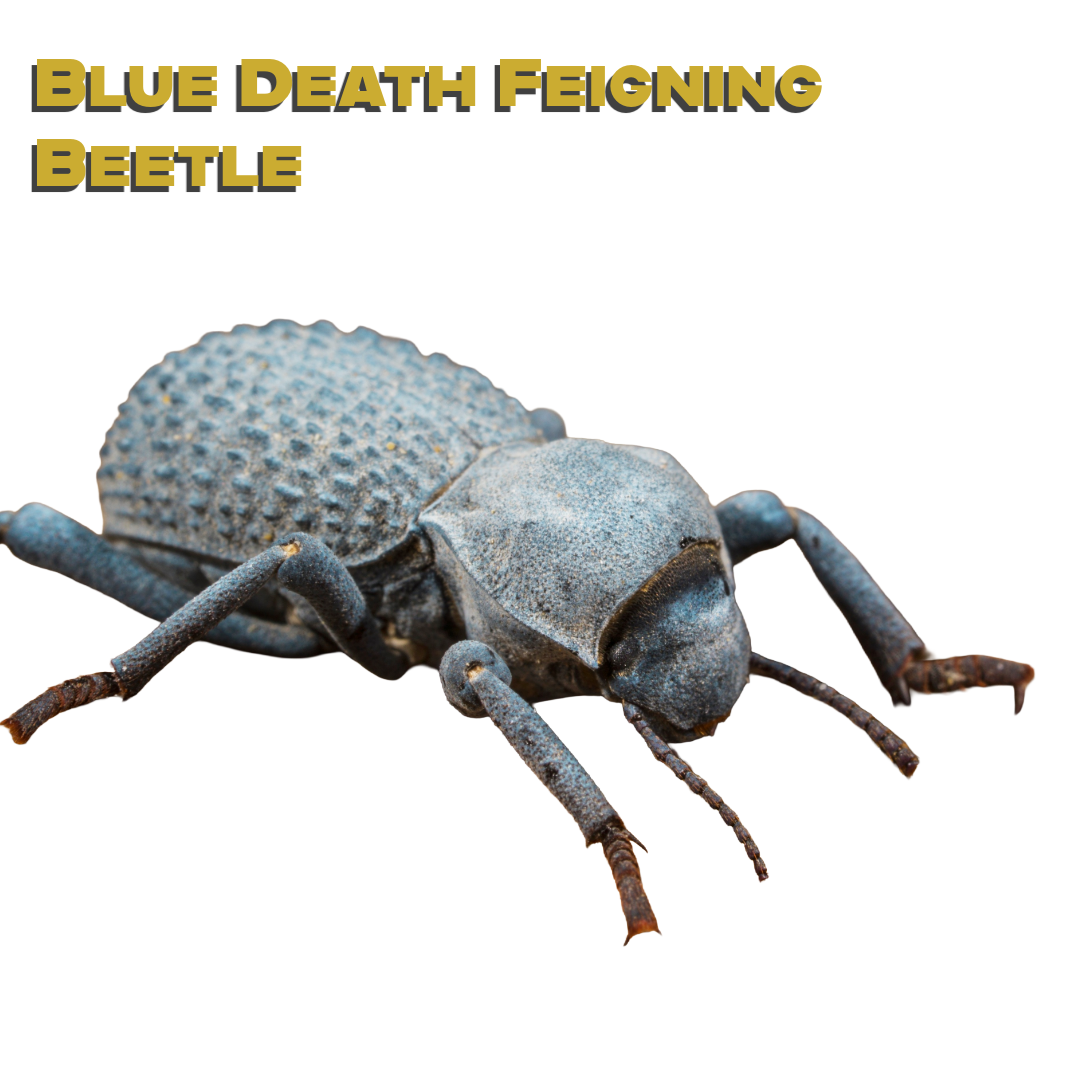
Caring for your Blue Death Feigning Beetle
The Blue Feigning Death Beetle, also known as the Desert Darkling Beetle, is native to the arid deserts of the southwestern United States, particularly the Sonoran Desert. These beetles get their name from their unique defense mechanism—when threatened…
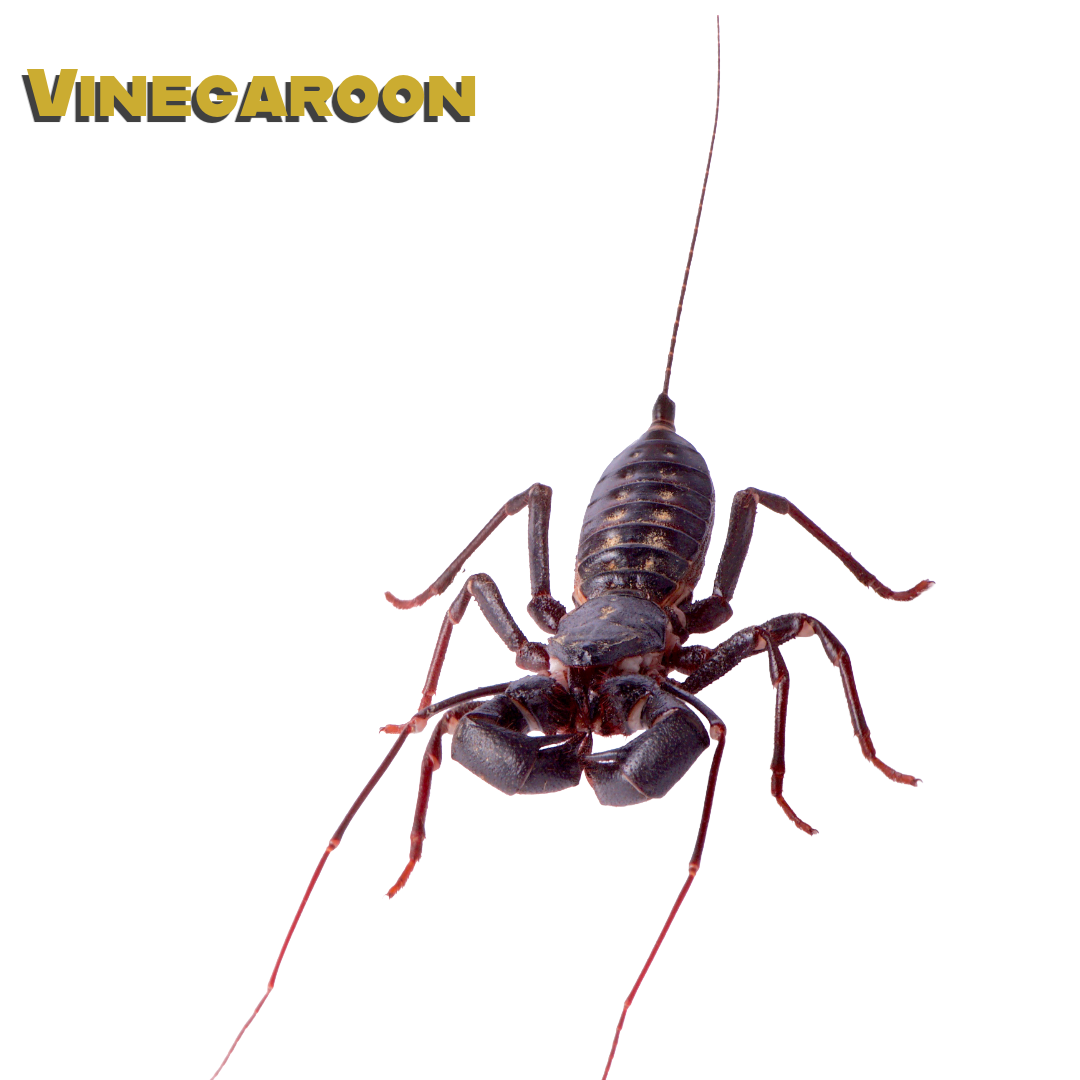
Caring for your Vinegaroon
Vinegaroons are fascinating arachnids known for their ability to spray a vinegar-like substance (acetic acid) from their tails when threatened—hence their name! Despite their intimidating appearance…
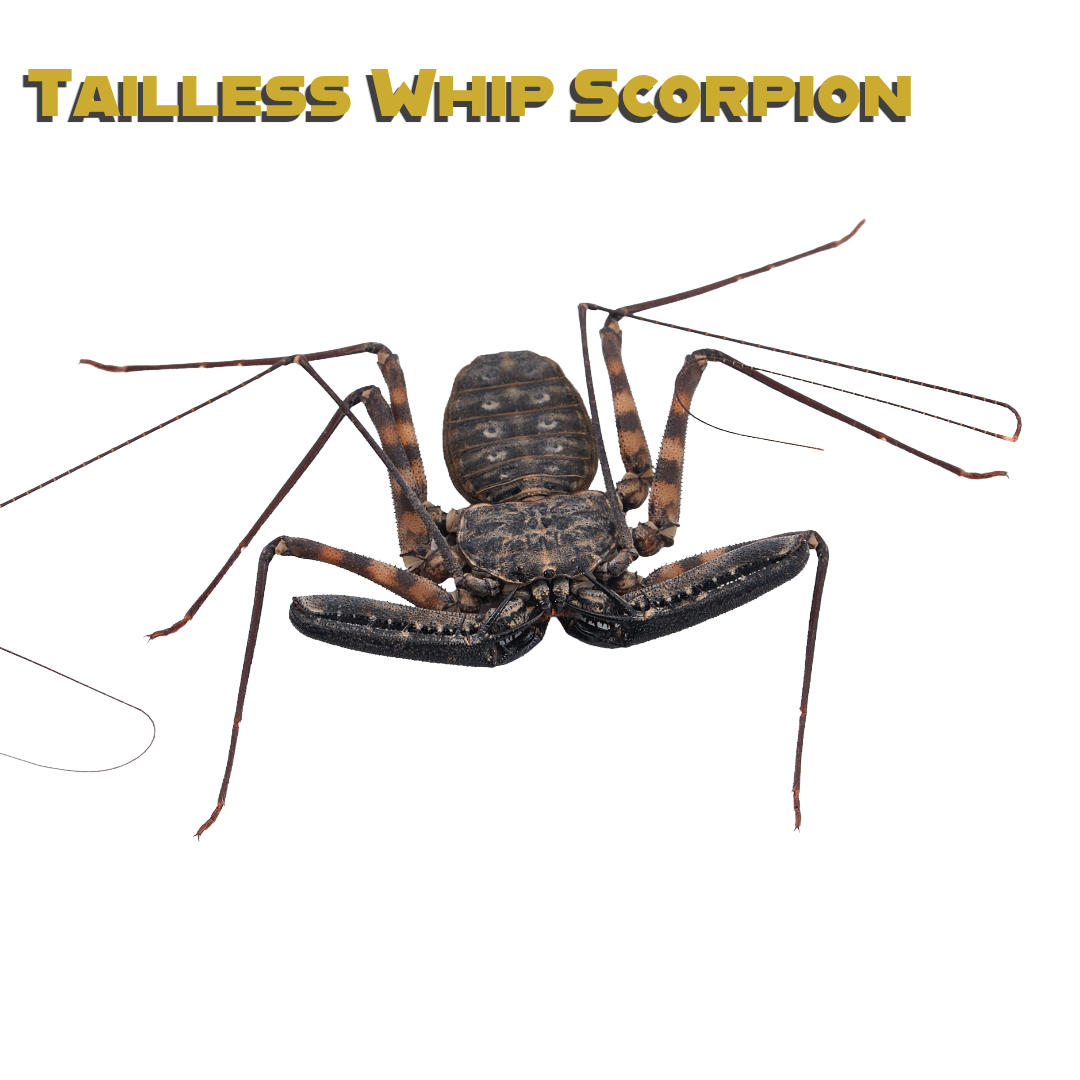
Caring for your Tailless Whip Scorpion
Tailless whip scorpions, despite their name, are not true scorpions and have no venom or tail. These fascinating arachnids are known for their long, delicate front legs used like…
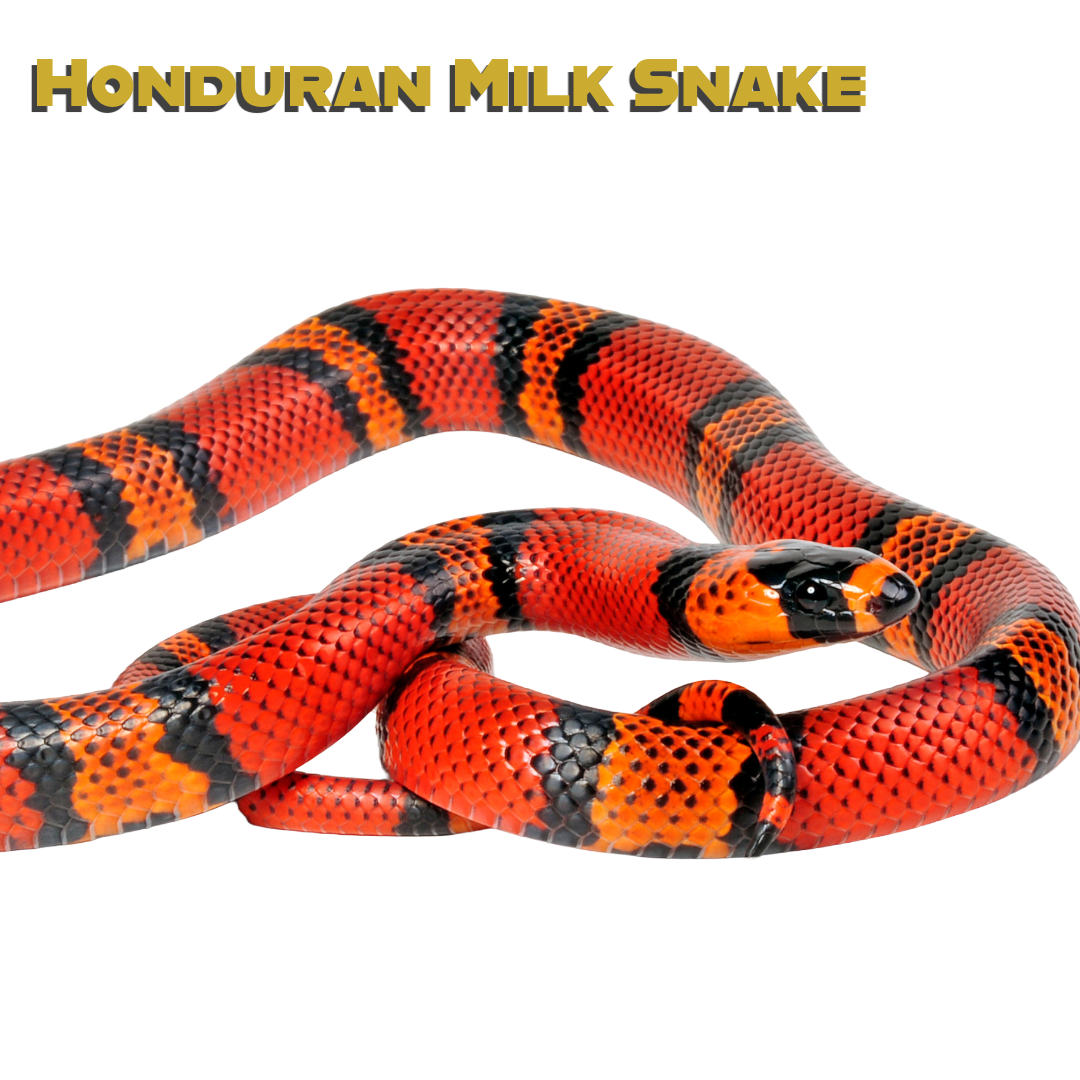
Caring for your Honduran Milk Snake
Milk snakes are a colorful, non-venomous colubrid found across North, Central, and parts of South America. Known for their bold red, black, and white or yellow banding, they mimic the appearance of venomous coral snakes—making them a classic example of Batesian mimicry. With over two dozen recognized subspecies, including the…
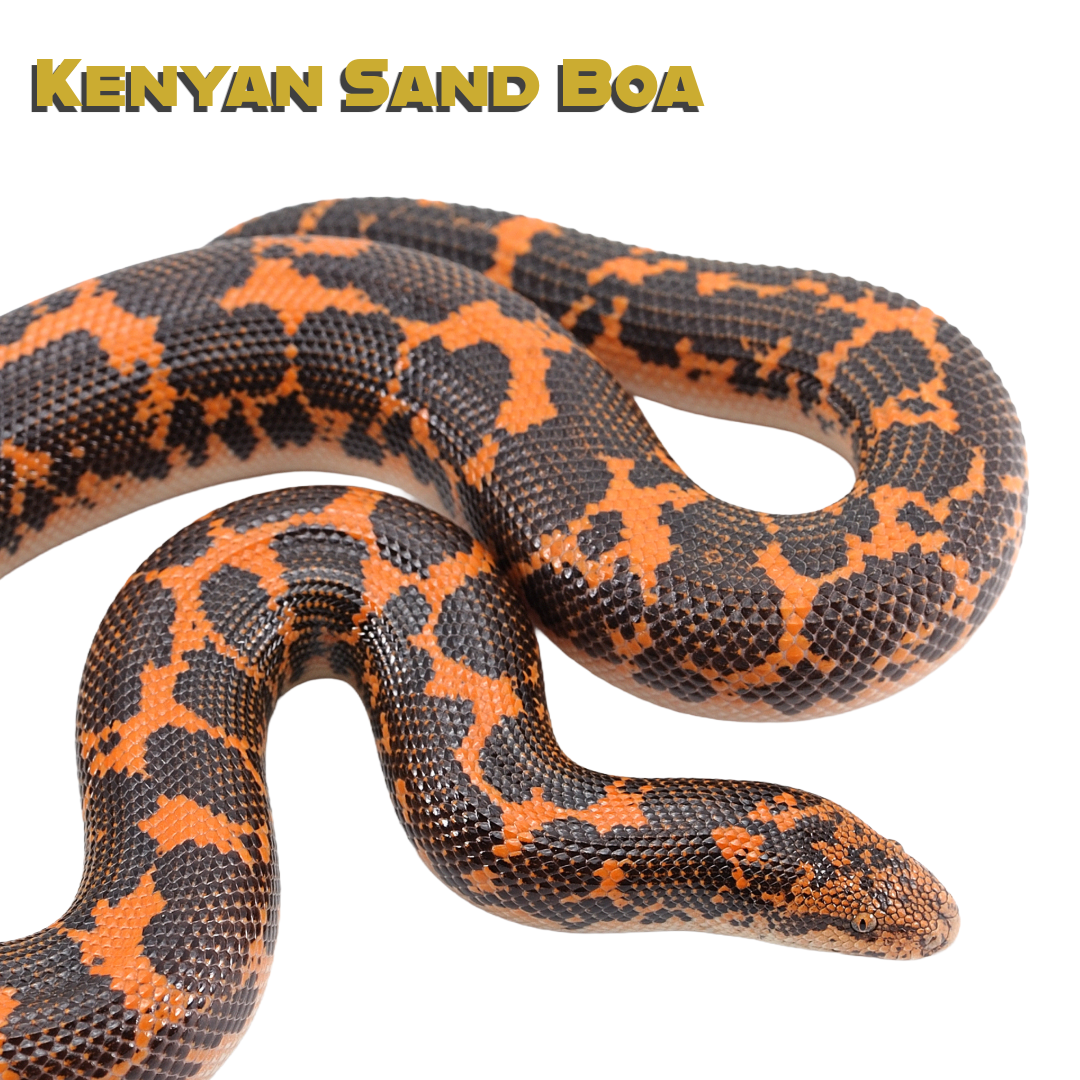
Caring for your Kenyan Sand Boa
Small, burrowing snakes native to northeastern Africa, Kenyan Sand Boas are known for their gentle temperament, manageable size, and vibrant orange-and-brown coloration. Their fossorial lifestyle and calm demeanor make them excellent pets for beginners and…

Caring for your Argentine Boa
Native to Argentina and parts of Paraguay, the Argentine Boa is a rare and protected subspecies of the Boa constrictor complex. Known for their striking black and white pattern and heavier build, these snakes are powerful constrictors…

Caring for your Common Boa
Native to Central America and parts of northern South America, the Common Boa is a hardy and adaptable snake species widely kept in captivity. Boa imperator tends to be smaller and slightly more docile than…
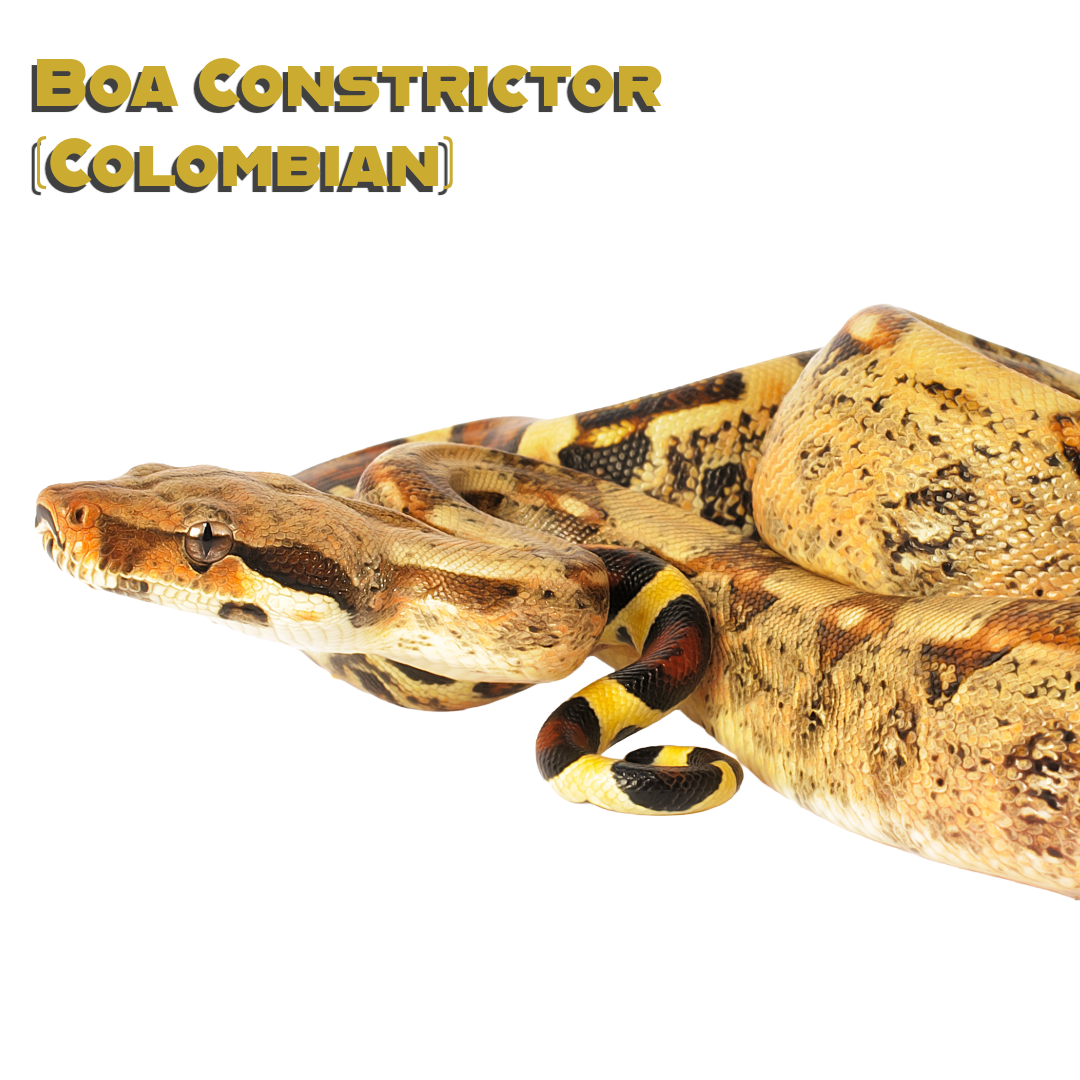
Caring for your Colombian Red-Tail Boa
Originating from Central America and northern parts of South America, Colombian Red-Tailed Boas are one of the most popular boa species in the pet trade due to their manageable size, striking appearance, and generally docile temperament…