

Caring for your Tricolor Hognose
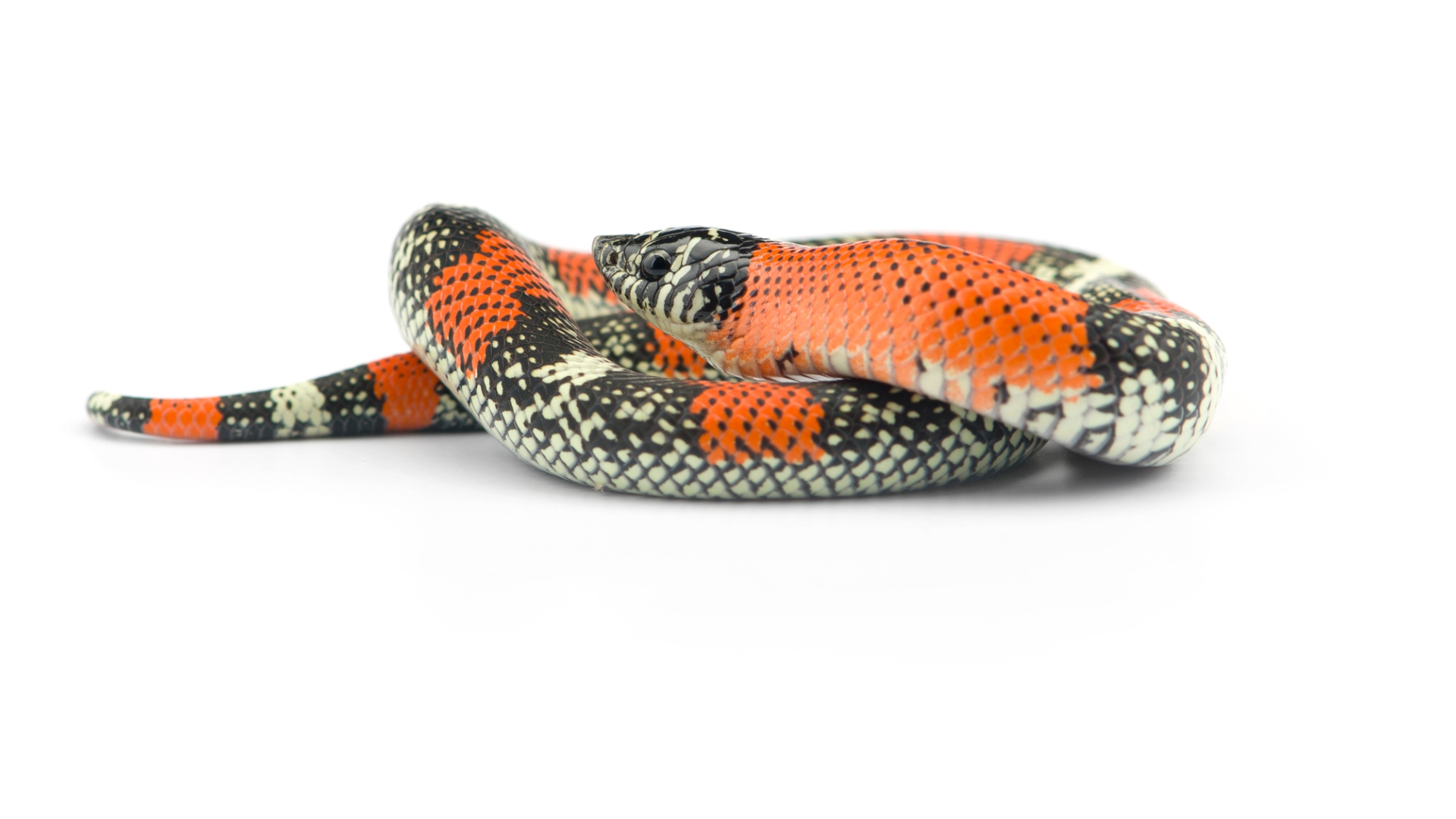
Tricolor Hognose Snake
Xenodon pulcher
Basic Information:
The Tricolor Hognose Snake is a small, brilliantly patterned colubrid native to the Gran Chaco region and open scrublands of South America, spanning across Argentina, Paraguay, and Bolivia. This species is celebrated for its stunning mimicry of the venomous coral snake, sporting bold, alternating bands of vibrant red, black, and crisp white or cream. Like other hognose species, they possess an upturned, spade-like rostral scale on the snout used for digging. Adults remain compact, with males typically reaching 14 to 18 inches and larger females reaching 18 to 24 inches in length.
These snakes are primarily diurnal and crepuscular, actively exploring, foraging, and burrowing during morning and late afternoon hours. Unlike their North American counterparts (Heterodon), Tricolor Hognose snakes belong to the genus Xenodon and generally have a slightly faster metabolism, a more active temperament, and rarely play dead ("cobra bluffing" or flattening out instead). Captive-bred individuals are generally very docile, easy to handle, and known for their eager feeding responses.
Lifespan:
12–15+ years in captivity with proper care.
Sexing:
Sexing can be accurately determined through cloacal probing or popping (for young neonates) by an experienced keeper. Visual sexual dimorphism is also noticeable in older subadults and adults: females grow significantly thicker and longer, whereas males stay smaller with noticeably longer, more gradually tapering tails.
Enclosure:
Hatchlings & Juveniles: A 5 to 10-gallon terrarium or a secure 6-quart locking tub to ensure they feel safe and feed reliably.
Adults: Minimum enclosure size of a standard 20-gallon long (30x12x12 inches) or a 24x18x12-inch front-opening terrarium. Provide multiple tight-fitting hides (one on the warm end, one on the cool end), along with low-climbing branches and leaf litter for surface enrichment.
Substrate:
A deep, 2–3 inch layer of burrowing substrate such as shredded aspen shavings, coarse coconut husk, or an organic topsoil/sand mix. Substrate must hold loose burrows well while remaining clean and dry. Avoid gravel, calcium sand, or aromatic woods like cedar and pine.
Lighting & Temperature:
Basking Spot: 88°F–92°F (Provided via an overhead halogen bulb, deep heat projector, or under-tank heat pad connected to a reliable thermostat).
Ambient Temperature: 78°F–82°F
Cool Side: 72°F–75°F (Nighttime drops to 70°F–74°F are acceptable).
Lighting & UVB: Provide a low-output 5.0/forest-strength linear UVB bulb on a 12-hour day/night cycle to support natural circadian rhythms and natural activity levels.
Humidity:
40%–50%. Maintain moderate, dry ambient conditions with good airflow to prevent respiratory issues and blister disease. Always provide a dedicated humid hide box packed with moist sphagnum moss to aid in smooth, complete shedding.
Food:
Strictly Carnivorous. Feed thawed frozen rodents:
Hatchlings & Juveniles: Pinky mice fed once every 4–5 days (due to their higher metabolic rate compared to North American hognoses).
Subadults & Adults: Fuzzy mice to adult mice fed once every 5–7 days for males, and every 5–7 days for growing females.
Tricolor hognoses are enthusiastic feeders and rarely go on the seasonal hunger strikes often seen in western hognose snakes.
Water:
Provide a small, sturdy ceramic water bowl with clean, fresh water on the cool side of the terrarium. Change and sanitize the bowl at least once or twice weekly.
Tricolor Hognose Snakes combine the eye-catching, high-contrast coloration of a milk snake with the adorable snub-nosed face and manageable size of a hognose. Their eager appetites, manageable care requirements, and active daytime behavior make them a fantastic choice for hobbyists seeking a unique, compact colubrid.
Where can I find a Rosy Boa NEar Me?
If you're in Frederick County, Maryland, visit Critters, Reptiles & Exotics in Frederick to check availability of Tricolor Hognose Snakes and get expert guidance on burrowing substrates, proper heat gradients, and feeding schedules. Whether you're a first-time snake owner or adding a rare South American colubrid to your collection, there’s always a new adventure waiting at Critters, Reptiles & Exotics!