

Caring for your Rosy Boa
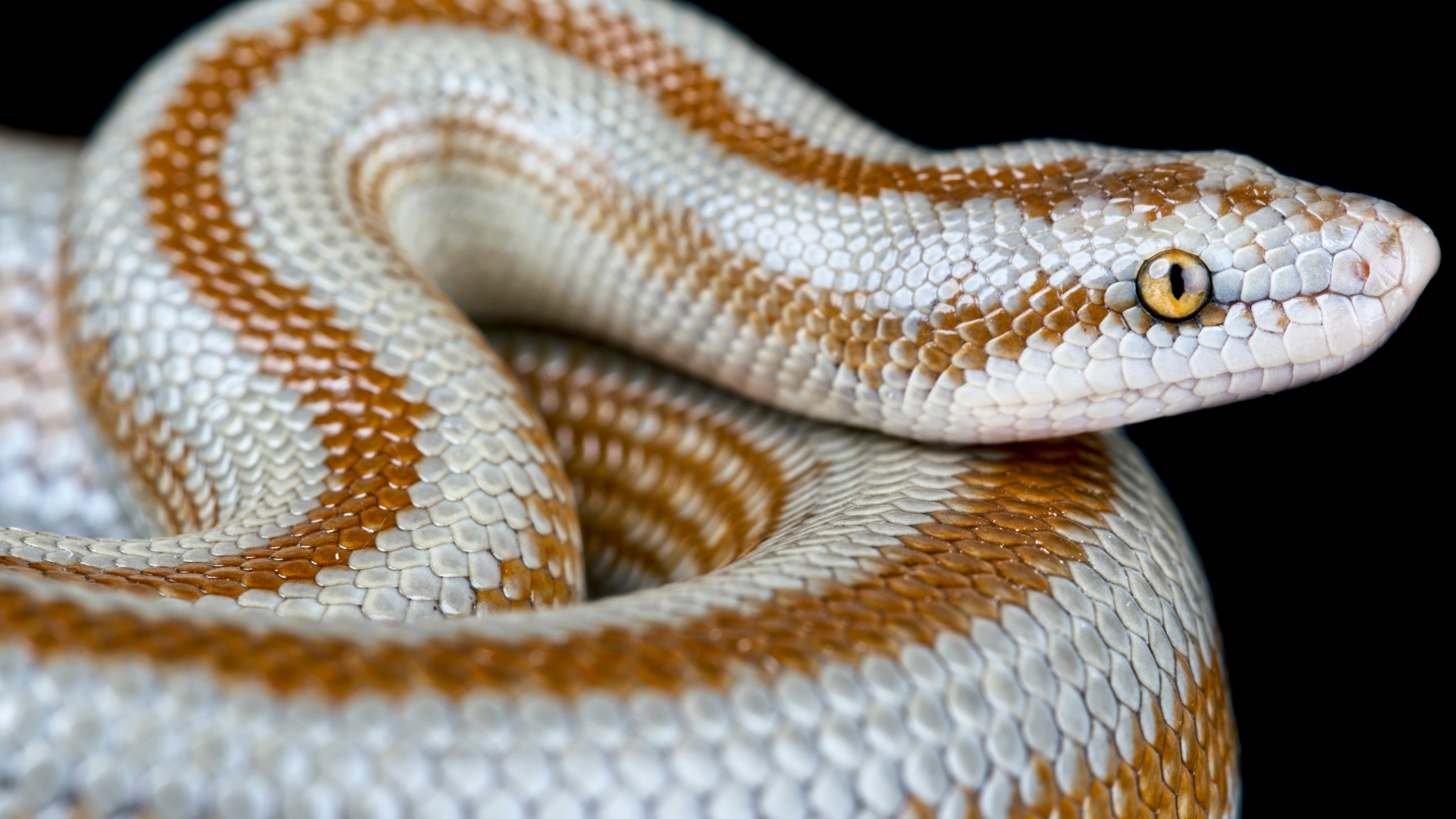
Rosy Boa
Lichanura trivirgata
Basic Information:
The Rosy Boa is a small, heavy-bodied snake native to the arid desert regions, rocky canyons, and scrublands of the southwestern United States (Southern California and Arizona) and northwestern Mexico (Baja California and Sonora). They are known for their smooth, glossy scales and distinct pattern featuring three longitudinal stripes—which vary in color from rusty orange and rich chocolate to rosy pink—set against a silver, cream, or bluish-gray background. Adults typically reach a manageable length of 24 to 36 inches (2–3 feet), rarely exceeding 40 inches, with females growing slightly larger than males.
These snakes are primarily crepuscular and nocturnal, spending the scorching daylight hours sheltered deep inside rock crevices, rodent burrows, or under boulders, and emerging around dusk to hunt. Rosy Boas are celebrated as one of only two boa species native to the United States. They have an exceptionally slow, deliberate crawling speed, an unflappable temperament, and rarely strike or act defensively, making them one of the easiest and most docile pet snakes to handle.
Lifespan:
25–30+ years in captivity with proper care.
Sexing:
Sex can be determined accurately through cloacal probing or gentle popping (for young neonates) by an experienced keeper or veterinarian. Mature males also possess larger, more prominent cloacal spurs near their vent compared to females, along with a slightly longer tail base.
Enclosure:
Juveniles: A 10-gallon terrarium or a secure 6–12 quart plastic tub setup with a locking lid to provide security and prevent stress.
Adults: Minimum enclosure size of a standard 20-gallon long to 40-gallon breeder terrarium (30x12x12 inches to 36x18x18 inches). Because Rosy Boas are skilled at pushing screens and exploiting tiny gaps, secure, escape-proof locking mechanisms are essential. Provide at least two snug hides (one warm, one cool) and textured rockwork for natural enrichment.
Substrate:
Dry substrates such as Sand, a sandy soil mix or aspen shavings, shredded aspen. Rosy Boas love to burrow, so providing a 2–3 inch depth allows for natural digging behavior. Paper towels or unprinted newspaper work well for quarantine. Avoid moisture-retentive substrates like wet coconut fiber, and never use aromatic cedar shavings.
Lighting & Temperature:
Basking Spot: 88°F–90°F (Provided via an under-tank heat mat, deep heat projector, or halogen basking lamp regulated by a reliable thermostat).
Ambient Temperature: 78°F–82°F
Cool Side: 70°F–75°F (Nighttime temperatures can safely drop to 68°F–72°F).
Lighting & UVB: Provide low-output full-spectrum lighting or a 5.0/forest-strength UVB bulb on a 12-hour day/night cycle to support natural behavior and healthy circadian rhythms.
Humidity:
30%–45% (Low/Dry). Rosy Boas are desert animals that are prone to respiratory infections and scale rot if kept in damp conditions. A humid hide lined with slightly damp sphagnum moss can be offered exclusively during shed cycles, but the main enclosure must stay dry.
Food:
Strictly Carnivorous. Feed appropriately sized, thawed frozen rodents:
Juveniles: Pinky mice to fuzzy mice fed once every 7–10 days.
Subadults & Adults: Small to adult mice fed once every 10–14 days.
Avoid overfeeding or handling right after meals, as Rosy Boas have slow metabolisms and can easily become overweight or regurgitate if stressed on a full stomach.
Water:
Provide a small, heavy ceramic water bowl with fresh water. To prevent excess humidity from building up in the enclosure, use a small dish and place it on the cool side of the terrarium.
Rosy Boas are slow-moving, gentle, and have some of the most laid-back personalities of any reptile. Their compact size, simple arid care requirements, and manageable feeding routines make them an outstanding pet for both first-time owners and experienced snake keepers.
Where can I find a Rosy Boa NEar Me?
If you're in Chambersburg, Pennsylvania, visit Critters, Reptiles & Exotics in Frederick to check availability of Rosy Boas and get expert guidance on arid terrarium setups, thermostat temperature control, and proper rodent feeding schedules. Whether you're choosing your very first pet snake or adding a classic North American locality boa to your collection, there’s always a new adventure waiting at Critters, Reptiles & Exotics!