

Caring for your Children’s Python
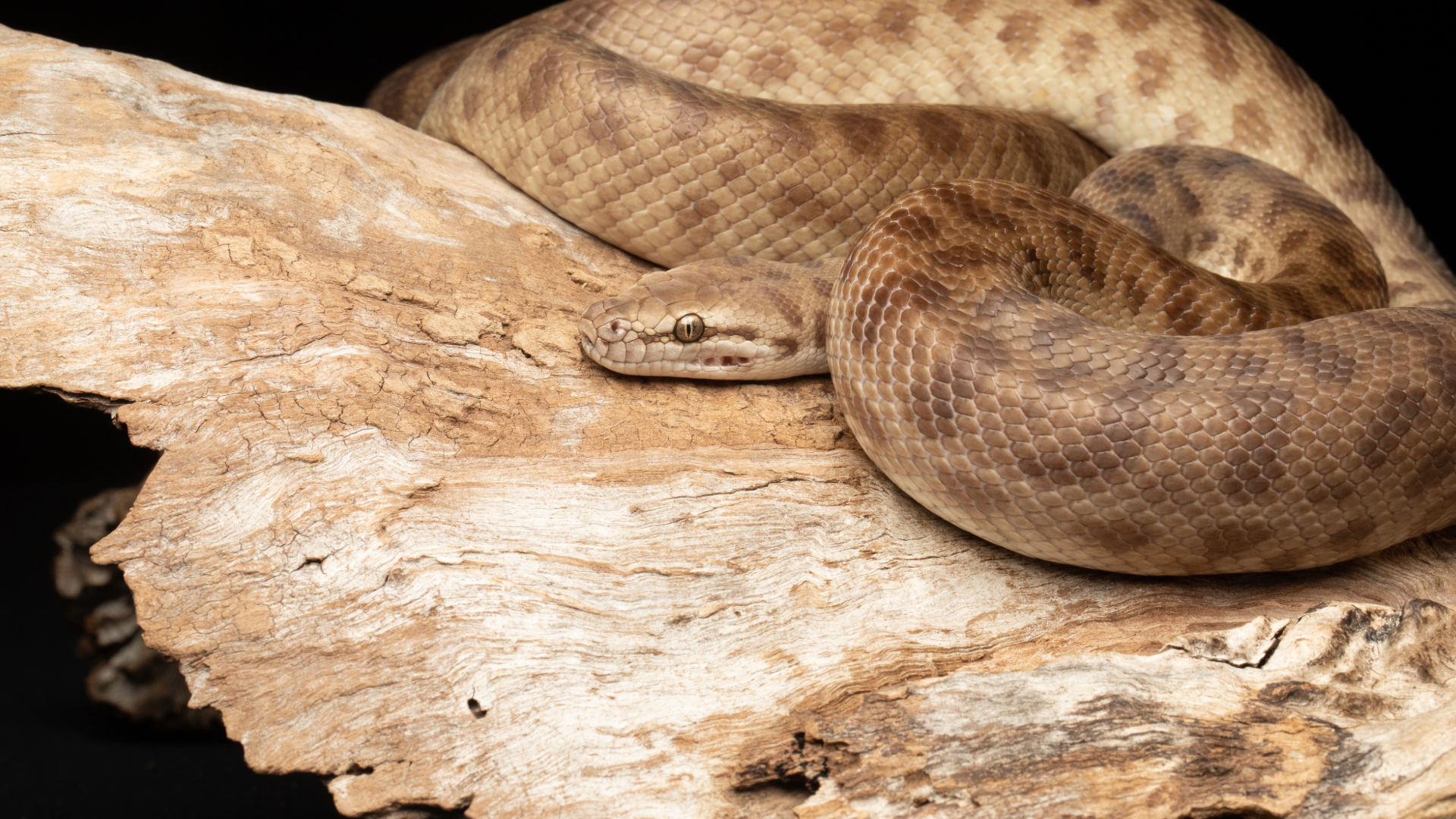
Children’s Python
Antaresia childreni
Basic Information:
The Children's Python is a small, slender python native to the northern regions of Australia, where it inhabits rocky outcrops, open woodlands, scrublands, and coastal caves. Named after the British zoologist John George Children (rather than the age group), this species features a light tan or reddish-brown base coloration overlaid with dark brown, irregular blotches that often soften into a more uniform pattern as the snake matures. Adults reach a manageable size of just 3 to 3.5 feet in length, making them one of the smallest python species in the world.
These snakes are primarily nocturnal and crepuscular, spending daylight hours concealed in rock crevices, termite mounds, or hollow logs before emerging at dusk to hunt small mammals, reptiles, and roosting bats. In captivity, Children's Pythons are celebrated for their hardy constitution, curious and active demeanor, and remarkably placid nature once acclimated to regular handling.
Lifespan:
20–30 years in captivity with proper care.
Sexing:
Sex is determined through cloacal probing or popping (for young juveniles) performed by an experienced reptile keeper or veterinarian. Probing yields a depth of 7–12 subcaudal scales in males compared to 2–4 scales in females. In mature adults, males may also have slightly more prominent cloacal spurs near the vent.
Enclosure:
Hatchlings & Juveniles: A 10-gallon terrarium or a secure 6–12 quart plastic tub setup to provide security and prevent stress.
Adults: Minimum enclosure size of a standard 3x2-foot (or 36x18x18-inch) front-opening terrarium or PVC enclosure. While primarily terrestrial, Children's Pythons are semi-arboreal opportunistic climbers, so providing branches, rock ledges, and secure tight-fitting hides on both the warm and cool sides is recommended.
Substrate:
Aspen shavings, coconut husk chips (coco coir/chunks), or Paper Towels. For quarantine or hatchlings, plain unprinted newspaper or paper towels work best. Avoid aromatic cedar and untreated pine shavings.
Lighting & Temperature:
Basking Spot: 88°F–92°F (Provided via an under-tank heat mat, deep heat projector, or halogen basking lamp regulated by a reliable thermostat).
Ambient Temperature: 80°F–84°F
Cool Side: 75°F–78°F (Nighttime temperatures can safely drop to 72°F–75°F).
Lighting & UVB: Provide a low-output 5.0 or forest-strength linear UVB bulb on a 12-hour day/night cycle to support natural behavior and healthy circadian rhythms.
Humidity:
40%–60%. Children's Pythons tolerate standard indoor household humidity very well. Provide a dedicated humid hide box lined with damp sphagnum moss at all Times to help with shedding and general comfort.
Food:
Strictly Carnivorous. Feed appropriately sized, thawed frozen rodents:
Hatchlings & Juveniles: Pinky mice to small fuzzy mice fed once every 5–7 days.
Subadults & Adults: Hopper mice, adult mice, or small weanling rats fed once every 10–14 days.
Avoid overfeeding, as small Antaresia pythons have efficient metabolisms and can become prone to obesity if fed oversized prey.
Water:
Provide a sturdy ceramic or resin water bowl with fresh, clean water at all times. Change and disinfect the dish weekly, or immediately if soiled.
Children's Pythons offer all the personality, feeding enthusiasm, and beauty of a classic constrictor in a compact, apartment-friendly size. Their gentle temperament, low maintenance requirements, and manageable adult length make them an ideal choice for both beginner reptile keepers and seasoned python enthusiasts.
Where can I find a Children’s Python NEar Me?
If you're in Harpers Ferry, West Virginia, visit Critters, Reptiles & Exotics in Frederick to check availability of Children's Pythons and get expert guidance on temperature regulation, escape-proof terrarium setups, and proper feeding routines. Whether you're choosing your very first pet snake or adding a small Australian python to your collection, there’s always a new adventure waiting at Critters, Reptiles & Exotics!