

Caring for your Pet Rabbit
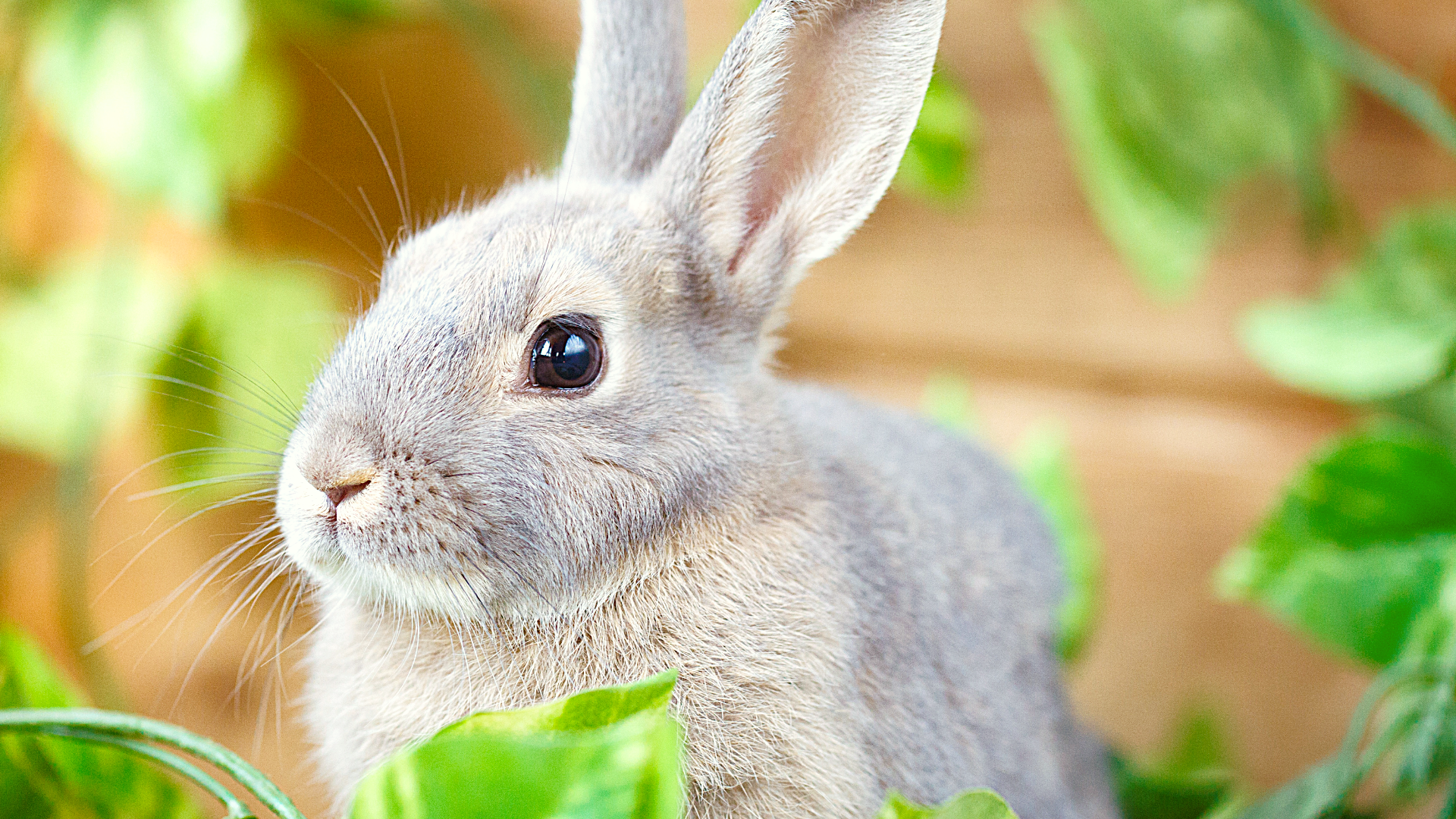
Rabbit
Oryctolagus cuniculus
Basic Information:
The Domestic Rabbit is a popular companion animal descended from the European Rabbit, originally native to southwestern Europe. Through selective breeding, domestic rabbits have developed into numerous breeds, including Holland Lops, Mini Rex, Lionheads, Flemish Giants, and Netherland Dwarfs. Depending on the breed, adults can weigh anywhere from 2 to over 15 pounds. Rabbits are known for their soft fur, long ears, powerful hind legs, and wide variety of colors and coat patterns.
Domestic Rabbits are intelligent, social animals that thrive on companionship, enrichment, and daily exercise. They are crepuscular, meaning they are most active during dawn and dusk. Rabbits can learn their names, use litter boxes, and form strong bonds with their owners. While often considered beginner pets, they require specialized diets, spacious housing, and regular veterinary care to remain healthy.
Lifespan:
8–12 years in captivity with proper care, though some rabbits may live longer.
Sexing:
Sexing is best determined by an experienced handler or veterinarian.
Males (bucks) have a greater distance between the anus and genital opening, and mature males may have visible testicles.
Females (does) have a slit-shaped genital opening and may exhibit territorial or nesting behaviors.
Spaying and neutering are recommended to reduce unwanted breeding, certain reproductive diseases, and hormone-related behaviors.
Enclosure:
Juveniles: Large exercise pen with enough room to run, stretch, and explore.
Adults: Minimum 4' x 4' exercise pen as a home base, with several hours of additional exercise daily. Larger spaces or rabbit-proofed free-roaming environments are strongly recommended.
Provide a spacious enclosure with solid flooring, hiding areas, tunnels, chew toys, and comfortable resting spots. Rabbits should be able to stand fully upright, stretch out, and perform several consecutive hops. Wire-bottom cages should be avoided because they can cause foot injuries. Rabbits are social and generally benefit from living with a compatible, properly bonded, spayed or neutered companion.Substrate:
Use absorbent paper-based bedding or recycled newspaper pellets in the litter box. The rest of the enclosure can be lined with fleece, mats, or bare floor depending on your rabbit’s litter habits.
A soft, absorbent substrate is ideal, such as:
Paper-based bedding
Washable fleece liners
Soft, non-slip mats
Paper-based litter pellets
Avoid clumping cat litter, cedar shavings, and dusty bedding. Provide a separate litter box filled with rabbit-safe litter and hay to encourage natural litter-training behaviors.
Lighting & Temperature:
Ambient Temperature: 60–75°F
Ideal Range: 60–70°F
Heat Warning: Temperatures above 80°F can increase the risk of heat stress.
Provide a consistent 10–12 hour light cycle with a dark, quiet resting period.
Rabbits are particularly sensitive to overheating and should be housed in cool, well-ventilated environments away from direct sunlight and drafts.
Food:
Domestic Rabbits are strict herbivores and require a high-fiber diet to maintain healthy digestion and continuously growing teeth.
Hay: Unlimited timothy, orchard grass, or meadow hay should make up approximately 80–90% of an adult rabbit's diet.
Pellets: Offer measured portions of high-quality, timothy-based rabbit pellets.
Vegetables: Provide fresh leafy greens daily, including romaine lettuce, cilantro, parsley, and appropriate leafy vegetables.
Fruits: Small portions of fruit, such as apples without seeds, strawberries, or blueberries, can be offered occasionally as treats.
Young rabbits have different nutritional needs and may benefit from alfalfa-based hay and pellets during growth. Avoid seed mixes, nuts, sugary treats, and foods containing dairy.
Rabbits have sensitive digestive systems and require consistent access to food. A rabbit that stops eating or producing droppings requires urgent veterinary attention, as gastrointestinal stasis can become life-threatening.
Water:
Provide fresh, clean water at all times. Heavy ceramic bowls are generally preferred because they allow rabbits to drink naturally and consume adequate amounts of water. Water bottles can also be used, but should be checked regularly for proper function.
Enrichment & Exercise:
Rabbits are intelligent animals that require daily mental stimulation and physical activity.
Provide tunnels, cardboard boxes, and hiding areas for exploration.
Offer rabbit-safe chew toys to encourage natural chewing behavior.
Use forage mats, treat puzzles, and hay-stuffed toys to encourage natural foraging.
Allow several hours of supervised exercise outside their primary enclosure each day.
Rabbits also enjoy digging, so providing a designated digging box filled with shredded paper or other safe materials can encourage natural behaviors.
Grooming & Health:
Regular grooming and preventive care are important for domestic rabbits.
Brush regularly, especially during seasonal shedding.
Trim nails approximately every 4–6 weeks, depending on growth.
Monitor teeth for signs of overgrowth or difficulty eating.
Check ears regularly, particularly in lop-eared breeds, which are more prone to ear problems.
Schedule routine examinations with a rabbit-experienced exotic animal veterinarian.
Rabbits should never be bathed routinely, as bathing can cause severe stress and hypothermia. Their delicate spines also require careful handling, with the chest and hindquarters fully supported. Never lift a rabbit by its ears or scruff.
Domestic Rabbits are affectionate, intelligent, and entertaining companions that can form strong bonds with their owners. Their playful personalities, ability to learn routines, and natural curiosity make them rewarding pets for individuals and families willing to provide proper care. With spacious housing, a balanced diet, enrichment, and regular interaction, rabbits can become wonderful long-term members of the household.
Where Can I Buy a Domestic Rabbit Near Me?
If you're in Jefferson County, West Virginia, it's just a short drive to Critters, Reptiles & Exotics in Frederick, Maryland, where you can check availability of Domestic Rabbits, including popular breeds such as Holland Lops, Mini Rex, and Lionheads. Our knowledgeable team can help you select the right rabbit supplies, including spacious enclosures, premium hay, nutritious pellets, bedding, and enrichment accessories. Whether you're welcoming your first bunny or expanding your small mammal family, there's always a new adventure waiting at Critters, Reptiles & Exotics!