

Caring for your Parrolet
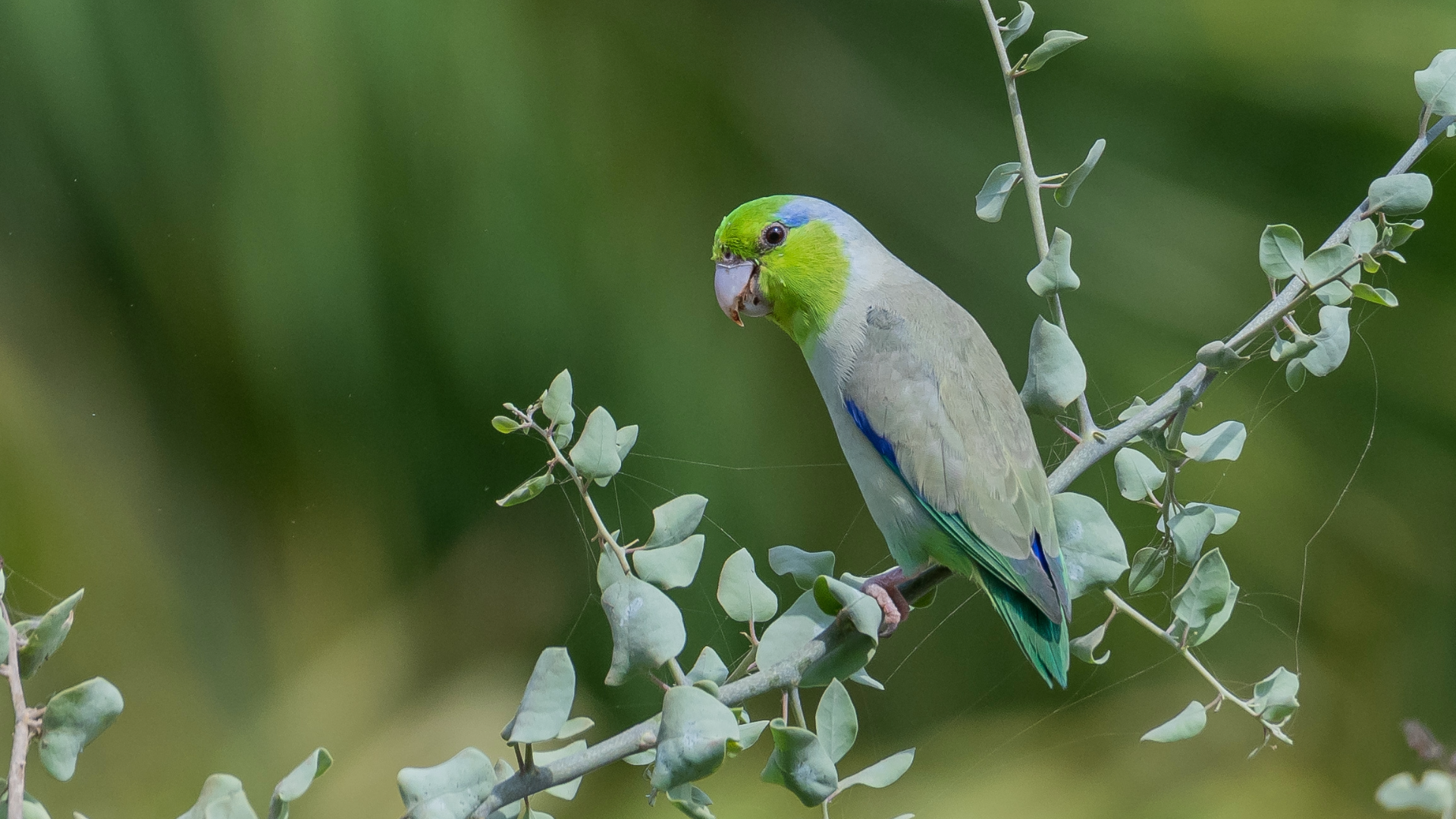
Parrotlet
(Forpus spp.)
Basic Information:
Parrotlets are among the smallest parrots in the world, originating from Central and South America, including Peru, Ecuador, and Mexico depending on species. Despite their tiny size—typically 4.5 to 5.5 inches—they are bold, intelligent, and packed with personality. They are highly active birds that form strong bonds with their owners and can learn words, tricks, and routines. Their bright plumage, spirited nature, and compact size make them a favorite for people wanting a “big parrot personality” in a small package.
Lifespan:
15–20 years in captivity with excellent care.
Sexing:
Most parrotlets exhibit sexual dimorphism, depending on the species. For example, Pacific Parrotlet males usually have blue markings on the wings and rump, while females lack these. Other species may require DNA testing for accurate sex determination.
Enclosure:
Minimum Size: 24” x 18” x 18” cage with bar spacing of ½ inch or less
Horizontal space is crucial for movement; provide multiple natural wood perches, hanging toys, ladders, and swings.
Rotate toys and rearrange perches regularly to encourage mental stimulation and exercise.
Substrate:
Line the cage bottom with newspaper or paper towels and change daily. Clean perches, dishes, and cage surfaces weekly to prevent bacterial buildup.
Lighting & Temperature:
Maintain a consistent 12-hour light/dark cycle using natural daylight or full-spectrum avian lighting which helps support healthy circadian rhythms and vitamin D3 synthesis.
Keep room temperature between 65–80°F. Avoid drafts, direct air vents, and sudden temperature changes.
Humidity:
Maintain 40–60% humidity. Offer regular opportunities for bathing via shallow dishes, misting, or shower perches.
Food:
A healthy conure diet includes a high-quality pellet base (60–70% of their diet), supplemented with a variety of fresh fruits and vegetables, such as leafy greens, apples, carrots, and berries. Seeds and nuts can be offered occasionally as treats or training rewards but should not be a staple due to high fat content.
Avoid avocado, chocolate, caffeine, onions, and alcohol, as they are toxic to birds.
Socialization:
Parrolets require daily social interaction and out-of-cage time. They love training, games, and gentle handling. Foraging toys, puzzle feeders, and safe chew toys help prevent boredom and behavioral issues like feather plucking.
Small yet mighty, parrotlets offer the charm of a full-sized parrot in a compact body. Their intelligence, playfulness, and strong bond with their humans make them a rewarding choice for anyone seeking a lively and affectionate companion. With consistent handling and enrichment, they become delightful household companions.
Are Parrolets for sale at a pet store near me?
If you're in Washington County, Maryland, it’s just a quick trip to Critters, Reptiles & Exotics in Frederick to explore our selection of charming parrotlets and learn everything you need to know about proper enrichment, diet, and housing. Whether you're a first-time bird owner or expanding your flock, we're here to help you succeed. There’s always a new adventure waiting at Critters, Reptiles & Exotics!