

Caring for your Javelin Sand Boa
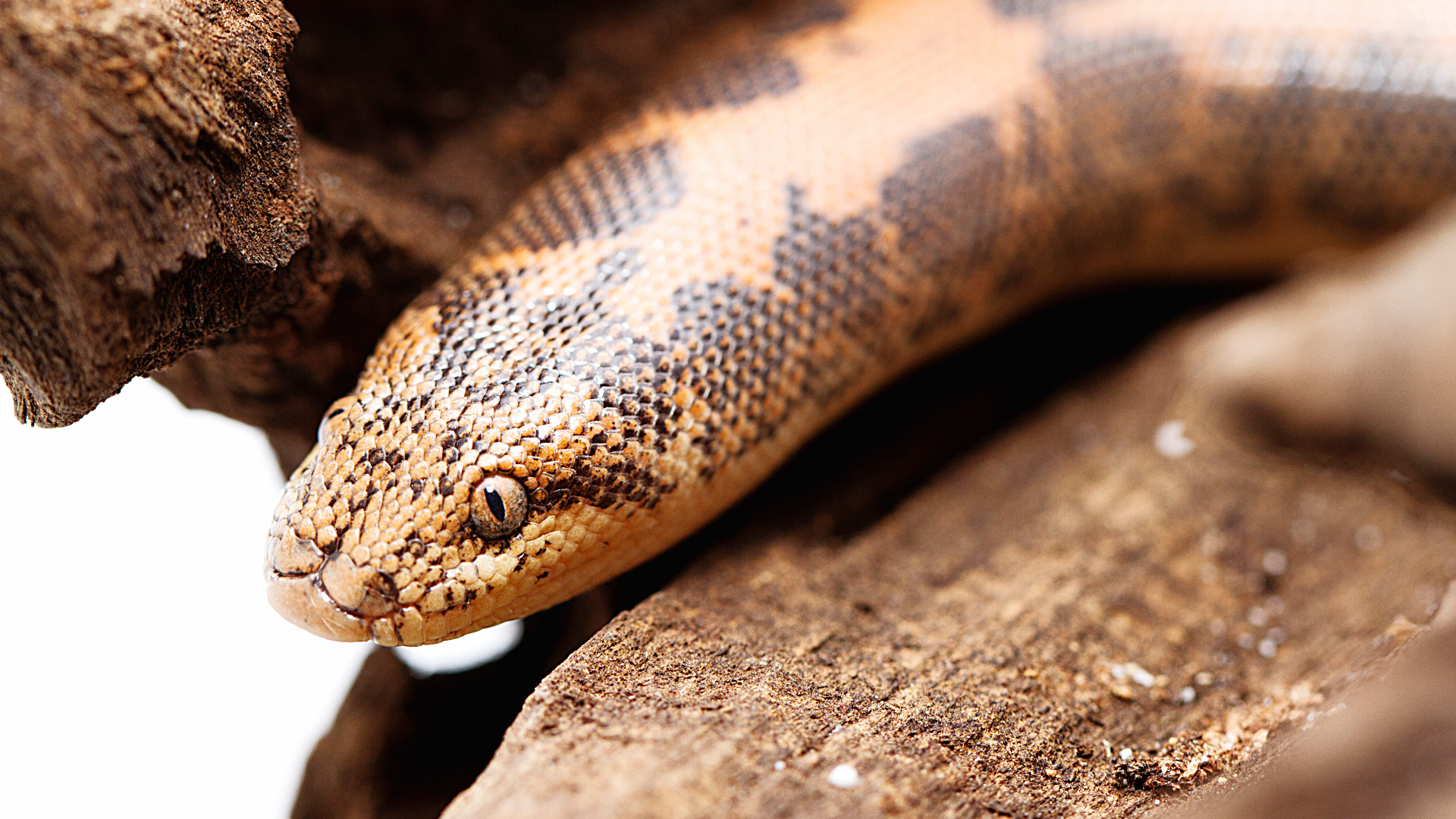
Javelin Sand Boa
Eryx jaculus
Basic Information:
The Javelin Sand Boa, also known as the Lesser Sand Boa, is a small, burrowing snake native to arid regions of North Africa, the Middle East, and parts of southeastern Europe, including areas of Greece. This species is known for its compact body, smooth scales, and blunt head adapted for digging. Adults typically reach 12–24 inches in length.
They are primarily nocturnal and fossorial, spending most of their time buried beneath the substrate, waiting to ambush prey. Due to their secretive nature, they are often hidden during the day and are best suited as display animals. Javelin Sand Boas are generally calm and hardy, making them a great option for keepers interested in smaller, desert-dwelling snakes.
Lifespan:
10–15 years in captivity with proper care.
Sexing:
Sexing is best determined by an experienced keeper or veterinarian.
• Females are typically larger and heavier-bodied
• Males are smaller with proportionally longer tails
Enclosure:
• Juveniles: 10–20 gallon enclosure
• Adults: 20-gallon long enclosure or larger
Provide a secure, ground-oriented enclosure with minimal height and plenty of floor space. Include hides, but expect this species to spend most of its time buried.
Substrate:
A deep, loose substrate is essential for burrowing, such as:
• Sand/topsoil mix
• Play sand (mixed for structure)
• Arid bioactive substrate
Substrate should be several inches deep to allow for natural digging behavior.
Lighting & Temperature:
• Basking Spot: 88–92°F
• Ambient Temperature: 75–82°F
• Cool Side: 70–75°F
• UVB Lighting: Not required but low-level UVB can be beneficial
• Provide a 10–12 hour light cycle
Heating should be regulated with a thermostat.
Humidity:
Maintain low humidity (30–50%). Provide a slightly more humid area or hide to assist with shedding if needed.
Food:
Javelin Sand Boas are carnivorous ambush predators.
• Juveniles typically eat appropriately sized pinky mice
• Adults usually eat small mice every 7–10 days
Feed based on size and body condition, avoiding overfeeding.
Water:
Provide a small, shallow water dish with fresh water at all times. These snakes may rarely be seen using it but should always have access.
Javelin Sand Boas are a great choice for keepers looking for a small, hardy, and low-maintenance snake. Their unique burrowing behavior and manageable size make them especially appealing for those interested in desert species.
Is There a Local Pet Store Selling Javelin Sand Boas Near Me?
If you're in Loudoun County, Virginia, it’s just a short drive to Critters, Reptiles & Exotics in Frederick, Maryland, where you can check availability of Javelin Sand Boas and get expert advice on enclosure setup, substrate, and care. Whether you're exploring smaller snakes or expanding your collection, there’s always a new adventure waiting at Critters, Reptiles & Exotics!