
Desert Hairy Scorpion
Desert Hairy Scorpion
Basic Information:
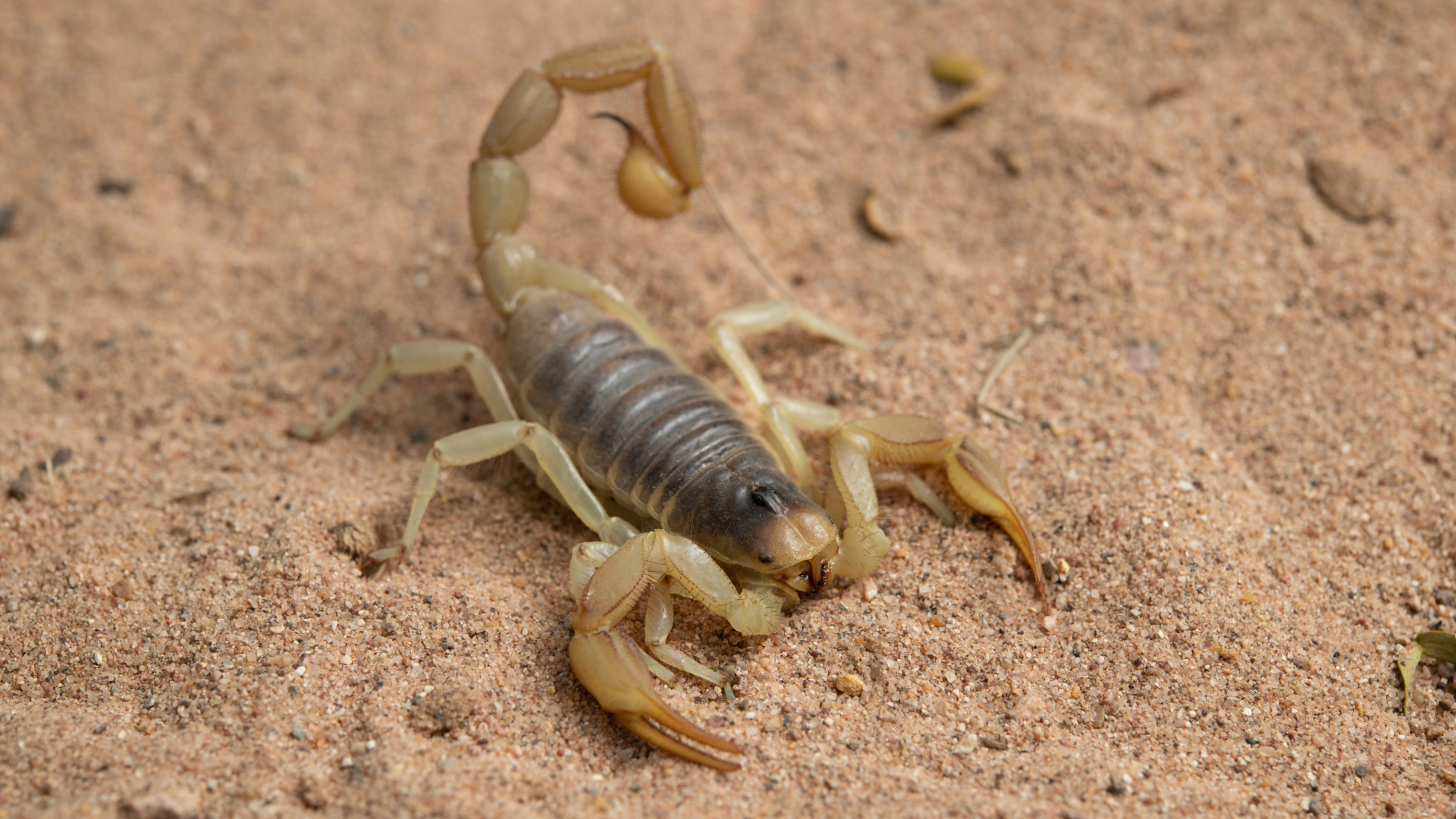
The Desert Hairy Scorpion—Hadrurus arizonensis—is the largest scorpion species in North America, reaching lengths of 5–7 inches. Found throughout the deserts of the southwestern United States, especially Arizona, Nevada, and California, this species thrives in extremely arid environments and is known for the fine “hairs” on its body that help detect vibrations in the sand. Desert Hairy Scorpions are nocturnal, spending most daylight hours burrowed underground to escape heat. They are hardy, long-lived, and fascinating display animals, making them popular among invertebrate keepers.
Lifespan:
8-10 years in captivity
Size:
5-7 inches
Temperament:
known for being active, feisty, and somewhat defensive if disturbed.
Enclosure:
Minimum Size: 10–20 gallon long tank for one adult
Use a secure, escape-proof lid
Provide plenty of hiding places (bark, cork rounds, or half logs)
Deep substrate for burrowing is essential
Substrate:
4–6 inches of coconut fiber, organic topsoil, or a mix with sphagnum moss
Keep slightly moist but not wet
Spot clean regularly
Lighting & Temperature:
Basking Temp: Not Required
Ambient Temp: 75-85°F
Night Temp: 70–75°F
Use a heat mat on the side of the tank if needed
Avoid bright lights—they prefer dim environments
UVB not necessary
Humidity:
Maintain 20-40% humidity
Food:
Insectivorous—feed crickets, dubia roaches, mealworms, and the occasional waxworm
Juveniles: every 2–3 daysAdults: every 4–7 days
Remove uneaten prey within 24 hours
Handling:
Use care—though usually docile, they can pinch or sting
Use soft tongs or a container to transfer if needed
Handling should be minimal to avoid stress
For keepers interested in observing natural desert behavior, the Desert Hairy Scorpion is an impressive, hardy species that spends time burrowing, hunting, and exploring. Their size, durability, and generally low-maintenance needs make them rewarding display invertebrates for both beginners and experienced keepers.
Are Desert Hairy Scorpions for sale at a pet store near me?
If you're looking to add a striking and hardy invertebrate to your collection, the Desert Hairy Scorpion is an excellent choice. For those in Jefferson County, West Virginia, Critters, Reptiles & Exotics in Frederick, Maryland offers availability updates, expert care advice, and everything you need to set up the perfect desert habitat. Whether you're new to scorpions or expanding your invertebrate collection, we’re here to help you succeed. There’s always a new adventure waiting at Critters, Reptiles & Exotics!